
How to get the most out of your next test drive


To get the most out of a test drive, treat it as a thorough evaluation rather than a quick spin. Plan a route covering highway speeds, city traffic, and rough surfaces to test handling. Adjust seats/mirrors for comfort, test all electronics (A/C, infotainment), and bring items like car seats to check for space.
Key Test Drive Strategies
- Plan Your Route: Avoid just driving around the block; take the car on roads that mimic your daily commute to properly gauge performance.
- Simulate Daily Usage: Bring along items you usually carry, such as a child’s car seat, strollers, or sports gear, to test trunk space and cabin room.
- Check All Features: Test the air conditioning, windows, radio, and infotainment system to ensure everything functions properly.
- Evaluate Comfort & Visibility: Adjust the seat, steering wheel, and mirrors to see if the car “fits” you properly.
- Test Handling: Check for smooth acceleration, responsive braking, and how the car handles tight corners.
Five Top Test Drive Tips
Test drives are short, sales staff talk fast, and your brain tries to decide a major life purchase in fifteen minutes. You get better outcomes when you treat the drive like an inspection with a plan, a route, and a set of checks you repeat on every car.
1. Plan a route that exposes the car
A useful test drive is not a lap of smooth roads near the dealership. Pick a loop that matches your normal week, then add one rough section so the car has to show its real personality.
Build a route with three speed zones
Start with low-speed streets and tight turns so you can feel throttle response, brake bite, and steering weight without distractions. Move to a 50 to 60 mph section (80 to 100 km per hour) so you can check wind noise, straight line stability, and how the gearbox behaves when it holds a steady speed. Finish with a poor surface stretch, even a short one, so suspension control, rattles, and tyre noise show up.
If the salesperson tries to keep you on one road type, push back and stick to the loop. A car can feel great on brand new asphalt and then feel unsettled on the kind of patched, cambered roads people use every day. A route with variety forces clarity.
Build in a safe place to do two or three parking manoeuvres. Parallel parking, reverse bay parking, and a tight three-point turn reveal steering lock, camera accuracy, mirror coverage, and how easy it is to place the corners of the car.
Use the first five minutes to reset your senses
Begin with the audio off and the fan on low. Listen for drivetrain vibration, suspension knocks, and brake squeal at gentle speeds. New cars hide a lot behind loud demos and aggressive acceleration.
Do one slow stop from about 20 mph (30 km per hour), then a firmer stop from about 40 mph (65 km per hour) when it is safe. You are feeling for a straight, stable stop with a consistent pedal, not a pulsing pedal or a pull to one side.
If traffic is heavy, do not force it. Reschedule. A test drive trapped in stop-start traffic tells you comfort and clutch calibration, not stability, braking feel, or road noise.
2. Set up the cabin like you will live in it
A car can drive well and still fail you on comfort, visibility, and daily ergonomics. Fix the seating position first, then lock in mirrors, then check what you can see without craning your neck.
Adjust seat, wheel, and mirrors in a repeatable order
Set seat height so your eyes sit high enough to see the bonnet line and the road close to the front corners. Set the backrest so that the shoulders stay against the seat when the hands sit at a comfortable position on the wheel. Set steering wheel reach so wrists can rest on the top of the wheel with arms relaxed, then lower hands to driving position without locked elbows.
Set the rearview mirror to frame the full rear window. Set side mirrors outward until you can just barely see the edge of your own car. That mirror position reduces overlap with the rearview mirror and shifts more of the adjacent lane into view.
Now do a quick shoulder check drill. Look into the rearview mirror, then glance to the side mirror, then turn your head briefly to confirm the blind spot. If you feel forced into big body movement just to see, that becomes tiring on motorways and risky in tight merges.
Judge comfort like a long commute, not a short ride
Sit still for a minute with the car parked. Pressure points show up fast. Pay attention to thigh support, lumbar shape, headrest position, and whether the seat base tilts enough to support your legs.
Check pedal alignment. Some cars place the accelerator and brake at different heights or angles that feel fine for ten minutes and annoying over months. Look at where your right foot rests at steady speed, then how it moves to the brake without twisting your knee.
Look for practical annoyances. Cupholders that block the climate controls, a centre screen that sits too low, door pockets that cannot hold a bottle, and a phone tray that cooks your handset in the sun are all small issues that add up.
3. Drive it like a normal person, then like a careful tester
After the cabin fits, drive the car calmly first. Then do controlled checks that reveal handling, braking, and drivetrain calibration without turning public roads into a race track.
Check smoothness in throttle, gearbox, and braking
At low speeds, apply gentle throttle from a stop and watch for lurching, hesitation, or a grabby clutch on a manual. In an automatic, pay attention to the first shift and low-speed creep control in traffic.
At about 30 to 40 mph (50 to 65 km per hour), ease into the throttle and see how the gearbox chooses gears. A good calibration keeps the engine calm and avoids constant hunting between gears. On a mild incline, hold steady throttle and see if the car surges or stays settled.
Brake feel is a mix of pedal travel, initial bite, and how the car stays straight. A spongy pedal, a long dead zone, or a pull left or right points to a car that needs closer inspection or a different example to test.
Feel how it behaves on imperfect roads
On a rough surface, keep a steady speed and let the suspension work. Listen for rattles from trim, dash, door cards, and the boot area. Feel for harsh impacts over sharp edges, then float or bounce over longer undulations.
Steering feedback often changes here. Some cars feel light and vague on smooth roads, then feel nervous on cambers and patched surfaces. Others stay planted and calm, which usually translates into less fatigue on long drives.
Pay attention to tyre noise. A car that seems quiet at 30 mph (50 km per hour) can roar at 60 mph (100 km per hour) if the tyres and wheel arches amplify certain frequencies.
4. Test the systems that will annoy you daily
Most buyers obsess over power figures, only to live with poor visibility, poor climate control, and fiddly screens. Use the drive to test the tools you will use every day.
Climate control and demisting checks
Set the system to a normal temperature and see how quickly it stabilises without blasting hot or cold. Switch airflow from face vents to windscreen and back. Check fan noise at mid settings, not just maximum.
Turn the air conditioning on and off and note whether the engine response changes sharply at low speeds. A big drop in responsiveness can make city driving feel clumsy.
Try the rear demister and heated mirrors if fitted. Those features are easy to ignore on a sunny day, then become the first thing you need on a cold morning.
Infotainment, cameras, and safety alerts
Pair your phone and run navigation for a few minutes. Check whether the screen reacts quickly, whether the map is readable at a glance, and whether volume controls stay easy to reach while driving.
Use the reverse camera and parking sensors in a real manoeuvre. Check for lag, clarity, and whether the guidelines match the car’s true path. Poor calibration here causes minor bumps and constant stress.
If the car has lane alerts, blind spot monitoring, or forward collision warnings, notice how chatty they are. Systems that beep constantly can become exhausting, especially in city traffic.
5. Simulate your real life before you sign anything
A car can feel great on the move and still fail on space, access, and daily routines. Use the dealership car park to test the boring things that decide whether you will regret the purchase.
Bring your real gear and test fit properly
Bring a child seat, pram, sports kit, or whatever you haul weekly. Install the child seat the way you really do it. Check door opening angle, ISOFIX access, top tether routing, and whether the front passenger loses legroom once the seat is in place.
Open the boot and load the bulky item, then unload it. Check the lift-over height, the boot opening shape, and whether the parcel shelf gets in the way. A boot can look big in litres and still be awkward for real objects.
Sit in the rear seats with the front seats set to your driving position. Check knee room, foot space under the front seat, headroom, and whether rear passengers get usable vents or charging ports.
Do a final walkaround and paperwork sanity check
Before you hand back the keys, look at the tyres for uneven wear, check panel gaps, and look for windscreen chips. On a used car, inspect the service history, tyre age, and whether all keys are present.
Ask for a second test drive if anything felt off. A strange vibration, a delayed shift, a pulling brake, or a persistent rattle deserves another look in a different example.
A careful test drive is one of the simplest ways to keep your family safe and keep your money where it belongs, not spent fixing someone else’s problem.
If you enjoyed this article, be sure to follow us on Microsoft Start.

Leave a Comment
More in News

How Long Does a Serpentine Belt Last? (5 Warning Signs It’s Failing)

Lamborghini Temerario GT3: Giving Adrenaline a Racing Shape

76% of Car Buyers Say the Luxury Badge Isn’t Worth the Markup. Are They Right?

Is the Toyota Land Cruiser Worth the Price? What Buyers Need to Know for 2027

Car Prices Are About to Spike: Up to $8,900 More Per Vehicle (2026 Tariff Explained)
Trending on Motoring Chronicle

Think twice before modifying a vehicle, say valuation experts
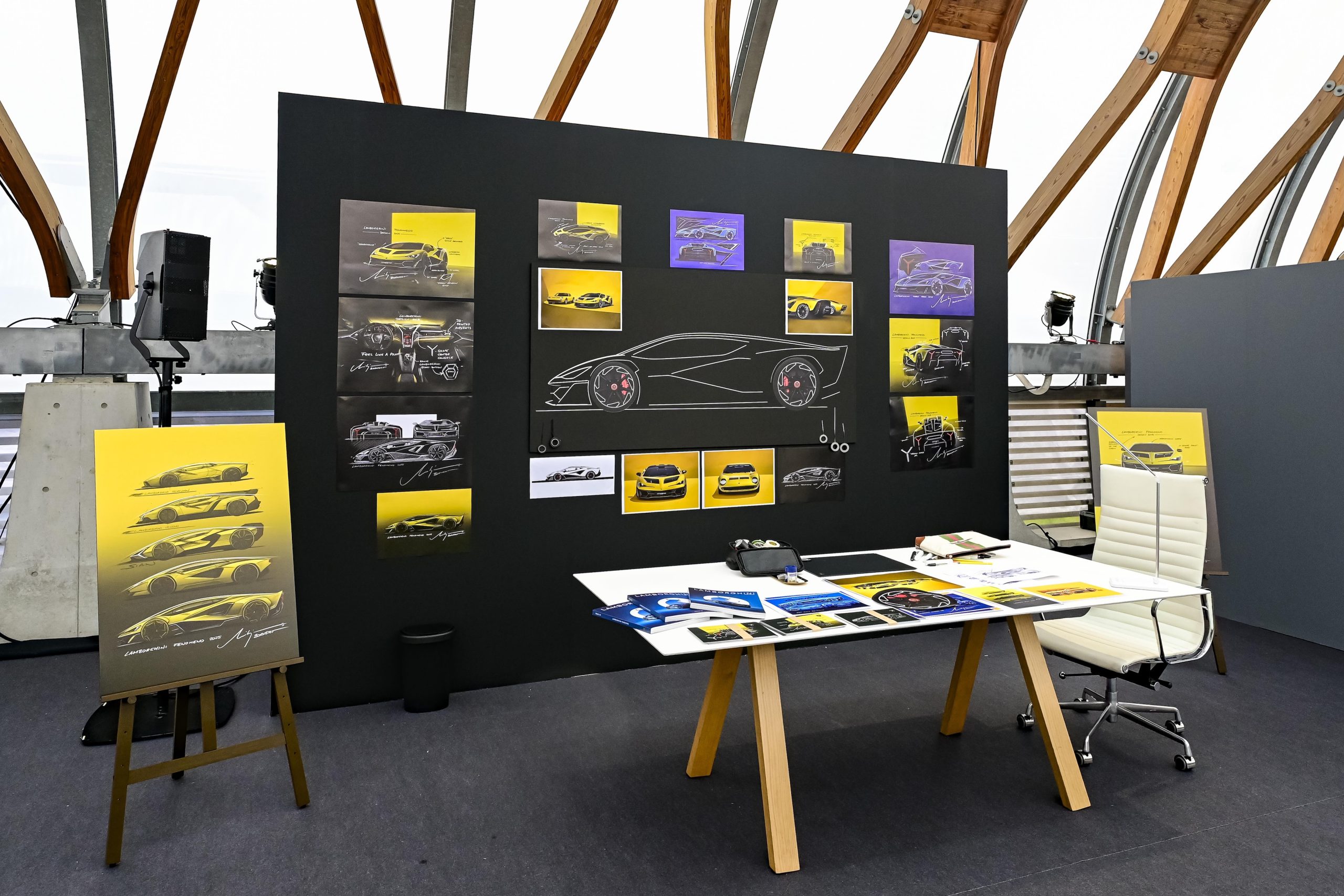
Lamborghini Day Japan 2025 ignites Tokyo

Automobili Lamborghini sets new record for deliveries in 2025 despite headwinds
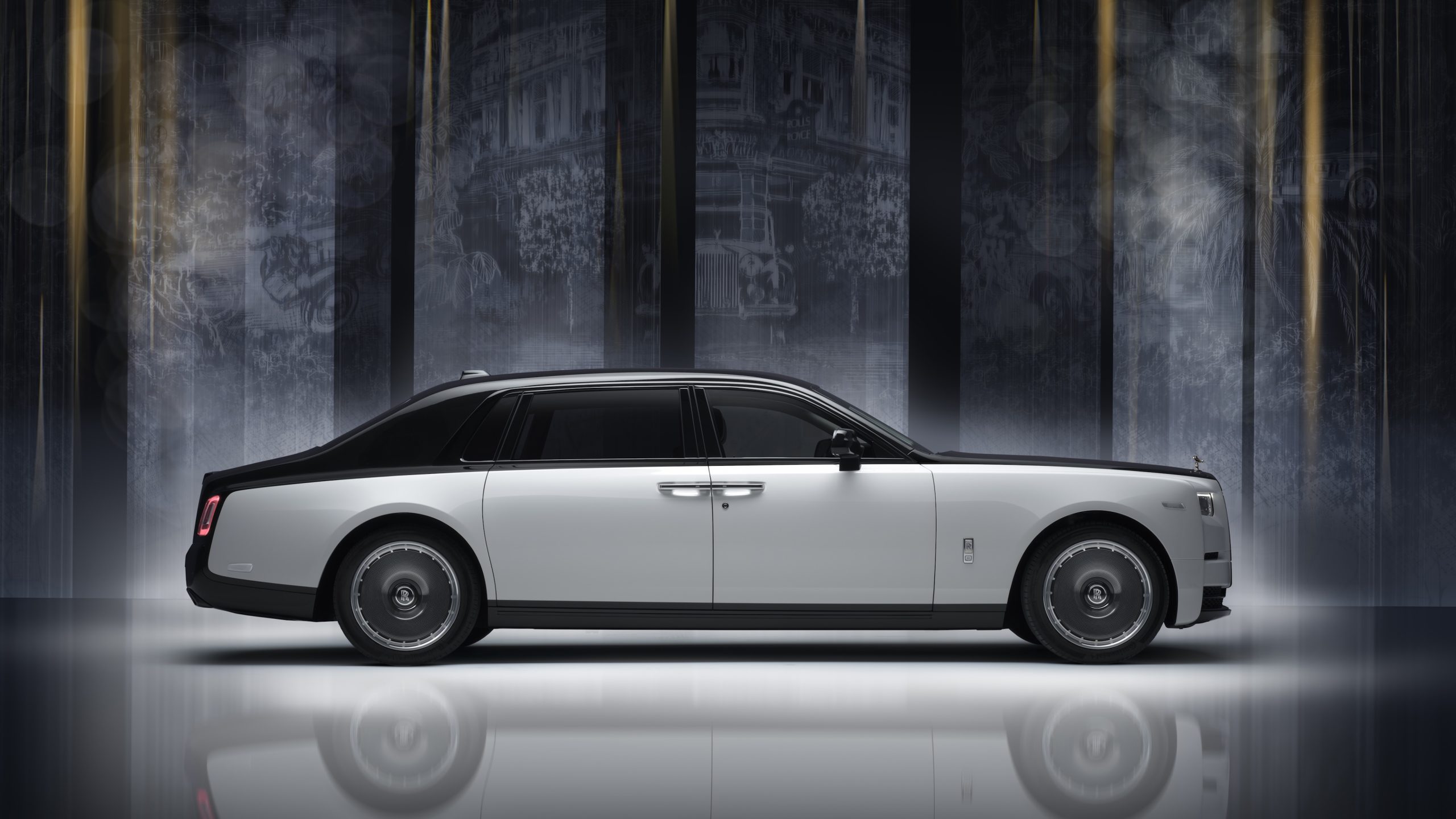
Rolls-Royce Motor Cars presents the Phantom Centenary Private Collection: a defining statement, 100 years in the making [Photo Gallery]
