How Long Beach’s New Speed Cameras Will Fine Drivers Up to $500 Starting This Fall
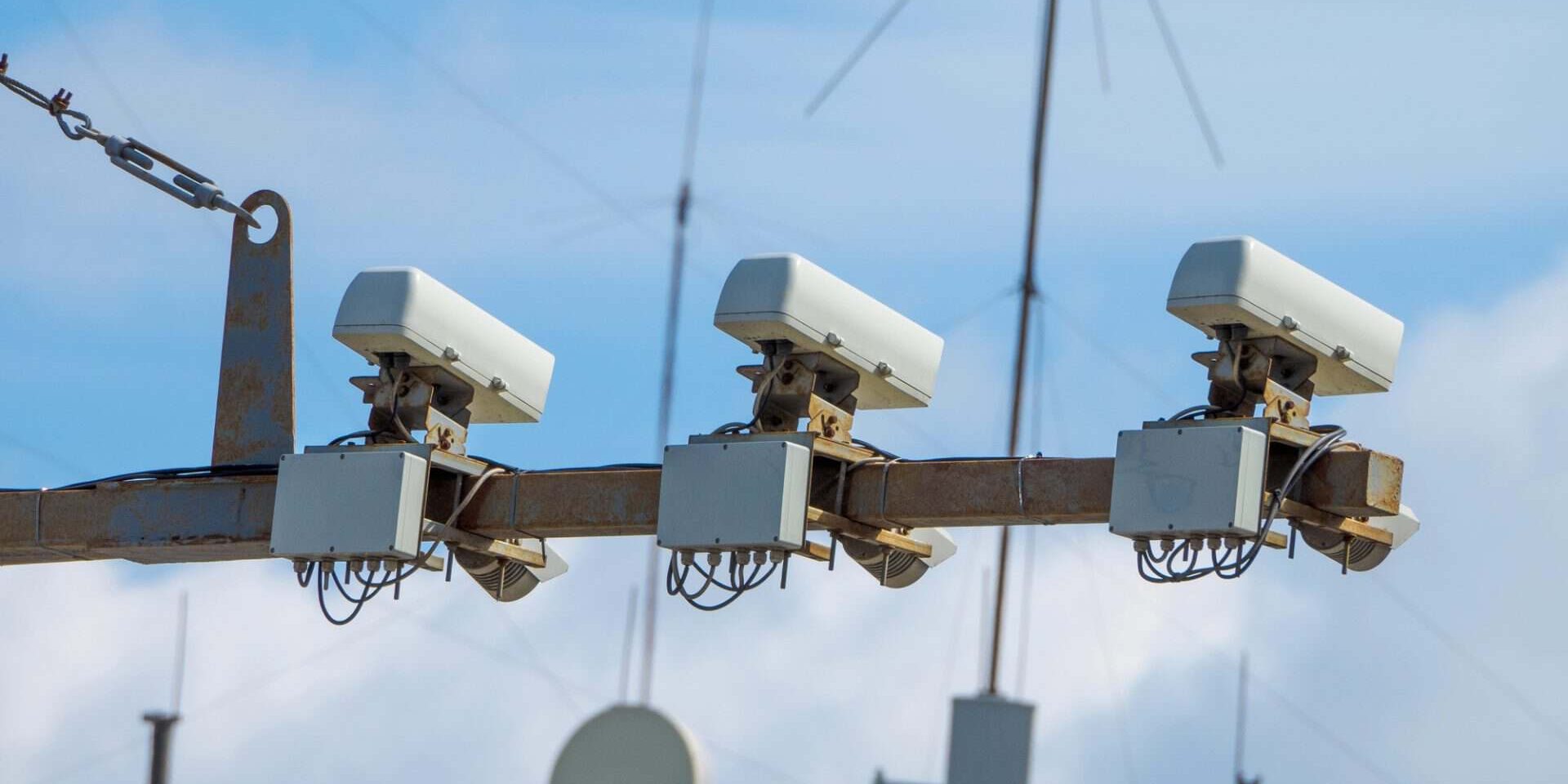
- Long Beach is installing 18 automated speed cameras under a state pilot program, with a 60-day warning period starting October 4 and real fines beginning December 3.
- Fines start at $50 for drivers going at least 11 mph over the limit and climb to $500 for anyone caught doing 100 mph or more.
- Cameras only photograph rear license plates, the data isn’t shared with police, and violations carry a civil fine only, so they won’t show up on a driving record or reach an insurance company.
Eighteen Cameras, One Goal: Slow Down Long Beach’s Deadliest Streets
Long Beach is one of six California cities authorized under Assembly Bill 645 to run automated speed cameras as part of a five-year state pilot program that runs through January 1, 2032. The other five are Los Angeles, San Jose, Oakland, Glendale and San Francisco, which has already switched its cameras on. Camera counts under the law scale with each city’s population: Los Angeles can install up to 125, San Jose and San Francisco up to 33 each, Oakland and Long Beach up to 18 each, and Glendale up to 9.
The Long Beach Department of Public Works is running the program entirely on its own, apart from the Long Beach Police Department. City data shows more than 3,200 crashes in Long Beach from October 2023, when the pilot bill was signed, through this year, with speed listed as a factor in more than 20 percent of them. In 2024 alone, speed was the leading cause in roughly a quarter of the nearly 3,000 people injured in traffic collisions citywide. This year’s 55 traffic fatalities have already outpaced the city’s homicide count and topped last year’s total of 36 deaths.
Where the Cameras Are Going and Why
State law restricts camera placement to three types of locations: designated high-injury safety corridors, school zones with enforcement tied to school hours, and streets with a documented history of street racing or speed exhibitions, defined as at least four such incidents in the past two years. Some stretches of road qualify for more than one reason. Long Beach Boulevard alone gets cameras at three separate points along its length, each justified by a different criterion, from its status as a high-injury truck route to a segment near a school zone with a known street racing problem.
Corridors identified for cameras include stretches of Long Beach Boulevard, Ocean Boulevard, Seventh Street, Anaheim Street, Artesia Boulevard, Pacific Avenue, Atlantic Avenue, Bellflower Boulevard, Cherry Avenue, Shoreline Drive, Santa Fe Avenue, Second Street and Willow Street. Signage will mark every camera location well ahead of the device itself: warning signs go up roughly 500 feet before a camera, with additional “Photo Enforced” markers closer to the pole so drivers get a clear chance to slow down before entering an enforcement zone.
The Timeline and the Fines
Installation work, including final camera hardware and tree trimming for clear sightlines, is wrapping up through August and September. The city’s mandatory 60-day warning period, called the Warning Live Date, begins October 4 or earlier. In those two months, drivers caught speeding get a warning notice only, with no fine attached. Real citations start on the Citation Live Date, set for December 3 or earlier.
Once citations begin, a driver going at least 11 mph over the posted limit faces a base fine of $50. That fine rises on a sliding scale tied to how far over the limit a driver was going, topping out at $500 for anyone clocked at 100 mph or faster in a camera zone. The law allows fines to be negotiated down by as much as 80 percent based on a driver’s income, or swapped for community service in some cases, and payment plans are available for drivers who can’t pay a citation in full.
What Makes This Different From a Red Light Camera Ticket
Unlike many red light camera programs, Long Beach’s system only captures a photograph of a vehicle’s rear license plate, never a photo of the driver’s face. Public Works staff, not police, review the images and issue citations to the vehicle’s registered owner, who could be a different person than the one behind the wheel that day. City officials say license plate data collected by the cameras will not be shared with the Long Beach Police Department or any other law enforcement agency, and the data is deleted once a ticket is resolved.
The fine is a civil penalty rather than a moving violation, so a speed camera ticket in Long Beach won’t add points to a driver’s license and won’t be reported to an insurance company the way a police-issued speeding ticket typically is. That distinction hits the wallet directly: a driver pays the citation once, rather than seeing the violation follow them into their next insurance renewal quote.
Where the Money Goes
The program costs an estimated $835,000 to launch in its first year, with ongoing operating costs of roughly $1.6 million a year after that. Over its full five-year run, the city projects a total cost of $8.9 million, covered entirely by citation revenue rather than the city’s general fund. Any money collected beyond what’s needed to run the program is legally required to go toward local traffic-calming projects, such as speed bumps, flashing beacons and lane narrowing, rather than into the city’s broader budget.
How Public Opinion Split on the Program
Long Beach ran a public survey on the camera plan before the city council approved it, and the results were close. Forty-eight percent of respondents opposed the cameras, while 41 percent supported them, with the rest undecided. Of the 98 written responses the city received on its formal impact report, officials said 95 focused specifically on that document rather than the broader program. City staff made no changes to the plan after reviewing the public feedback, and the council approved both implementation plans on a single vote.
Mayor Rex Richardson pointed to the timing of the rollout against a backdrop of rising traffic deaths that have fluctuated sharply in the years after the pandemic. Erin Hoops, of the pro-street-safety group Carlite Long Beach, described this year as the deadliest for Long Beach traffic fatalities before the 1990s, an argument city officials have used to justify moving forward even with the divided public response.
How This Compares to Other Camera Programs
Automated speed enforcement has a track record elsewhere that Long Beach officials point to when defending the pilot. New York City’s school zone speed camera program, one of the longest-running in the country, has been credited by city transportation officials with double-digit reductions in speeding violations at repeat camera locations over time, and Washington, D.C.’s longstanding photo enforcement network shows a similar pattern: violations drop fastest in the months right after a new camera goes live, then level off at a lower baseline. Long Beach’s 20 percent target for its own pilot sits well within the range those older programs have reported.
The bigger difference in California’s version of the program is the funding structure. Many older camera programs around the country route citation revenue into a city’s general fund, drawing criticism that speed cameras function as a revenue tool dressed up as a safety measure. AB 645 closes that loophole by law: Long Beach’s program cannot generate profit for the city beyond covering its own operating costs, and anything collected past that goes specifically to physical traffic-calming work on the streets where the cameras sit.
What Happens Next
City officials will judge the pilot a success if it produces a 20 percent drop in excessive speeding or repeat violations at the chosen locations. If that target is hit, Long Beach council members have said they intend to push state legislators for permission to add cameras beyond the current 18, including on Pacific Coast Highway, a stretch already approved for a separate camera program run by Caltrans starting later this decade. For now, drivers who regularly use Long Beach Boulevard, Artesia Boulevard or any of the other listed corridors have a two-month grace period, starting in early October, to adjust their speed before real citations begin.
Sources:

Leave a Comment
More in News

What California’s New Mirrored License Plate Format Means for Your Car

Maryland Drivers Face Up to $1,500 in Fines for Snow-Covered Cars Starting October 1
Jeep Recalls 328,381 Grand Cherokees for a Third Time Over Coil Springs That Can Detach

How Cold Weather Cuts Every Electric Car’s Range (and How to Reduce It)
What Colour Is the Positive Battery Cable?
Trending on Motoring Chronicle
Private Parking Firms Dropped 40,000 Fines Rather Than Risk Losing a Formal Appeal
Why Your Breakdown Cover Renewal Price Just Jumped by 50 Percent

Jeep Recalls Over 1 Million Wranglers and Gladiators With an Urgent Park Outside Fire Warning
2027 Subaru Trailseeker EV Holds at $39,995 With 375 Horsepower and 281-Mile Range