How 19 Million Drivers Will Make This the Busiest Bank Holiday Weekend Since 2024
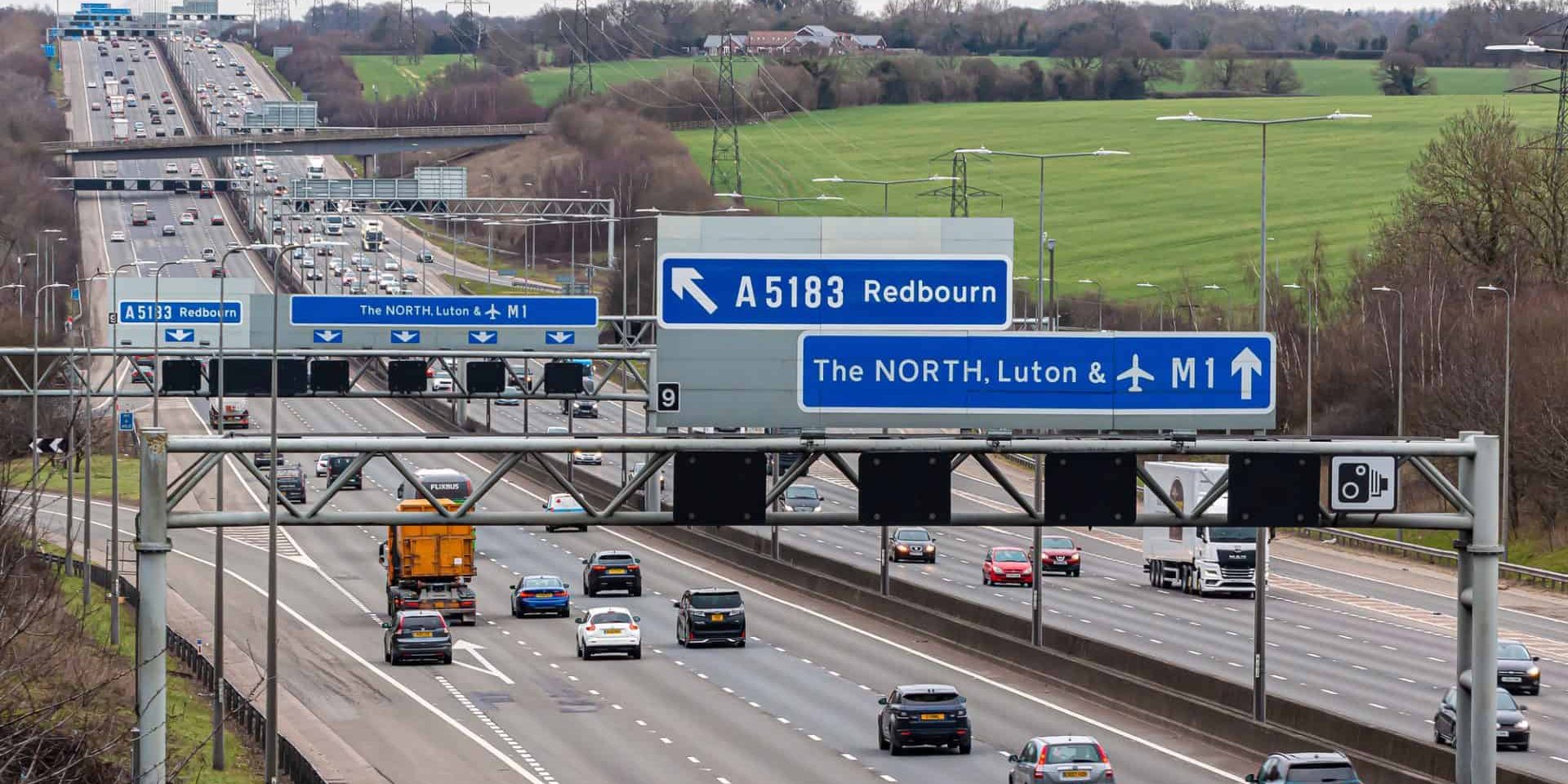
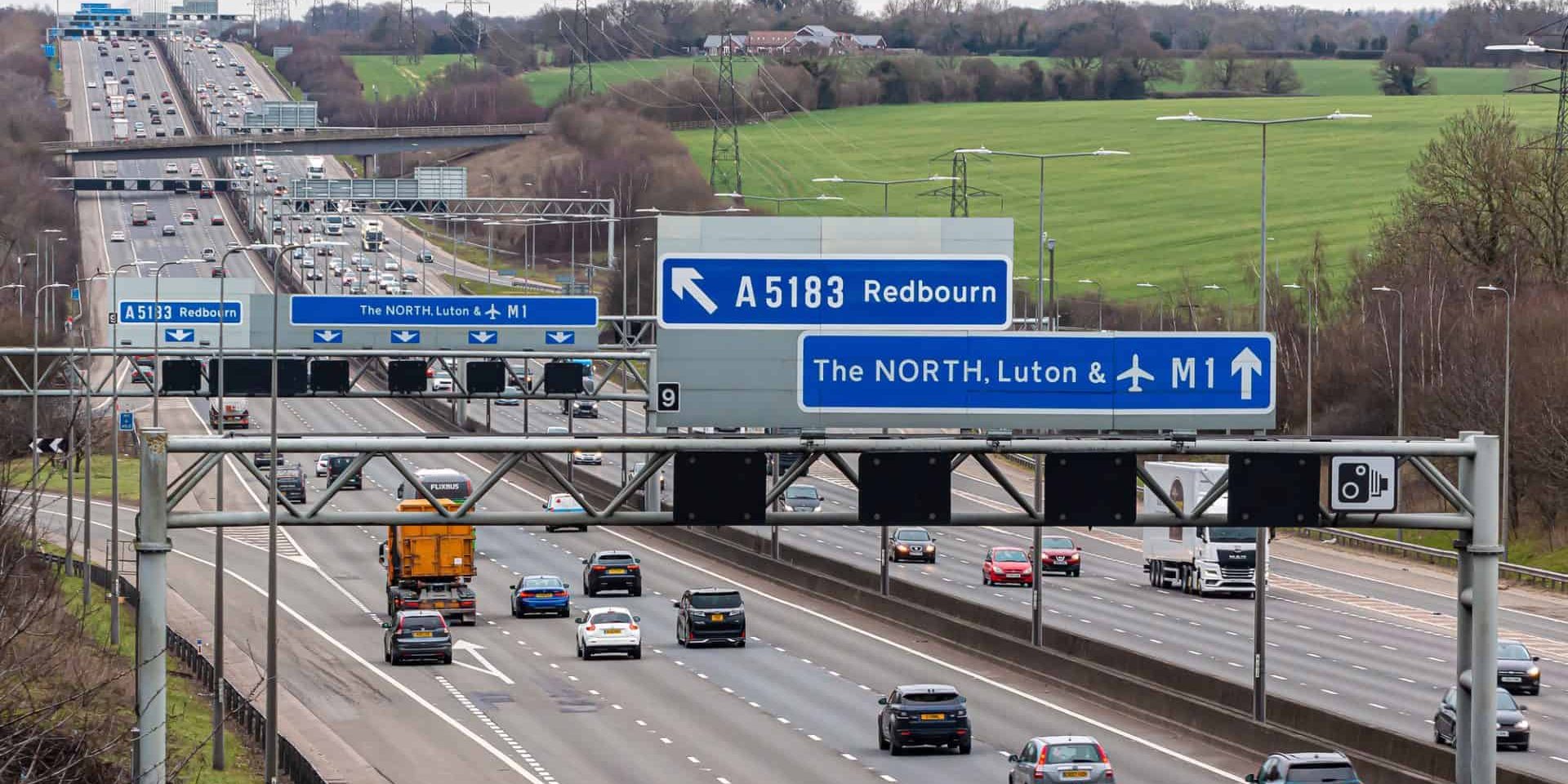
This Friday, more than 3.8 million UK drivers will take to the motorways for the start of the late May bank holiday weekend, according to new RAC research. With 19 million leisure journeys expected between Friday 22 and Monday 25 May 2026, this will be the busiest bank holiday on British roads since 2024. And with petrol now at its highest price since December 2022, the trip will cost drivers significantly more than it did last year.
RAC research conducted among 2,218 drivers by FindOutNow, extrapolated to the 34.5 million licensed cars on UK roads, shows that 39% of drivers intend to make a leisure trip this weekend. Friday and Saturday are expected to see the heaviest traffic, with 3.8 million journeys planned on each day. Sunday should see 3.4 million and bank holiday Monday around 3.1 million, with many people staggering their return trips to avoid the worst congestion.
When and Where the Traffic Will Be Worst
Transport analytics company INRIX has identified the M25, M1, M5 and M6 as the four motorways most likely to experience serious delays this weekend. Its data points to several specific hotspots that drivers should plan around.
On Friday afternoon, the single worst bottleneck is forecast on the M25 anticlockwise between junction 10 near Wisley and junction 6 near Godstone in Surrey. INRIX expects peak congestion around 4.45pm as workers clock off for the long weekend, with journey times on that stretch likely to be more than double those on a typical day. The same section could see a second spike around midday Saturday.
Heading south and west, the M5 southbound is another flashpoint. INRIX forecasts queues of up to 45 minutes between the RAC headquarters near Bristol and junction 23 for Bridgwater on Saturday around midday, as families make for the Somerset and Devon coasts. Anyone travelling to Cornwall faces the additional bottleneck of the A30 beyond Exeter, which has no motorway-standard alternative and regularly backs up on summer bank holiday weekends.
Sunday afternoon adds an unexpected dimension. The final round of the 2025-26 Premier League season takes place on Sunday, with fixtures kicking off at 4pm and 5.30pm at grounds across England. Drivers travelling near large stadia should expect extra congestion between approximately 6pm and 8pm as crowds disperse.
For those who can be flexible with departure times, the RAC advises leaving very early on Friday morning, before 7am, or after 9pm to miss the worst of the getaway traffic. On Saturday, setting off before 8am or after 6pm significantly reduces the risk of delays. Bank holiday Monday morning is expected to be the quietest outward-travel period, though return traffic will build steadily through the afternoon as people head home.
Fuel Costs Are at Their Highest Since December 2022
Drivers face a considerably more expensive tank this year. RAC Fuel Watch data shows unleaded petrol averaging 158.52p per litre across the UK, the highest since December 2022. Diesel stands at 185.92p per litre. The rise is being driven primarily by disruption to global oil supply resulting from the ongoing conflict in the Middle East.
In practical terms, filling a 55-litre family car with unleaded now costs around £87, which is £14 more than at the same time in 2025. Filling with diesel costs over £102, a £26 increase year on year. For a family making a 300-mile round trip at 40mpg, that works out to approximately £27 in fuel, compared to around £23 last May.
Despite these higher costs, only 5% of drivers say they are avoiding a trip specifically because of fuel prices, and another 5% plan to drive a shorter distance. A further 28% say they are “increasingly worried” about the cost of fuel, according to RAC’s research. Shopping is the most common motive for travel this weekend at 40%, followed by visiting family or friends (39%) and garden centre or DIY trips (23%).
Drivers can find the cheapest nearby forecourt using the Fuel Finder feature in the myRAC app. Supermarket forecourts run by Asda, Tesco, Sainsbury’s and Morrisons typically charge 5p to 8p per litre less than the national average. Motorway service stations, including Welcome Break and Moto, typically charge 15p to 20p per litre above the national average, so drivers who fill up before joining a motorway rather than during the journey can save £8 to £11 on a full tank.
Get Your Car Ready Before You Leave
RAC mobile servicing and repairs team leader Sean Kimberlin urged drivers to carry out basic vehicle checks before departure. “As we emerge from a period of unsettled, chilly weather, it is important to remember to get your car summer ready,” Kimberlin said. “Checking the oil and coolant is a pre-getaway must, followed by ensuring all tyres have plenty of tread, are in good condition, and are pumped up to the right pressures.”
Oil can be checked in under five minutes with the engine cold. The dipstick should show oil between the minimum and maximum markers. Top up with the grade specified on the oil filler cap or in the owner’s manual; a 500ml top-up bottle typically costs £5 to £10. Coolant should be between the min and max marks on the translucent reservoir. Never open the coolant cap with the engine hot.
On tyres, the legal minimum tread depth is 1.6mm across the central three-quarters of the tyre, but the RAC and TyreSafe both recommend replacing at 3mm. In wet conditions at 70mph, a tyre at the legal limit takes approximately 8 metres longer to stop than one with 3mm remaining. Check tyre pressures when cold using a digital gauge and inflate to the figures in your owner’s manual or on a label inside the driver’s door frame. Correct inflation also improves fuel economy by approximately 1% per tyre.
Screenwash is particularly important in summer, when insects and pollen rapidly build up on the windscreen. Make sure the reservoir is full and check wiper blades for streaking or juddering; replacement blades cost from around £8. A clean windscreen is both a safety requirement and an MOT item.
Kimberlin also recommends packing enough drinking water for longer journeys, particularly given the risk of spending extra time in traffic. A mobile phone, charging cable and a portable battery pack are worth including in the car in case of a roadside emergency. “If drivers have any nagging doubts about how well their vehicle is running, it is still not too late to get them sorted or arrange a service,” Kimberlin advised.
The weather forecast adds another consideration. Temperatures are expected to reach 28 degrees Celsius in London on Friday, with similar highs across the south and east through the weekend. In warmer weather, check that your car’s air conditioning works before departure. If it has not been used since last summer, it may have lost refrigerant; a recharge typically costs £50 to £80. Keep the cabin temperature at a level that maintains alertness. Research by the RAC Foundation suggests that driving in a vehicle heated above 27 degrees Celsius can impair reaction times to a degree comparable with a small amount of alcohol.
What to Do If You Break Down
Breakdowns are more frequent on long bank holiday journeys because extended mileage surfaces pre-existing faults, and because sitting in slow-moving traffic with air conditioning running places additional strain on cooling systems and alternators. The RAC estimates that repairing pothole-related suspension or wheel damage costs up to £590 per incident, making pre-departure checks well worth the time.
On a conventional motorway, if your car breaks down, pull onto the hard shoulder if possible, switch on hazard lights and exit from the left-hand side only. Wait behind the safety barrier well away from the carriageway. Call your breakdown provider from one of the orange emergency phones on motorway marker posts, which automatically transmit your location, or use a mobile. If you use a mobile, note the number on the nearest marker post to give your exact position.
On smart motorways with no permanent hard shoulder, aim for an emergency refuge area (ERA). These are identified by blue signs with an orange telephone symbol and are spaced roughly every 500 metres to one mile. If you cannot reach one and your vehicle comes to a stop in a live lane, switch on hazard lights and keep your seatbelt on. Do not stand outside the vehicle on the carriageway. Call 999 or use the SOS button if fitted, so that traffic officers can close the lane as quickly as possible.
Drivers travelling to and from airports face additional pressure points. The M25 around Heathrow junctions 14, 15 and 16 is particularly prone to delays during bank holidays and the roads around Gatwick’s North and South terminals experience their own congestion spikes, especially on Friday afternoons and Monday evenings. Building extra time into airport transfer journeys is strongly advised.
Sources:

Leave a Comment
More in News
Why the 2027 Audi Q9 Could Solve the Headlight Glare Problem for US Drivers

Brakes, Fuel Pumps and Lane Assist: Three New DVSA Recalls Affecting 40,000 UK Cars

Why Every Learner Driver Needs to Know About the June 9 Test Booking Rule
What Labour’s New Highways Bill Means for Every Driver Who Could Soon Pay Tolls on New Roads
What Labour’s New Highways Bill Means for Every Driver Who Could Soon Pay Tolls on New Roads
Trending on Motoring Chronicle
8 Reasons Why Your Engine Oil Turns Black So Fast

Car Battery Lifespan Explained

Nissan and Habitat for Humanity International celebrate 21 years of partnership
Speeding Fines Hit A Four-Year High, New Cameras Mean You Cannot Just Slow Down In Time