
Every Driver in England and Wales Faces a Lower Drink-Drive Limit Under Government Plans
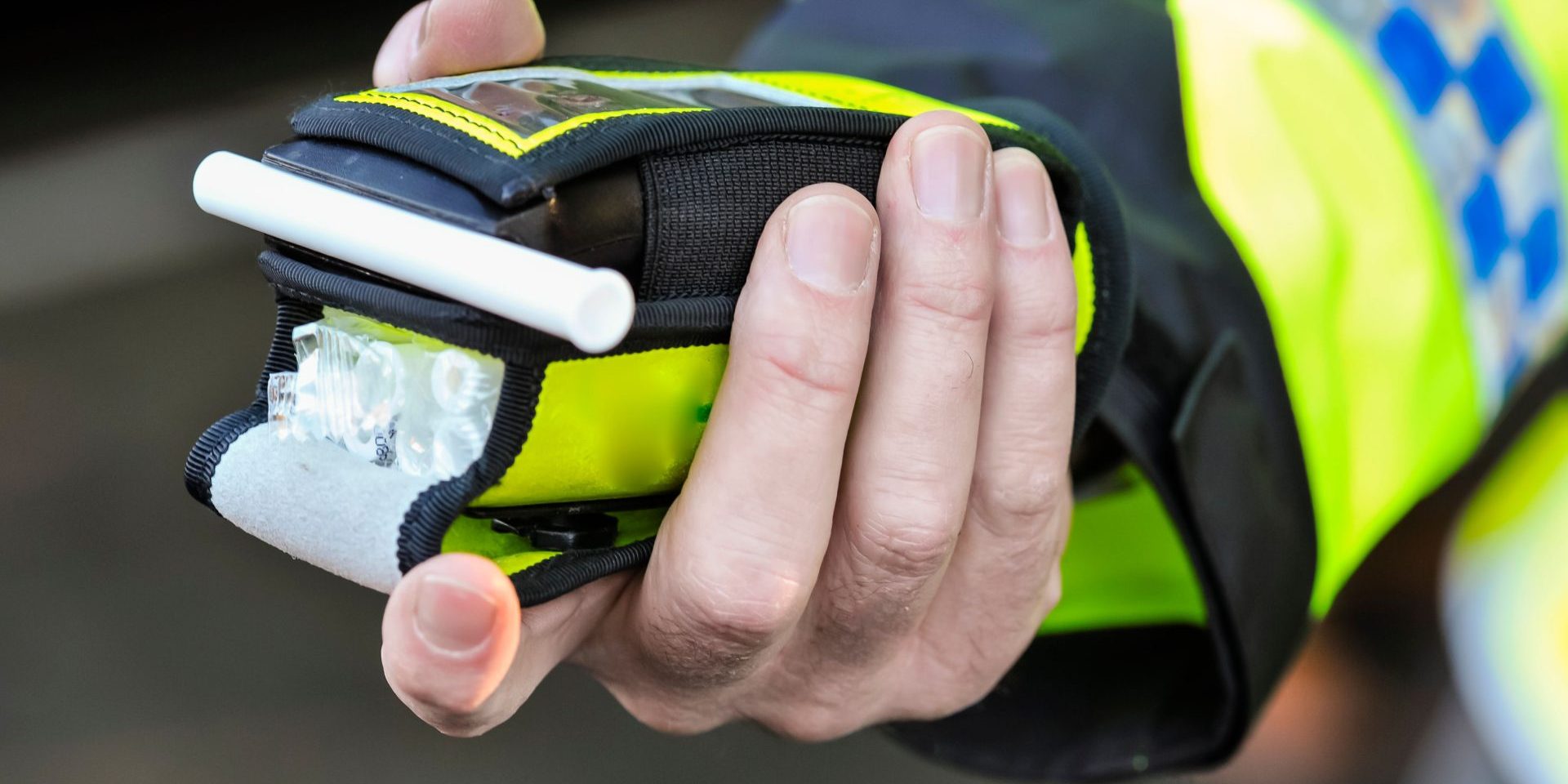
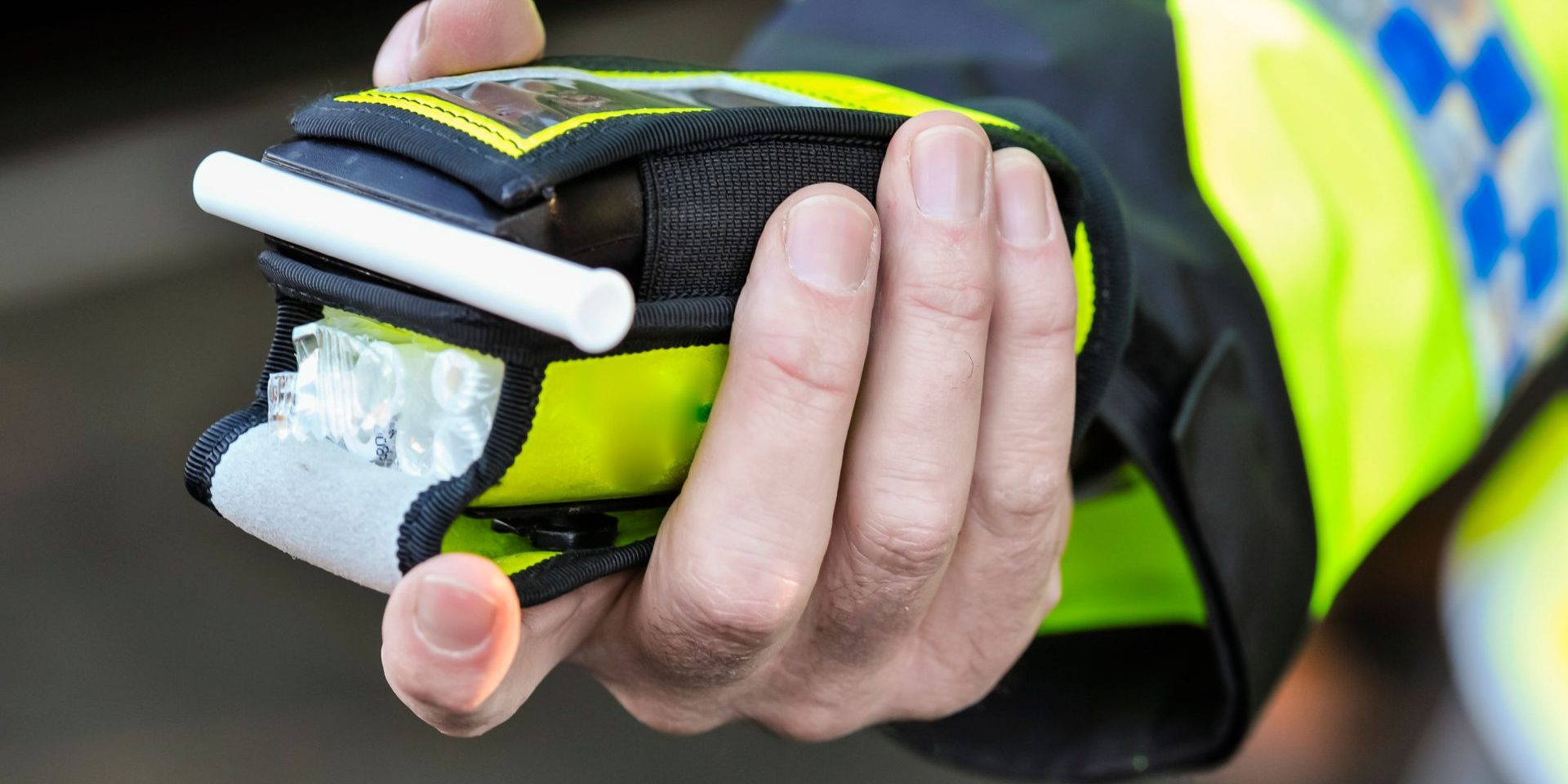
- The Department for Transport is consulting on cutting the drink-drive limit in England and Wales from 80mg to 50mg of alcohol per 100ml of blood, the first change to the limit in almost six decades.
- England and Wales currently share the highest drink-drive limit in Europe. Scotland moved to the lower 50mg limit back in 2014, and most of the rest of Europe already sits at 50mg or below.
- An estimated 220 people died in drink-drive collisions across Great Britain in 2024, and the strategy behind the proposal sets a target of cutting all road deaths by 65 percent by 2035.
What one fewer drink could mean for every driver in England and Wales
The maths behind a drink-drive limit sounds abstract until it is applied to an actual evening out. Under the current 80mg limit, a man of average build can typically drink two pints of regular-strength beer and stay under the line, give or take factors like body mass and how recently he has eaten. Cut that limit to 50mg, the figure the Department for Transport is now consulting on, and the same calculation points to one pint, or a single large glass of wine, before the risk of a ban begins. For millions of ordinary drivers who have a drink with a meal and then get behind the wheel, that is the practical difference the government’s road safety strategy is asking the country to accept.
A limit set in 1967 and never moved
England and Wales set their drink-drive limit at 80mg of alcohol per 100ml of blood in 1967, and it has not moved once in the decades that followed. That leaves the two nations sharing the highest legal limit in Europe alongside Malta. Scotland broke away from the rest of the UK back in 2014, cutting its own limit to 50mg, in line with the level already used across most of the continent, including France, Germany, Italy and Spain. Northern Ireland has debated a similar move for years without acting on it. The gap means a driver who has a drink at a pub just south of the Scottish border is operating under different rules than a driver doing the same thing a few miles north, an inconsistency road safety campaigners have raised with ministers repeatedly.
The Department for Transport published its road safety strategy on 7 January 2026, the first strategy of its kind in more than a decade, and launched five linked consultations covering drink-drive limits, mandatory eyesight testing for older drivers, and wider use of alcohol interlock devices for people convicted of drink-driving. All five consultations closed on 11 May 2026. Officials have not yet published a final decision on the drink-drive proposal, though the strategy’s headline target, a 65 percent cut in road deaths by 2035 and a 70 percent cut for children under 16, gives ministers a clear incentive to act on measures that data suggests will move the numbers.
The death toll behind the proposal
Four people die on average every day on Great Britain’s roads. There were 1,602 road deaths in 2024, a small fall on the 1,624 recorded in 2023. Within that total, government estimates put drink-drive deaths at between 190 and 250 for 2024, with a central estimate of 220, a 16 percent fall on the 260 estimated for 2023. That improvement sits against a longer-term trend campaigners describe as a plateau: after decades of steady decline from the 1980s onward, drink-drive deaths in Great Britain have barely moved for the past ten years, hovering in the low 200s while other road safety measures such as seatbelt enforcement and vehicle safety standards have continued to bring other categories of death down.
That plateau is the evidence base ministers are using to justify a lower limit. Countries that moved from 80mg to 50mg, including France and a number of other European nations, recorded measurable falls in drink-drive deaths in the years that followed the change, largely by catching the drivers just over the old limit who would previously have been legally entitled to drive home.
The other measures riding on the same strategy
The drink-drive limit is not the only change bundled into the January strategy. A separate consultation, which also closed on 11 May 2026, proposed replacing the current self-declaration system for eyesight standards with mandatory tests carried out by an optician every time a driver aged 70 or over renews their licence. A third strand proposed ordering more convicted drink-drivers to fit alcolock devices, breathalysers wired into the ignition that prevent the engine starting unless the driver blows clean, and a fourth proposed a near-zero 20mg limit specifically for new and newly qualified drivers, regardless of age. New powers to suspend a licence immediately when police suspect a driver is over the limit, rather than waiting for a court date, complete the package.
None of these measures has been confirmed into law. All sit at the stage where the government has consulted, closed the consultation, and not yet published a formal response setting out which proposals will proceed, in what form, and from what date.
How road safety groups are reading the numbers
Road safety organisations have pushed for a lower limit for years, pointing to the gap between England and Wales and the rest of Europe as evidence the current line was set for a different era of driving and drink-driving enforcement. Breathalyser technology, roadside testing capacity and public understanding of how alcohol affects reaction times have all moved on considerably in the six decades that followed 1967, while the legal limit itself stayed fixed. Campaign groups argue that a driver who tests just under 80mg is still measurably slower to react and more likely to misjudge speed and distance than a driver with no alcohol in their system at all, and that the current limit sets the bar for legal driving well past the point where impairment begins.
Not everyone welcomes the change. Sections of the hospitality industry have warned that a lower limit could reduce spending in pubs and restaurants in rural areas, where driving is often the only practical way to reach a venue. The government’s own impact assessment for the strategy weighs that economic concern against the projected reduction in deaths and serious injuries, and ministers have so far indicated the safety case takes priority, without yet confirming a final position.
What to do while the limit still sits at 80mg
Nothing changes for drivers today. The 80mg limit remains the law in England and Wales until Parliament passes new legislation, and no date for that has been set. The practical step worth taking now is to stop relying on the old limit as a guide to what is safe, given how directly it is under review. Breath alcohol calculators, including the free tool on the NHS website, let a driver check roughly where a given number of drinks would put them against both the current 80mg limit and the proposed 50mg one, using body mass, sex and drinking speed as inputs. Given how close a single strong drink can sit to the new line, and how much individual variation there is in how quickly alcohol clears the body, the only figure worth trusting completely is zero.
Drivers who want to track when the government publishes its formal response can check the consultation page directly on gov.uk, which will be updated once ministers confirm which of the five proposals move forward and set a commencement date for any change to the law.
Insurers are watching the same consultation closely, and some have already indicated that a lower national limit would simplify how they price risk for drivers who split their time between England, Wales and Scotland, where the two different limits currently sit side by side on the same road network.
Sources:

Leave a Comment
More in News
HMRC Fuel Duty Rises Will Add £2.75 to Every Tank of Petrol by March

Is a Pickup Truck a Car?
Tool Theft Now Costs UK Tradespeople an Average £2,646, Simply Business Reveals

How to Appeal a Parking Fine (and Actually Win Your Case)

Birmingham’s Clean Air Zone Has Now Raised £57 Million From Non-Compliant Drivers
Trending on Motoring Chronicle

Why Oregon Drivers Face Some of the Nation’s Steepest Insurance Hikes in 2026

11 Winter Checks You Can Do In 10 Minutes

The Bugatti Destrier makes its public debut at Monterey Car Week
What Really Fails Britain’s Cars Their MOT (and How to Cut Your Re-Test Risk)
