
DVSA Photo Checks Begin at 2,500 More Garages to Catch Fake MOT Passes
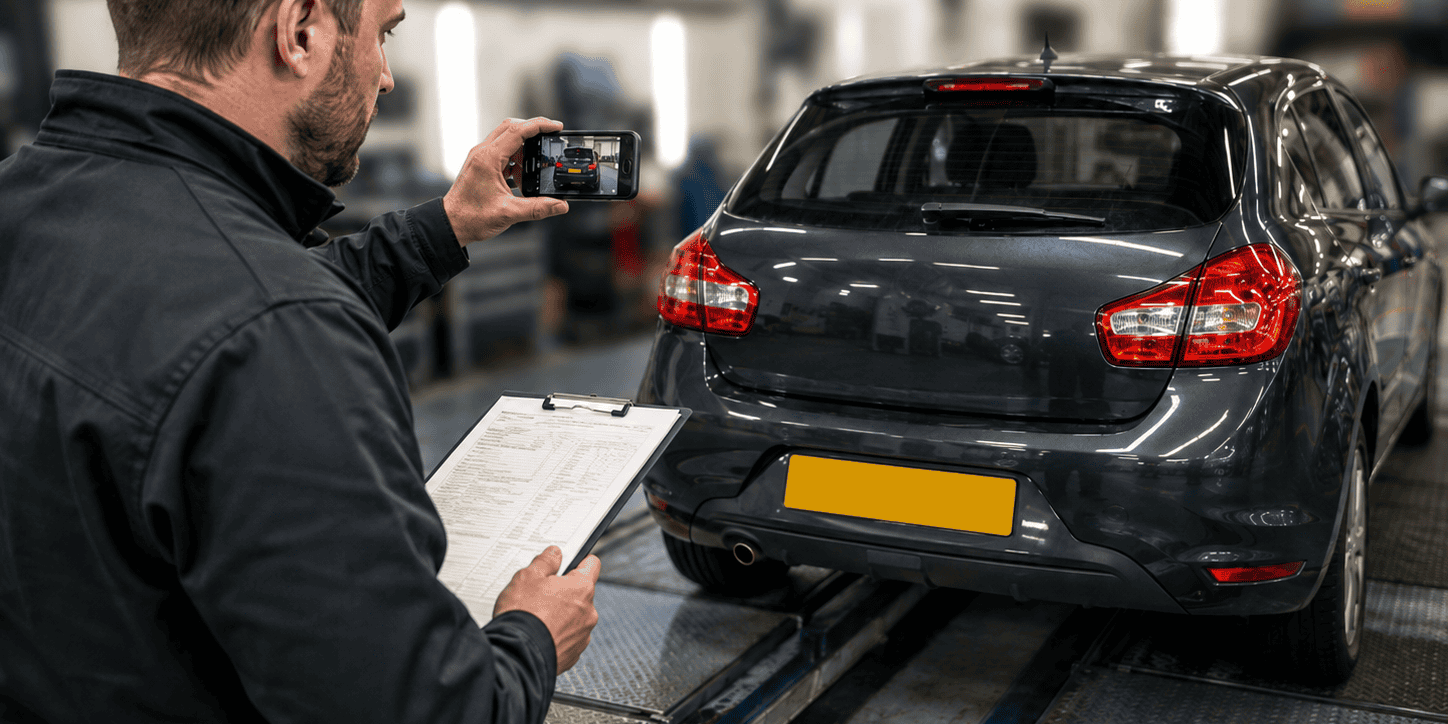
Somewhere between 50,000 and 100,000 MOT certificates are issued in Great Britain each year for cars that were never physically inspected, according to the Driver and Vehicle Standards Agency’s own estimate, out of roughly 30 million MOT tests carried out annually across the country. These “ghost tests” account for four out of every five MOT frauds the agency catches, and until now the only proof a car ever entered a test bay has been the tester’s word.
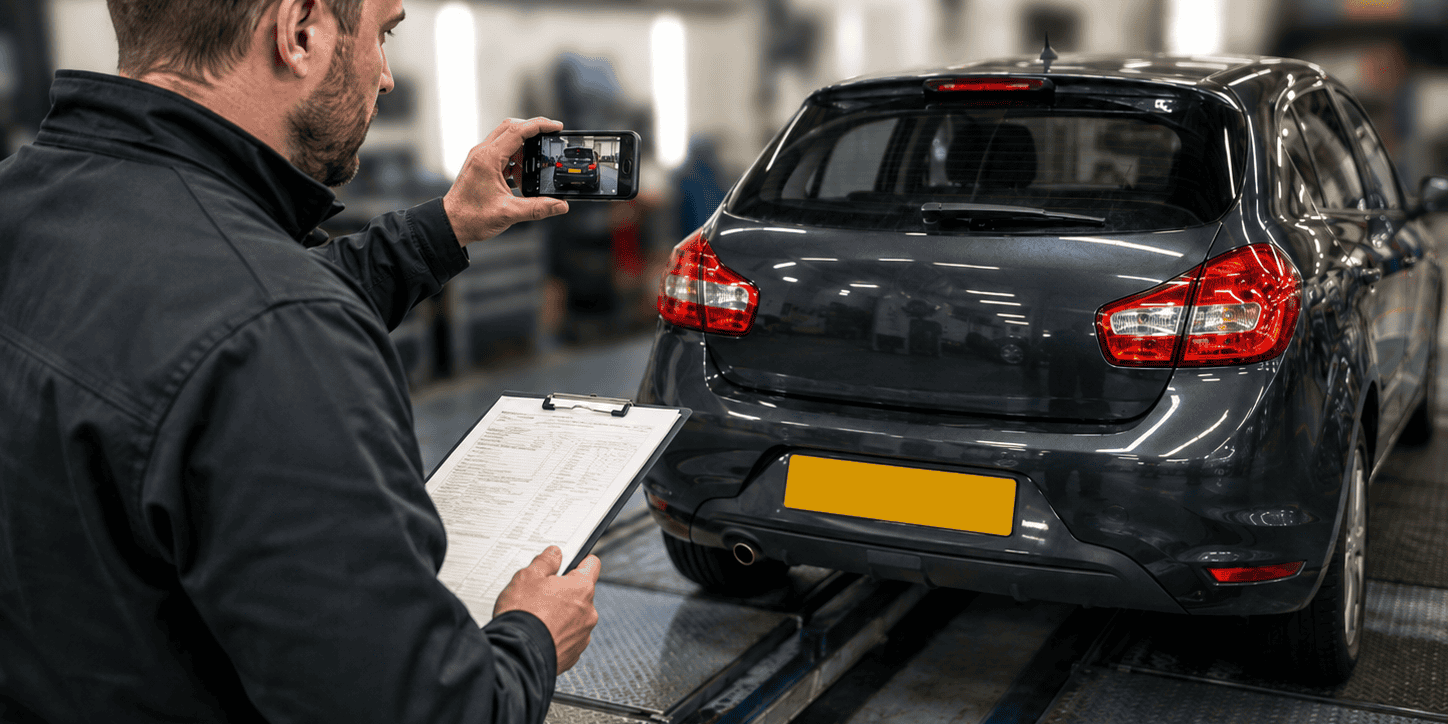
That is starting to change. From 3 August, the DVSA is switching on its “Photos at Test” feature for a further 2,500 garages across the country, requiring testers to photograph a vehicle as part of the MOT record. A trial run at more than 300 garages saw over 60,000 photographs uploaded with no measurable slowdown to testing times, and the DVSA now wants the feature live nationwide before it eventually becomes compulsory.
The fraud that leaves buyers driving blind
A ghost MOT works like this: a tester logs into the MOT Testing Service, enters a registration plate, ticks the boxes for a pass, and issues a certificate without the vehicle ever coming near the garage. No brakes checked, no tyres checked, no corrosion checked. The car’s actual owner might never know, and neither will the next buyer who sees a clean MOT history and assumes it means the car is roadworthy.
The scale of the problem only came into clearer view once the DVSA began cross-checking test records against other data sources, including vehicle location data and garage booking systems, and found patterns that a genuine inspection could not explain: certificates issued in minutes, testers logging passes for cars registered at addresses hundreds of miles from the garage, and vehicles “tested” on days the garage was closed.
The real damage lands on second-hand buyers. A car with worn brake discs, a corroded subframe, or bald tyres can carry a certificate saying it passed every safety check a week earlier, when the test that produced that certificate never happened at all. Trading Standards and the DVSA have both linked ghost MOTs to used cars later found with defects serious enough that they would never have passed a genuine inspection.
Why testers do it
Most ghost MOTs are not the result of a single rogue tester acting alone. Investigators looking into confirmed cases have found a familiar pattern: a garage under pressure to keep customers happy issues a pass to avoid losing business to a competitor down the road, or a tester is paid per certificate processed and finds it faster to skip the inspection for a regular customer whose car “always passes anyway.” Neither excuse holds up against the actual purpose of the test, which exists to catch the failures nobody expects, not just confirm the ones everybody already knows about.
Some cases are more calculated. A car dealer selling stock quickly needs every vehicle to show a current MOT to shift it off the forecourt, and a cooperative tester at a nearby garage can supply that certificate for a fee, with no vehicle ever making the short trip between the two premises. The buyer who drives that car away has no way of knowing the pass was bought rather than earned.
How the new photo system is supposed to work
Garages using phones or tablets can upload a photo directly once a vehicle is checked into the testing system. Workshops running from a desktop computer instead get a QR code that a tester scans on a mobile device to attach the image to the vehicle’s record. The DVSA says the process adds no meaningful time to a standard test once staff are used to it.
Photos are not yet mandatory even at garages with access to the feature, and the DVSA has been clear that this rollout is a step toward a future requirement rather than the requirement itself. That gap between “available” and “compulsory” leaves an opening: garages already inclined to cut corners can simply choose not to use the new tool, and nothing in the current rules forces their hand until a mandatory phase is confirmed.
Garages that lose the most from a crackdown
Testers or garages caught issuing ghost MOTs face unlimited fines, permanent loss of their MOT authorisation, and criminal prosecution for fraud, which in the worst cases can mean prison. Honest garages have as much to gain from the photo system as drivers do, as a documented, photographed test record protects a legitimate business from being lumped in with the small number of testers abusing the system.
The DVSA has not published a breakdown of which regions have the highest rate of suspected ghost tests, though its enforcement notices over the past two years have repeatedly named garages stripped of their authorisation after certificates were issued for cars that were demonstrably elsewhere, or that did not exist on the road at all, at the time of the alleged test. In several confirmed cases the vehicle in question had already been scrapped or exported months before the certificate date, a detail investigators only picked up once DVLA and DVSA records were compared side by side.
How to fight back
Before buying any used car, run its registration through the free MOT history checker at gov.uk/check-mot-history. This shows every test the car has had, the mileage recorded at each one, and any advisories or failures. Treat a suspiciously short gap between a failed test and a passed retest, or a pass recorded on a date the seller says the car was elsewhere, as a reason to ask more questions before handing over money.
Compare the mileage recorded at the most recent MOT with the mileage shown on the odometer at a viewing or on a test drive. A mismatch, however small, is worth raising directly with the seller, and a seller who cannot explain it is a seller to walk away from.
Ask to see the test station’s name and address on the certificate, and check whether it is a real, currently authorised MOT centre using the same gov.uk lookup tool. A test carried out at a station many miles from where the car has always been kept and serviced is not proof of fraud on its own, but it is a detail worth asking about, and a seller who cannot say why a particular garage was used deserves more questions before you hand over any money.
If you believe a car you have bought was issued a certificate without a genuine inspection, you can report it directly to the DVSA, which investigates ghost test allegations and can, in confirmed cases, void the certificate and open enforcement action against the garage responsible. Buyers who paid for a car on the strength of a fraudulent pass could also have grounds for a claim against the seller under consumer protection law, separate from any DVSA enforcement action.
It is worth booking your own MOT and any pre-purchase inspection at a garage you have chosen yourself, rather than accepting a certificate the seller already holds or a test carried out at a garage the seller recommends. An independent inspection, even one you pay for out of your own pocket before completing a purchase, is the single most reliable way to know what condition a car is really in, photo upload feature or not.
For more on problems inside the MOT system, read our earlier reporting: The MOT Loophole That Lets Garages Add £950 to Your Repair Bill and Why Your Next MOT Booking Could Take Weeks Longer Than It Used To.
Sources:
- https://mattersoftesting.blog.gov.uk/photos-of-vehicles-at-mot-sharing-the-results-from-our-first-trial-with-garages/
- https://motester.co.uk/dvsa-begins-national-rollout-of-mot-vehicle-photos-to-tackle-fraud/
- https://www.gov.uk/check-mot-history

Leave a Comment
More in News

Newcastle Drivers Paid £3.7 Million in Parking Enforcement as Council Income Jumps 23 Percent

Coventry Drivers Paid £5.4 Million in Parking Charges as Council Surplus Jumps 80 Percent

What Your Rights Actually Are When a Garage Overcharges or Botches a Repair
£625 Million of Detected Motor Fraud Costs Honest Drivers, ABI Figures Show

BYD Dolphin-G review: UK’s first plug-in hybrid supermini is a winning package
Trending on Motoring Chronicle
Virginia County Launches School Zone Speed Cameras With $100 Fines Starting in August

Jeep Recalls 1.08 Million Wranglers and Gladiators Over a Parked Car Fire Risk

BYD FLASH Charging Adds 223 Miles in Five Minutes, UK Debut in DENZA Z9 GT

New Audi A6 Allroad Arrives as Plug-In Hybrid for the First Time
