- A Brake survey of 3,000 UK adults found 61% say drivers owe extra care to the road users most at risk, while 62% rate their own road use as safe and blame other people.
- Highway Code Rule H1 puts the greatest responsibility for safety on the people in charge of the vehicles that can cause the most harm, and that includes car drivers.
- Three habits follow from the Code: wait for pedestrians at junctions, leave at least 1.5 metres for a cyclist, and never wave anyone across a zebra crossing.
Why Nearly Two Thirds Think the Problem Is Someone Else
Most adults agree that drivers owe extra care to the people who walk, wheel and ride beside them, and a slightly larger share says the danger on the road comes from other people. Brake, the road safety charity, had OnePoll put questions online to 3,000 UK adults in October 2026. 61% said drivers owe extra care to road users more vulnerable than themselves. 62% agreed that they use the roads safely and that other people are the problem.
Side by side, the two figures show nearly two thirds of adults rating their own road use as safe while a similar share says drivers need to take extra care. Only 8% disagreed with the statement that other people are the problem, 28% neither agreed nor disagreed, and 22% agreed strongly. The sample backed the idea of shared duty by a wide margin: 90% said road safety is a duty all road users share, and 66% said anyone on the road deserves protection from risks already known.
For a driver the gap has a practical meaning, and the Highway Code gives a clear starting point. Brake revealed the results on Sunday 15 November to open Road Safety Week, which runs to 21 November, with this message:
“Road crashes are not just something that happens to other people. We all have a role to play in keeping each other safe,” says Brake.
What the Survey Shows About Each Group on the Road
Cyclists come out as the group people worry about most. More than half of respondents, 52%, rate roads as unsafe for people on pedal bikes and e-bikes, and 42% feel that way about cycling themselves. One in five, 20%, would cycle more if the roads felt safer, and 40% say cyclists need more protection. Cycling is a minority habit in the sample: 9% cycle every day or often, and 57% never do.
Walking is the habit most respondents share. In the survey 76% walk every day or often, 23% rate roads as unsafe for people on foot, 38% say pedestrians need more protection, and 43% want more safe places for walking and cycling.
Almost half of respondents see roads as unsafe for riders and passengers on motorbikes, and 30% say motorcyclists need more protection.
The survey also asked about two further groups. 44% rate roads as unsafe for wheelchair and mobility scooter users, and 28% feel unsafe as users themselves. 30% feel unsafe on a horse. On the wider questions, 84% call road safety a public health issue and 85% worry about a loved one being caught up in a crash. Brake also found that 32% of respondents know someone affected by a serious or fatal crash involving a pedestrian, cyclist or motorcyclist.
What the Highway Code Says About Who Carries the Duty
The Code answers the question the survey leaves open. Rule H1 sets out the hierarchy of road users, which places the people most at risk in a collision at the top. Pedestrians, cyclists, horse riders and motorcyclists are the road users most likely to be injured, and children, older adults and disabled people face more risk again. The rule then assigns the duty. The more harm a vehicle can do in a collision, the heavier the responsibility on whoever is in charge of it to take care and cut the danger it poses. The Code names lorry and bus drivers, van and minibus drivers, car and taxi drivers and motorcyclists as the people this applies to most strongly.
Rule H1 spreads some duty wider. Cyclists and horse riders, along with anyone driving a horse drawn vehicle, share the job of reducing the risk they pose to people on foot, and every road user, pedestrians included, still has to look out for their own safety and other people’s. The Code adds a reminder that suits every junction: the people you meet can have impaired sight, hearing or mobility, and that can be hard to spot. Brake’s chief executive makes the same point.
Ross Moorlock, CEO of Brake, said: “Road safety should not be a political battleground or a debate that pits different road users against one another.”
Moorlock continued:
“Whoever we are and however we travel – whether we walk, wheel, ride or drive – we all have a role to play in keeping roads safe. But we must also recognise that those with the greatest potential to cause harm carry the greatest responsibility for protecting others.”
He added:
“As a charity that supports thousands of road victim families every year, we sadly know too well how road crashes devastate the lives of everyone involved.”
He closed with:
“Rather than political point-scoring or divisive narratives about a ‘war on motorists’, the focus should be on following the evidence to address an important public health issue and prevent the devastating deaths and serious injuries that continue to happen on our roads every day.”
The casualty figures match the Code’s list of those most at risk. Across the UK in 2025, Brake counts 31,040 people killed or seriously injured, using Department for Transport and Police Service of Northern Ireland data. The split: pedestrians 6,535 (21%), cyclists 4,456 (14%) and people on motorbikes 6,227 (20%), which together make 55% of the total. That total rose 4% on 2024, the highest annual total in seven years and the 10th year in a row without significant improvement.
What Drivers Can Do at Junctions, Crossings and Overtakes
The Code turns the duty into specific actions, and three cover most of the situations in the survey.
At a junction, wait for the pedestrian. Rule H2 says to give way to anyone crossing, or about to cross, the road you are turning into or leaving, and Rule 170 adds that a pedestrian who has started to cross has priority. The Code counts wheelchair and mobility scooter users as pedestrians. Rule 170 also reminds drivers that cyclists, motorcyclists and pedestrians are not always easy to see and might not have seen or heard a car approaching from behind.
Do not cut across a cyclist going straight ahead. Rule H3 rules out any turn that would make a cyclist going straight ahead stop or swerve, and tells drivers to hold back until a safe gap opens between cyclists. The Code lists when that applies: as cyclists approach, pass or move off from a junction, as they move past or wait alongside stationary or slow-moving traffic, and as they travel around a roundabout. Rule 170 asks drivers to stay behind cyclists, horse riders and motorcyclists at junctions even when they wait to turn close to the kerb. At traffic lights, what the bike box rule requires is a related duty at the same junctions.
Leave the space. Rule 163 asks for at least 1.5 metres when overtaking a cyclist at up to 30mph and more at higher speeds. A horse rider or horse drawn vehicle needs at least 2 metres with the car under 10mph, and a pedestrian walking in the road needs at least 2 metres at a low speed. The Code asks for extra care and more room at night and in bad weather, which includes high winds, and tells drivers to wait behind when they cannot meet the clearances. The full set of distances is in our guide to the gap for passing cyclists.
At a zebra crossing, slow down and stay still. Rule 195 tells drivers approaching a zebra crossing to scan for people at the kerb and be ready to slow or stop. Drivers must give way once a pedestrian has moved onto the crossing and should give way to anyone waiting. Never wave, flash headlights or sound the horn to send pedestrians across, a signal that can be dangerous when another vehicle is approaching. A horn or a revving engine also feels intimidating to the person waiting. A parallel crossing adds a cycle route beside the stripes, and drivers give way to waiting pedestrians and cyclists there too. Our guide to giving way at a zebra crossing covers the rule in more detail.
What to Watch This Week
Road Safety Week runs to 21 November, and Brake has made a free action pack of resources available to everyone who signs up, with guidance, ideas and facts to share. Schools, organisations, communities and individuals by the thousand have signed up, and Brake puts the reach at more than four million people. The theme is Safe People on the Move.
The survey records attitudes. Nearly two thirds of adults rate their own road use as safe, and the Highway Code gives drivers three places to test that belief: the next junction, the next crossing and the next cyclist ahead.
Want more car content? Add us as a preferred source on Google to your favourites list for the best automotive news and analysis on the internet.
If you enjoyed this article, be sure to follow us on Microsoft Start.
Sources
- Brake: “We must protect our most vulnerable road users” says Brake’s CEO at the start of Road Safety Week
- Brake: Safe People on the Move, Road Safety Week 2026 survey results
- GOV.UK: The Highway Code, Introduction
- GOV.UK: The Highway Code, Using the road (159 to 203)
Reviewed by Preetam Gadekar

Leave a Comment
More in News

What OZEV’s 20% Audit of Electric Car Grant Orders Means for Every Buyer
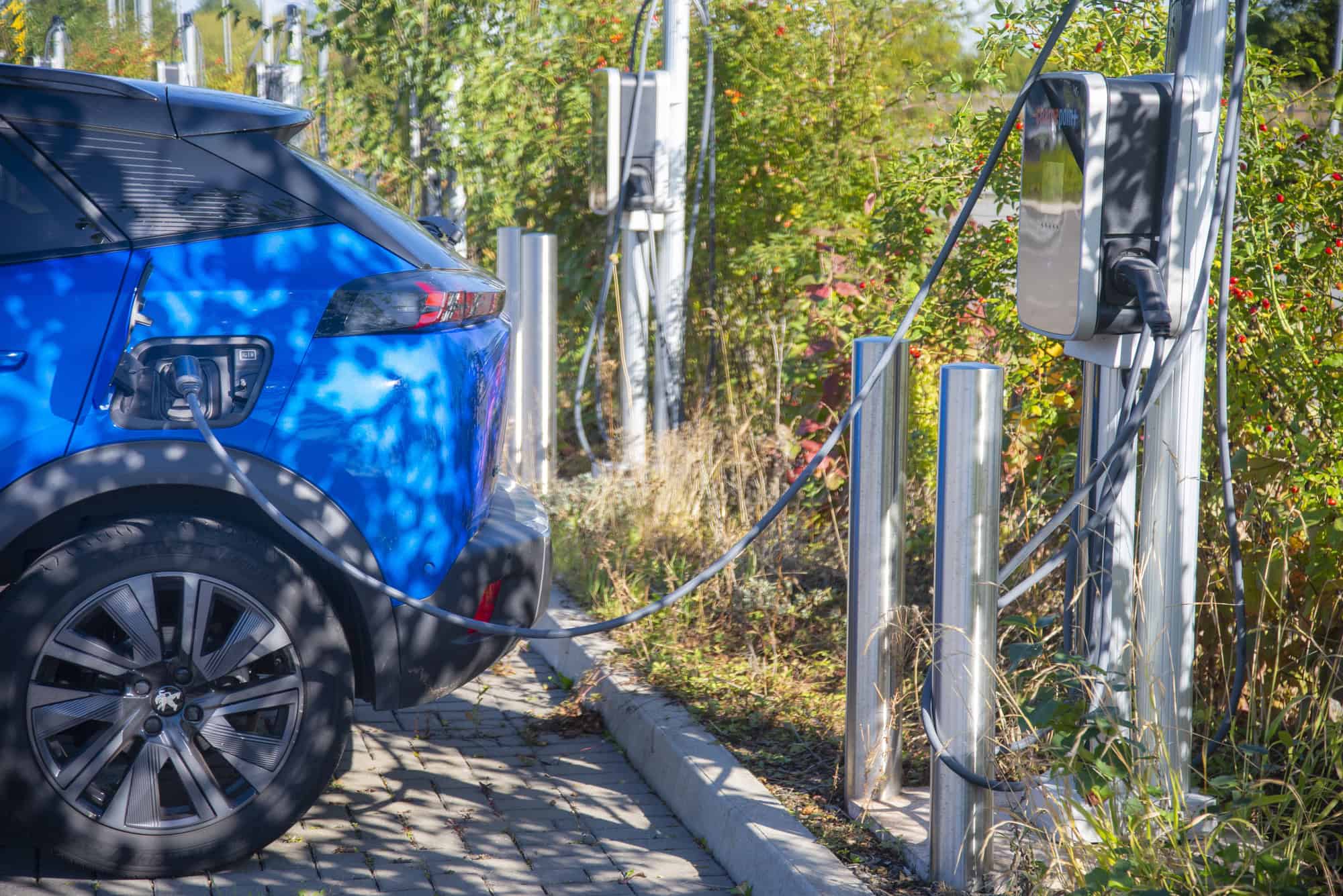
Councils Decide Whether Almost 4 Million English Homes Without Driveways Can Charge Across Pavements
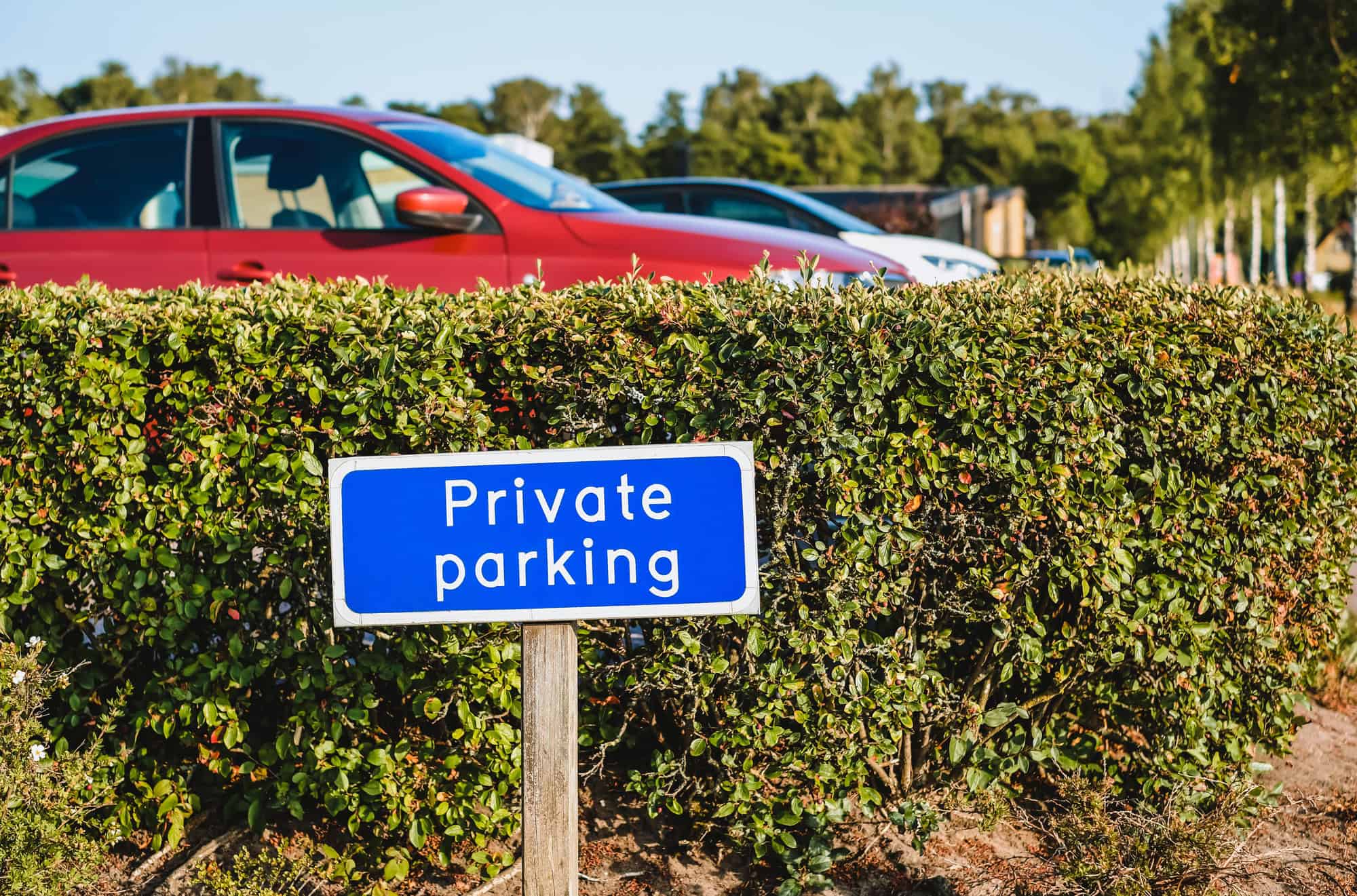
How Drivers Who Moved House Can Challenge a Parking CCJ for £321
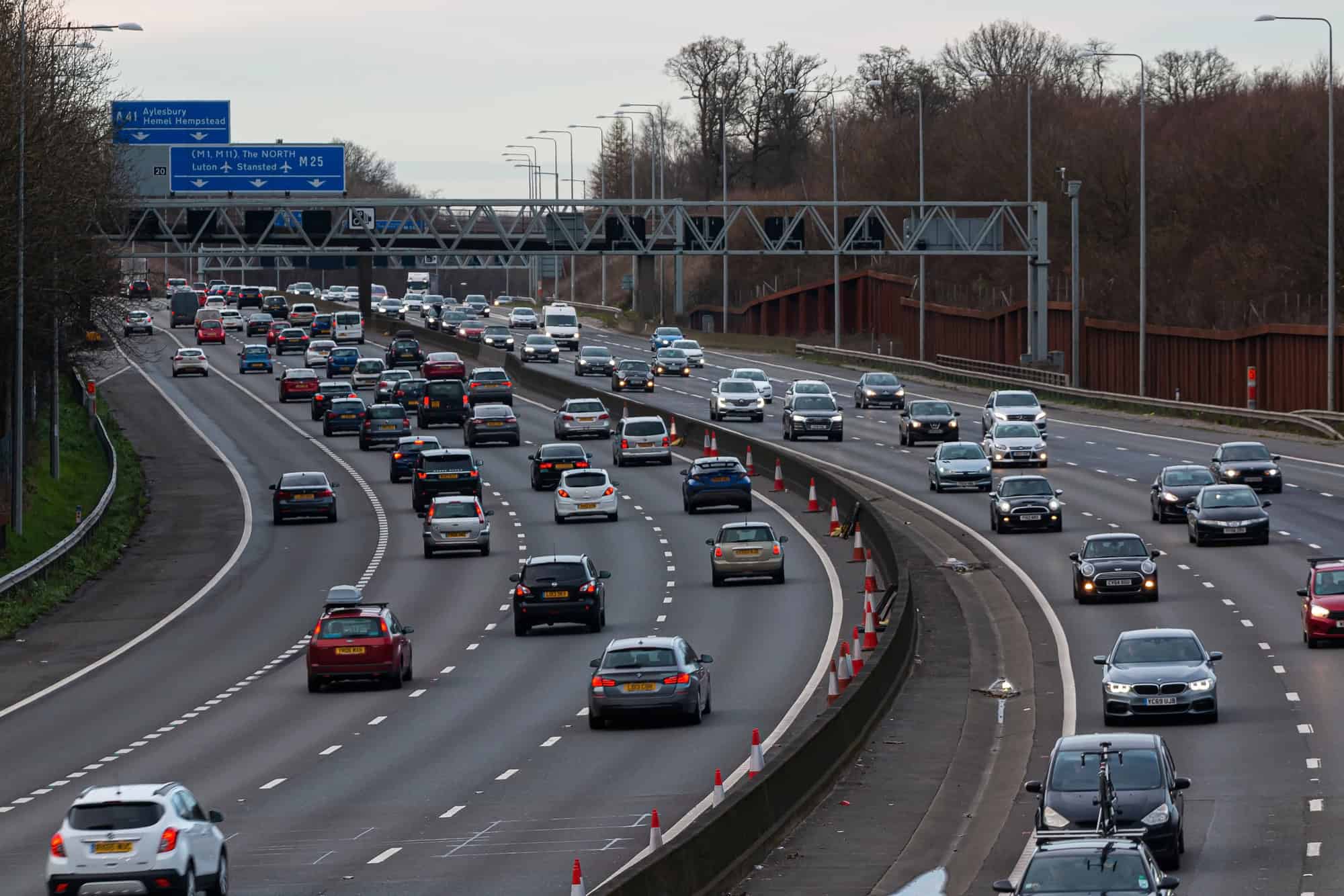
What Revoked Home Office Approval for 154 Motorway Speed Cameras Means for Every Driver
Cupra Born Recall Hits 486 EVs, With an 80% Charge Limit Until Fixed
Trending on Motoring Chronicle

Vibrant in Violette – a hue from Bentley’s past

DfT Could Add 5 to 10 Points for Drivers Failing to Stop for Police

Florida woman parks $80,000 BMW in 30-minute spot. Minutes later, her car gets towed. That’s not the worst part: ‘It’s already throwing codes’

Every Driver With a Ghost Plate Risks £1,000 as New AI Cameras Spot Them