
What Happens to Car Tax When Buying a Used Car (and the £80 Fine)

- Vehicle tax does not transfer to the buyer of a used car: DVLA cancels it once the seller reports the sale.
- A buyer taxes the car before the first drive, online with the 12 digit reference from the green new keeper slip or by phone on 0300 123 4321, or declares it off the road with a SORN.
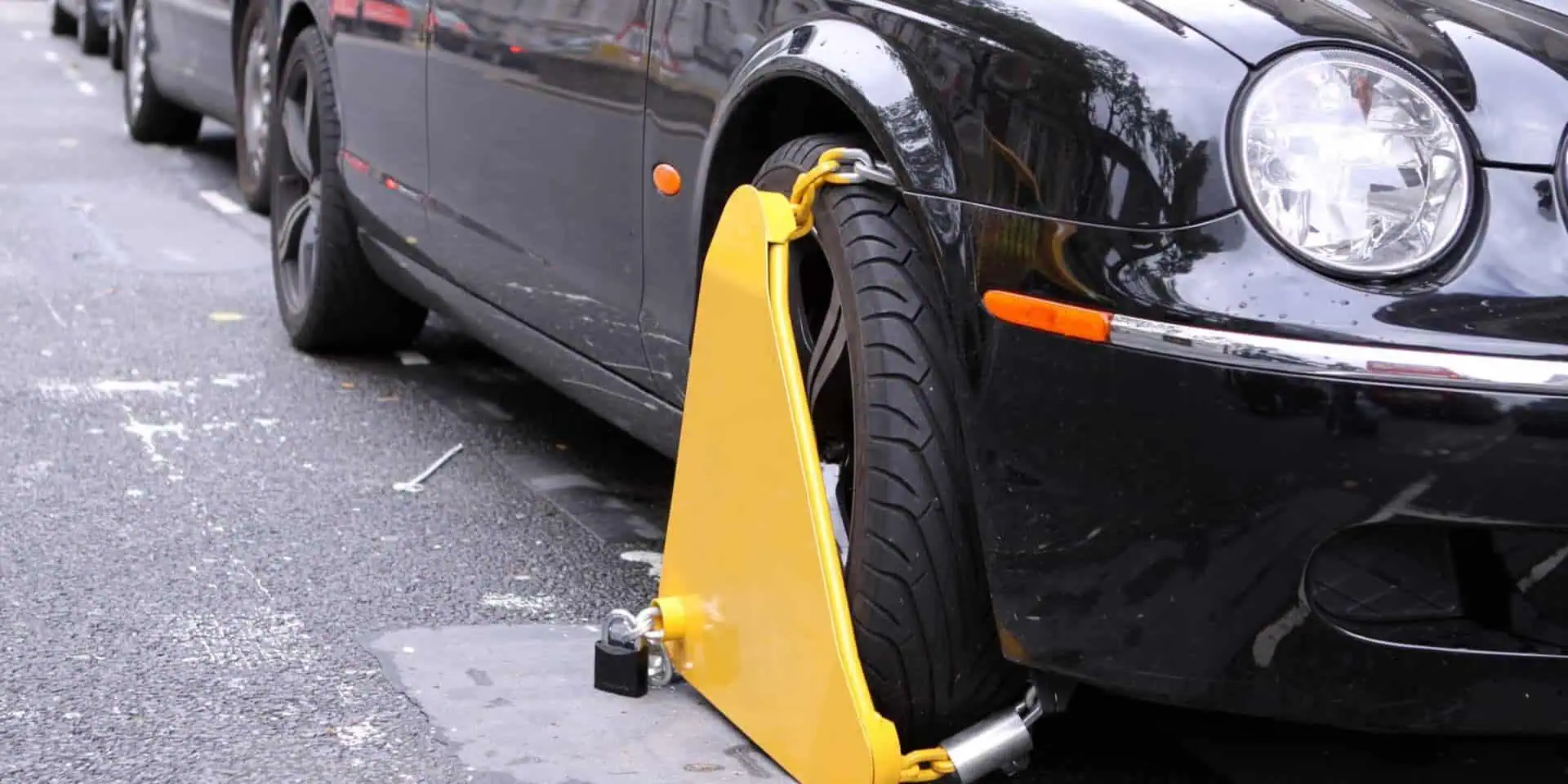
- A car with no tax and no SORN draws an automatic £80 ($107.20) fine plus the tax owed, and more than 150,000 untaxed vehicles were clamped in 2025.
Handover Day Is When Your Own Tax Duty Starts
Vehicle tax does not travel with a used car. The seller reports the sale to DVLA, DVLA cancels the tax, and the buyer takes ownership of a car with none. Before the new keeper drives it anywhere, the car has to be taxed in the buyer’s name, or declared off the road with a SORN. DVLA words the rule bluntly: the buyer taxes first and drives second, and nothing carries over from the previous keeper.
The seller has a money reason to report the sale quickly. Once DVLA has the report, the seller’s tax is cancelled, any Direct Debit stops by itself, and every full month left on the tax comes back as a refund cheque addressed to the keeper named on the log book. DVLA counts those months from the day the report arrives, so a seller who waits loses ground. The buyer cannot assume a single valid day of tax on the car, whatever was said at the viewing.
Timing adds a wrinkle. DVLA’s online sale report runs from 7am to 9pm Monday to Friday and from 7am to 8pm on Saturday and Sunday, so a handover after 8pm on a Saturday cannot be reported online until Sunday morning.
What to Do Before You Drive Away
Ask for the green new keeper slip at handover. It comes from the log book, the V5C, and it carries the 12 digit reference number that lets a new keeper tax the car online before a V5C in the buyer’s name exists. The slip is the single most useful piece of paper in the sale.
With the slip in hand, tax the car online before the engine starts. DVLA’s service takes a reference from one of three documents: the green slip, a V5C already in your name, or a recent tax reminder or last chance warning letter from DVLA. Payment is by Direct Debit, debit card or credit card. A car that is exempt from vehicle tax still has to be taxed, with nothing to pay.
Phone is the fallback. DVLA’s tax line, 0300 123 4321, runs around the clock, and the caller needs the V5C or the slip to hand. Direct Debit cannot be set up on that call, so the payment goes on a card. A Post Office that deals with vehicle tax is the third route: bring the slip or a V5C in your name, and the payment or the bank details for a Direct Debit. The counter can also ask for evidence of the MOT, for example a screenshot of the car’s MOT history or the MOT certificate.
Confirm the result before moving the car. DVLA offers an online check that shows whether a vehicle is taxed, and the buyer can choose to receive future reminders by text or email through the Driver and vehicles account. The order on handover day is short: get the slip, tax the car, run the check, then drive.
No Slip, No Tax: The £25 Route
A buyer without the slip cannot tax the car at all. DVLA’s instruction to a new keeper in that spot is to apply for a new V5C by post, using a form that is also available at a Post Office. A new V5C costs £25 ($33.50). A buyer who has been handed a car with no log book at all applies for a vehicle registration certificate on form V62.
Until the paperwork arrives, the car stays parked. A SORN is the legal way to keep a bought car off the road in the meantime, and it does not carry over from the previous keeper, so the buyer files a fresh one.
The £25 and the wait are the price of a missing slip. That makes the green slip worth asking for before the money changes hands: a seller who cannot produce it leaves the buyer on the postal route.
What the Tax Costs a Buyer
The first tax payment on a car is based on CO2 emissions and is paid when the vehicle is first registered, covering 12 months. A used car is past that point, so its new keeper pays the standard rates. For a car first registered from 1 April 2017 onward, one payment covering 12 months costs £200 ($268.00), twelve monthly Direct Debit instalments total £210 ($281.40), one payment covering six months costs £110 ($147.40) and six months by Direct Debit costs £105 ($140.70). Cars registered earlier follow other rate tables, and the breakdown of what car tax bands mean shows which band a car sits in.
The Direct Debit sums are worth a look. Twelve monthly payments cost £10 ($13.40) more than paying £200 in one go, which is the price of spreading the cost. Six months by Direct Debit, at £105, comes in £5 ($6.70) under the single £110 payment. Tim Moss CBE, DVLA Chief Executive, said: “Having your vehicle clamped is avoidable, as taxing your vehicle is quick and easy to do. You can also pay by Direct Debit, which helps make sure you stay on top of renewals and lets you spread the cost if you want to.”
Expensive cars carry an extra charge that can still apply to a used buyer. A car with a list price above £40,000 ($53,600), or an electric car with a list price above £50,000 ($67,000), adds £440 ($589.60) a year, which makes the 12 month payment £640 ($857.60) and the 12 monthly Direct Debit total £672 ($900.48). A zero emission car registered before 1 April 2025 does not pay the extra charge. The extra rate runs for five years from the second time the car is taxed. The list price is the published price before the first registration and before any discount, so the buyer of a used car should check it before agreeing the price. More on who pays the charge sits in the report on the £40,000 car tax charge.
What Untaxed Driving Costs
A car with no tax and no SORN draws an automatic £80 ($107.20) fine. That equals 40 percent of the £200 twelve month payment. The DVLA penalty letter states the amount and the deadline, and the tax owed for the period without tax is added to what the keeper pays. A fine that goes unpaid can lead to the car being clamped or crushed, the details being passed to a debt collection agency, or a court case. Paying the fine does not settle the tax: the car must still be taxed and insured, or declared off the road, afterwards.
The numbers show how often it happens. DVLA estimates that 98.7 percent of vehicles used on the road are taxed, and more than 150,000 untaxed vehicles were clamped in 2025, which works out at more than 410 a day. London recorded 16,557, Manchester 9,174 and Birmingham 7,369. The ten postcode areas in DVLA’s table add up to 56,815 clamps. DVLA can act straight from its records against the keeper of an untaxed vehicle, and a buyer is the keeper of the car. DVLA’s enforcement teams and wheelclamping partners work across the country, and some local authorities and police forces clamp under the Devolved Power Partner scheme.
Tim Moss CBE, DVLA Chief Executive, said: “Most drivers keep their vehicle tax up to date, but if you don’t tax your vehicle on time the consequences can be significant. We remind motorists when their vehicle tax is due and only clamp untaxed vehicles as a last resort.”
An appeal needs proof dated before the offence, for example an acknowledgement letter from DVLA showing the car was taxed or declared off the road. The grounds that fail include lost paperwork, a reminder that never arrived, forgetting, or being away when the tax fell due. A vehicle tax or SORN fine can be paid online. The DVLA payment line, 0300 790 6808, takes payments 24 hours a day, seven days a week.
Checks to Make Before the Tax Goes On
The MOT comes first. The MOT must be valid on the day the tax starts, and a Post Office can ask for evidence of it, such as a screenshot of the car’s MOT history. A car that has only just passed its test can hold things up: MOT information takes up to two days to update, so a buyer who books the test straight after collection might not be able to tax the car immediately. A pass already on record before collection avoids that wait.
A used car also needs the finance check, and the guide to checking for hidden finance covers whether a car with money still owed on it stays with the buyer. Insurance is the third check. DVLA’s fine service covers uninsured vehicles alongside untaxed ones, and DVLA says drivers must meet all their legal obligations before driving. Cover that starts on the day the car changes hands, plus tax confirmed online, leaves the buyer with nothing to explain at the roadside or in the post.
The order for any used car runs like this: the slip first, the MOT and finance checks next, insurance on, then the tax. If the car is not going on the road yet, the SORN goes in instead of the tax payment. Once the online check shows the car as taxed, drive away.
Reviewed by Preetam Gadekar
Sources
- GOV.UK: Tell DVLA you’ve sold, transferred or bought a vehicle
- GOV.UK: Tax your vehicle without a vehicle tax reminder
- GOV.UK: Vehicle tax rates
- GOV.UK: DVLA warns nobody wins as new campaign targets untaxed vehicles
Want more car content? Add us as a preferred source on Google to your favourites list for the best automotive news and analysis on the internet.
If you enjoyed this article, be sure to follow us on Microsoft Start.

Leave a Comment
More in News

Petrol Falls to 37.2% of New Car Sales as Electric Hits 32%, SMMT Shows
Drivers Pay £21 to £31 More a Tank After Three Weekly Falls, DESNZ Shows
Facelifted Volkswagen California Starts at £54,065 Before VAT or £66,334 on the Road
Jaecoo J7 Black Edition Hybrid Costs $2,000 Over Summit AWD at $49,990
Volkswagen Caravelle Seven-Seater Priced From £41,960 Before VAT or £499 a Month on PCP
Trending on Motoring Chronicle

US Car Loan Delinquencies Hit a 32-Year High as Subprime Borrowers Fall Behind

Subaru Recalls 541,000 Ascent, Forester and Crosstrek SUVs Over a Mislabeled Weight Rating

“Heart of Joy” meets snow and ice at the Arctic Circle

What the MOT Headlight Rule Means for Drivers Who Fit Aftermarket LED Bulbs
