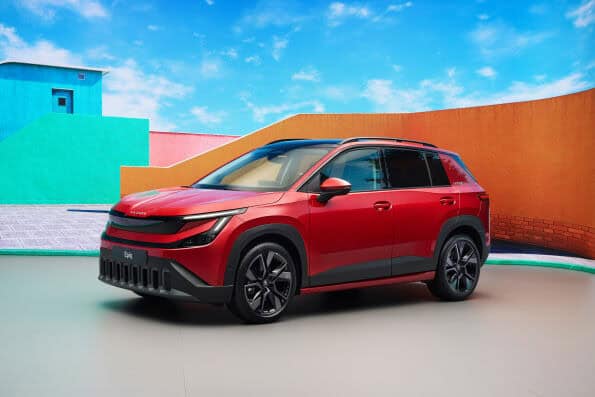
Subaru Recalls 541,000 Ascent, Forester and Crosstrek SUVs Over a Mislabeled Weight Rating


Subaru is recalling more than 541,000 Ascent, Forester and Crosstrek SUVs after discovering the certification label on each vehicle lists the wrong load rating for the rear axle. No part needs to be replaced. The fix is a sticker. But the underlying number on that sticker is what tells owners how much their vehicle, its passengers and its cargo can safely carry, and getting it wrong raises the risk of an overloaded axle failure that a driver would have no way to predict.
What the recall covers
The recall, filed with NHTSA under campaign number 26V436, covers certain 2026 Crosstrek Hybrid models, 2025 and 2026 Forester and Forester Hybrid models, and 2019 through 2026 Ascent models. Subaru of America has not released a state-by-state breakdown of where the affected vehicles were sold, but given how widely these three models sell across the country, owners in every state should check their VIN rather than assume the issue applies only to a specific region or production run.
The problem traces back to the Gross Axle Weight Rating, or GAWR, printed on the certification label typically found on the driver’s door jamb. That number tells an owner the maximum load the front or rear axle can carry safely, accounting for the vehicle itself plus passengers, cargo and anything being towed. Subaru’s investigation found the labels on affected vehicles list an incorrect GAWR for the rear axle, understating or overstating the true limit depending on the specific model and trim.
Why a label error is still a safety recall
An incorrect GAWR label carries real consequences. Federal safety rules assume owners will use that number to decide how much cargo to load into a vehicle before a long trip, a camping run or a haul of construction materials. A family that packs for a road trip based on a label that overstates the true axle capacity could load a Forester or Ascent well past what the axle can actually handle without any visual warning that anything is wrong. An overloaded axle wears unevenly, generates more heat under load and, in a worst case, can fail outright, a scenario NHTSA flags as increasing the risk of a crash, especially at highway speeds or on long downhill grades where brakes and suspension components are already working hard.
Subaru has not linked the mislabeling to any confirmed axle failures, injuries or crashes so far. The recall exists to correct the information before an owner unknowingly exceeds a real-world load limit, and not in response to any wave of failures that has already occurred.
How Subaru plans to fix it
The remedy is about as simple as a recall gets. Subaru will mail owners of affected vehicles a corrective certification label carrying the accurate GAWR figure, along with instructions for applying it directly over the incorrect sticker on the driver’s door jamb. Owners who would rather not do it themselves can bring the vehicle to any Subaru dealer, who will apply the corrected label free of charge. Either way, no mechanical inspection, part replacement or physical repair is involved.
Subaru has not yet confirmed the exact date owner notification letters go out, though recalls of this scale typically reach mailboxes within four to eight weeks of the initial NHTSA filing. Owners do not have to wait for a letter to act. Anyone who wants the corrected label immediately can contact a local Subaru dealer directly and ask whether the part is already in stock.
How to check if your Subaru is affected
Owners of a 2019 through 2026 Ascent, a 2025 or 2026 Forester or Forester Hybrid, or a 2026 Crosstrek Hybrid should enter their 17-digit Vehicle Identification Number at NHTSA.gov/recalls to confirm whether their specific vehicle is included in campaign 26V436. The VIN is printed on the vehicle’s registration card, insurance card, and on a small plate visible through the windshield on the driver’s side of the dashboard.
Drivers can also call the NHTSA Vehicle Safety Hotline directly at 1-888-327-4236 to confirm a VIN over the phone, or contact Subaru of America’s customer service line to ask about the status of a specific vehicle. Subaru dealers can also look up a car’s recall status using the VIN alone, without requiring an appointment.
How GAWR labels get made in the first place
Every new vehicle sold in the United States carries a federal certification label, usually a small silver or white sticker fixed to the driver’s door jamb, that lists the vehicle’s month and year of manufacture, its GVWR figure, and separate GAWR figures for the front and rear axle. Automakers calculate these numbers using engineering data on suspension components, tires, brakes and chassis strength, then print and apply the label in final assembly. A GAWR error can come from a software mistake in how the figure is calculated, a printing error at the label supplier, or a mismatch between the label template and a running production change made to a specific trim, and Subaru has not said which of those explanations applies to this campaign.
The certification label is a federal requirement under the National Traffic and Motor Vehicle Safety Act, so an inaccurate figure counts as a safety defect on its own, even without a single reported failure. That is why Subaru filed this as a formal recall with NHTSA rather than handling it as a quiet customer service bulletin. Owners should expect the same process any time an automaker discovers a labeling error of this kind. Federal law treats inaccurate safety information with the same seriousness as a faulty part.
What this means if you tow or haul cargo regularly
Owners who use their Ascent, Forester or Crosstrek for towing, hauling cargo trailers or loading up for camping trips should treat this recall with extra urgency. These are exactly the situations where a wrong axle rating creates the most risk. Drivers in that position are the ones most likely to load a vehicle close to its stated limit in the first place. Until the corrected label is applied, owners in this situation should look up their vehicle’s actual GAWR through Subaru’s owner support line rather than relying on the printed sticker, and load conservatively below whatever figure a dealer or Subaru representative confirms.
This recall arrives in a busy stretch for Subaru’s safety department. The Forester nameplate alone has been the subject of at least two other 2026 recalls, one covering an engine defect that could cause stalling and another covering a moonroof that could detach while driving, both affecting tens of thousands of vehicles built in overlapping production windows. None of those earlier campaigns are related to this label issue, but owners of a Forester built in the past two years should check their VIN against all open recalls rather than assuming one repair covers everything outstanding on the vehicle.
Subaru’s US sales have climbed steadily over the past decade, and the Ascent, Forester and Crosstrek together account for a large share of that growth, which is part of why a single labeling error can sweep up more than half a million vehicles at once. Large-volume recalls like this one are becoming more common across the industry. That is not necessarily a sign vehicles are getting less reliable. It reflects how a single supplier or software error can now touch several model years and trims that share the same production platform or the same label printing process.
What to do right now
- Enter your VIN at NHTSA.gov/recalls to confirm whether your Ascent, Forester or Crosstrek is covered under campaign 26V436.
- Call the NHTSA Vehicle Safety Hotline at 1-888-327-4236 or your local Subaru dealer to check your vehicle’s status without waiting for a mailed notice.
- If you tow or haul cargo regularly, confirm your vehicle’s true GAWR with Subaru directly before your next heavy load.
- Check your VIN against all open Subaru recalls, not just this one, as the Forester in particular has had multiple separate campaigns in 2026.
Sources:

Leave a Comment
More in News
How to Restore Cloudy Headlights Before They Fail Your MOT

What Your Engine Management Light Actually Means (and Whether You Can Keep Driving)
Drivers With 6 Penalty Points Pay 58 Percent More for Car Insurance, Confused.com Finds
RAC Data Shows 5.6 Million Drivers Will Hit the Roads This Half Term Weekend
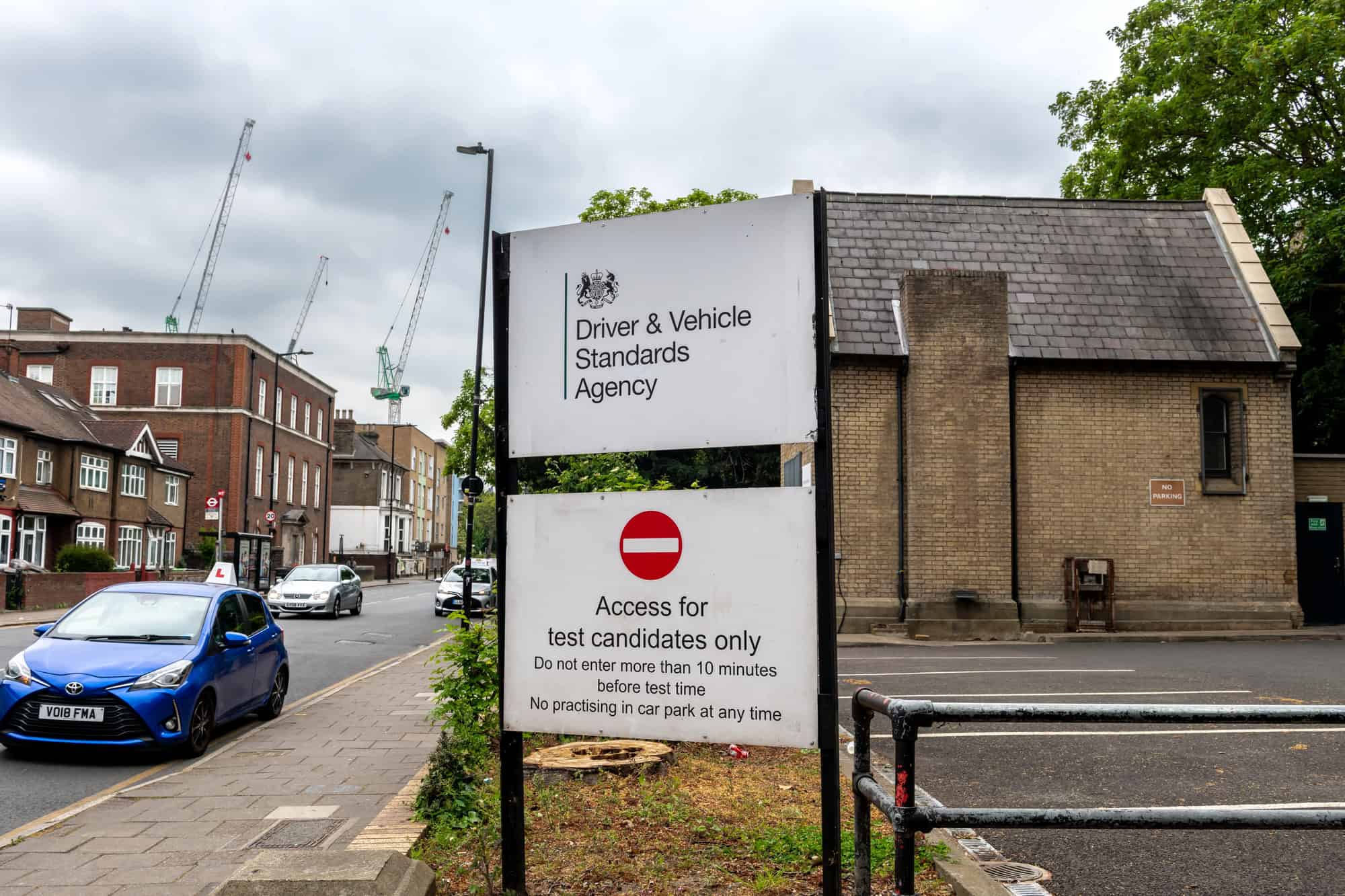
Why Learners Paid Up to £500 for a £62 Driving Test Before DVSA’s Crackdown
Trending on Motoring Chronicle

The rigorous quality assessment behind every W16 Mistral

The Bugatti F.K.P. Hommage: Honoring the Veyron and its visionary creator
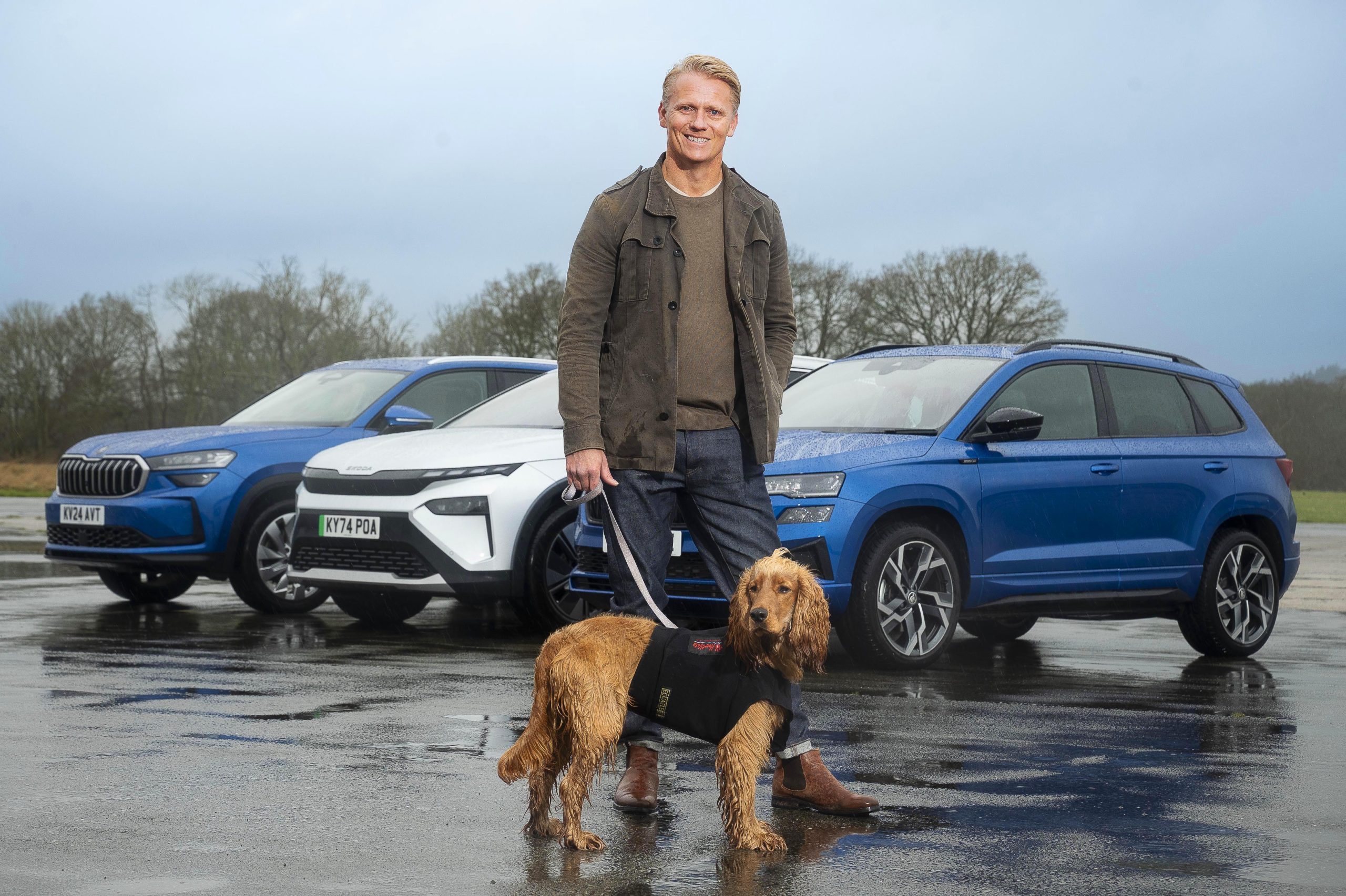
Paws-itive news for dog lovers: Research shows dogs prefer electric cars for stress-free journeys
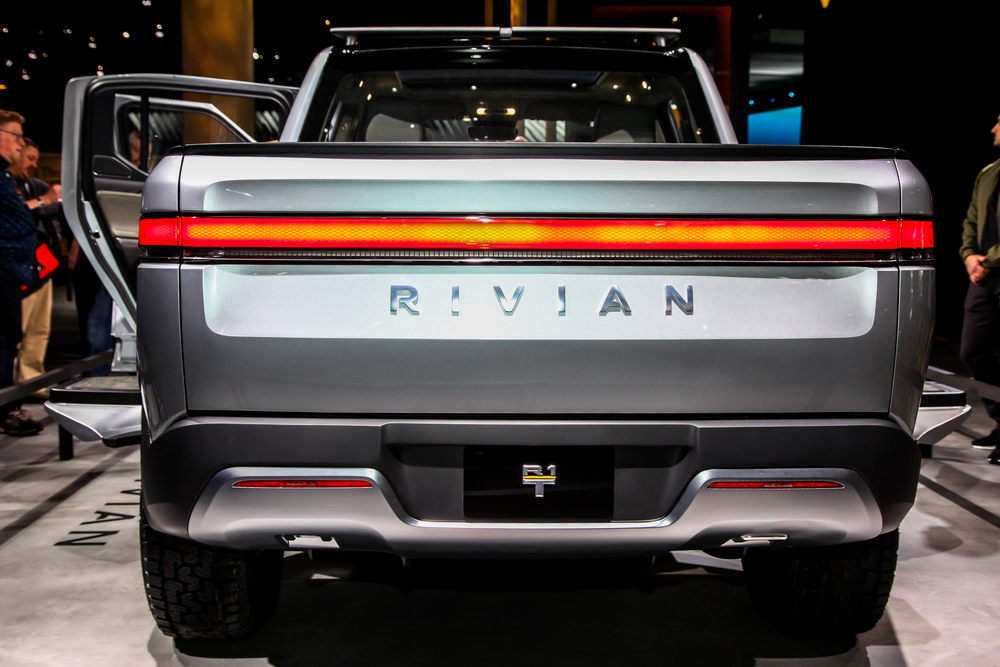
Rivian Recalls Nearly 99,000 R1 and R2 EVs Over a Rearview Camera Glitch