Drivers Pay £21 to £31 More a Tank After Three Weekly Falls, DESNZ Shows
- The Department for Energy Security and Net Zero (DESNZ) weekly road fuel prices put petrol at 172.78p a litre and diesel at 198.58p in the week commencing 2 November 2026, both down for a third week running.
- A 55 litre tank costs £95.03 for petrol and £109.22 for diesel, which is £21.12 and £30.78 more than a year ago.
- Three weeks of falls have taken £1.38 off a petrol tank and 80p off a diesel tank, and diesel’s 200.04p peak on 12 October is the highest in the series that starts in 2018.
Three Cheaper Weeks Have Taken Only £1.38 Off a Petrol Tank
Petrol averaged 172.78p a litre and diesel 198.58p in the week commencing 2 November 2026. Twelve months earlier, in the week commencing 3 November 2025, the averages were 134.38p and 142.61p. Petrol is up 38.40p a litre, or 28.6 percent, and diesel is up 55.97p, or 39.2 percent.
On a 55 litre tank, the size the RAC uses for a family car, the bill is £95.03 for petrol against £73.91 a year ago, an extra £21.12. Diesel costs £109.22 against £78.44, an extra £30.78. Both figures multiply the pump price by 55 litres.
The latest figures are the third fall in a row. Petrol peaked at 175.28p in the week commencing 12 October and has gone on to 174.57p, 174.07p and 172.78p. Diesel peaked at 200.04p the same week and has gone to 199.33p, 199.22p and 198.58p. Together that is 2.50p off petrol and 1.46p off diesel, worth £1.38 and 80p a tank, or 1.4 percent and 0.7 percent of the peak price.
DESNZ publishes these as accredited official statistics, and each figure is a national weekly average of pump prices. A forecourt near you can sit above or below it.
How Far Prices Have Climbed From Their March Level
The week commencing 2 March 2026 was the last before the jump: petrol averaged 132.14p and diesel 142.15p. Diesel then added 49.99p in six weekly steps to reach 192.14p in the week commencing 13 April, with petrol at 158.17p.
Summer brought relief. Petrol bottomed at 149.80p in the week commencing 6 July, and diesel fell 27.62p from its April level to 164.52p in the week commencing 13 July. From there both fuels turned and climbed for three months. Diesel gained 35.52p to its 200.04p peak and petrol gained 25.48p to 175.28p.
Set against those swings, the current run of falls is small. Diesel has given back 1.46p of the 35.52p it gained, which is 4.1 percent, and petrol has given back 2.50p of 25.48p, or 9.8 percent. Measured from 2 March, petrol is still up 40.64p (30.8 percent) and diesel up 56.43p (39.7 percent), which is £22.35 and £31.04 on a 55 litre tank.
Simon Williams, the RAC’s head of policy, set out in September what has to happen before pump prices drop:
“These extraordinarily high prices are another reminder of just how exposed the UK is to events occurring far away from its shores. Only a sustained lower oil price – over several weeks, not days – will lead to cheaper prices at the pumps. Suggestions of a renewed deal to end the blockade of the Strait of Hormuz and get oil supplies moving freely again had offered a slight glimmer of hope for drivers.”
Diesel Sets a Record in the Official Series and Sits 25.80p Above Petrol
The 200.04p diesel price of 12 October is the highest weekly figure anywhere in the DESNZ file, which runs from 2018 to 2026. The file’s earlier high was 199.22p in the week commencing 4 July 2022. Diesel passed it in the week commencing 5 October 2026 at 199.52p and went higher a week later. Petrol did not follow: its highest weekly figure in the same file is 191.55p, also from 4 July 2022, and this week’s 172.78p sits 18.77p below it.
The RAC tracks pump prices on its own series, and on 28 September that series showed diesel passing its June 2022 high. Williams said at the time:
“The average price of a litre of diesel has now reached the highest level in UK history at 199.18p, in what will be a financial blow to households and businesses that use their vehicles regularly. The cost of filling up an average family car is now almost £110, £31 more than it was at the start of the US/Iran conflict. By eclipsing the previous highest price of 199.09p seen in June 2022, the diesel price has entered new uncharted territory. This spells pain not only at the pumps for drivers, but for everyone who buys goods or services that rely on diesel lorries and vans; undoubtedly these increased costs will be passed on to consumers.”
He added a line on petrol:
“Petrol prices, too, are continuing to rise. A litre of unleaded stands at 174.13p on average, 41p more than at the start of the war – taking the cost of a full tank to nearly £96.”
On the DESNZ numbers, diesel now costs 25.80p a litre more than petrol, so a full 55 litre tank of diesel costs £14.19 more than a tank of petrol. A year ago the gap was 8.23p a litre, or £4.53 a tank.
What Duty and VAT Take From Every Litre, and What the Freeze Does
The DESNZ file lists fuel duty at 52.95p a litre for both fuels and VAT at 20 percent. VAT applies to the price including duty, so a litre of petrol at 172.78p carries 28.80p of VAT and a litre of diesel at 198.58p carries 33.10p. Add the duty and the tax is 81.75p on petrol and 86.05p on diesel. That is 47 percent of a litre of unleaded and 43 percent of diesel, the same shares the RAC publishes, and £44.96 and £47.33 of a full tank.
Chancellor John Healey’s Budget on 28 October kept the freeze on fuel duty. Before it, duty had been set to rise by 5p by March. The RAC puts a 5p change in duty at £3.30 a tank, against £1.30 for a 2p change. Rod Dennis, the RAC’s senior policy officer, reacted on the day of the Budget:
“While drivers may breathe a mild sigh of relief knowing that fuel duty isn’t about to suddenly go up, many are likely to be disappointed the Chancellor didn’t go further to support them – not least as the freeze is only in place until next summer. RAC research published yesterday showed nearly two-in-three regular drivers wanted cuts to duty or VAT on fuel, with a similar proportion now cutting back on other spending because of the high cost of fuel.”
Dennis continued:
“A freeze only avoids making an already difficult situation worse – it doesn’t make filling up any cheaper. And it’s worth remembering that pump prices still soared this summer, despite fuel duty being at this very same reduced rate.”
“Drivers will now have to hope for an easing of the international conflicts that have pushed up oil prices and disrupted fuel supplies if pump prices are to come down in a meaningful way.”
VAT on fuel is still 20 percent in the 2 November figures. The RAC had worked out what each option would be worth: a VAT rate of 17.5 percent would save about £2 a tank on petrol and £2.30 on diesel, and a VAT cut to 15 percent would save about £4 and £4.60. Its research with 1,208 regular drivers in October found 34 percent wanted a VAT cut, 29 percent wanted duty cut further and 13 percent wanted duty held at 52.95p.
The same research found 65 percent of drivers cutting back on other spending to pay for fuel, up from 61 percent in April, and 47 percent of those who have no choice but to drive saying they are struggling to cope, up from 39 percent in April. The day before the Budget, Dennis said:
“The status quo, which would see fuel duty increase by 5p by the Spring and leave drivers faced with even higher pump prices, feels unsustainable, so we very much hope it’s a question of ‘how’ they are supported in Wednesday’s Budget, and not ‘if’.”
He set out the options in two more statements:
“It’s easy to forget that fuel duty is already lower than it was several years ago given it was cut by 5p in the early days of the Ukraine war. But this hasn’t stopped prices spiralling this year as a result of the ongoing conflicts in the Middle East. An end to hostilities and a lower oil price would deliver the greatest relief at the pumps, but this isn’t something that’s ultimately in the UK’s control. The extent to which drivers are taxed, however, most certainly is.”
“Cutting fuel duty further should deliver some relief at the pumps, while reducing VAT is another option available to the Government and is narrowly preferred by drivers in our research. The two approaches work differently. A fuel duty reduction would take the same amount of tax off every litre of petrol and diesel, while a VAT cut would produce a larger saving on the more expensive fuel. With diesel currently costing more than petrol, diesel drivers would therefore see a slightly greater cash saving.”
His closing line looked past the Budget:
“Whatever is announced on Wednesday, it can’t come soon enough for the nation’s drivers who are enduring the second most expensive year for filling up on record. For so many, using the car is a necessity and not a choice and it’s important the Government recognises that.”
Williams made the same case in September, with a warning about the next step for duty:
“The UK might have limited leverage when it comes to ending the US/Iran war and ultimately bringing oil prices down, but the Government could take steps to ease the burden on drivers by lowering fuel duty further or reducing VAT. As things stand, another 5p a litre will be loaded onto pump prices by the Spring if the current fuel duty cut is fully reversed as planned. VAT receipts from fuel are also extremely high, so drivers will be watching this coming week’s Labour party conference, and October’s Budget, very carefully indeed.”
The fuel duty freeze holds off the 5p rise, worth £3.30 a tank, for now, and leaves today’s price where it is.
How to Cut Your Own Bill While the Averages Stay High
The cheapest lever is the forecourt itself. Each 1p a litre is worth 55p on a 55 litre tank, so a station 5p cheaper than your usual one saves £2.75 a fill. That is twice what three weeks of national falls took off a petrol tank.
Speed is the second lever and costs nothing. Driving at 70mph instead of 60mph burns more fuel over the same distance, and easing off on the motorway is the quickest saving most drivers can make.
Electric charging has a tax edge of its own, though it is not open to everyone. Dennis, on the Budget day:
“RAC research shows high fuel prices are prompting more people to consider going electric. But those who can’t charge at home may be frustrated that VAT wasn’t cut on public charging to make it more affordable. Drivers who rely on public chargers continue to pay the full 20% VAT rate, which is far higher than the 0% currently charged on domestic electricity in Great Britain.”
“Reducing VAT on public charging would have been an obvious way for the Government to make the switch more accessible for more people. Instead, following its review of public charging costs, it appears to be exploring a different approach that would allow drivers to use lower-powered public chargers at the same cost as charging at home. We look forward to hearing more details on this.”
DESNZ adds a new week to the file every week. The next figure covers the week commencing 9 November. Check it against 172.78p and 198.58p, and against the £95.03 and £109.22 a tank those prices set.
Reviewed by Preetam Gadekar
Sources
- Department for Energy Security and Net Zero: Weekly road fuel prices
- RAC Media Centre: Drivers narrowly favour VAT cut at the Budget as preferred way to ease record pump prices
- RAC Media Centre: Fuel duty freeze continues – RAC reaction
- RAC Media Centre: Price of diesel reaches record high
Want more car content? Add us as a preferred source on Google to your favourites list for the best automotive news and analysis on the internet.
If you enjoyed this article, be sure to follow us on Microsoft Start.

Leave a Comment
More in News

Facelifted Volkswagen California Starts at £54,065 Before VAT or £66,334 on the Road

Jaecoo J7 Black Edition Hybrid Costs $2,000 Over Summit AWD at $49,990
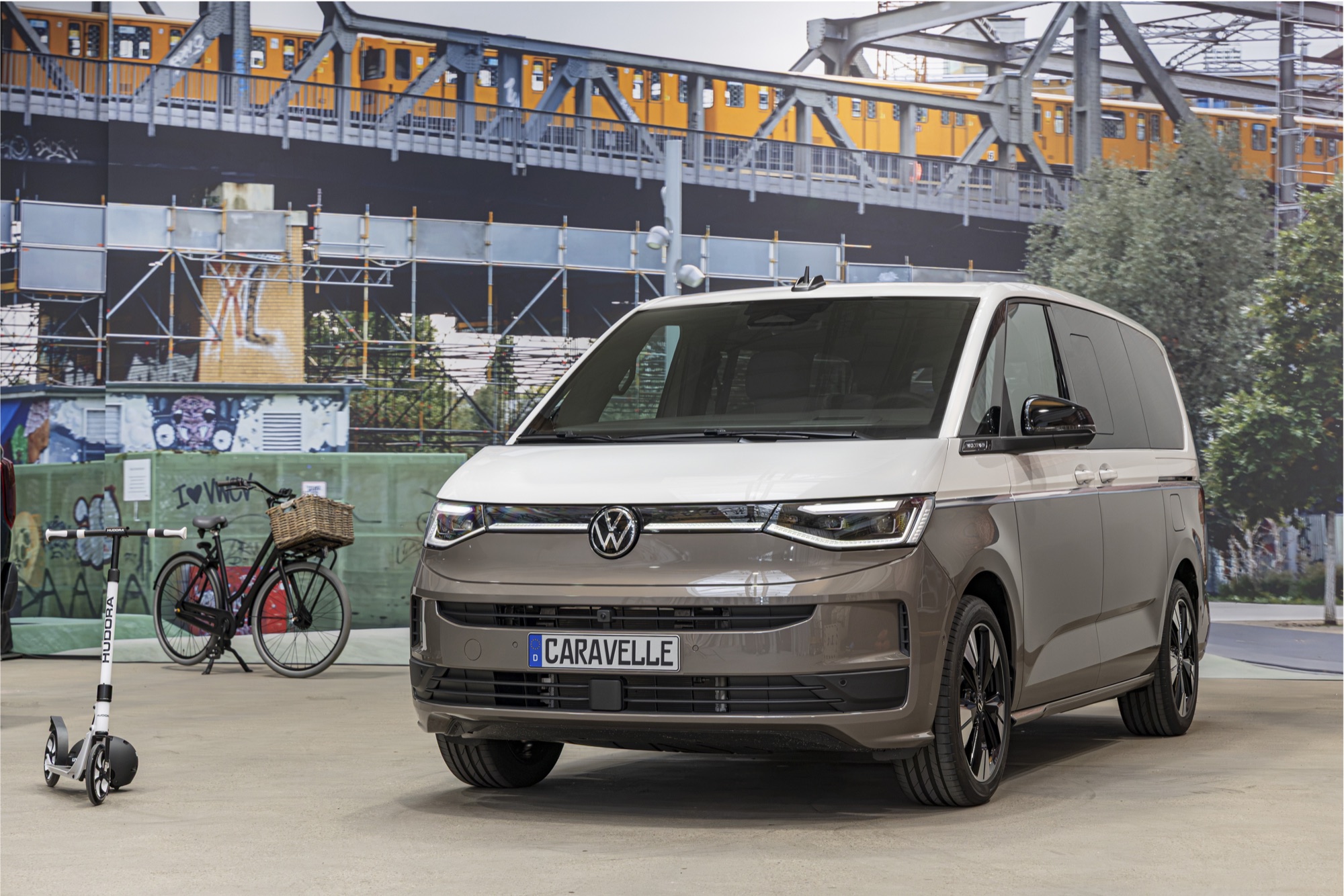
Volkswagen Caravelle Seven-Seater Priced From £41,960 Before VAT or £499 a Month on PCP

BMW M Nürburgring Editions From $155,800 Limited to 16 Australian Cars

Hyundai Kona BLK From $42,600 Plus On-Road Costs, Tucson Capped at 750
Trending on Motoring Chronicle

Learning to Drive Now Costs UK Teenagers Up to £2,300 Before They Even Pass
Van Insurance Premiums Are Rising Four Times Faster Than Car Cover

Almost Half of Younger Drivers Trust Their Car’s Software More Than Themselves. Older Drivers Disagree

Four Porsche 963 and three Porsche 911 GT3 R tackle the 24 Hours of Le Mans [Photo Gallery]