
How DVLA Promises 99% of Licences in Three Days After Admitting Services Fall Short
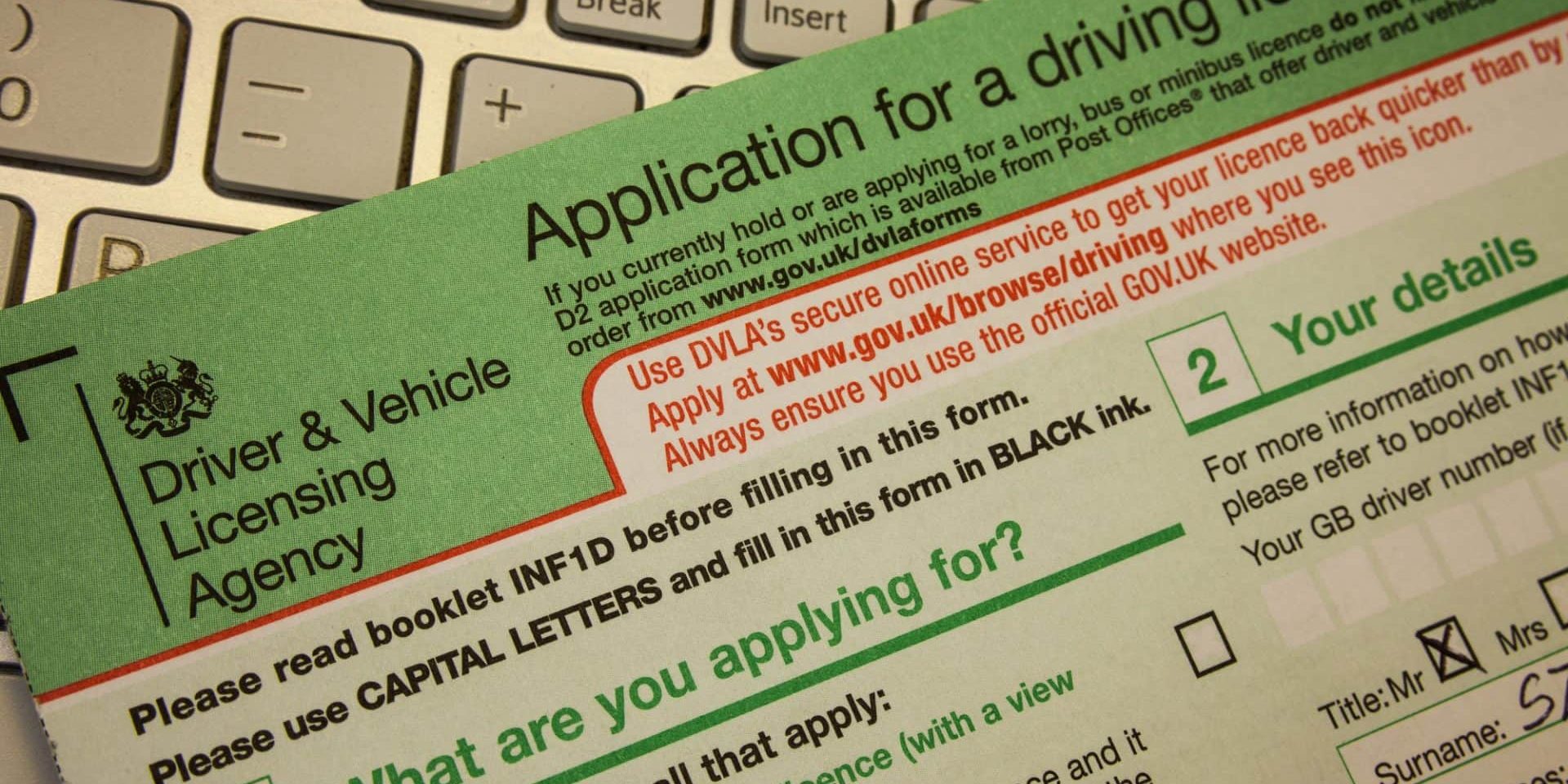
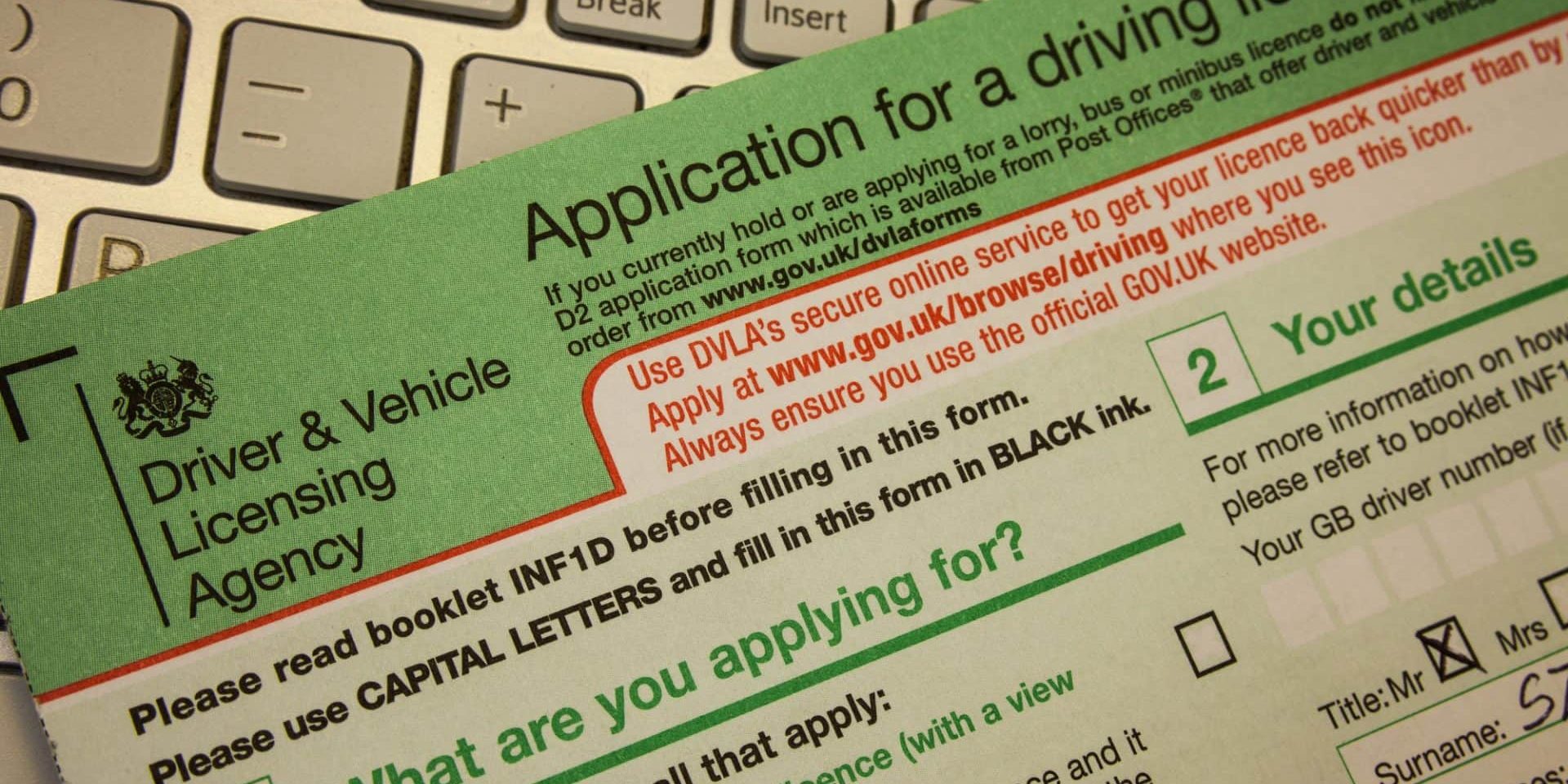
- The DVLA’s 2026 to 2027 business plan admits “We know that some of our services have not always met customer expectations” and targets 99% of online driving licences and V5C certificates dispatched within three working days, up from 95%.
- Complaints must be resolved within 20 days by December 2026 and 15 days by March 2027, average call and chat waits must fall under 10 minutes by January 2027, and medical licensing decisions must average 45 working days.
- AI will help handle complaints, 85% of transactions must be digital by March 2027, MOT reminder sign-up is due in December 2026, and the electric vehicle mileage tax is planned for April 2028.
The DVLA Admits Its Services Have Not Always Met Driver Expectations
The Driver and Vehicle Licensing Agency has put an admission of shortfalls into its own business plan. In the plan it published on 19 October 2026, the DVLA says: “We know that some of our services have not always met customer expectations.”
For drivers, the admission counts for less than the numbers attached to it. The plan sets out measurable promises for 2026 to 2027, from how fast a new licence arrives to how long a phone call waits in a queue. A written statement to Parliament on 20 October 2026, issued by the Department for Transport, the DVLA and minister Justin Madders, confirmed that the plan sets out the agency’s business priorities, planned changes to services and the performance indicators used to judge it.
The scale explains why the targets reach so many households. According to the plan, the DVLA’s registers hold nearly 53 million drivers and around 47 million vehicles, and the agency collects more than £8 billion in vehicle tax every year. Auto Express, which reported the plan, notes that the agency is turning to AI to help meet its goals, including Microsoft’s Copilot chatbot for handling complaints.
Three Days for 99% of Licences and Logbooks
The headline promise is speed. The DVLA aims to dispatch 99% of online driving licence applications and 99% of online vehicle registration certificates, the V5C logbook, within three working days. That is up from 95% in 2025 to 2026. In plain terms, the share of applicants who wait longer than three working days is meant to shrink from one in 20 to one in 100.
The plan also commits to service availability above 99.5% across vehicle tax, vehicle management, personalised registrations and driver licensing. Anyone who has watched a tax renewal page fail on the last day of the month will understand why that target is on the list.
Several practical changes are dated. A digital MOT reminder sign-up service is set to launch in December 2026. Vehicle tax is set to be available through the Driver and vehicles account by March 2027. The Drivers register moves from its legacy system to the cloud by November 2026, a technical change that is one drivers will notice only if it goes wrong. Reading the targets together, December 2026 to March 2027 is a busy stretch for the agency.
Auto Express reports that the DVLA wants 85% of its transactions done online by March 2027 and plans to expand the Driver and Vehicles account so people can reach more services in one place. For drivers who prefer paper, the direction of travel is plain: the agency wants fewer postal applications and fewer paper forms.
Complaints, Phone Queues and the Medical Backlog
The complaints target is the clearest test of whether the apology means anything. The DVLA wants to resolve 90% of complaints within 20 days by December 2026, tightening to 15 days by March 2027. The plan gives no baseline for current performance, so drivers cannot yet tell how big the improvement is.
Some scale comes from the DVLA’s own complaints statistics for 2024 to 2025. The agency dealt with 23,294 cases at step one of its process, 2,178 at step two and 2,990 through MP correspondence. Excluding step two, that is 26,284 cases in a year. The feedback themes the agency lists include difficulty accessing some services, slow processing of Drivers Medical applications, unclear explanations of decisions, paper applications returned after unclear guidance, problems providing photographs for licence renewals, and V5C issues such as postcode formats and change of address.
Phone and chat waits get a target too: an average answer time under 10 minutes by January 2027. Again no baseline is given, and an average can hide long waits at busy times, so the number is worth testing against real experience when the date arrives.
The medical licensing target will concern older drivers and anyone who has declared a condition and is waiting to keep a licence. The plan aims for an average decision time of 45 working days by March 2027, described as a 10% improvement on 2025 to 2026. That implies a current average of roughly 50 working days, though the plan does not state it directly. Auto Express reports that the agency will overhaul its case management system and process design, use automation and AI with “appropriate governance and assurance”, and introduce an improved online form for reporting medical conditions. The online medical service covers around 1,600 conditions.
Our earlier report on the proposed £35 renewal cost for drivers over 70 covers a separate proposal that affects older drivers. A faster medical process would at least shorten one wait for those who need a decision.
Where the Money Goes: AI, Postage and a Smaller Surplus
The finances show how much change the DVLA is attempting at once. Total income is forecast to fall from £694 million in 2025 to 2026 (unaudited outturn) to £686 million. Total expenditure rises from £570 million to £629 million. Net operating income drops from £124 million to £57 million, a fall of £67 million, or about 54%.
Staff costs climb from £258 million to £273 million. Postage and printing rises from £87 million to £96 million, a reminder that paper is still a large cost even as the agency pushes people online. Capital spending nearly doubles, from £21 million to £41 million, which fits with the cloud migration and the new digital services. The plan also targets savings of over £5 million and improvement on a customer satisfaction score of 75.2%, measured by the national Customer Satisfaction Index, by March 2027.
The plan also reaches into the agency’s own workforce and estate. It commits to at least 110 apprenticeships, £3 million of investment in people development and a cut of more than 10% in sickness absence. On the environment, the DVLA reports a 56% carbon reduction against its 2017 to 2018 baseline and targets a further 8% in 2026 to 2027. None of that changes a driver’s experience directly, but it shows how much sits on the agency’s to-do list alongside the customer targets.
On AI, the plan promises to “implement an ambitious, structured AI Action Delivery Plan” by March 2027, according to Auto Express. The priority uses listed in the plan are Copilot in complaints handling, Gov Voice, AI assistance in the contact centre and AI in software development.
The Mileage Tax Question and What Drivers Should Do
One line in the plan will interest every electric car owner. The DVLA says it is working with HM Treasury, the Department for Transport and industry stakeholders to collect the planned mileage-based tax for electric vehicles, known as eVED, from April 2028, in line with Treasury timescales. Auto Express quotes the plan describing the work as “a DVLA priority for some time to come”. Details are thin, and no rate or collection method is set out.
For motorists, the sensible response is to use the dates as a checklist. Sign up for MOT reminders when the service launches in December 2026. Check the Driver and vehicles account for your licence and vehicle details before March 2027. If a licence application or medical decision stalls, note the date you applied, as the agency now publishes the speed it says it will deliver. A complaint that has passed 20 days after December 2026 is outside the agency’s own target, which gives drivers a firm point to quote.
Targets are promises, not results. The plan gives no baselines for complaints or call times. What is new is the specificity: percentages, dates and a public admission. Drivers now have a scorecard to hold the agency to, and the first checkpoints arrive in November 2026, December 2026 and January 2027.
Want more car content? Add us as a preferred source on Google to your favourites list for the best automotive news and analysis on the internet.
If you enjoyed this article, be sure to follow us on Microsoft Start.
Sources:

Leave a Comment
More in News
English Councils Banked a Record £1.1 Billion From Every Driver’s Parking Fines Last Year
What to Do in a Motorway Breakdown (and When to Stay Inside)

How to Jump Start a Car Safely (and What a New Battery Costs)

Every Driver Gets Five Minutes Grace as Government Freezes Parking Charges at £100
How a Pothole Claim Now Costs UK Drivers £5,380 on Average This Year
Trending on Motoring Chronicle
Nine in Ten Britons Cannot Tell If an E-Bike Is Legal, Survey Finds
How Oxford’s New Traffic Filters Work and the £70 Fine Drivers Must Avoid
The Cadillac Elevated Velocity is EyesOn Design’s Best Concept Vehicle of 2026
Why British Drivers Could Be Stuck With a £3,500 Bill in Europe This Summer
