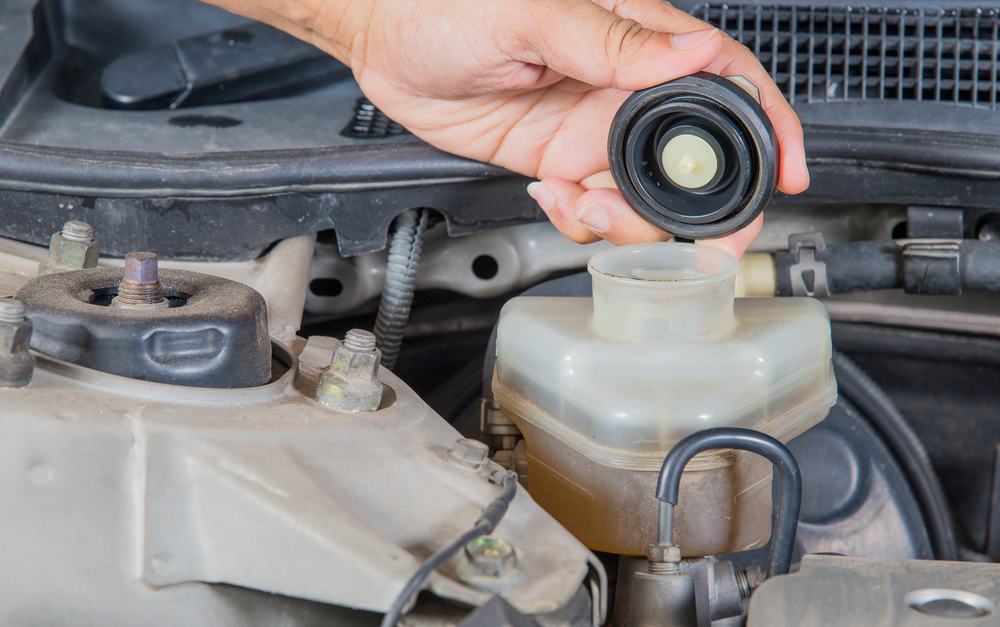
Every Driver Gets Five Minutes Grace as Government Freezes Parking Charges at £100


- Drivers get a five-minute decision window on entering a private car park and a ten-minute grace period to leave, under the Private Parking Code of Practice announced on 20 October 2026.
- The maximum charge stays frozen at £100, slips such as a wrong registration number are capped at £20, and operators that ignore the code risk losing access to DVLA keeper data.
- The government will consult next year on the £70 debt recovery fee, which the RAC and the AA both want tackled.
Five Minutes to Decide, Ten to Leave: What Changes in Every Private Car Park
You pull into a retail park, the signal drops, the payment app will not load, and a camera logs your number plate. Weeks later a letter arrives demanding £100. On 20 October 2026 the government published the rulebook it says is meant to protect drivers from exactly that kind of dispute.
The Private Parking Code of Practice sets nationwide standards for the companies that issue parking charge notices on private land. Under it, a driver gets a minimum five-minute window after arriving to decide whether to stay. That window applies at every site except pre-booked facilities. At the other end of a stay, a minimum ten-minute grace period applies to leave, at every site other than short-stay car parks, defined as those where stays last under 30 minutes.
Prime Minister Andy Burnham said: “These charges leave people feeling ripped off and out of pocket, so I’m putting a stop to them.” The AA’s head of roads policy, Jack Cousens, gave a more guarded verdict: “After seven long years, drivers finally have something which could offer them better protections against the worst private parking operators.”
Seven years is the right figure. The Parking (Code of Practice) Act 2019 required the Secretary of State to prepare the code, and it has taken until now to land. The Ministry of Housing, Communities and Local Government ran its consultation from 11 July 2025 to 26 September 2025, an 11-week exercise that drew 4,526 responses: 4,415 online and 111 by email or post. Respondents mainly wanted fairer appeals and independent oversight, according to Auto Express.
The stakes are easy to see in the cases that pushed the issue up the agenda. Auto Express reports that a Derby motorist was sent nearly £2,000 in penalty charge notices by Excel Parking after taking longer than five minutes to pay, which she blamed on poor mobile signal. The charges were later dropped. The Competition and Markets Authority is separately investigating Euro Car Parks after complaints that it fined drivers who were queuing for fuel.
The £100 Cap and the £20 Slips: What You Would Pay
The headline number did not move. The maximum private parking charge is frozen at £100 in the code, while consumer groups had called for a lower ceiling, the RAC says. The 40% early payment discount for settling within 14 days is retained, which puts the cost of a maximum charge at £60 for anyone who pays inside that window.
Below the cap sits a new £20 tier. The government response lists circumstances where the charge falls to £20 once the driver supplies evidence: a missing permit that the driver can later prove they held, or the wrong registration typed into a payment terminal. Blue Badge holders who failed to display the badge but can later evidence it also face a £20 reduced charge, and the first-occasion principle stays in place for that case only.
For a driver who types one digit wrong at a machine, the gap is stark: a £100 ceiling set against a £20 cap on appeal, a difference of £80, or 80%.
The government has also asked the new Scrutiny and Oversight Board, once it is established, to keep the £100 cap, the early payment discount and the £20 reduced-charge list under review. Operators must report data on the charges they issue and on how they handle appeals to that independent board, and the code sets out data metrics in Clause 17. Anyone hoping the ceiling will fall can at least see a body with the job of looking at it.
How the Appeals Charter Works for Honest Mistakes
The centrepiece for most drivers is the Appeals Charter, held in Clause 19 of the code. The government response says it was revised after the consultation to list the circumstances in which a charge should not be issued, should be cancelled, or should be cut to £20.
Charges are scrapped for honest mistakes, such as briefly stopping to check directions, and for events outside a driver’s control: a breakdown, a faulty ticket machine or a medical emergency. The RAC says such charges will be cancelled on appeal. Auto Express adds that fines must be cancelled when motorists provide evidence that a scenario in the Charter applies to them. The word to hold onto there is evidence. A driver who photographs the dead machine, keeps the breakdown recovery receipt or holds hospital paperwork stands on solid ground. A driver relying on memory does not.
Timing rules have moved too. The appeal window is 28 days, but appeals outside that period can now be heard in exceptional circumstances, and the 28-day clock restarts when that happens. Operators must apply for a pause in court proceedings. The old 60cm by 80cm best-practice sign size has gone, replaced by a requirement that signs are visible and legible. That gives drivers a fresh argument where signs sit behind a hedge or inside a dark corner of a site.
Operators that ignore the rules face a real sanction. The RAC says car park management companies must follow the code or risk losing access to the DVLA database they use to issue parking charge notices. Without keeper data, a camera image is little more than a photograph of a number plate. RAC head of policy Simon Williams said: “This is a step in the right direction to protect drivers from the poor practices of some private parking companies.”
Pay Before You Leave: The Camera Car Park Rule
Camera-based car parks, the type that read number plates instead of issuing tickets, get their own clause. The government response says no charge applies if full payment is made before the driver leaves. For stays beyond 24 hours, payment must be made within 24 hours of arrival. The same principle extends to free-to-park sites with camera systems, where the registration has to be entered before departure.
The practical lesson is simple. If a car park uses cameras, pay or register before the car moves, not after. The code is explicit that payment before exit settles the matter.
One further correction in the government’s papers deserves attention. The impact analysis behind the debt recovery fee contained an error. Profit margins on debt recovery were found to range from minus 13.8% to 18% across 2019/20 to 2021/22, averaging 4.6%, not the roughly 63% previously presented. That revision is a point campaigners could raise when the promised consultation opens.
What the Code Leaves Out and What Drivers Should Do Now
Two RAC demands did not make it in: a ban on debt recovery fees added to parking charge notices, and a single independent appeals body to replace the two run by the industry. The £70 cap on debt recovery fees survives as an interim measure, and the government says it will consult on the issue next year, including on banning the fees outright. On a maximum charge, that fee would lift a £100 demand to £170.
Cousens called the code a good first step but said much more work remains, including tackling debt recovery fees and stopping charges from being issued in the first place. The RAC says the code is likely to be strengthened as soon as next year to reflect recommendations from the Competition and Markets Authority. Neither Auto Express nor the RAC gives a start date for the code in the material published so far, so drivers should check when each operator begins working to it.
Until then, a few habits protect a wallet. Photograph the signs and the entrance when the terms look odd. Keep proof of payment and breakdown paperwork. Enter the registration slowly at the terminal and check it twice. Appeal within 28 days, quoting the relevant Appeals Charter scenario, and attach the evidence. Pay before leaving at camera car parks. For readers who want more on how operators obtain keeper details, the audit of private parking firms and DVLA data shows why access to that database is such a powerful lever.
The code does not abolish private parking charges, and £100 remains a large bill for a minute of confusion. What changes is the starting position of an appeal. A driver who stopped briefly, mistyped a plate or hit a broken machine now has written rules to point at, an oversight board watching the operator, and the threat of lost DVLA access behind every complaint.
Want more car content? Add us as a preferred source on Google to your favourites list for the best automotive news and analysis on the internet.
If you enjoyed this article, be sure to follow us on Microsoft Start.
Sources:

Leave a Comment
More in News
How a Pothole Claim Now Costs UK Drivers £5,380 on Average This Year

Every Electric Car Driver in London Could Pay TfL Up to £3,780 a Year

What a Flashing Engine Management Light Means Before a £700 Catalytic Converter Bill

Why a Grinding Noise From Your Wheel Could Cost You £250 and Fail Your MOT
What a £10 Per Kilogram Car Tax Could Cost Drivers if Treasury Adopts It
Trending on Motoring Chronicle

She Took A 90s BMW Through 18 Countries. Then A Commenter Told Her Never To Leave The Motorway In Slovakia

Bugatti Develops Bespoke Michelin Tires for the 1,800 PS Tourbillon Hypercar
UK Drivers Could Face New Points and a £500 Fine Under Government Plans

Mile Stones: Why Every EV Driver Will Pay 3p Per Mile From 2028