
What a £10 Per Kilogram Car Tax Could Cost Drivers if Treasury Adopts It


- The Conservatives claim Chancellor John Healey could bring a size-based car tax into the Budget on 28 October 2026, though there is no official word from the Treasury.
- A proposal from campaign group Transport & Environment would charge £10 per kilogram above 1,600kg kerb mass for petrol and diesel cars and above 2,000kg for electric cars, paid once at purchase.
- Its own examples run from £280 for a Renault Captur plug-in hybrid to £9,050 for a BMW X5 plug-in hybrid, and it says the levy could raise nearly £2 billion a year.
Why a Heavy Car Tax Is Back in the Budget Conversation
A new levy on large cars could land at the Budget on 28 October, if the Conservative Party is right. Auto Express reported on 23 October that the party claims Chancellor John Healey could bring in a size-based car tax supplement. There is no official confirmation, but the claim has put a long-running idea back in front of drivers just days before the Chancellor stands up.
Richard Holden, the Conservative transport spokesman, spoke to the Daily Mail. He said: “It seems like Labour is preparing to hit drivers with yet another tax at the Budget by measuring the width of people’s wing mirrors and sending them a bill for the size.”
Auto Express pointed out that the comment is confusing, as Mr Holden talked about size, while the proposal that has been circulating is about kerb mass. The same Daily Mail report brought up lobbying by Transport & Environment, a clean energy campaign group said to have had productive meetings with Treasury officials.
The £10 a Kilogram Plan Behind the Rumour
Last year Transport & Environment proposed a tax of £10 per kilogram on petrol and diesel cars above 1,600kg kerb mass, and on electric cars above 2,000kg. It would be based on kerb mass and charged once, at the point of purchase, rather than every year.
The arithmetic is simple and unforgiving. Every 100kg over the threshold adds £1,000 to the bill. A car 30kg over costs £300. A car 560kg over costs £5,600.
The group says European countries tax vehicles significantly more than this country does, and describes the gap as undertaxing. It estimates that closing it could raise nearly £2 billion a year for the Treasury.
One detail is worth flagging for family buyers. The proposal does not make allowances for plug-in hybrids, so a model that uses a small battery to cut emissions is still measured against the same petrol and diesel threshold. Many electric cars would be hit as well, as batteries are heavy.
Three numbers decide a bill under the plan: the car’s kerb mass, the threshold for its fuel type and the £10 rate. A petrol car at 1,750kg is 150kg over the line and pays £1,500. An electric car at 1,750kg pays nothing, as it sits below the 2,000kg line. A petrol car at 1,600kg or less escapes too, which is why the size of the car and the size of the bill move together.
What It Could Cost on Popular and Premium Cars
Transport & Environment published examples of the amounts for popular vehicles. The BMW iX would face £5,610. The BMW X5 plug-in hybrid would face £9,050, and the Land Rover Defender £7,540. At the lower end, the Nissan Ariya would pay £1,200, the Ford Kuga £1,120 and the Renault Captur plug-in hybrid £280.
Auto Express also listed the five heaviest electric cars and the five heaviest petrol and diesel models on sale. Among electric cars, the Mercedes G580 would face £11,600, the Mercedes EQS 580 SUV £11,070, the Rolls-Royce Spectre II Black Badge £7,950, the Bentley Torcal £7,950 and the Range Rover Electric £7,350.
Among petrol and diesel models, the Ineos Grenadier diesel Trialmaster X would face £12,160, the Mercedes-Maybach GLS 580 £12,100, the Rolls-Royce Cullinan II Black Badge £11,300, the BMW XM 50e £11,000 and the Bentley Flying Spur Hybrid Speed £10,480.
Such a levy would add a large amount to the price of the biggest cars on sale. As those cars are expensive already, Auto Express noted the percentage added to each purchase price is not as big as the pounds figure suggests. The bill that would sting is the one landing on the modest family SUV or plug-in hybrid, where £1,000 to £1,200 is a far bigger share of the price.
How It Would Sit Alongside Today’s Car Tax
The comparison with today’s tax shows the scale. The Ford Kuga’s £1,120 equals more than five years of the standard £200 annual rate. The Nissan Ariya’s £1,200 equals six years of it. Even the Renault Captur plug-in hybrid’s £280 is 40 per cent more than a full year of standard tax. For a Land Rover Defender, £7,540 is more than 17 years of the £440 premium-car supplement.
Drivers already pay several layers of vehicle tax. According to GOV.UK, the first payment for a car registered on or after 1 April 2017 depends on CO2 emissions, running from £10 for a zero-emission car to £5,690 for a car emitting more than 255g/km. After that, the standard rate for petrol, diesel, electric and alternative fuel cars is £200 for a single 12-month payment, or £210 if paid in 12 monthly Direct Debit instalments.
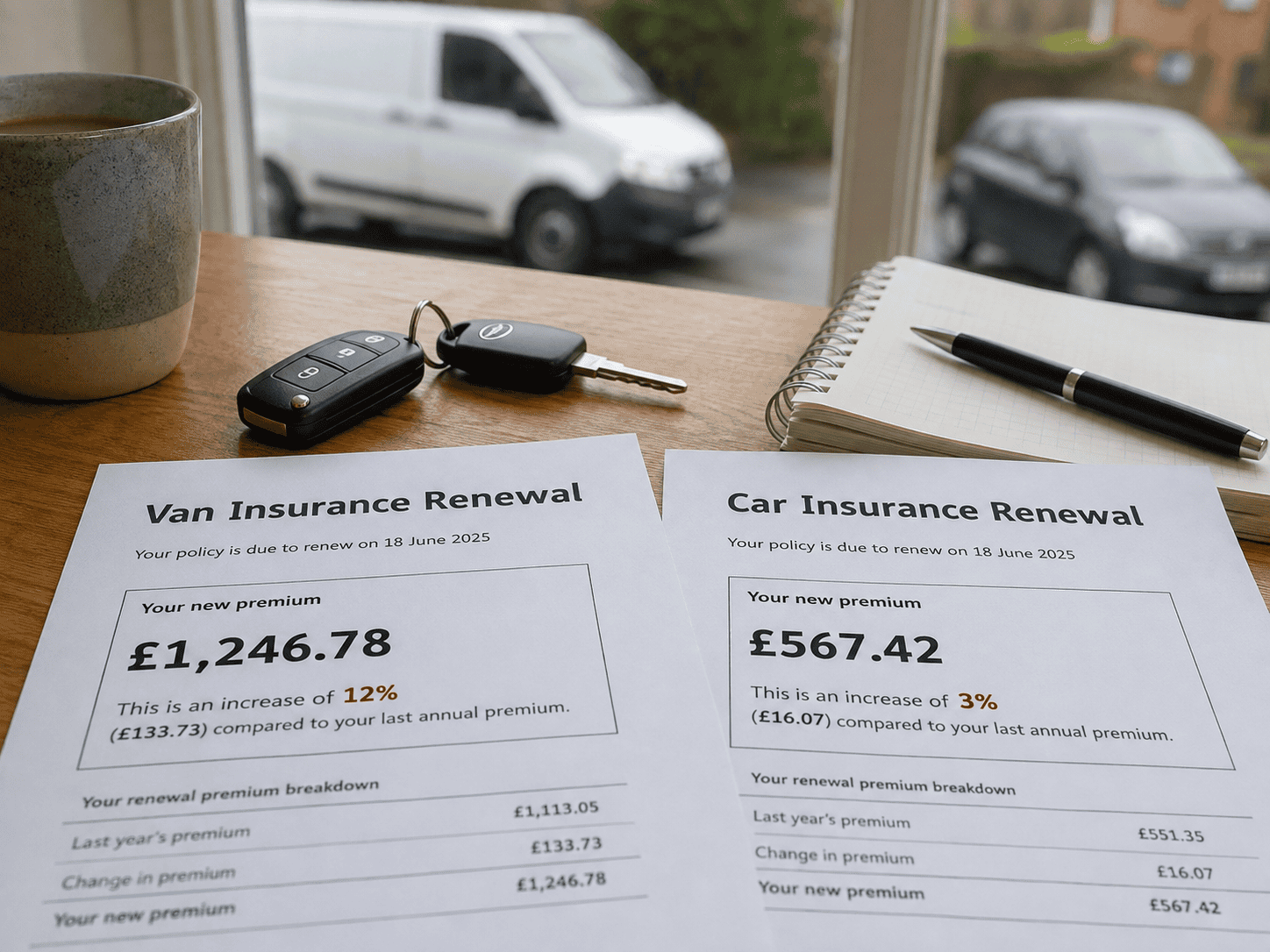
On top of that, GOV.UK says an extra £440 a year applies to a car with a list price above £40,000, or an electric car above £50,000, for five years from the second time the vehicle is taxed. That brings the yearly bill for those cars to £640 for a single 12-month payment, or £672 as 12 Direct Debit payments.
A one-off kilogram levy would be a new layer paid at the showroom, not the tax disc. It would not replace the £440 supplement or the first-year CO2 rate unless the Chancellor said so, and nothing published so far says it would.
What Drivers Can Do Before 28 October
Nothing has been announced, so there is nothing to act on yet. Still, anyone about to order a heavy or premium car in the next few weeks can ask the dealer two questions: the kerb mass on the official specification, and whether the order date or the registration date counts if rules change.
Another way to see it: the premium-car supplement adds up to £2,200 over its five-year life, at £440 a year. The Kuga’s one-off £1,120 would take about half of that sum in a single payment, and the Captur’s £280 about an eighth. Set against the group’s estimate of nearly £2 billion a year, the scale of the charge per car is plain.
Buyers of plug-in hybrids and larger electric cars have the most to watch, as Transport & Environment’s own examples show these cars hit hardest. Anyone buying used is not directly in the firing line, as the proposal describes a charge at the point of purchase, but a new levy could still push up prices for heavier models across the market.
What Happens Next
Five days remain until the Chancellor speaks. The Treasury has not confirmed anything, so drivers should treat the Conservative claim as a warning flag, not a decision.
The practical test for any new levy will be fairness. A tax that hits a family Ford Kuga for £1,120 and a Rolls-Royce Cullinan for £11,300 treats very different budgets in very different ways, and a rule based on mass takes no account of how many people the car carries, how far it drives or how old its owner is. Expect those arguments to follow any announcement.
The Budget is on 28 October 2026. Auto Express said it will be watching closely and will report what is announced. Until then, the claim stays a Conservative claim, set against a lobbying proposal. Drivers will find out within days whether the Chancellor turns the idea into law, ignores it or sends it out for consultation.
Want more car content? Add us as a preferred source on Google to your favourites list for the best automotive news and analysis on the internet.
If you enjoyed this article, be sure to follow us on Microsoft Start.
Sources:

Leave a Comment
More in News

Why a Grinding Noise From Your Wheel Could Cost You £250 and Fail Your MOT
What the Frozen £40,000 Car Tax Threshold Means for Almost a Million UK Drivers
DfT Asks Whether Fake Number Plates and Untaxed Cars Should Mean Points and Seizure

Every Driver Faces Higher Crash Risk After Clocks Go Back as AA Claims Jump 8%

DVLA Figures Show the Ford Fiesta Was Britain’s Most Stolen Car Again Last Year
Trending on Motoring Chronicle

Cars, and stars, turn out for a unique celebration of the 70-year bond between Aston Martin and Newport Pagnell [Photo Gallery]
Why a Grinding Noise From Your Wheel Could Cost You £250 and Fail Your MOT
VW Emergency Assist Plus Can Now Steer an Unresponsive Driver to the Shoulder

Lamborghini Day Japan 2025 ignites Tokyo
