EV Home Charging Gets Cheaper in October But Drivers Without a Driveway Will Be Left Behind
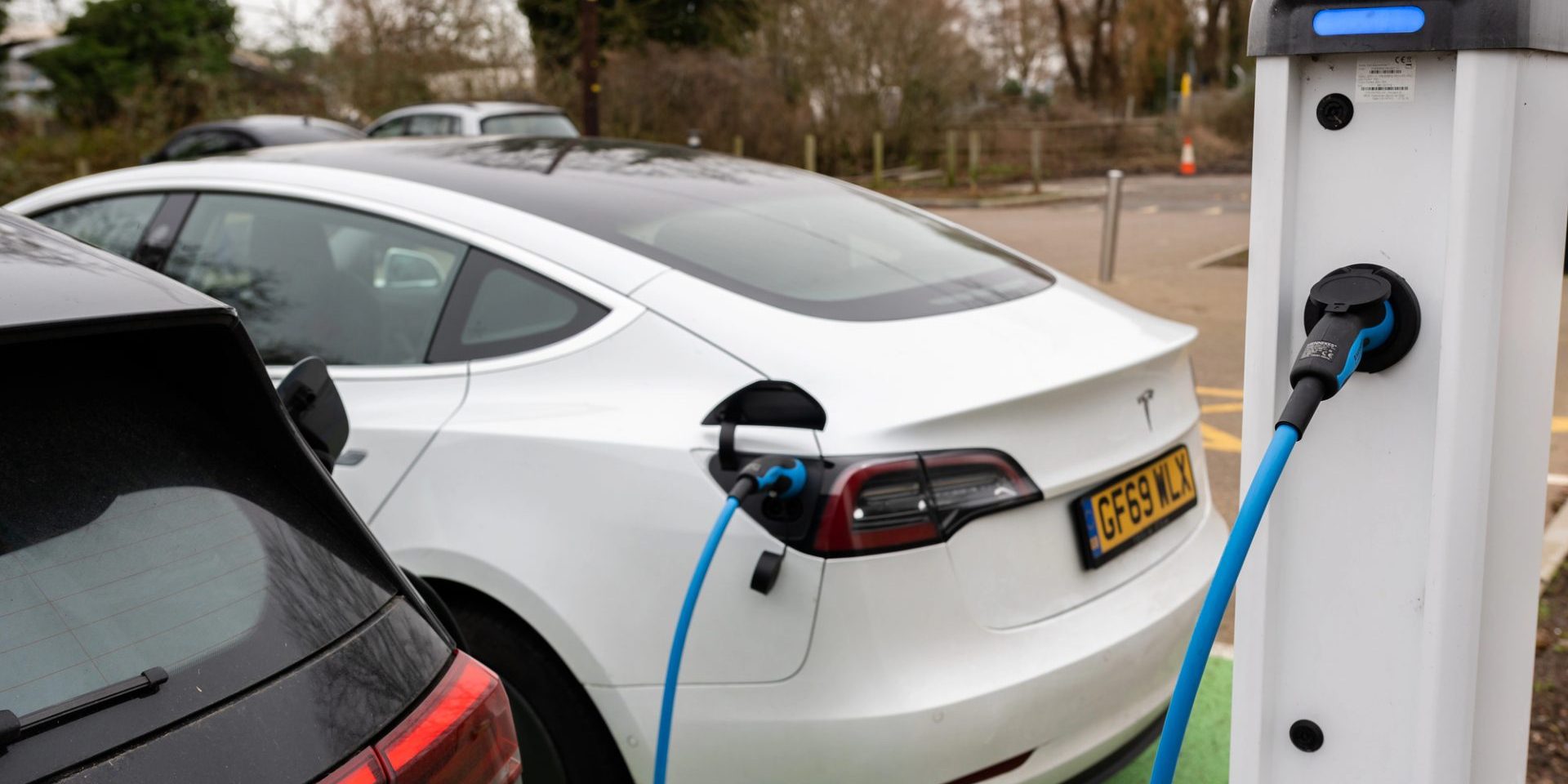

The government is scrapping VAT on domestic electricity from 1 October 2026, a move that will cut the cost of charging an electric car at home. However, campaigners and industry bodies are warning that the policy will widen an already significant gap between the cost of home charging and the rates paid by millions of drivers who depend on the public charging network.
Prime Minister Andy Burnham announced the domestic electricity VAT exemption as one of his first acts after succeeding Keir Starmer, framing it as a cost-of-living measure that would put money back in households’ pockets. Under the existing system, domestic electricity carries a five per cent VAT rate. From October, that rate will fall to zero, reducing every unit of electricity used in the home, including electricity used to charge an EV overnight.
How Much Will Home Charging Drivers Save?
The savings vary depending on which electricity tariff a driver uses and how efficient their car is. Based on the current July-to-September price cap rate of 26.11 pence per kilowatt-hour, someone charging the UK’s best-selling electric car, the Tesla Model Y, would save approximately 78 pence per full charge after October. For drivers on a dedicated off-peak EV tariff at around eight pence per kilowatt-hour, the saving works out to roughly 24 pence per charge.
Spread across a year, assuming the average UK driver covers approximately 7,100 miles annually, the annual saving works out to between £5.43 for those on the cheapest overnight tariffs and £17.64 for those paying close to the standard price cap rate. The figures will be higher from October as the energy price cap is expected to rise, making the per-unit saving slightly larger in absolute terms.
Other popular EVs see similar numbers. The Renault 5 Comfort Range (52kWh) would save its owner around £19.05 per year at price cap rates; the Audi Q4 e-tron Performance (77kWh) around £20.19; and the compact Fiat 500e Urban (24kWh) approximately £18.77 annually at the same rate.
Public Charging Still Costs Three Times as Much
The problem, according to EV advocacy groups and charging operators, is that the VAT scrapping applies only to domestic electricity. Public charging infrastructure continues to attract VAT at the standard 20 per cent rate, and nothing in the October announcement changes that. According to ZapMap, the UK’s largest EV charging data network, the average cost of using a rapid public charger currently stands at 79 pence per kilowatt-hour.
That 79p/kWh figure already embeds 20 per cent VAT. After the October change, the effective VAT rate spread between home and public charging will widen from 15 percentage points to 20 percentage points, making the public network even more expensive relative to home charging on a like-for-like basis.
Vicky Edmonds, chief executive of EV owner advocacy group EVA England, welcomed the domestic VAT cut in principle but was clear about its limits. “Cutting VAT on household energy bills is welcome news. For EV drivers who charge at home, it will make cars that can already save them thousands of pounds even cheaper to run,” Edmonds said. “But millions of EV drivers without a driveway will not fully benefit because they can’t easily access home charging. The Government’s Cost of Public Charging Review must now deliver real structural reform to bring down prices at the chargepoint.”
The Inequality Problem for Flat Dwellers and Renters
The core concern raised by campaigners is one of equity. Around 40 per cent of UK households lack off-street parking, which means they cannot install a home charger. This group includes the majority of flat dwellers, a large proportion of terraced street residents, and many renters in properties where landlords have not installed charging facilities.
These drivers are disproportionately likely to live in urban areas and to be in lower income brackets, since driveway ownership is strongly correlated with property type and household income. The result is that the October VAT cut will primarily benefit EV owners who are already better placed to make EV ownership affordable, while those for whom public charging is the only practical option will continue to pay the full 20 per cent VAT rate.
John Lewis, chief executive of EV charging firm char.gy, which specialises in on-street residential charging, was direct about the implications. “Drivers who rely on public charging, often because they don’t have a driveway, will still pay 20 per cent VAT for exactly the same electricity,” he said. “If government is serious about making the EV transition work for everyone, the next step has to be equalising VAT on public charging. The electricity is the same. The tax treatment should be too.”
What Would Cutting VAT on Public Charging Actually Save?
The industry has long called for VAT on public charging to be reduced to match the domestic rate. Before the October announcement, that meant reducing public charging VAT from 20 per cent to five per cent. After October, the equivalent ask is for it to fall to zero, or at least to come into line with the new domestic zero-rate.
Based on the current average rapid charging rate of 79 pence per kilowatt-hour, a reduction to zero VAT would theoretically bring the price down to around 66 pence per kilowatt-hour. For a Tesla Model Y driver doing a typical 10-to-80 per cent rapid charge, that would reduce the cost from approximately £33.18 to around £27.65, a saving of over £5.50 per session.
For regular public charger users who top up two or three times per week, a full VAT equalisation could save over £800 per year compared to current rates. That would be a transformative change for EV drivers who live without a home charger and currently face running costs that are much closer to, or in some cases above, those of an equivalent petrol car.
What Happens Next?
The government launched a review of public EV charging costs earlier in 2026, described as examining “the impact of energy prices, wider cost contributors, and options for lowering these costs for consumers.” The results of that review are expected later in the year, and Chancellor John Healey is anticipated to use the Autumn Budget as a vehicle for any policy response.
In the meantime, EV drivers who depend on the public network are advised to make the most of network subscription schemes, which often reduce the per-kilowatt-hour rate significantly below the pay-as-you-go headline price. Pod Point, bp pulse, Osprey and other networks offer monthly subscription plans that can bring rapid charging costs down to between 55 and 65 pence per kilowatt-hour in many cases, narrowing the gap with home charging for frequent public network users.
The government’s October change takes effect simultaneously with the latest revision to the Ofgem energy price cap, meaning that while the VAT saving will appear in bills from that date, the headline unit rate households pay for electricity is likely to be higher than the current cap, partially offsetting the benefit for those who do not have an EV and simply want cheaper electricity for general home use.
Tips for EV Drivers Until Public Charging Costs Fall
For drivers who depend on the public network, the period between now and any future government action on public charging VAT will require managing costs carefully. Several network operators offer reduced rates through subscription plans that can meaningfully cut the cost of regular rapid charging. Pod Point, bp pulse, Osprey and Mer all offer monthly memberships typically priced between £7 and £15, which reduce the per-kilowatt-hour rate to between 55 and 65 pence, compared to the headline pay-as-you-go rapid rate of 79 pence.
Choosing a slower AC charger rather than a rapid DC charger is also significantly cheaper at most locations. Destination chargers at supermarkets, leisure centres and car parks, where charging happens over several hours while the vehicle is parked for another purpose, frequently charge between 30 and 50 pence per kilowatt-hour and are often free for the first hour or two. For drivers with flexible schedules, building charging into times when the car is already parked elsewhere reduces the premium paid for public infrastructure substantially.
Sources: Auto Express | ZapMap | RAC Charge Watch

Leave a Comment
More in News

SA Police Drop 8,383 Mobile Speed Camera Fines, but 70,184 Paid Ones Stand
Ford Agrees to Settle 2016 PowerShift Class Action for Fiesta and Focus
Can You Clean an EGR Valve in Place? Pierburg’s Parts Arm Strongly Advises Against It
Man goes to AutoZone for car battery change. Then the worker says he doesn’t know how: ‘It’s under warranty’
Every PCP Driver Can Hand the Car Back After Paying Half the Total
Trending on Motoring Chronicle
How Car Insurance Rates Compare by State as Rises Loom in 32 States
What Amber Flashing Motorway Signs Mean Under Highway Code Rule 257 for Every Driver

TfL Staff Racked Up £30,000 in Parking Fines While Fare Payers Picked Up the Bill

How Iowa’s Hands-Free Law Cut Phone Use in Its First Year