TfL Staff Racked Up £30,000 in Parking Fines While Fare Payers Picked Up the Bill

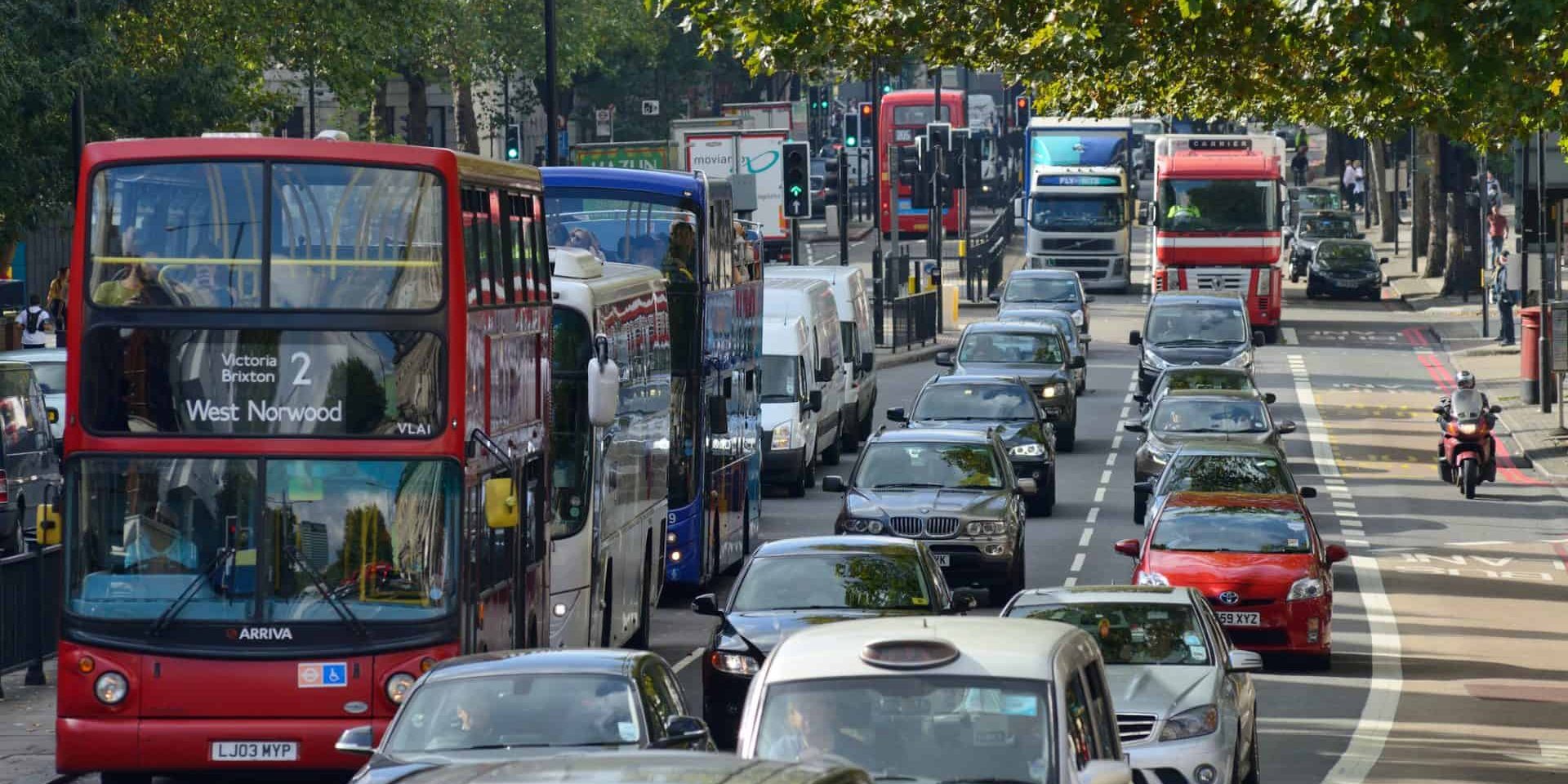
Transport for London staff paid out more than £30,000 in parking fines and road charges in the space of a single year, according to figures released after a Freedom of Information request. The bill includes £16,000 handed to 20 different local authorities across the capital, £9,460 paid straight back to TfL itself, and a further £6,631 collected by private parking firms including Euro Car Parks.
The disclosure covers transactions under £250 made on TfL staff credit cards between April 2025 and March 2026. It lands weeks after the network raised tube fares by an average of 5.8%, with bus and tram fares set to climb again in November. For a body that issued 9,460 penalty charge notices to its own employees, and whose parent authority oversees a wider London PCN total that topped 9.46 million last year, the figures have drawn accusations of double standards from politicians and campaigners.
Officials at TfL say the fines mostly happen when staff need to park at the nearest available spot to reach an incident, then settle the ticket on a company card while the paperwork catches up. The organisation says staff are expected to pay TfL back “when appropriate”, but the FOI response gives no figure for how much of the £30,000 has actually been recovered from employees, or how long that process typically takes.
Who picks up the tab
The 143 parking fines paid to borough councils and the £9,460 paid to TfL’s own enforcement teams were all logged under two departments: the chief operating officer’s office and the chief customer and strategy officer’s office. Roughly 80 credit cards are assigned to staff for this kind of spending, of which 60 have been active in recent months.
Gareth Bacon, shadow minister for London, told local reporters that TfL had “wasted no opportunity to fleece Londoners, especially drivers, whilst pleading poverty.” London Assembly member Neil Garratt calculated the total works out at close to £600 a week and questioned why an organisation that says it is short of cash “feels it can flex the company card in this way.” Jonathan Eida of the TaxPayers’ Alliance put it more bluntly, saying TfL “cannot lecture passengers about paying their way while its own spending records raise serious questions about basic financial discipline.”
TfL routinely publishes external payments and individual transactions over £250, in line with its transparency commitments as a body funded through the Greater London Authority. Spending below that threshold, where the bulk of these parking fines sit, is not published as a matter of course and only came to light through the FOI request.
A pattern that goes beyond one organisation
TfL is not the first public body caught paying its own staff’s parking fines with money that in the end comes from taxpayers and fare payers. Hackney Council disclosed earlier this month that it spent more than £10,000 on parking fines racked up by its own employees over twelve months, a figure a third of the size of TfL’s while covering a single borough rather than the whole capital. What sets the TfL figures apart is scale and a sharper irony: TfL is both the body writing PCNs to Londoners through its own enforcement operation and, through its staff, a repeat recipient of PCNs written by other councils entirely.
London’s overall PCN volume has been rising fast. Councils, TfL and the London Lorry Control Scheme issued 9,462,185 penalty charge notices across the capital in 2024/25, up from 8,333,486 the year before, a jump of roughly 1.13 million notices in a single year. That growth has been driven by an expanding network of controlled parking zones, school street restrictions, bus gates and low traffic measures, alongside tighter camera enforcement. Ordinary drivers who get one of those notices face a strict, published appeals window. TfL staff whose fines are paid by a company card appear to face no such deadline pressure, and no public record shows whether any employee has ever missed a repayment entirely.
What TfL says happened
A TfL spokesperson told the Local Democracy Reporting Service that “for urgent operational reasons, vehicles sometimes have to be parked at the closest access point to the incident location,” adding that staff use company cards so that fines linked to an operational issue get paid quickly rather than escalating to a debt collection stage. The spokesperson said credit cards are also used to test TfL’s own payment platforms, including Oyster top-ups and road user charge payments, ahead of software updates, a process that can generate small transactions unrelated to actual parking offences.
TfL says the process is “regularly reviewed” to check that payments are properly authorised, recorded and reimbursed by the staff member responsible. It has not published a breakdown of how many of the 143 council fines and 47 direct TfL PCNs were operational necessities against how many were simple parking mistakes by staff going about ordinary business.
What this means if you get a parking fine in London
The gap between how TfL handles its own staff’s fines and how it expects the public to respond is worth knowing if you ever find a penalty charge notice on your windscreen in the capital.
A PCN issued by a council or TfL gives you 28 days to pay or appeal, with a 50% discount if you settle within 14 days. If you believe the fine was wrongly issued, whether the reason is unclear signage, a valid parking permit that was not recognised, or a loading exception that applied at the time, you can lodge an informal challenge directly with the issuing authority before the formal Penalty Charge Notice stage closes. Keep photographs of the signage, your ticket or permit, and the exact time you parked, as these are the details that decide most successful appeals.
If your informal challenge is rejected and you still believe the fine is wrong, you can escalate to a formal representation, and from there to an independent adjudicator at London Tribunals if the council rejects that too. Adjudicators are legally qualified and operate independently of the council that issued the fine, and a meaningful share of appeals that reach this stage succeed, most often where signage did not meet the required standard or where an exemption was not properly applied.
For private parking charges, such as those issued by firms operating on retail or estate car parks, the new Private Parking Sector Single Code of Practice requires operators to give a 10-minute grace period before and after a stay and to display compliant signage. If a private firm’s signage or process falls short of the code, that failure can support a challenge through the operator’s own appeals process or the independent appeals service it is signed up to.
Anyone who wants to see how their own council enforces parking, and how quickly it collects unpaid fines compared with how it handles its own staff, can request the same kind of Freedom of Information disclosure that revealed the TfL figures. Requests can be submitted free of charge directly to the relevant local authority or transport body, and must be answered within 20 working days.
The scale of London’s overall enforcement operation makes the gap harder to ignore. Nine councils, TfL and the London Lorry Control Scheme together wrote well over nine million penalty charge notices last year, each one carrying the same 28-day clock and the same threat of debt recovery action for anyone who misses it. A driver who parks on the wrong side of a suspended bay for ten minutes faces exactly the same process as a TfL employee who leaves a van on a yellow line to attend an incident, on paper at least. The FOI figures suggest the two experiences look very different in practice, and that gap is precisely what campaigners want TfL to close before the next fare rise lands.
Sources:

Leave a Comment
More in News
How to Tell DVLA You Sold Your Car (and Avoid the Buyer’s Fines)

Every New Car Buyer Could Get Bigger Discounts as Britain Misses Its EV Target

What Your Tyre’s Age Actually Means (and When Old Tyres Need Replacing)

Why Drivers Over 70 Pay £480 for Car Insurance While Everyone Else’s Bills Fall

Gas Prices Hit a Record High for October as California Tops $6.34 a Gallon
Trending on Motoring Chronicle

Why One Drink Before Driving Could Soon Be Enough to Lose Your Licence

Glasgow Begins Britain’s Largest 20mph Rollout With £100 Fines for Speeding Drivers

Why Your Exhaust Smoke Colour Reveals What Is Actually Wrong With Your Car

Why More States Are Ending Hands-Free Grace Periods as Summer Fines Reach $450