
NYC Will Install Red Light Cameras at 600 Intersections in a $998 Million Deal

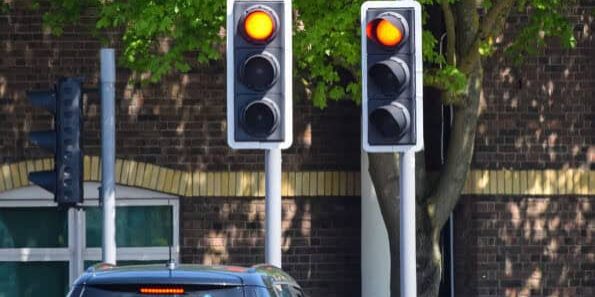
New York City is about to quadruple the number of intersections watched by red light cameras, part of a five-year, $998 million contract with Verra Mobility that also expands speed cameras, bus lane enforcement and truck-weight detection across the five boroughs.
The city’s automated enforcement program was capped at 150 signalized intersections for years, the maximum allowed under state law. New York’s legislature lifted that ceiling and authorized the city to expand to 600 intersections, and the new contract with Verra Mobility puts that expansion into motion, adding 450 more camera locations across the boroughs.
What the $998 Million Contract Covers
The five-year deal, with an option to extend for a second five-year term, is worth $998 million in total. It bundles several enforcement programs the city previously ran separately: red light cameras, speed safety cameras in school zones, automated bus lane enforcement, and a new detection system aimed at overweight trucks crossing the Brooklyn-Queens Expressway, according to a joint announcement from Verra Mobility and the city’s Department of Transportation.
Every violation captured by the cameras and sensors still goes through a human review before a ticket is issued. City DOT staff examine the photo and video evidence from each flagged incident and hold sole discretion over whether it qualifies as a violation. Verra Mobility is paid a flat rate under the contract rather than a share of ticket revenue, a structure the city says removes any financial incentive for the vendor to over-issue citations.
Why New York Is Expanding Now
City officials have pointed to persistent numbers on red light running and speeding as the justification for the buildout. Automated enforcement has been politically easier to expand in New York than in many states. State law, not just city rulemaking, already permits camera-based tickets for red light and speeding violations, provided the revenue is not shared with the vendor on a per-ticket basis.
The previous 150-intersection cap meant the city had to rotate cameras between locations or leave high-crash intersections uncovered. Quadrupling the number of fixed locations lets DOT keep permanent coverage at more of the intersections it has identified through crash data as the most dangerous for pedestrians and cyclists.
How the Cameras Work and What Triggers a Ticket
Red light cameras photograph a vehicle’s license plate the moment it enters an intersection after the signal has turned red. The registered owner of the vehicle receives the citation by mail regardless of who was actually driving. New York’s automated enforcement program assigns liability to the vehicle owner rather than requiring police to identify the driver.
Speed cameras operating under the expanded contract are concentrated in school zones and issue citations to vehicles traveling above the posted limit in the enforcement window, which in New York generally runs on school days. Both camera types issue civil penalties rather than moving violations, meaning a ticket from either system does not add points to a driver’s license, though the fines still apply and unpaid tickets can affect vehicle registration renewal.
What Drivers in the Five Boroughs Should Expect
Drivers who have not received a red light or speed camera ticket in New York before should expect the odds of encountering one of these systems to rise sharply as installation continues. The city has not published a full public map of every new camera location as they go live, which means drivers accustomed to knowing exactly where cameras sit at 150 familiar intersections will need to assume any signalized intersection in the five boroughs could now carry one.
The safest approach for any driver is the same regardless of camera coverage: come to a complete stop before the limit line when a signal turns red, and stay within the posted limit through school zones in the enforcement window. Drivers who believe they received a ticket in error can contest it through the city’s standard camera violation hearing process, which requires the photo and video evidence to be presented as part of the review.
What a Ticket Actually Costs
A first red light camera violation in New York City carries a $50 fine. The penalty climbs for repeat offenses at the same location within an 18-month window, and unpaid tickets can accumulate late fees on top of the original amount. School zone speed camera violations follow a similar structure, with fines that rise for vehicles caught repeatedly in the same enforcement zone.
Both ticket types are civil penalties rather than moving violations recorded by a police officer. They do not appear on a driver’s motor vehicle record and do not affect insurance premiums the way a point-bearing citation would. Registered owners are still legally responsible for paying them, and the city can place a hold on vehicle registration renewal for accounts with a pattern of unpaid camera tickets.
A Program That Has Grown for Two Decades
New York City’s automated red light enforcement dates back to a pilot program launched in the early 1990s, decades before the city added speed cameras to the enforcement network. School zone speed cameras arrived decades later, expanding gradually as state lawmakers renewed and broadened the authorization needed to keep the program running. Each expansion required Albany’s approval. New York State law, not city ordinance alone, governs how many locations the city can equip and under what conditions.
The jump from 150 to 600 authorized intersections represents the largest single expansion of that legal ceiling in the program’s history. City transportation officials describe the increase as catching the enforcement network up to the scale of the roadway network it is meant to police, arguing that 150 fixed points was never enough coverage for a city with thousands of signalized intersections.
The Bigger Push Behind the Expansion
New York’s expansion mirrors a broader national trend. Los Angeles has approved 125 speed camera locations under a pilot program expected to begin issuing fines by late 2026, with automated citations starting at 11 miles per hour over the posted limit and penalties ranging from $50 to $500. Long Beach, Glendale, San Francisco, Oakland and San Jose are working through similar pilot rollouts aimed at school zones and known street racing corridors.
What sets New York apart is scale. No other American city currently operates, or has committed funding to build, an automated enforcement network approaching 600 fixed camera locations. City officials describe the program as the largest of its kind in the country once fully installed, covering a far greater share of the city’s signalized intersections than the pilot programs now getting underway on the West Coast.
The rollout is expected to continue through the life of the five-year contract rather than arriving all at once, with DOT prioritizing intersections that rank highest in the city’s own crash and injury data. Drivers who commute through Brooklyn, Queens, the Bronx, Manhattan or Staten Island should expect to see new camera housings appear at familiar intersections over the coming months as installation crews work through the priority list.
How Other Cities Compare
Chicago and Washington, D.C. have run large automated enforcement networks for years, but neither approaches the scale New York is now building. Chicago’s red light and speed camera network covers roughly 300 combined locations across the city, built up gradually from the mid-2000s onward. Washington’s program, one of the oldest in the country, covers a comparable number of fixed and mobile units spread across a much smaller geographic footprint than New York’s five boroughs.
The West Coast pilot programs remain far smaller in absolute terms. Los Angeles’s 125 approved locations and the handful of additional sites planned in Long Beach, Glendale, San Francisco, Oakland and San Jose add up to a fraction of what New York’s contract authorizes, even though several of those cities have larger populations than some East Coast metros already running mature camera networks. Officials in California have cited New York’s legal framework, which routes enforcement authority through state law rather than city-by-city rulemaking, as one reason automated enforcement expanded there more slowly.
For New York drivers, the practical takeaway is simple regardless of how the city’s program compares nationally: the number of cameras is about to grow substantially, and the safest response is the same driving behavior that has always avoided a ticket, whether or not a camera happens to be watching a particular intersection.
Sources:
- PR Newswire: Verra Mobility and NYC DOT finalize five-year, $998 million contract
- Smart Cities Dive: NYC commits to $1B expansion of automated traffic safety enforcement
- FOX 11 Los Angeles: LA approves 125 speed camera locations
- NYC DOT: NYC DOT Begins Activating Additional Red Light Cameras

Leave a Comment
More in News
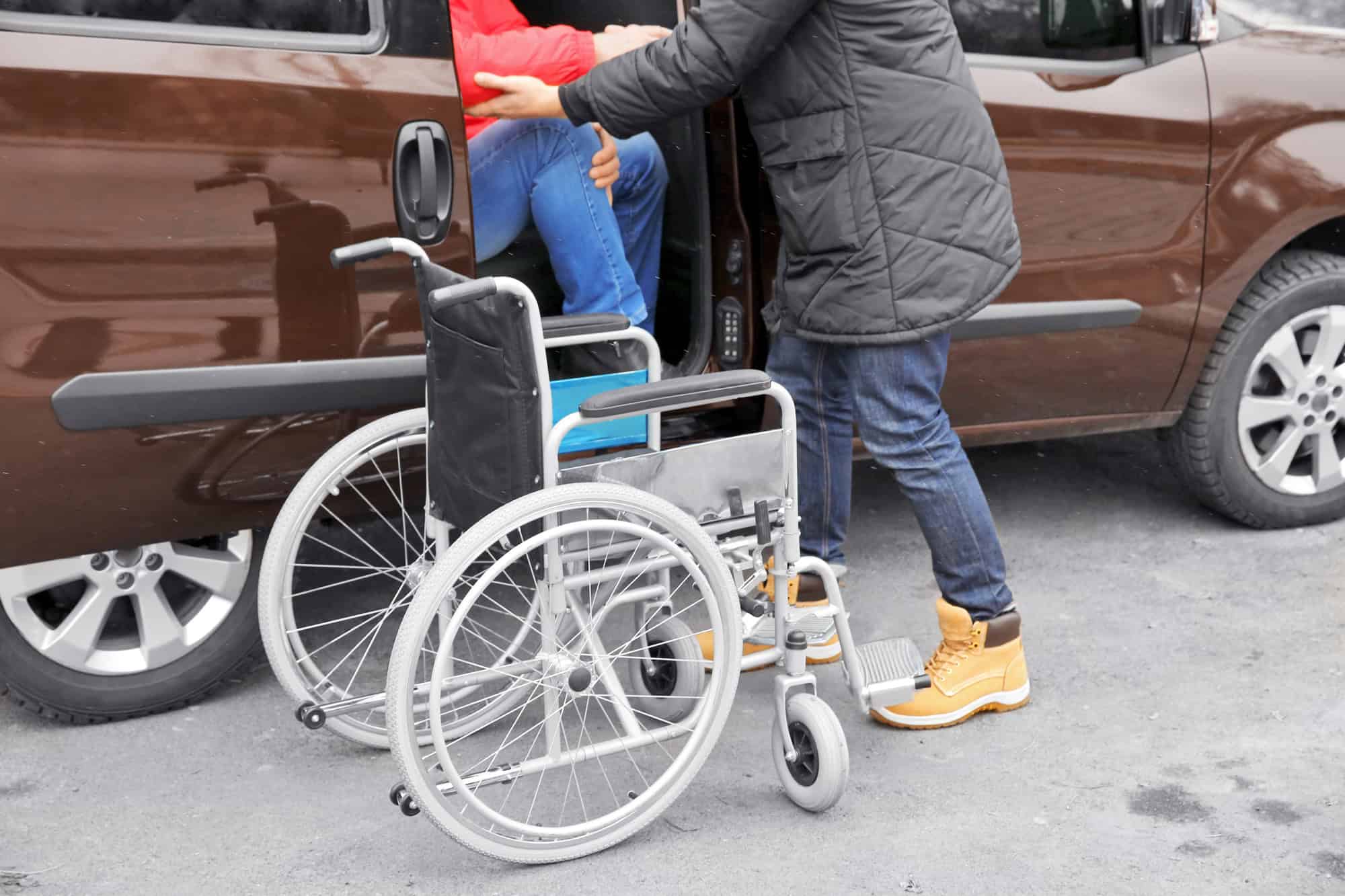
Why the FCA Is Investigating Motability After 52 Disabled Drivers Lost Their Cars

Drivers of Britain’s Dirtiest New Cars Now Pay £5,690 in HMRC’s Year-One Tax

What Your ABS Warning Light Actually Means (and Is It Safe to Drive?)
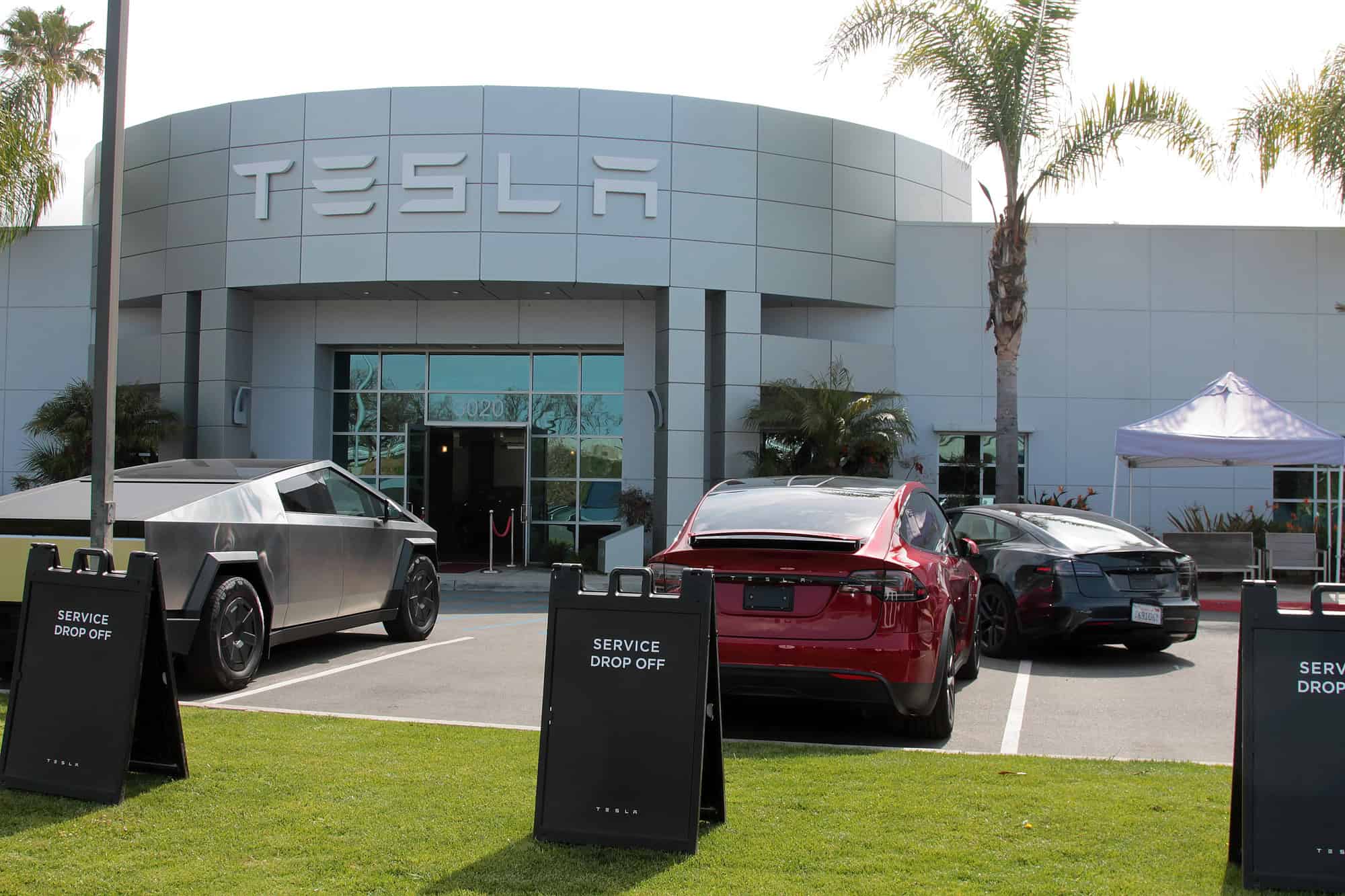
Buyers of Popular Electric Cars Miss a £3,750 Government Grant Rivals Get

Why Truckers Can Now Drive 16-Hour Days as Diesel Hits $6.29 a Gallon
Trending on Motoring Chronicle

Why a Quarter of UK Drivers Suffered Vehicle Crime Last Year and How to Protect Your Car

How Kentucky’s New School Bus Law Changes Stopping Rules for Every Driver

Toyota Aygo X Hybrid review: Frugal, funky – and no need for a plug

Jeep Recalls Grand Cherokees and Wagoneers After Gear Displays Go Blank
