
What Really Fails Britain’s Cars Their MOT (and How to Cut Your Re-Test Risk)


Most drivers walk into the MOT bay braced for bad news about brakes or the engine. The data says they are worrying about the wrong things. A study of 559 million MOT tests carried out between 2005 and 2024, drawn from the public DVSA dataset, shows the single most common reason a car fails is something a careful owner could spot in the driveway: a worn tyre. The cheapest, most visible parts of your car are the ones quietly costing people a re-test fee and an anxious week without a valid certificate.
That is good news, because it means a large share of failures are preventable with ten minutes and a torch the week before your test. Here is what the records reveal about why British cars really fail, where the toughest test centres are, and the simple checks that cut your odds of a fail.
The faults that fail the most cars are the cheap ones
Rank every defect logged at a failed test over the 20 year window and the top of the list is dominated by wear and consumables, not expensive mechanical faults. Tyre tread below the legal limit is the most frequently recorded failure item of all, accounting for just over 8 per cent. A worn suspension joint or bush comes next on 7.77 per cent, followed by deteriorated wiper blades on 6.27 per cent, a non working number plate lamp on 5.66 per cent, and tyre condition faults such as cuts and bulges on 5.51 per cent.
A bit further down sit a non working brake light on 4.69 per cent and a washer that will not squirt on 3.46 per cent. Brakes do appear, but lower than most people expect: brake performance below the minimum lands seventh on 4.41 per cent, well behind the tyres. Add the two tyre categories together and rubber alone accounts for well over a tenth of every failure item logged in two decades of testing. The pattern is consistent and it is blunt. The things most likely to tip a car over the line are inexpensive, visible from outside the car, and checkable before you ever book in.
Cars are passing more often than they used to
The other clear trend is the direction of failure rates over time. The toughest year in the dataset was 2009, when 40.5 per cent of tests ended in a fail, barely three cars passing for every two that did not. Every year since has improved. By 2024 the failure rate had dropped to 28.35 per cent, meaning 71.65 per cent of cars now pass first time, a 12 percentage point improvement on the 2009 low.
It pays to be careful about what that means. The MOT measures roadworthiness at a single point in time, not how well a car was built. A falling failure rate can reflect a newer fleet on UK roads, changes to testing standards and better maintenance habits rather than any one cause. Even so, the trend is real: a car tested today is meaningfully more likely to pass than the same kind of car tested 15 years ago.
Where you live changes the odds
Failure rates are not spread evenly across the country, and the pattern is strikingly persistent. Broken down by postcode area, three places sit clearly at the top for failures: Dundee, Kirkcaldy and Truro, a cluster of eastern Scotland and the South West. The ranking held in the most recent figures too, with Kirkcaldy at 37.3 per cent, Dundee at 36.4 per cent and Truro at 36.2 per cent in 2024, with Plymouth and Exeter close behind.
At the other end, outer London postcodes are consistently the most forgiving. Enfield and Romford sat under 27 per cent across the two decades, and Romford was again among the best in 2024 at 21.5 per cent. That is a spread of close to 18 percentage points between the toughest and easiest areas. The likeliest explanation is not local testers being harder or softer, but differences in the age of the cars, the miles they cover and the corrosion that coastal and rural roads inflict. If you are buying a used car, it is a useful reminder that two identical models can carry very different wear depending on where and how they have spent their life.
The brands at the top of the failure charts tell a similar story. The highest long run failure rates belong almost entirely to marques long gone from UK showrooms, such as Daewoo, Proton and Rover, alongside high volume mainstream names like Renault that sell large numbers of smaller, older cars. Vans fare worse still, because they are worked far harder than any family car. None of that measures build quality. It tracks the condition of the fleet still on the road.
What to check before your MOT
Because the most common failures are also the most preventable, a short walk around your car in the week before the test can save you a wasted trip and a re-test fee. The maximum an MOT can cost is capped at 54.85 pounds for a car, and many garages charge less, but a failure means time off the road and the hassle of a re-book. These are the checks worth doing.
- Look at your tyres. The legal minimum tread depth is 1.6mm across the central three quarters of the tyre. Most modern tyres have a wear indicator moulded between the treads; if yours do not, a 20p coin works, because if the outer band of the coin is visible when you slot it into the tread, you are too close to the limit. Check for cuts, bulges and uneven wear at the same time.
- Walk around the lights. Number plate lamps and brake lights fail far more often than owners expect, and a bulb is often a couple of pounds and a five minute job. Ask someone to stand behind the car while you press the brake pedal.
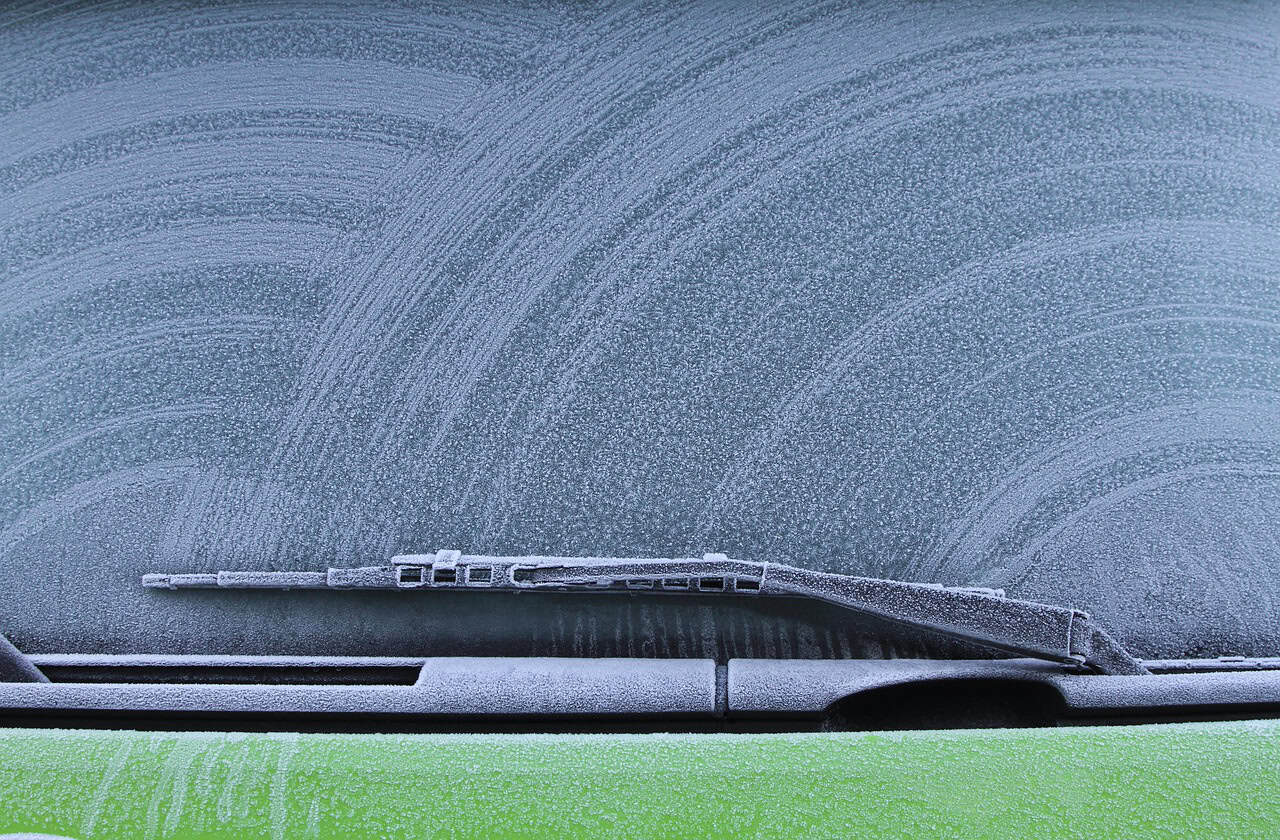
- Test the wipers and washers. Split or perished blades and an empty or blocked washer system are routine failures and trivial to fix. Top up the screen wash and replace any blade that smears.
- Listen for the slow stuff. Worn suspension joints, bushes and springs build up gradually with mileage and potholes, rarely trigger a dashboard warning, and are the items most likely to surprise you. If something has been knocking over bumps, get it looked at before the test, not after.
- Clear the dashboard. A warning light left showing, including the airbag, engine management or tyre pressure light, can fail the test on its own.
None of this guarantees a pass, and genuine mechanical faults still need a professional. But the figures are clear that a big slice of MOT failures are the kind a careful owner can catch in advance. With many older cars now also carrying safety recalls that show up on the certificate, it is worth checking your car has no outstanding recall before you book in. Our guide to how outstanding recalls now appear on MOT certificates explains what testers can see and what to do about it.
There is a financial reason to take preparation seriously that goes well beyond the re-test fee. Driving without a valid MOT can bring a fine of up to 1,000 pounds, and if the car is found to be in a dangerous condition the penalty can rise to 2,500 pounds, three penalty points and a possible driving ban. A lapsed certificate can also give an insurer grounds to question a claim. Booking the test a couple of weeks before the current one runs out leaves room to fix any failures and have the car retested, which is often free at the same garage if you return within ten working days, all without ever driving on an expired certificate.
Sources:
- https://www.motorverso.com/the-real-reasons-uk-cars-fail-their-mot-what-559-million-dvsa-records-show/
- https://www.cargarages.co.uk/car-problems
- https://www.gov.uk/getting-an-mot

Leave a Comment
More in News
2027 Toyota Sienna Hybrid Gets 251 HP, 39 MPG City Estimate and a Dash Cam
What Your Amber DPF Light Means Before a £1,000 Filter Bill

Woman buys Ford F-150 from Kia dealership. Then she tries to use the warranty: ‘They lied’
Every MOT Advisory Is an Early Warning (and Which Ones to Fix First)

How to Mount a Dashcam Without Blocking Your View or Failing the MOT
Trending on Motoring Chronicle

Every Driver Pays Up to £4.72 More a Tank by Postcode, AA Finds

How to Legally Wash Your Car During a Hosepipe Ban (and Avoid a £1,000 Fine)

Rúben Dias and the Lamborghini Revuelto: performance and precision [Photo Gallery]

What Changes for US Drivers on July 1 as New State Laws Take Effect
