
Outstanding Safety Recalls Now Appear on MOT Certificates as Five Big Brands Share Live Data


The humble MOT certificate has quietly gained a powerful new feature, and it could stop you from driving a car with a dangerous, unrepaired fault. The Driver and Vehicle Standards Agency now prints details of any outstanding safety recall directly onto the MOT certificate, drawing on live data shared by some of the biggest car makers on British roads. For the millions of drivers who never check whether their vehicle has been recalled, the annual test has become a safety net that flags the problem and tells them to get it fixed, usually for free.
It is a change worth knowing about, because outstanding recalls are far more common than most people realise, and a small but serious number involve faults so dangerous that owners are told not to drive the car at all. Here is how the new system works, which brands are taking part, and exactly what to do if a recall appears on your certificate.
How the new MOT recall check works
When your car goes through its MOT, the testing system now checks its registration against recall data supplied by manufacturers in real time. If there is an open recall on that specific vehicle, a note is added to the advisory section of your MOT certificate. The note states that the vehicle is subject to a recall and advises the owner to contact a manufacturer dealership to arrange the necessary work. The same recall information is also visible through the online MOT history service and the MOT reminder service.
It is important to understand what the warning does and does not do. An outstanding recall on its own will not cause your car to fail the MOT, and it does not result in a fine by itself. It is an advisory, designed to put the information in front of you at a moment when you are already thinking about your car’s safety. The responsibility to act then sits with you as the owner. In the vast majority of cases the repair is carried out free of charge by the manufacturer, because a recall is issued when a fault could affect safety or break environmental rules.
Which brands are sharing live data
The system depends on car makers feeding their recall records to the DVSA. Five major names have already signed up to share live data: Ford, Honda, Mercedes-Benz, Toyota and the Volkswagen Group. Between them, these brands account for more than half of the vehicles on British roads, so a large share of drivers are already covered. The DVSA has said it expects more manufacturers to join in the months ahead, which would widen the safety net further.
If your car is from a brand that has not yet joined, the MOT certificate may not show a recall even if one exists, so it is still wise to run a separate check rather than rely on the certificate alone. The free government recall checker covers vehicles from across the industry, not just the five brands sharing live data, and takes only a moment to use.
The problem the change is trying to solve is a large one. At any given time, hundreds of thousands of vehicles on UK roads are estimated to have an outstanding recall that has never been actioned, often because the owner simply never received or noticed the letter. Older cars and those that have passed through several owners are the most likely to slip through, yet these are often the very vehicles where a safety fault is most concerning. Linking the warning to the MOT, which the vast majority of cars over three years old must take every year, closes much of that gap in one stroke.
The change has been welcomed by the motor trade as a practical way to reach owners who would otherwise never know. Recall letters are posted to the registered keeper’s address, but if a car has changed hands, or the owner has moved without updating their details, those letters often go astray. A note on the MOT certificate reaches the person actually driving the car, which is exactly who needs to see it.
When a recall means do not drive
Most recalls allow you to keep driving until your repair appointment, but a small number are far more serious. A stop-drive, or do not drive, recall means you must not use the car at all until the fault has been fixed. These are reserved for defects judged to pose an immediate danger to the people in the car or others on the road.
The most prominent recent example involves certain Citroen and DS models fitted with a type of Takata airbag, part of a wider problem that has affected vehicles from many manufacturers around the world. Owners of affected cars were told to stop driving them immediately because the airbag inflator could rupture and send fragments into the cabin when it deploys. The scale is significant, with around 120,000 vehicles in the affected group, and the DVSA issued special guidance to MOT testers so the situation is handled consistently.
If you ignore a stop-drive recall and keep driving, you are taking a serious safety risk, and you could also find your insurance position weakened in the event of a claim, because the car is known to be unsafe. The right course is to stop using the vehicle and contact the manufacturer, who will arrange the repair and, in many cases, help with getting the car to a dealer or providing alternative transport.
What to do if a recall shows up
Start by checking your own vehicle now, rather than waiting for your next MOT. Enter your number plate at the government recall service at gov.uk/check-vehicle-recalls to see whether anything is outstanding. If a recall is listed, contact a franchised dealer for your brand, quote your registration and vehicle identification number, and book the work in. Ask whether the recall is a normal one, where you can keep driving until the appointment, or a stop-drive, where you must not use the car in the meantime.
It is worth knowing how a recall differs from a normal repair or a service item. A recall is issued by the manufacturer, usually after working with the DVSA, when a safety defect or a failure to meet environmental standards is identified across a batch of vehicles. Because the fault is the manufacturer’s responsibility, the fix is provided free regardless of the car’s age or how many owners it has had, and there is no time limit that stops you claiming it years later. That is different from a wear and tear item such as brake pads or tyres, which remain your cost as the owner. If a garage ever tries to charge you for recall work, that is a red flag worth questioning.
Keep your details up to date with the DVLA, including your current address, so that recall letters actually reach you. If you have bought a used car, this is especially important, because the previous keeper’s details may still be linked to earlier records. It is also worth checking the recall status of any car before you buy it, using the same free service, so you are not taking on a hidden safety problem along with the keys.
When you collect your car after its test, take a moment to read the advisory section of the certificate rather than just checking whether it passed. Advisories cover anything the tester wants to flag, from a tyre wearing low to, now, an outstanding recall, and they are easy to skim past in the rush to get back on the road. If a recall note is there, treat it as a prompt to act that week, not something to file away. Keep the paperwork, and make a note of any reference number, so the dealer can match your car to the correct repair quickly when you call.
The cost of acting is almost always nothing, since recall repairs are funded by the manufacturer. The cost of ignoring a recall can be far higher, both in safety and, with a stop-drive notice, in your ability to rely on your insurance. By putting the warning on a document every driver receives once a year, the DVSA has made it much harder to miss, and far easier to put right.
Sources:
- https://www.gbnews.com/lifestyle/cars/dvsa-issues-major-update-mot-recall-service-huge-benefit
- https://www.gbnews.com/lifestyle/cars/dvsa-mot-update-do-not-drive-vehicle-recall-citroen
- https://www.gov.uk/check-vehicle-recalls
- https://www.fleetnews.co.uk/news/manufacturer-news/2023/08/18/outstanding-vehicle-recalls-added-to-mot-test-certificates

Leave a Comment
More in News
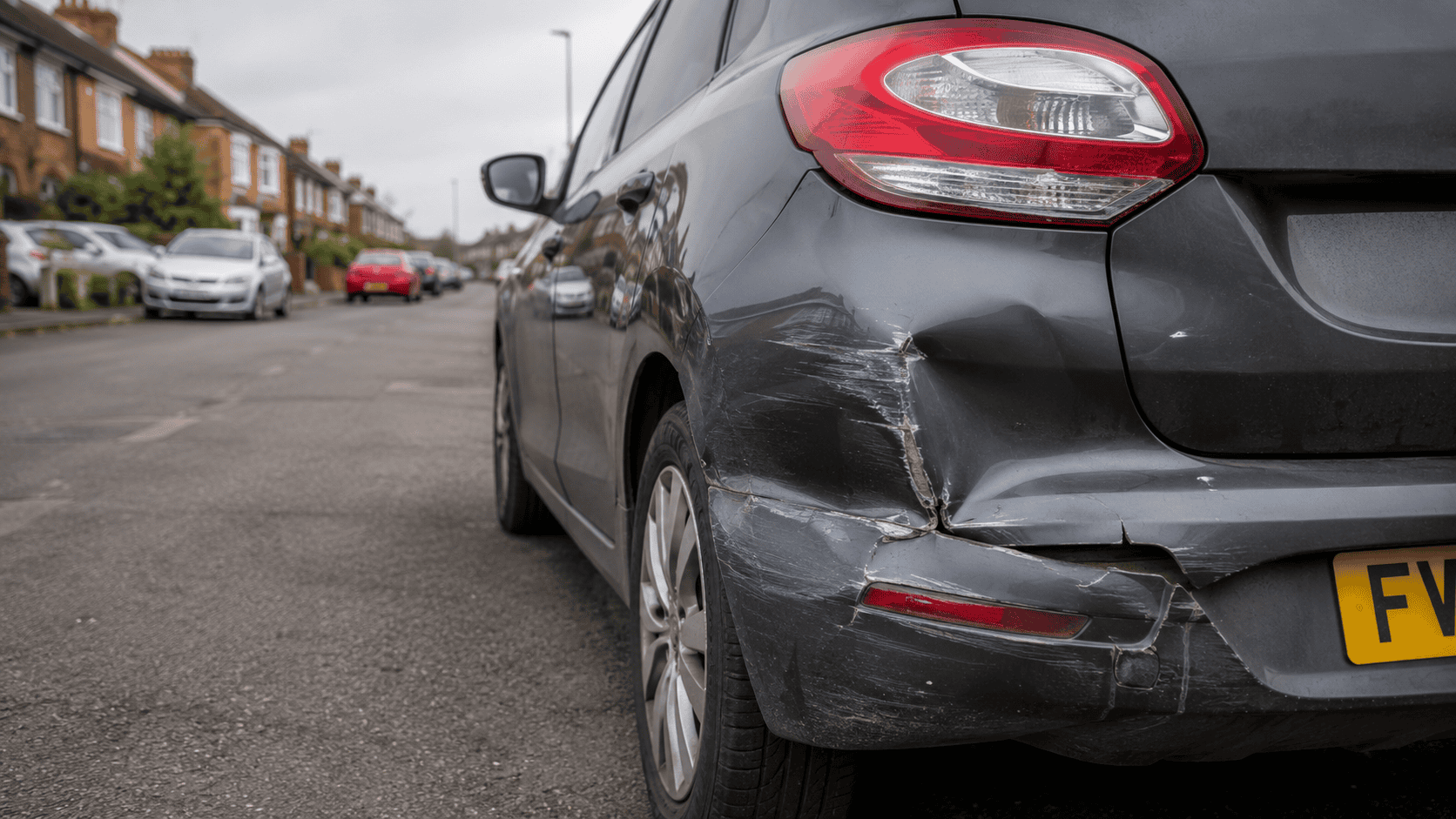
Car Insurance Bills Rose by £8 This Quarter as a Two-Year Price Drop Ends

Garage Complaints to the Motor Ombudsman Jumped 22 Percent as Payouts Hit £4,308

How Cap HPI Data Shows Some Used Electric Cars Losing 29 Percent of Value
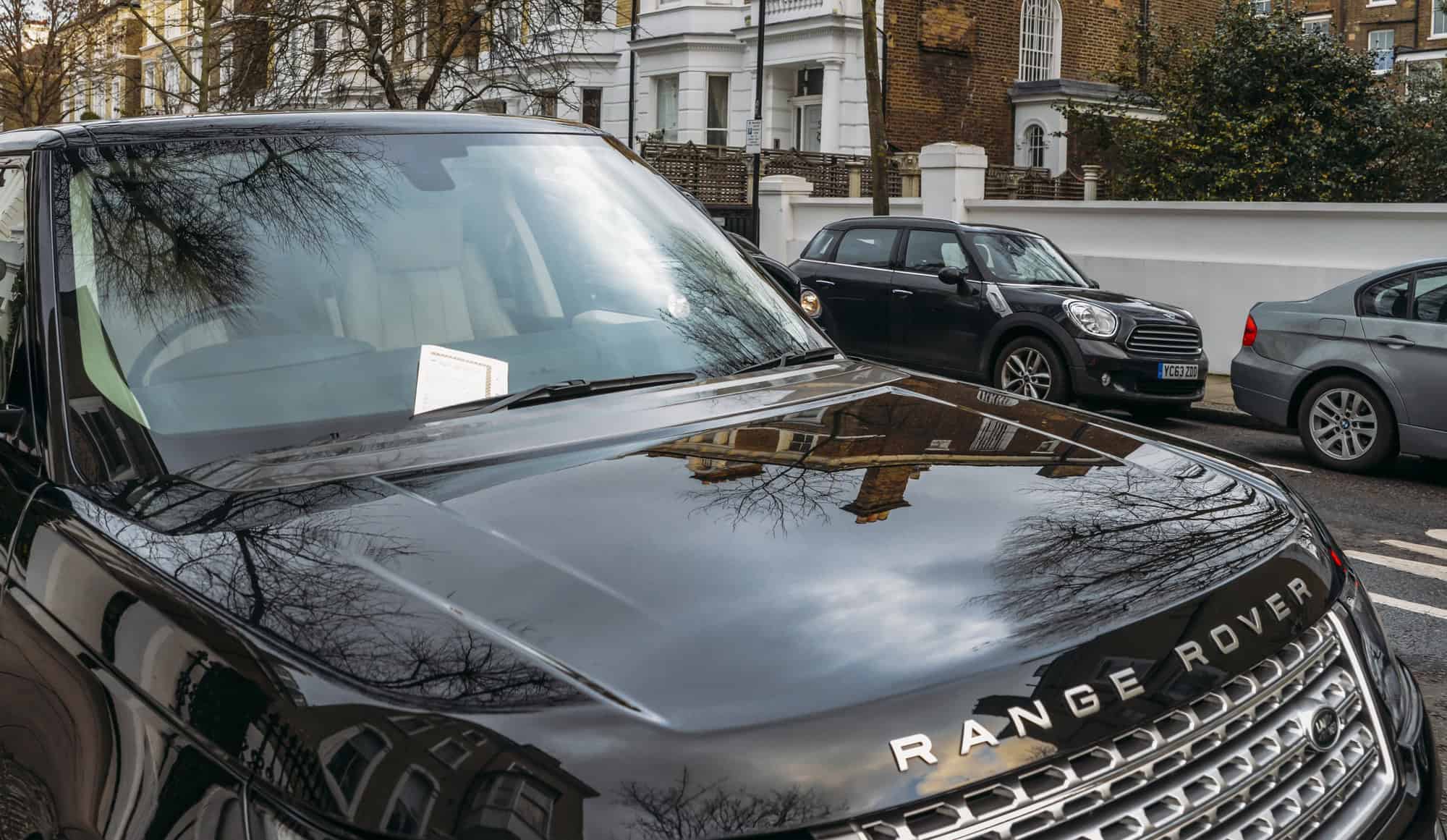
POPLA Cancelled Nearly Half of 107,000 Parking Fines UK Drivers Challenged

What a Flashing Oil Pressure Light Means for Your Engine and How to React
Trending on Motoring Chronicle
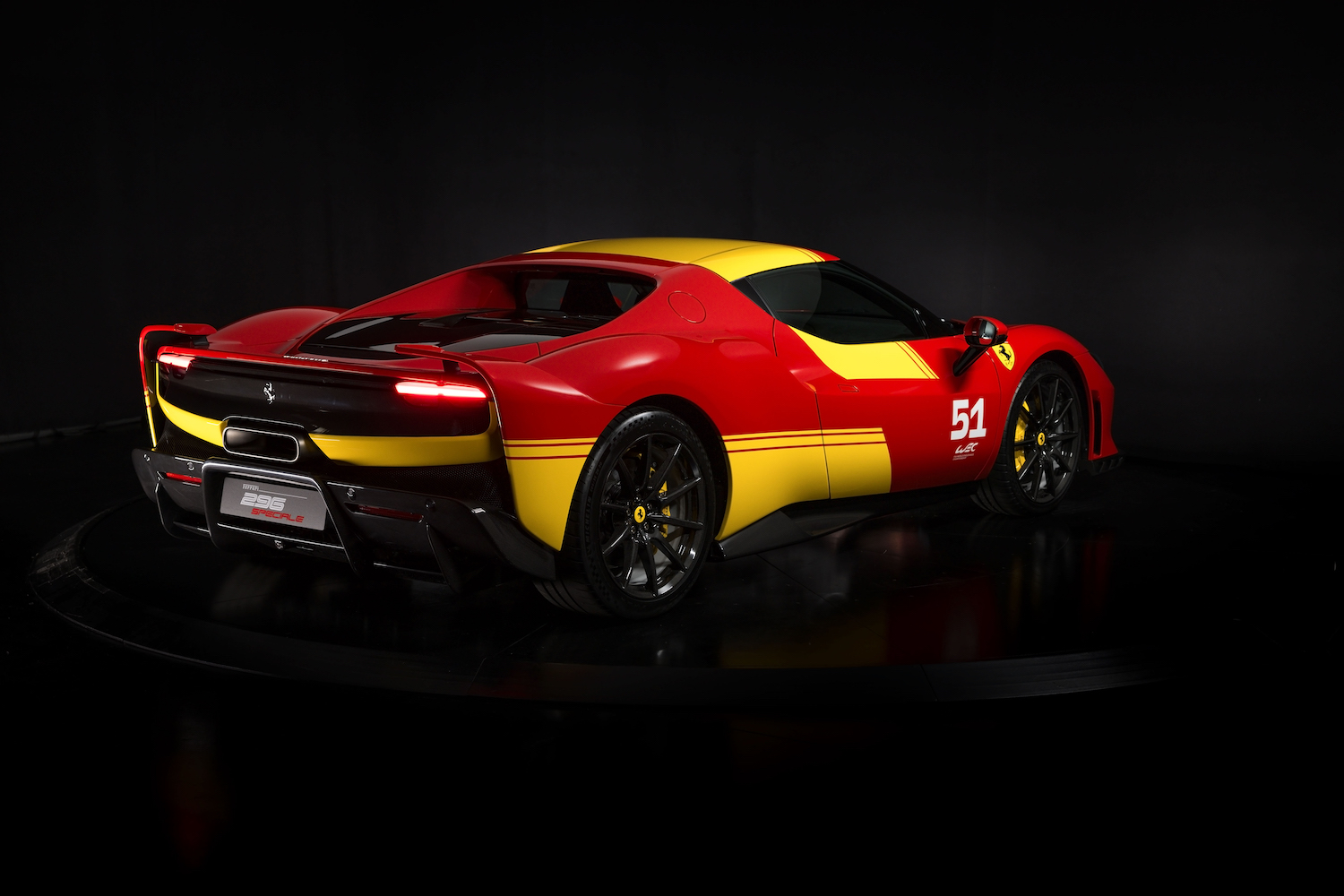
Piloti Ferrari 296 Speciale: an exclusive configuration reserved for Ferrari client-racing drivers [Photo Gallery]

HondaJet Elite II Certified by FAA to Become First Production Model Twin-Turbine Very Light Business Jet Available with Emergency Autoland

BMW Adds M340i and M440i Black Editions for Summer 2026 From £66,475
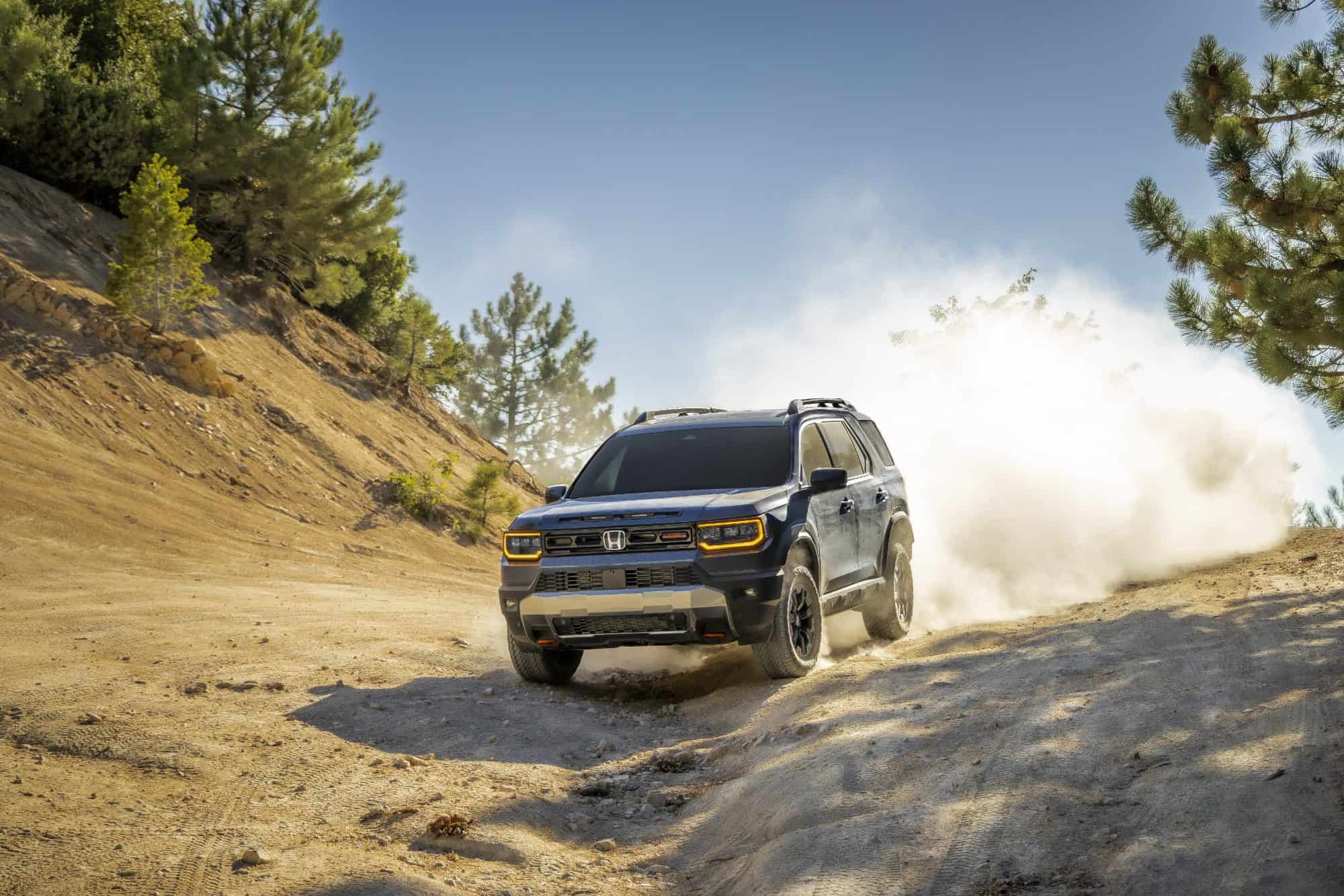
Honda Passport TrailSport Gains More Ground Clearance and Off-Road Tech for 2027
