What Changes for US Drivers on July 1 as New State Laws Take Effect


A fresh batch of state driving laws takes effect on July 1, 2026, and several of them change how everyday motorists are policed, how fast they can legally travel, and how local governments collect money from cameras. The rules are not national. Each one applies only inside the state that passed it, which means a habit that is perfectly legal at home can turn into a fine the moment you cross a border on a summer road trip. Here is a plain reading of the most significant changes landing on July 1, who they touch, and what you should check before the date arrives.
Idaho Lets Trucks Match Cars at 80 MPH
Idaho is removing the split speed limit that has kept heavy trucks slower than passenger cars on its rural interstates. Starting July 1, 2026, semi trucks may legally travel at 80 miles per hour on the stretches of interstate where cars are already allowed to run at 80. Idaho is one of a small group of mostly western states that posts an 80 mph limit at all, and until now big rigs were held to a lower number on the same road.
For drivers, the practical effect is a change in the rhythm of traffic. Split speed limits were originally designed to reduce the closing speed between fast cars and slower freight, but they also create constant lane changes as cars stack up behind trucks and dart around them. Supporters of a single uniform limit argue that matching speeds keeps traffic flowing in a more predictable way and cuts down on the risky passing that happens when one vehicle class is moving far slower than another. Critics point out that an 18 wheeler at 80 mph needs much more distance to stop than a sedan, and that tire failures at high speed are more violent on a loaded trailer. If you regularly drive Idaho’s long interstate corridors, expect trucks to be moving faster in the left lane situations than you are used to, and leave extra following distance accordingly.
Virginia Overhauls Speed Cameras and Targets Extreme Speeders
Virginia is making two separate changes that pull in opposite directions. The first tightens the rules on automated speed cameras, which had spread quickly across the state with little consistency. Under the new law, any speed camera installed after July 1, 2026 must issue warnings rather than tickets for its first 30 days of operation, giving drivers a grace period to learn a new enforcement spot before the fines start. Local governments may place cameras in designated safety red zones, which are high risk pedestrian corridors identified by transportation officials, and a driver caught by a camera traveling at least 10 mph over the limit in one of those zones can face a civil penalty of up to $100.
The law also adds consumer protections that have been missing from many camera programs. A camera ticket will not add points to your driving record and will not affect your insurance, unless an officer personally issues the citation at the scene. Local programs must post at least two warning signs near camera enforced areas, limit work zone camera enforcement to times when workers are physically present, shorten how long captured data can be kept, and publish public reports on citations, revenue, and program performance. Those reporting requirements are aimed squarely at the criticism that camera programs quietly become revenue machines.
The second Virginia change moves in a stricter direction. The state’s Intelligent Speed Assistance Program takes effect, requiring some of the most dangerous offenders to have a speed limiting device installed in their vehicles. The program applies to certain reckless driving offenders, including people convicted of driving more than 100 mph on Virginia roads. The device uses cameras and GPS to cap the vehicle at 10 mph over the posted limit, meaning the engine physically will not let the driver exceed that ceiling. Virginia joins a growing list of states experimenting with this technology as an alternative to simply suspending a license, on the theory that a limited car keeps a person employed and mobile while still removing the ability to speed dangerously.
California Pushes Robotaxis to Communicate With First Responders
California’s July 1 change addresses a problem that has frustrated police and firefighters in cities where driverless cars now operate. Beginning July 1, 2026, additional state rules require manufacturers of autonomous vehicles to install two way communication devices so that first responders can speak directly with a remote human operator. The change responds to repeated incidents in which a driverless car stopped in a live travel lane, blocked an emergency scene, or rolled into an area cordoned off by police, with no easy way for an officer on the ground to reach a person who could move it.
For human drivers, this is less a rule you have to obey and more a sign of where city streets are heading. Autonomous vehicles are no longer a pilot curiosity in parts of California, and the state is steadily building a rulebook around them. If you share the road with robotaxis in San Francisco, Los Angeles, or elsewhere, the new requirement is meant to reduce the long blockages that occur when an automated car freezes and nobody can tell it what to do.
Illinois Opens a New Path to Flag Unsafe Drivers
Illinois has its own July 1 change through the Road Safety and Fairness Act. Among its provisions, the law creates a procedure that lets immediate family members report a relative whose cognitive or medical condition has declined to the point that driving is no longer safe, triggering a state review rather than forcing families to either say nothing or take the keys away on their own. The same law restructures how older drivers are evaluated in the state, a change Motoring Chronicle has covered separately.
It is worth noting what did not make the July 1 list. Washington State came close to lowering its drunk driving threshold from 0.08 to 0.05 percent blood alcohol content, which would have made it only the second state after Utah to adopt the stricter standard. The Washington Senate passed Senate Bill 5067 in January 2026, but the measure stalled in a House committee and was not signed into law, so Washington’s limit stays at 0.08 for now. Drivers who saw early headlines about a 0.05 limit should know it is not in effect.
What Drivers Should Do Before the Rules Change
If a summer trip will take you across state lines, spend a few minutes checking the rules where you are headed rather than assuming your home state’s habits travel with you. Speed camera enforcement, hands free phone rules, and move over requirements vary widely from state to state, and the penalties can be steep for something that is legal one mile back.
For Idaho travel, treat the new uniform 80 mph limit as a reason to give trucks more room, not less, and remember that the posted limit is a ceiling, not a target in rain or heavy traffic. For Virginia, know that a new camera near your commute will warn you for 30 days before it fines you, but after that a civil penalty of up to $100 can arrive in the mail with no officer present. Watch for the required warning signs, since they are now the law. If you have an older relative in Illinois whose driving worries you, the new family reporting path gives you a formal, lower conflict way to ask the state to assess them. And if you are shopping for an electric vehicle or an autonomous ride in California, the new communication rules are part of a fast changing set of regulations worth following.
Above all, check your own vehicle and record. Confirm your registration and inspection are current, that any open recall on your car has been repaired, and that your insurance reflects how and where you actually drive. New laws tend to come with new enforcement attention, and the cheapest ticket is the one you never get.
Sources:
- https://www.kivitv.com/news/political/inside-the-statehouse/new-idaho-laws-take-effect-july-1-from-restroom-and-road-rules-to-execution-changes
- https://patch.com/virginia/across-va/new-virginia-laws-taking-effect-july-1-2026-what-residents-should-know
- https://wjla.com/news/local/anti-speeding-device-car-reckless-drivers-virginia-law-legislation-speed-assistance-technology
- https://www.pbs.org/newshour/nation/these-new-2026-state-laws-are-among-the-first-of-their-kind
- https://www.adlergiersch.com/blog/washington-dui-bac-limit-2026/

Leave a Comment
More in News
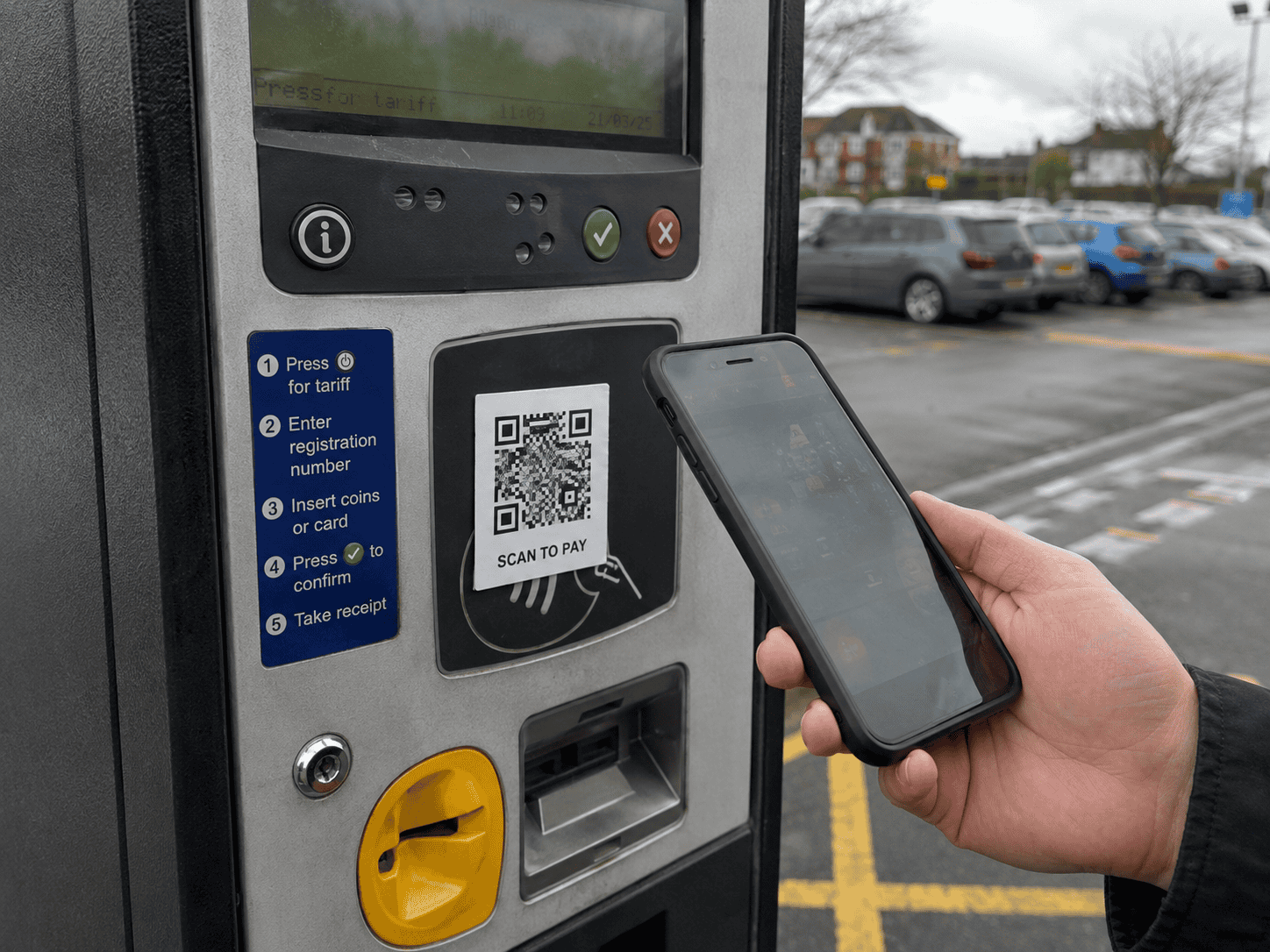
Edinburgh Drivers Paid £46.6 Million in Parking Income, Up 46 Percent in Three Years
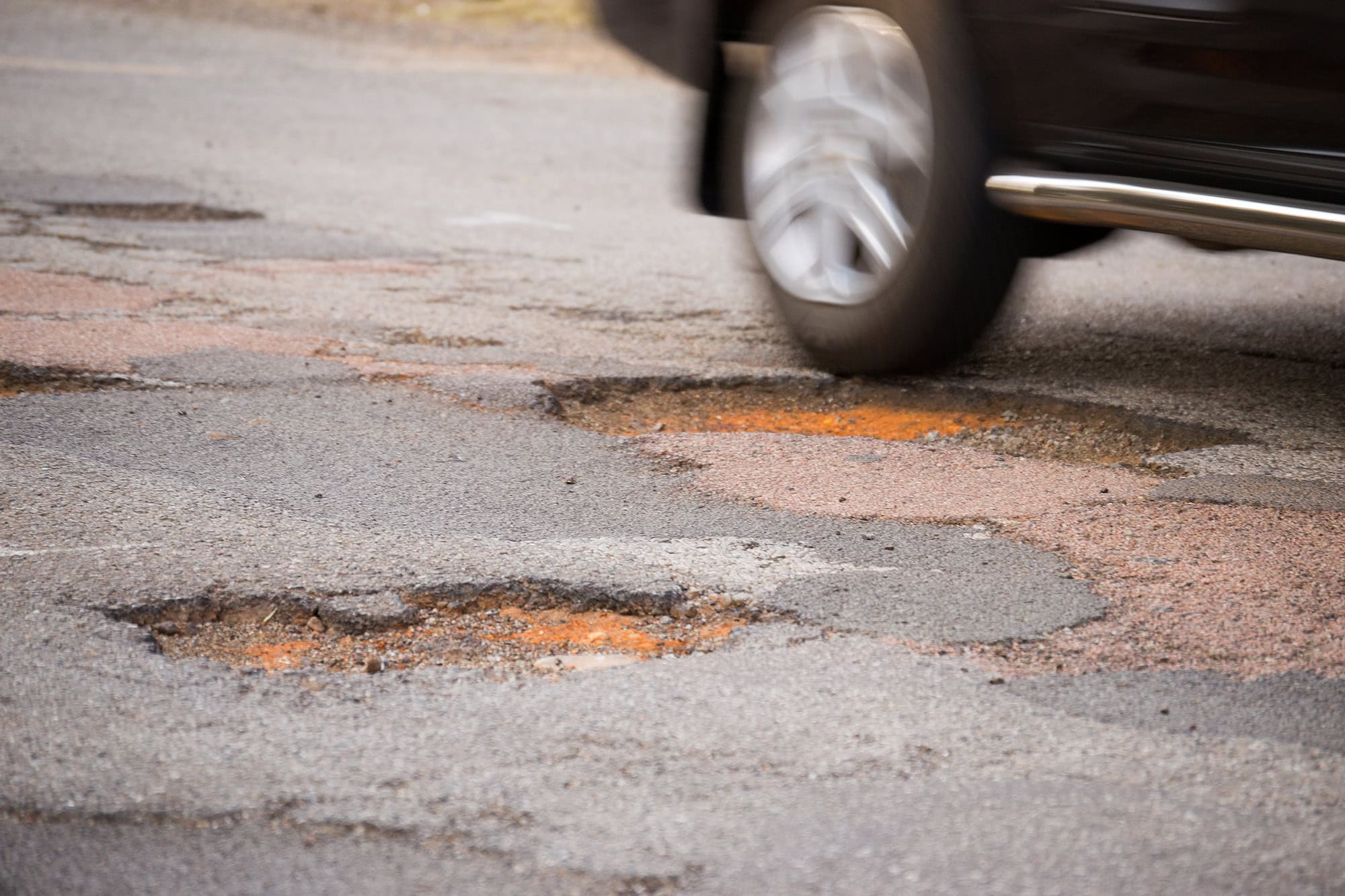
Drivers Claimed £10.2 Million for Pothole Damage but County Councils Paid 6%, Quotezone Shows
Car Insurance Bills Rose by £8 This Quarter as a Two-Year Price Drop Ends

Garage Complaints to the Motor Ombudsman Jumped 22 Percent as Payouts Hit £4,308

How Cap HPI Data Shows Some Used Electric Cars Losing 29 Percent of Value
Trending on Motoring Chronicle
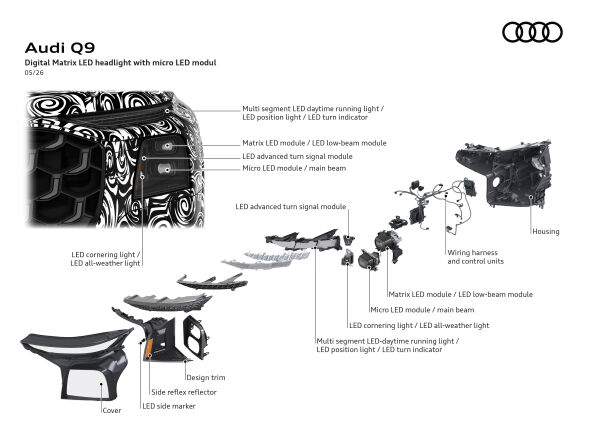
Why the 2027 Audi Q9 Could Solve the Headlight Glare Problem for US Drivers

BMW Recalls 318,495 Vehicles as Overheating Starters Risk Catching Fire

Aston Martin celebrates 60th anniversary of Goldfinger with 007-inspired secret experience in the heart of London [Photo Gallery]