
Brighton Drivers Face £70 Fines as Western Road Becomes a Red Route This Summer
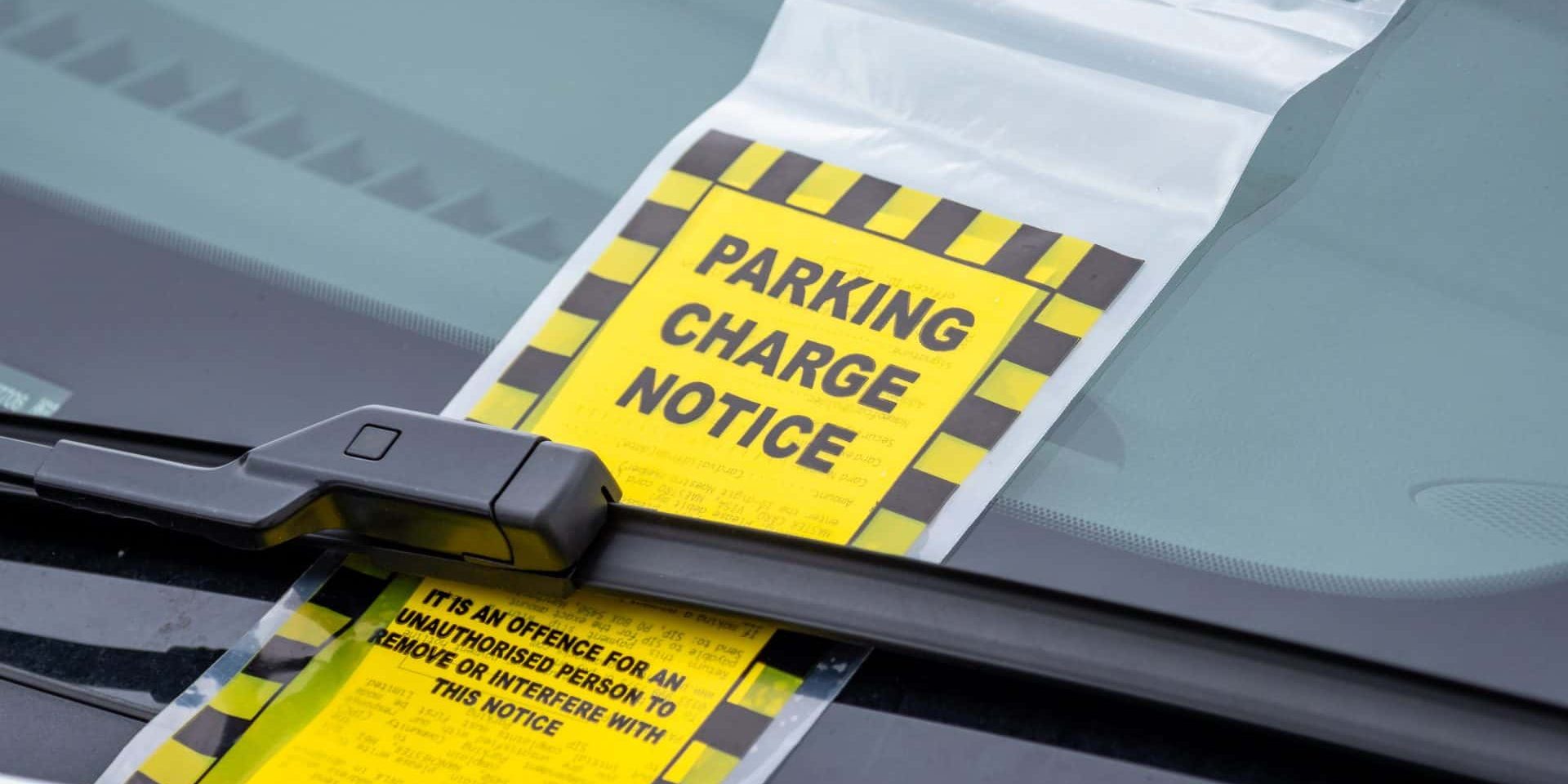
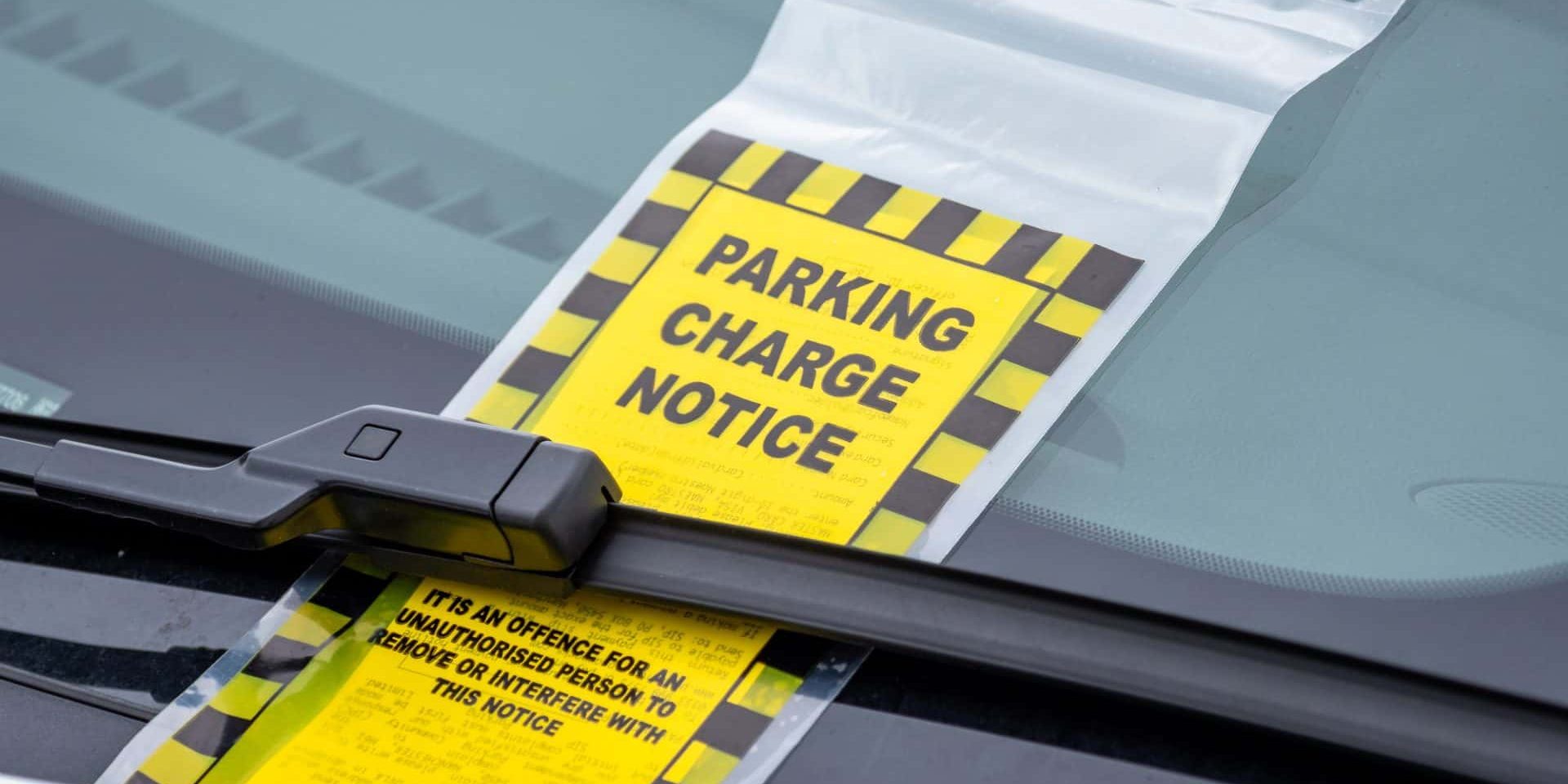
Drivers who use one of Brighton’s busiest shopping streets need to change their habits this summer or risk a £70 fine. Brighton and Hove City Council is turning a stretch of Western Road into a red route, meaning the double yellow lines that currently line it will be replaced with double red lines and stopping there will be banned almost entirely, with cameras watching to enforce it.
The change applies to Western Road between Holland Road and Montpelier Road, and follows a public consultation that drew more than 1,000 responses. For anyone who regularly pulls over outside the shops on that stretch, even for a moment, the rules are about to become far stricter than the yellow lines they are used to.
What is changing on Western Road
Under the scheme, motorists will only be allowed to stop in specially marked bays for loading, for disabled parking, or to pick up and drop off passengers. Stopping anywhere else on the route, on the new double red lines, will not be permitted, and the restriction will be enforced through CCTV cameras as well as traffic wardens on the ground.
The penalty for getting it wrong is a £70 Penalty Charge Notice, reduced to £35 if it is paid within 14 days. The council has confirmed one important piece of breathing space: for the first two weeks after the route goes live, drivers who stop illegally will receive warning notices rather than fines, giving regular users a chance to adjust before the penalties start landing. To keep deliveries flowing, 10 loading bays will be installed along the route, creating around 140 metres of loading space, and extra disabled parking bays are being added on Western Road and nearby side streets after concerns raised during the consultation.
How a red route differs from double yellow lines
The distinction trips up a lot of drivers, and it is the reason this change carries more weight than it might first appear. Double yellow lines mean no waiting, but they generally still allow you to stop briefly to drop off a passenger and, in many cases, to load or unload goods. Double red lines are far more restrictive. They mean no stopping at all, for any reason, except in the marked bays, and that includes pausing to let someone out or waiting on the kerb for a moment with the engine running.
Because the route is camera-enforced, there is no warden to wave you on or use discretion. A camera records the vehicle stopping and a penalty follows automatically, in the same way that bus lane and box junction cameras now catch thousands of drivers who believe they only paused for a second. It is the same trend towards automatic, camera-led enforcement that we examined in our guide to challenging yellow box junction fines, and it leaves far less room for the benefit of the doubt.
Who is exempt and where you can still stop
There are exemptions, and it is worth knowing them. Blue Badge holders will still be able to be picked up and dropped off, and licensed taxis and private hire vehicles can stop briefly to let passengers in or out. Emergency services and council refuse vehicles are also exempt in certain circumstances. For everyone else, the only legal places to stop are the marked loading and disabled bays.
If you are driving to the shops on Western Road, the practical answer is to use a nearby car park rather than the kerbside. That brings its own watch-points, because parking charges and the apps used to pay them have been climbing, with some apps adding substantial convenience fees on top of the headline tariff, as we reported in our piece on the hidden fees charged by parking apps. Knowing where you can legally stop, and budgeting for the car park, is now part of any trip into that part of the city.
Why the council says it works
The council argues that red routes deliver real safety and traffic benefits, and it has figures from its earlier schemes to point to. Western Road follows red routes introduced on Lewes Road, London Road and Preston Road in April 2024. According to the council, those three roads saw a 39 per cent fall in slight and serious injuries in the first year after the schemes went in, while Brighton and Hove Buses reported an 85.7 per cent reduction in passenger injury incidents in the same areas. Monitoring also recorded improved air quality, and footfall on London Road reportedly rose by more than 100,000 movements in the year after its red route was installed.
Councillor Trevor Muten, the cabinet member for transport and city infrastructure, said Western Road “has a long history of anti-social parking, which is both dangerous and causes congestion,” and that the red route “will give us better powers to keep the road clear, safe and flowing in one of the busiest shopping areas.” He added that the council had “listened very carefully to local businesses, which is why we’ll be installing 10 loading bays along the route to ensure they can receive deliveries easily without blocking the road for others.” Consultation responses were broadly supportive, with 50 per cent saying the route would improve safety, 53 per cent expecting quicker bus journeys and 56 per cent expecting better traffic flow.
How to challenge a red route fine
If you do receive a Penalty Charge Notice you believe is wrong, you have the right to challenge it, and the process is the same as for other council parking penalties outside London. Start with an informal challenge, then, if the council issues a formal Notice to Owner, make formal representations setting out your grounds, for example that you were loading in a marked bay, that the signs or lines were unclear or missing, or that you were a Blue Badge holder dropping off. Include photographs of where you stopped and of the signage. If the council rejects your representations, it must tell you how to appeal to the independent tribunal, where many camera-based penalties are overturned when the evidence or signage is found wanting.
One detail in Brighton’s favour for drivers who want to push back: the route will initially run under an Experimental Traffic Regulation Order, which means the council can still adjust it during the first 12 months if problems emerge, and there is a formal window for residents and businesses to submit objections during that period. The wider direction, though, is unmistakable. Red routes and camera enforcement are spreading well beyond London, from Oxford’s new traffic filters to schemes in cities across the country, a shift we have tracked in reports such as our explainer on how Oxford’s traffic filters work. The lesson for Brighton drivers is simple: on Western Road this summer, if there is no marked bay, do not stop.
It also helps to be clear about what the cameras actually count as an offence, because the grey areas are where most penalties are issued. Coming to a halt to wait for a space, idling at the kerb while a passenger nips into a shop, or stopping to check a phone for directions all count as stopping on a red route, even if you never leave the car. The only safe assumption is that any stationary moment outside a marked bay can trigger a notice. Loading is permitted only in the designated loading bays and is usually time-limited, so a quick drop of heavy shopping outside a shop front is no longer the casual act it was under the old yellow lines.
Finally, keep the cost in proportion when deciding whether to challenge. At £35 if paid within 14 days, a single penalty is an irritation rather than a disaster, but the figure doubles to £70 if you delay, and the warnings issued during the first fortnight will not last. If you do have grounds, the free tribunal route costs nothing but your time and has a strong record of overturning camera penalties where signage or evidence falls short. If you do not, paying promptly at the discounted rate is almost always the cheaper choice than letting the charge escalate.
Sources:

Leave a Comment
More in News

Mercedes-AMG A 45 S Final Edition Priced From £67,965 as Send-Off Special

Volkswagen ID. Polo Priced From £23,945, Orders Open 30 July

Ram 1500 Rumble Bee Muscle Trucks Start Under $60,000, Top Out at 777HP

Toyota GRMN Corolla Arrives at $64,360 With 730-Unit Global Production Run

2028 Mercedes-Benz GLA Debuts With 408-Mile WLTP Range, US Arrival Set for Late 2027
Trending on Motoring Chronicle
Compliance Amnesia: One in Three Transport Workers Lacks Up-to-Date Regulatory Training

Honoring a legend: 20 years of Veyron celebrated with Le Petit Tour Alsace & during the Bugatti Festival

New benchmark in the compact class: the Audi Q3 [Photo Gallery]

Seasonal Car Maintenance Checklist Essentials
