
What Six Summer Motorway Closures Mean for West Midlands Drivers Between June and August
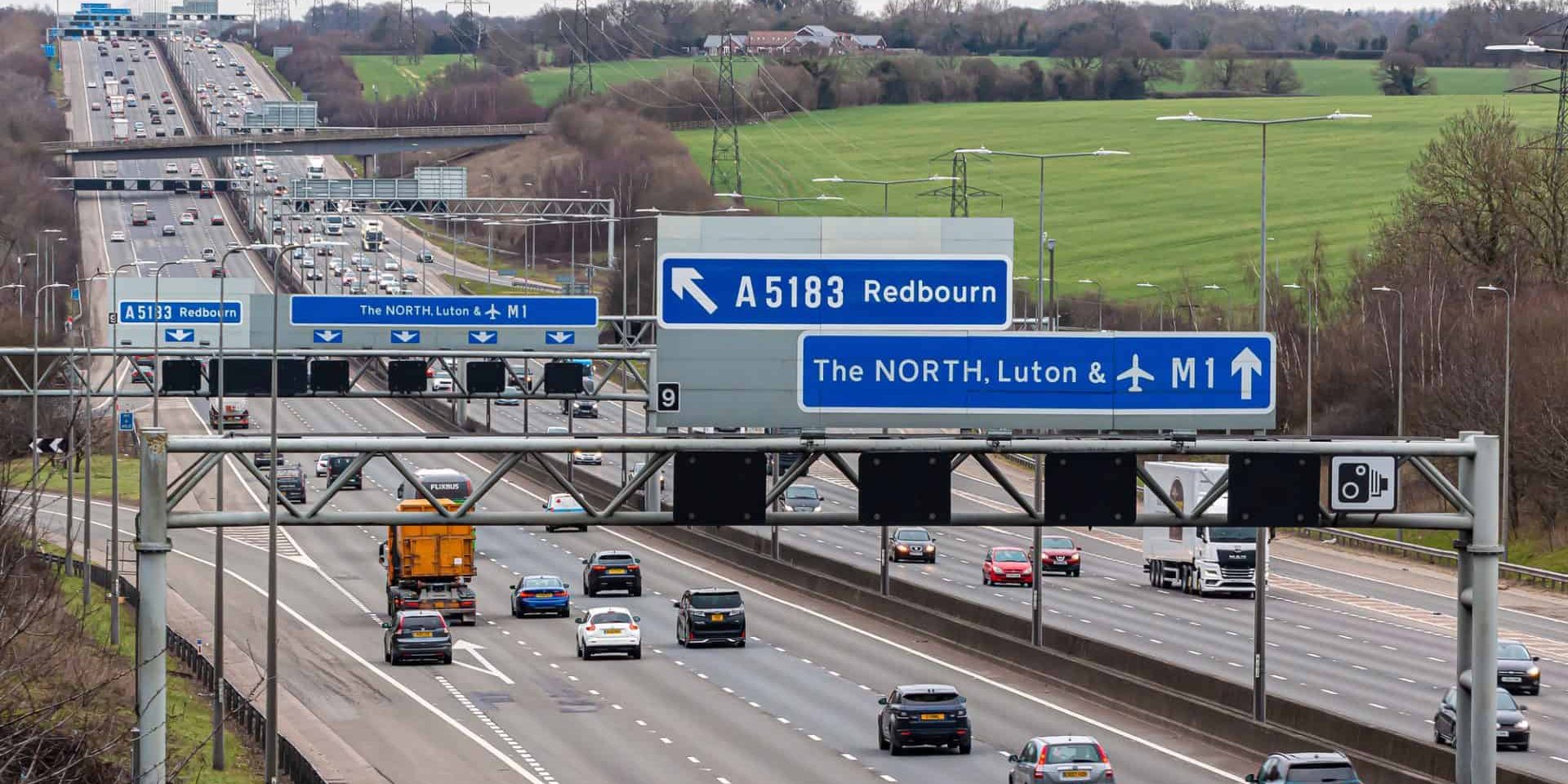
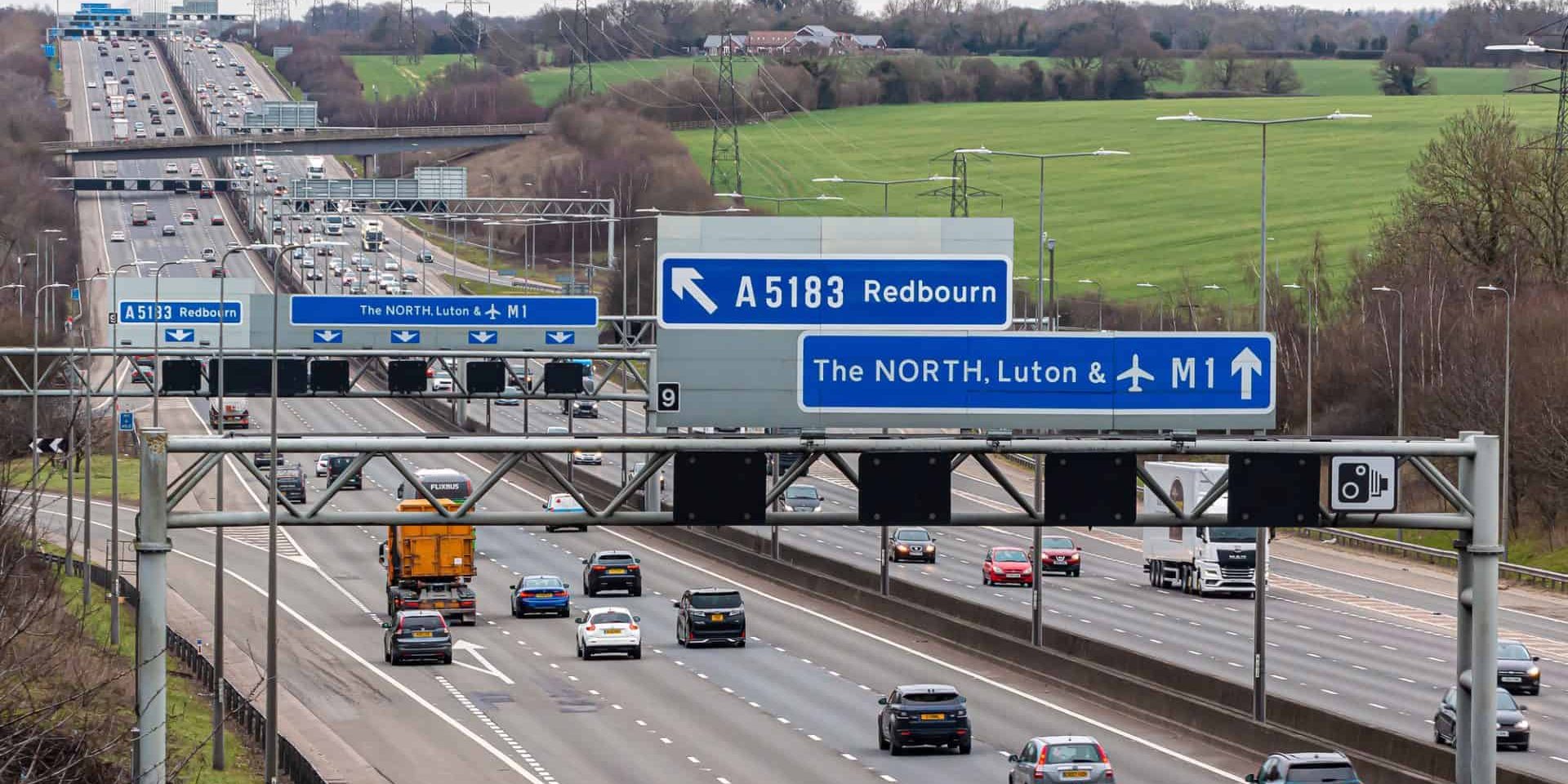
Millions of drivers who use the M6 and M42 motorways in the West Midlands face six full weekend closures between late June and August 2026, as HS2 contractors install three giant viaduct structures over the carriageways. The closures will take effect from 9pm on the relevant Friday evenings and will not lift until 5am on the following Monday mornings, giving contractors the maximum possible window to carry out the work while limiting disruption to weekday commuters. The first closure begins on the evening of Friday 26 June 2026. If you use the M42 or the M6 near Birmingham Airport, Birmingham Business Park, Water Orton or Chelmsley Wood for work, leisure, or regular journeys, you need to understand the full closure schedule and plan your routes now, not the night before.
HS2 Ltd originally planned nine separate weekend closures to complete this phase of construction, but contractors found a way to carry out simultaneous work on two of the three structures during some of the same weekends, reducing the total to six. That is a meaningful saving for road users, but it does not make the closures themselves less significant. The junctions affected sit at the heart of one of England’s most congested motorway interchanges. The M6/M42 junction near Birmingham is one of the busiest intersections on the national road network, carrying approximately 100,000 vehicles on a typical weekday, and weekend leisure traffic peaks are only slightly lower. Diversionary routes will be in place during each closure, and HS2 has confirmed it is coordinating the works with National Highways, Birmingham Airport, and the NEC to avoid clashing with major events.
Which Roads Are Closing and on Exactly Which Weekends
The closures cover two main sections of the motorway network. The first is M42 junctions 5a to 7 northbound and junctions 6 to 7 southbound, in the section near Birmingham Business Park. The second is the link from M6 junction 4 onto the M42 northbound, which feeds traffic from the M6 corridor towards the NEC, Birmingham Airport and the M42 south towards Bromsgrove.
The schedule is as follows. The first closure begins at 9pm on Friday 26 June 2026 and runs until 5am Monday 29 June. This is the start of a series of four consecutive weekend closures on the M42 near Birmingham Business Park, covering the installation of 175 individual steel beams that will form the roof deck of the HS2 twin box structure. Each beam weighs between 56 and 92 tonnes and will be lifted into position using a 300-tonne crawler crane. The remaining three M42 Business Park closures run on the subsequent three weekends through July, meaning the M42 around junctions 6 and 7 will be closed every Friday to Monday night throughout much of July.
The second phase covers the Water Orton viaducts. Two single-track HS2 railway viaducts, each 1,200 metres long, are being extended by a further 135 metres to bridge the final gap across the motorway. This work requires four weekend closures starting at 9pm on Friday 24 July 2026. The M42/M6 Toll section near Water Orton will therefore be closed throughout the July and August periods in combination with the Business Park work.
The final closure covers the M6 South Viaduct near Chelmsley Wood. This structure requires a single weekend closure starting at 9pm on Friday 21 August 2026. After this closure lifts on Monday 24 August, the primary programme of motorway closures is complete, though overnight maintenance closures may continue through to November as final work on all three structures is finished.
Why This Is Happening and What Is Being Built
The three structures being installed are among the most technically complex civil engineering components of the entire HS2 Phase One works between London Euston and Birmingham Curzon Street. The twin box structure over the M42 near Birmingham Business Park will carry both tracks of the HS2 railway on a wide concrete box girder construction, spanning the full width of both motorway carriageways simultaneously. It is called a twin box because it consists of two parallel hollow box structures, one for each track of the railway, sitting side by side on shared piers on each side of the motorway.
At Water Orton, the two single-track viaducts each stretch 1,200 metres across the flat land either side of the M42/M6 Toll junction, which sits in a low-lying area where the motorways converge near the village of Water Orton in North Warwickshire. The extensions being installed this summer add the final 135 metres to complete each viaduct across the motorway itself, connecting the completed sections on either side. The piers that support these extensions were driven into the ground over the past two years and are clearly visible to anyone travelling this section of the M42.
The M6 South Viaduct near Chelmsley Wood carries the HS2 line over the M6 as it approaches Birmingham from the south-east. Chelmsley Wood is one of the most densely populated residential areas on the eastern edge of Birmingham, and the viaduct here has been engineered to minimise the visual and noise impact on nearby homes. Agnes Usciak, HS2’s Senior Project Manager for the works, said it was a huge team effort to reduce the programme to six weekend closures, and that minimising disruption for road users remains a key priority throughout the construction.
How to Plan Your Journeys Around the Closures
National Highways will publish detailed diversion routes for each closure ahead of each weekend. Ian Doust, Head of Network Planning and Development at National Highways, confirmed that the agency recognises there will be unavoidable disruption and advises drivers to leave extra time and use alternative routes wherever possible. The key alternative corridors are likely to be the A45 and A452 for east-west movements around Birmingham Airport and the NEC, and the M6 Toll for northbound traffic that would normally use the M42.
The M6 Toll remains open throughout all of the closures, making it the primary diversion for long-distance traffic travelling between the Midlands and the north-west or north-east. The standard toll charges apply. For local traffic, the A446 between Lichfield and Coventry passes through the Water Orton area and is likely to be extremely busy during weekend closures. Plan to travel well outside the weekend closure window if possible. Saturday mornings and Sunday evenings are expected to see the highest diversion traffic volumes.
Drivers travelling to or from Birmingham Airport during closure weekends should factor in significantly extended journey times from the motorway network. The airport sits directly adjacent to the M42 Business Park section affected by the closures. Terminals 1 and 2 can be reached via the A45 from both east and west without using the closed sections, but the approach roads will be under additional pressure. Birmingham Airport advises passengers with early morning flights on the Saturday and Sunday after each Friday-night closure to allow at least 30 minutes more than usual and to check the airport website for any specific traffic management advice ahead of their travel date.
For NEC visitors, the venue has its own access from the M42, but the primary approach from the M6 via junction 4 link road is one of the sections that will be closed. NEC visitors should check the event page for specific travel advice ahead of any event booked during a closure weekend. The nearby Birmingham International railway station remains unaffected and offers direct services from Birmingham New Street and London Euston.
Full information about the motorway closures and official diversion routes is available at hs2.org.uk/hs2-motorway-works, and drivers with questions can call the HS2 information line on 08081 434 434. National Highways will also post updates via its traffic information service at nationalhighways.co.uk as each closure date approaches.
Sources:

Leave a Comment
More in News

Teenage Drivers in London Now Pay £2,928 for Car Insurance, Quotezone Reveals

What Your Tyre Pressure Warning Light Actually Means (and How to Reset It)
How to Fix a Windscreen Chip Before It Fails Your MOT

Millions of Older Drivers Could Now Pay Doctors £62.50 for a DVLA Medical Letter
What Every UK Driver Needs to Know Now the Digital Driving Licence Is Live
Trending on Motoring Chronicle

NHTSA Investigates Nearly 1 Million GM Trucks Over Engines That Fail After Repair

All-new 2027 INFINITI QX65 blends sporty fastback design, luxurious interior and spirited, rewarding performance

Every New Audi Now Includes Free Maintenance as 2027 Prices Start at $44,400

Red Bull Advanced Technologies joins forces with Singer
