Why Your Used Electric Car Could Have a Battery Problem No One Will Fix


Britain’s used electric car market is growing rapidly, with tens of thousands of first-generation EVs now trading hands each year as owners upgrade and early adopters move on. For many buyers, a used electric car looks like an attractive proposition: cheaper to run, cheaper to insure in some categories, and increasingly affordable to buy as supply grows. What fewer buyers are told, and what industry experts are now warning about publicly, is that the way EV batteries are designed is creating a repair crisis that threatens the long-term value of every used electric car on the road.
The warning came from the FT Future of the Car Summit held in London in May 2026, where Antonia Stephenson, European Director of Operations for EV Battery Solutions at Cox Automotive, told delegates that the industry has built EVs with range and charging speed in mind rather than repairability. “We focus a lot on range as an industry,” she said, “and design has moved in the way of less repairable batteries.” Her remarks, reported by Auto Express, have sparked wider discussion about what this means for the millions of people who will buy used electric cars over the next decade.
How EV Batteries Are Designed Out of Repairability
An EV battery pack is not a single unit but a collection of individual cells grouped into modules, which are then assembled into the complete pack. In theory, a fault affecting a small number of cells should be fixable by replacing just those cells or the affected module, at a fraction of the cost of replacing the entire pack. In practice, many manufacturers have moved toward battery architectures that make partial repair extremely difficult or impossible.
Structural battery packs, pioneered by Tesla and subsequently adopted in various forms by other manufacturers, integrate the battery directly into the vehicle’s floor structure, using it as a load-bearing element of the chassis. This approach saves weight and space but makes the battery pack essentially impossible to service at cell or module level without specialised equipment that most independent workshops simply do not have. The same trend toward larger, denser battery cells with higher energy density has made individual cell replacement progressively less practical.
Stephenson also flagged that legislation is built more around recycling than repair, reducing the incentive for manufacturers to engineer repairability into their battery development. European end-of-life vehicle regulations require manufacturers to ensure batteries can be recycled, and the EU Battery Regulation sets targets for recovered materials. There is no equivalent regulatory framework requiring that batteries be repairable in the field, which means manufacturers have little commercial incentive to design for anything other than whole-pack replacement when a fault occurs.
What This Means for Second-Hand EV Values
The financial implications for used EV owners and buyers are significant. When a petrol car’s engine develops a serious fault, the repair market is mature, parts are widely available, and independent mechanics can carry out the work at competitive rates. When an EV battery pack develops a serious fault, the realistic options for most owners are a manufacturer-authorised whole-pack replacement, which can cost anywhere from £5,000 for a small city car to £20,000 or more for a premium SUV, or writing the vehicle off.
Stephenson made the link to residual values explicit: “If you’re manufacturing EVs that can’t be repaired, it’s going to be a real challenge to sustain residual values. Brand reputation is very important, and with so much choice now, people are going to be thinking about repairability in the future.” This is not a theoretical concern for future buyers. It is an immediate issue for anyone who owns or is thinking about buying a used electric car that is approaching the end of its manufacturer warranty.
Most EV batteries in Britain are covered by a manufacturer warranty of eight years or 100,000 miles, whichever comes first. This is partly a regulatory requirement under EU rules carried over into UK law, and partly a competitive necessity given buyer anxiety about battery longevity. Within that warranty period, a failing battery is the manufacturer’s problem. Beyond it, the cost falls entirely on the owner, and the replace-not-repair culture means that cost can be catastrophic relative to the vehicle’s value.
A five-year-old Nissan LEAF, one of the most common used EVs on British roads, might be worth £8,000 to £12,000 depending on trim and condition. A battery pack replacement for a second-generation LEAF 40kWh costs in the region of £6,000 to £8,000 through the Nissan network. That is close to the entire market value of the car. An independent repair that replaces only the degraded cells or a single defective module would cost far less, but the infrastructure to carry that out reliably and at scale barely exists in the UK at present.
The Parts Problem as Technology Advances
Stephenson raised a second dimension to the problem that is specific to the EV battery market: as technology evolves and the cells fitted to older vehicles go out of production, the cost of whole-pack replacement will increase further, and the practical possibility of keeping older vehicles on the road will diminish. “If a second-hand vehicle does not have a warranty, if the battery’s only option is to be recycled and a new one purchased, it’s not as cost-effective as people would expect from a second-hand vehicle,” she said.
This parts obsolescence risk is not unique to EVs. A classic car or an older diesel can face the same issue with specific components. But the difference is that with a conventional car, the critical component, the engine, can often be rebuilt from generic parts or sourced from breakers yards. With an EV battery, the chemistry and cell format are proprietary, and once the manufacturer stops producing a given pack, the secondary market for replacements is thin at best.
The right-to-repair movement has been pushing for legislation that would require manufacturers to make parts and repair information available to independent workshops for a minimum number of years after a vehicle’s production ends. The EU Right to Repair Directive, passed in 2024, applies to a range of consumer products but does not yet specifically address EV battery packs in the way that consumer groups have been calling for. In the UK, equivalent legislation remains at the consultation stage.
What to Check Before Buying a Used Electric Car
None of this means that buying a used electric car is a bad decision. For many drivers it remains an excellent one. But buyers need to go in with a clear understanding of the battery’s condition and coverage, and what they are taking on if the pack fails after the warranty expires.
The first thing to check is the remaining manufacturer battery warranty. As noted above, most manufacturers cover EV batteries for eight years or 100,000 miles. Ask the seller for documentation of service history and warranty status. For vehicles sold through franchised dealers, the original warranty should be transferable to new owners, though this should be confirmed in writing. For private sales, warranty transfer rules vary by manufacturer.
Request a battery health report from the dealer or, for a private sale, ask to have one conducted by an independent EV specialist before purchase. A battery health check measures the battery’s State of Health as a percentage of its original capacity. Most manufacturers consider anything above 70 per cent of original capacity to be within normal parameters for a vehicle of that age and mileage, but a pack reading below 80 per cent in a relatively young vehicle can indicate accelerated degradation. Several independent EV specialists and some franchised dealers now offer battery health checks for £50 to £150, which is money well spent before committing to a purchase.
Also research the manufacturer’s stated position on battery repair versus replacement. Nissan, for example, has been working with third-party companies to develop module-level replacement options for older LEAF models, which significantly reduces repair costs. Other manufacturers take a whole-pack replacement approach by default. The manufacturer’s policy matters because it determines what a dealer or authorised repair centre will actually do if the battery develops a problem, and at what cost.
Stephenson’s call for the industry to adopt a “repair mindset” reflects a growing recognition that the second-hand EV market cannot scale sustainably if battery failure means write-off. “Keeping the battery in the ecosystem for as long as possible is what decarbonisation is all about,” she said. “It’s environmentally better, it’s financially better, and it also creates that repairability and an industry that’s going to sustain the second-hand car market as vehicles age.” Until manufacturers and regulators respond to that call with concrete action, buyers need to do their own due diligence.
Sources:

Leave a Comment
More in News

The Age Your Car Starts Failing Its MOT, According to 33 Million Tests
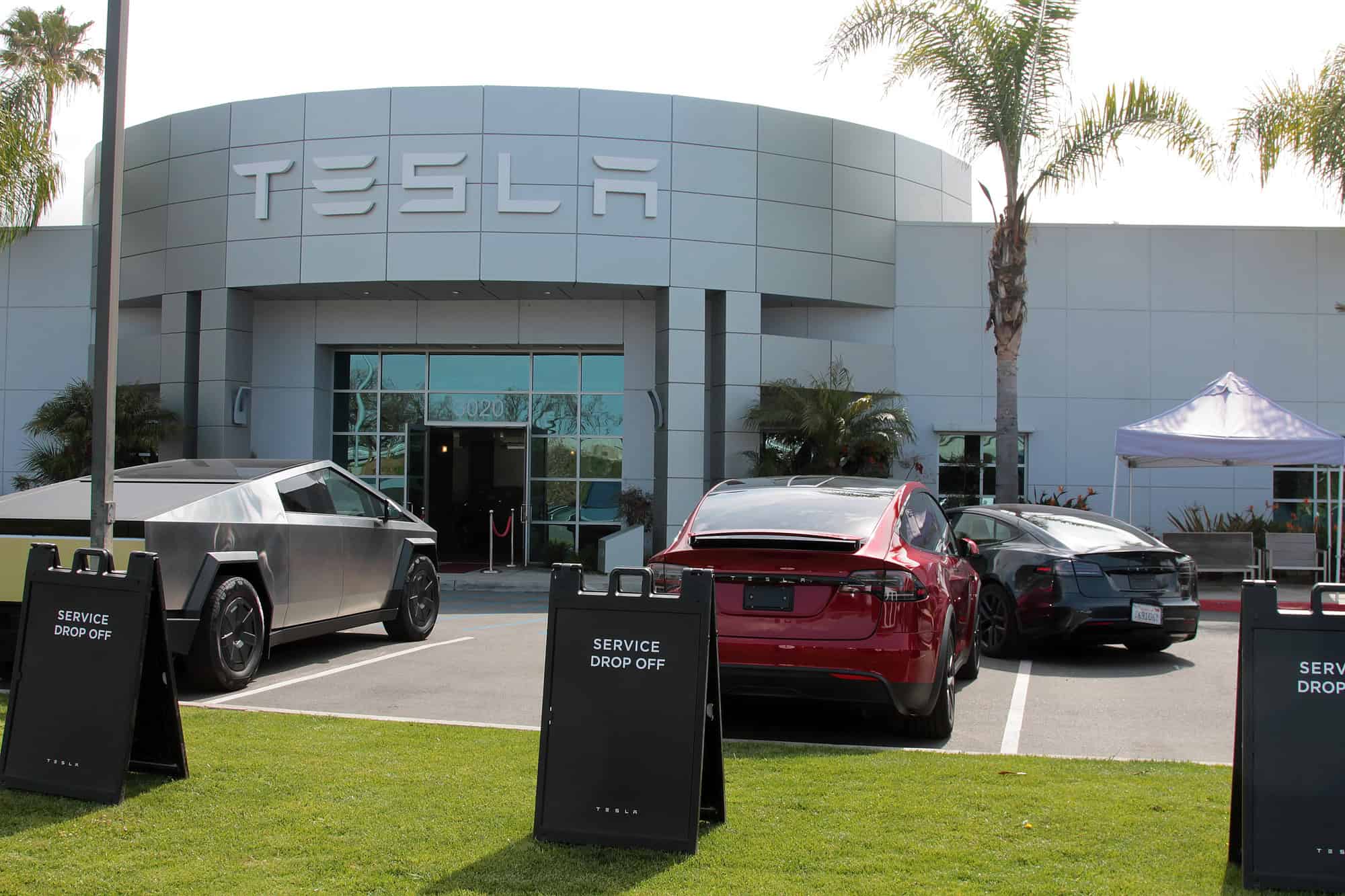
Why Battery Health Now Decides What a Used Electric Car Is Worth

How to Avoid Losing Your Deposit When a Used Car Dealer Goes Under
What Actually Ruins Car Paint and How to Stop It Without Paying for a Detailer
Every Insured Driver in Britain Pays Extra for the 300,000 Uninsured Cars on the Road Each Day
Trending on Motoring Chronicle
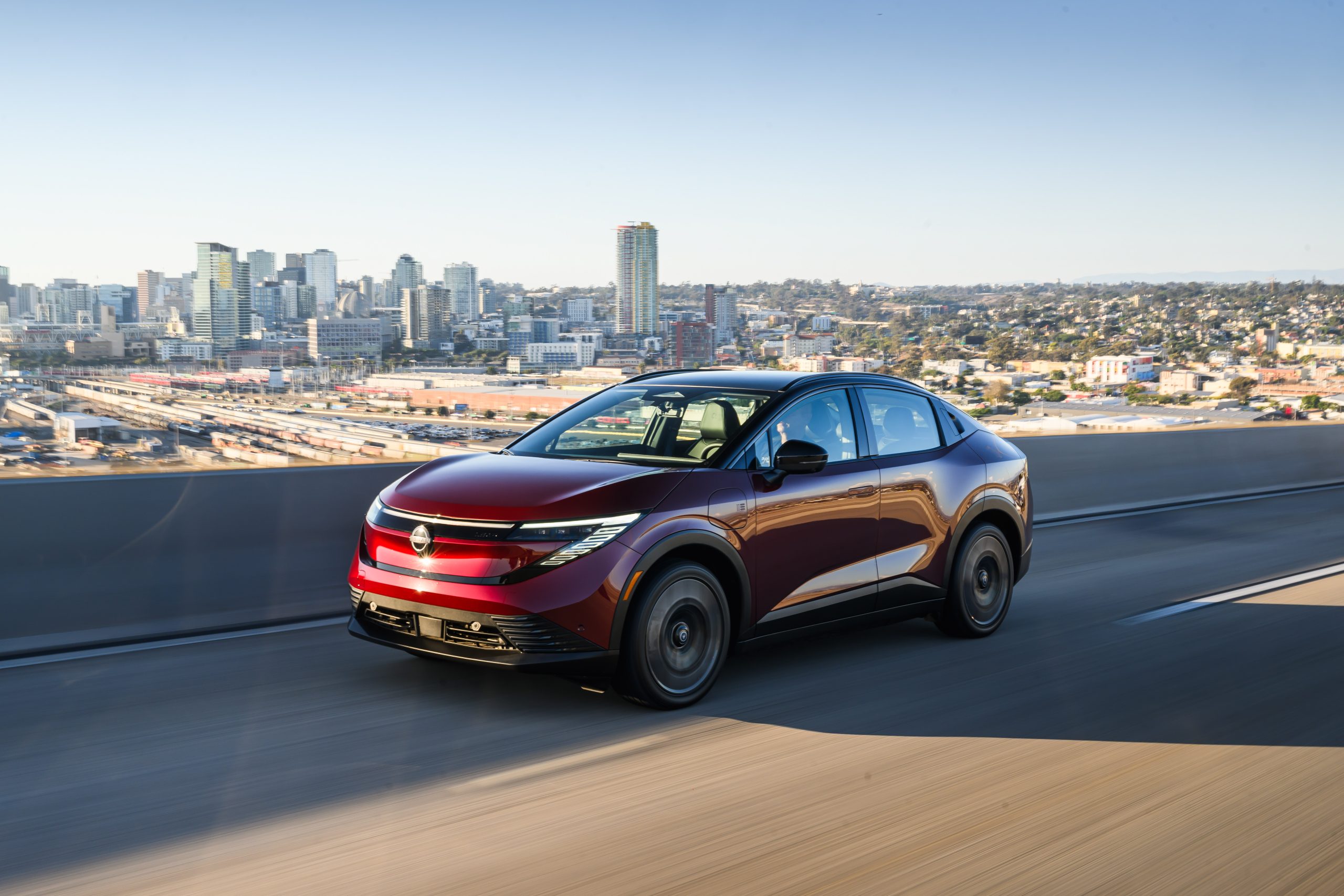
Electric Car Grant Turns One as 140,000 Drivers Save Up to £3,750

Hyundai Santa Fe Named Best Hybrid of 2026 by The Drive

Why Petrol Is Still at 157p When Wholesale Prices Should Have Brought It Down

Ford Recalls 47,587 F-150 and Super Duty Trucks Over a Hidden Backup Camera Glitch