Why Your Next MOT Comes With A Live Photo Of Your Car In The Test Bay
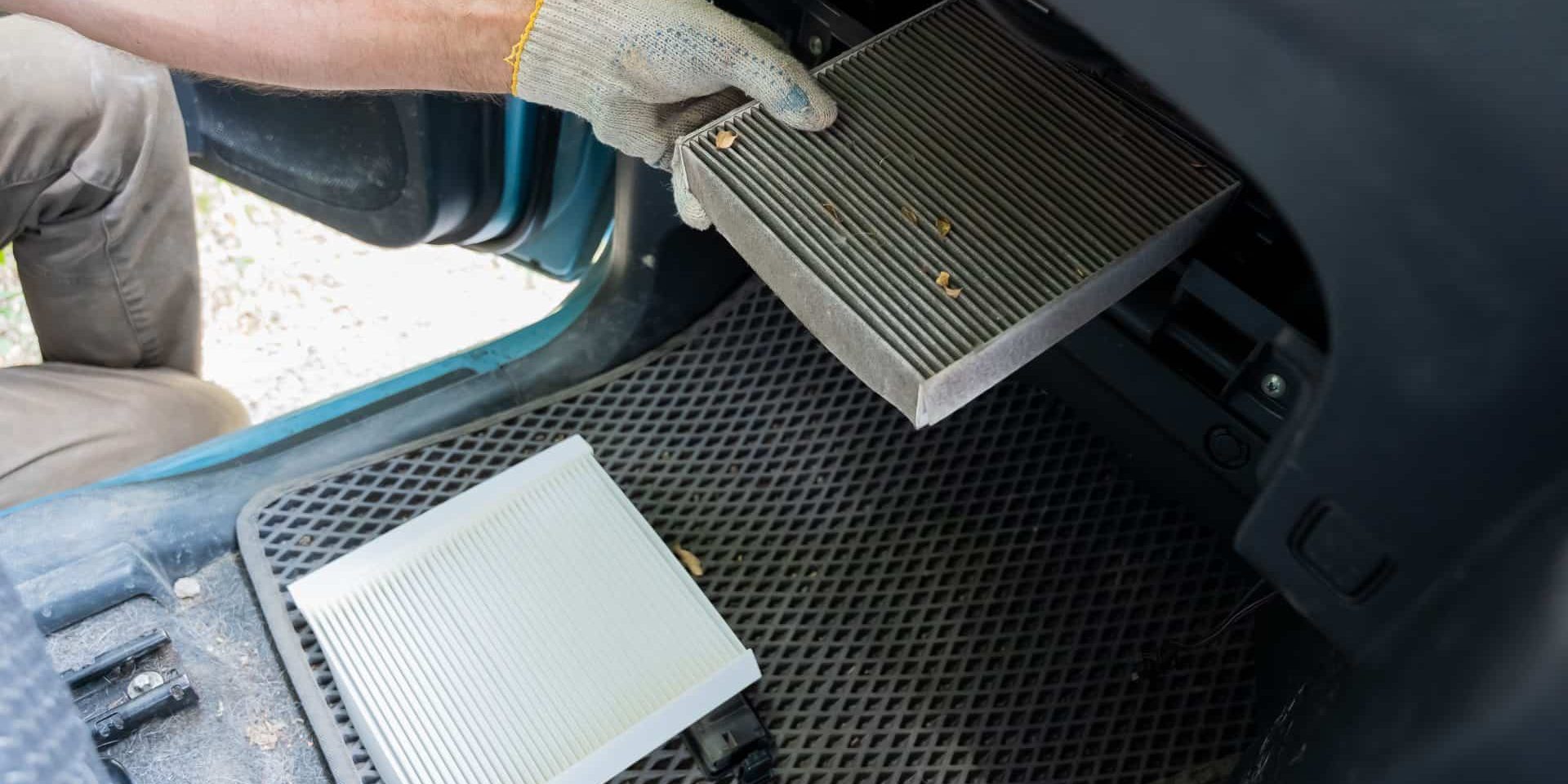
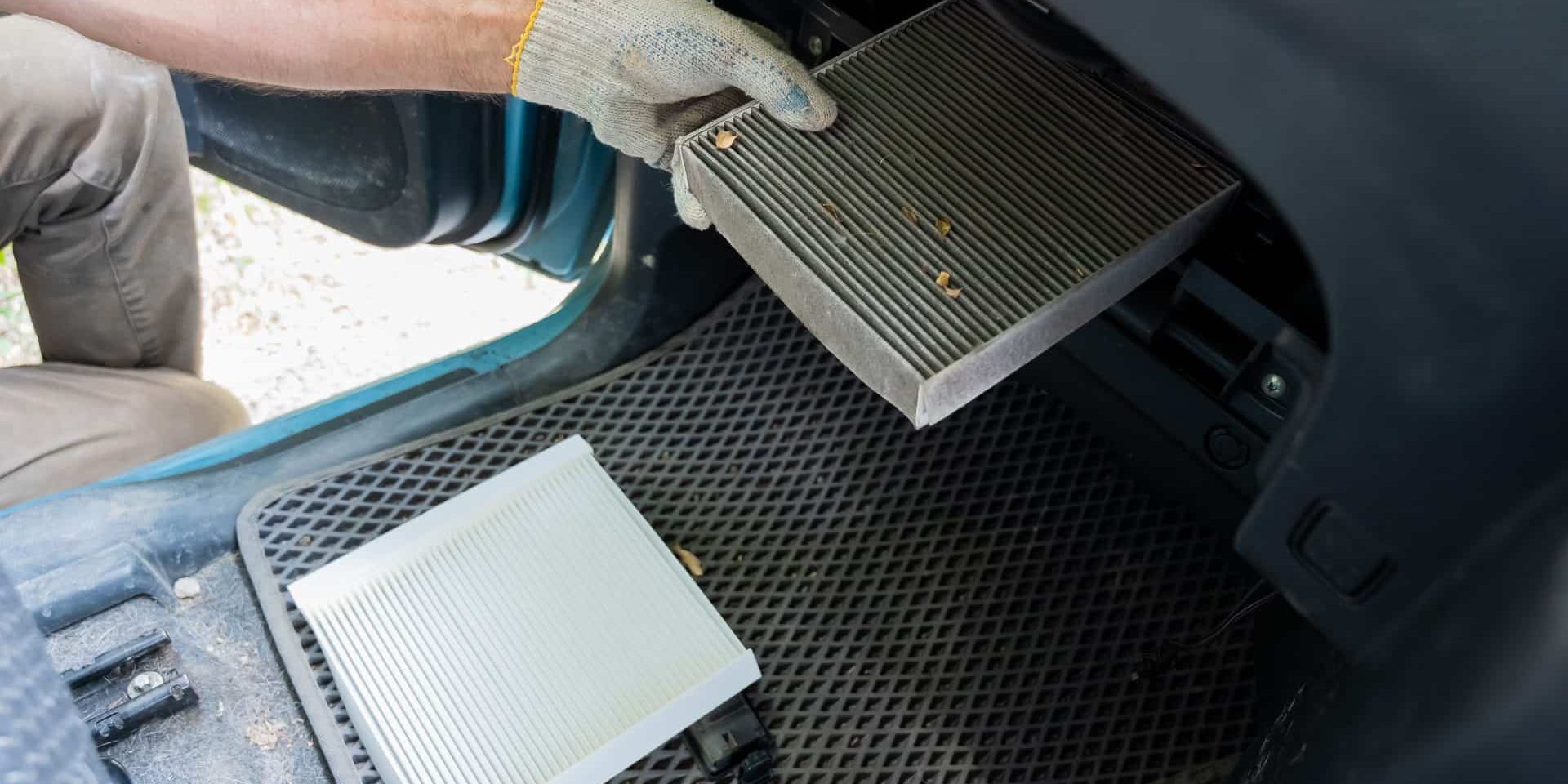
The MOT certificate you trust to keep your car legal has, for years, been one of the easiest documents in motoring to fake. Almost 80 per cent of fraudulent MOTs are issued for cars that never entered a test bay, and that “ghost MOT” loophole is about to close. The Driver and Vehicle Standards Agency is rolling out a nationwide photo evidence rule that forces every tester to upload a live snapshot of your car before they can pass or fail it.
The change will not cost you a penny on the day. The £54.85 cap on the price of a car MOT stays the same. But the new rule changes who is protected and how, and it has a knock-on effect on insurance, used car checks and the way private buyers should treat any vehicle with a suspiciously clean ten-year MOT history.
How The New Rule Works
Once a tester enters your registration into the MOT Testing Service, the system now prompts them to capture a photograph using a smartphone or tablet. The image must show the car and the number plate inside the testing bay. It is uploaded directly into the MTS database and timestamped. Pre-stored or library images are blocked. Until that photo is on file, the tester cannot complete the test or issue a certificate.
The DVSA piloted the system through 2024 and into early 2025 with 170 testers at 62 garages. More than 13,000 photos were submitted by the time the first phase ended. A second-phase expansion lifted the trial to 244 garages, and the agency has confirmed the scheme is now moving toward mandatory rollout across the 23,000 garages on the MOT network. Final implementation is expected during 2026, with most centres already in the system.
The DVSA will use machine-learning image analysis to flag patterns consistent with fraudulent testing. Examples include the same bay appearing on tests for vehicles registered hundreds of miles apart on the same day, plates that have been digitally manipulated, or cars whose model in the image does not match the make on the V5C. Where a pattern is detected, the agency can revoke the certificate, suspend the tester and refer the case for prosecution.
What A Ghost MOT Actually Is
A ghost MOT is a pass certificate issued for a vehicle that was never inspected. The fraud takes two forms. In the first, a corrupt or pressured tester logs into the MTS, types in a registration, ticks the relevant fields and issues a pass without the car ever entering the workshop. In the second, an organised gang uses stolen tester credentials to issue clean certificates remotely for dozens or hundreds of vehicles a month, often selling the fakes to dishonest used car dealers or to scrapyards trying to launder write-offs back onto the road.
The DVSA says nearly four out of every five fraudulent MOTs fit this pattern. The damage is not abstract. The agency has recorded cars with bald tyres, corroded brake lines and missing seatbelts wearing valid-looking MOT certificates, some of them sold to private buyers via online classifieds. A ghost MOT also lets uninsured or unroadworthy vehicles slip past automatic number plate recognition cameras until the next time the certificate runs out.
What The Photo Rule Means For Buyers
If you are looking at a used car, the new evidence requirement strengthens the MOT history page at gov.uk/check-mot-history. From now on, any test carried out at a participating garage should have an accompanying upload. The check itself remains free to use and lets you see every advisory, fail and pass back to 2005. The new layer is that a missing image attached to a recent test entry can be a warning sign, and you can ask the dealer or seller to explain it.
The change will also reshape the relationship between the MOT and your insurance. If you put in a claim and the insurer suspects the vehicle has been certified fraudulently, it can now request the original test photograph from the DVSA. Where the image either does not exist or does not match the car you handed to the body shop, the insurer can refuse the claim under the Consumer Insurance (Disclosure and Representations) Act 2012, on the basis that the vehicle was not roadworthy at the start of cover.
What Drivers Are Required To Do
The simple answer is nothing different. The 12-month MOT cycle stays the same. Cars still need their first MOT three years after first registration, and the test items are unchanged. The tester takes the photo, not the customer, and you do not appear in the image. The plate has to be clearly visible in the bay, but that is the tester’s responsibility.
What you can do is verify the certificate after the test. Once you receive the printout or email, look it up on the MOT history checker the next day. If there is no record, ring the garage and the DVSA on 0300 123 9000 to flag it. A missing record is the single most common indicator of a fake certificate.
The Broader Crackdown
The photo rule is part of a wider DVSA enforcement push. From 9 January 2026, any MOT tester or Authorised Examiner who is given a two-year or five-year cessation for serious misconduct is banned from holding any MOT-related role for the full duration of the sanction, including indirect involvement through another business. From the same date, testers can no longer test vehicles owned by themselves or by their employer, a long-standing conflict of interest that the agency has now closed.
From April 2026, MOT centres are required to use jacking equipment rated for heavier electric vehicles. The new wave of EVs typically weighs between 200 kilogrammes and 500 kilogrammes more than a petrol equivalent due to the battery pack, and the previous standard jacking spec was rated for lighter cars. Centres that have not upgraded by the deadline cannot test heavier EVs at all.
For owners of small electric vans between 3,500 and 4,250 kilogrammes, a separate rule that took effect on 1 June moves these vehicles into Class 7 MOT testing on a three-year first-test cycle rather than the old annual cycle that applied while they were classed as LGVs. We covered the change in our piece on why electric vans get a 60 per cent cheaper MOT.
Where Fraud Has Been Most Common
The DVSA does not publish a public ranking of garages by suspected fraud, but the agency’s annual enforcement bulletin reports that the highest concentration of disciplinary action sits with very small one or two-person stations operating outside major franchised networks. Trading Standards investigators have prosecuted cases involving “MOT mills” where a single tester was producing more certificates in a working day than there are hours to test cars. The photo rule should make this volume of activity immediately visible to the DVSA’s image analysis pipeline.
Buyers of older cars sold through auction or part-exchange are most exposed. A 12-year-old hatchback with a recent pass from a garage 200 miles from where it is being sold is a classic warning sign. The new system means a missing photo upload on that certificate is a hard data point you can use to walk away from a deal.
What To Do If You Suspect A Ghost MOT
Report concerns to the DVSA on 0300 123 9000 or by email at [email protected]. Include the registration, the certificate number and the test station. If you are mid-purchase, do not hand over money. A vehicle without a genuine MOT cannot lawfully be used on a public road unless it is being driven to a pre-booked test, and your insurance can be refused if you drive it away. A ghost certificate is not just a paperwork issue. It can turn a buyer into the registered keeper of an uninsured, unroadworthy car overnight.
For drivers who have already had an MOT in 2026, you can still go back and check the gov.uk record retrospectively. If the test was carried out at a garage participating in the rollout and there is no image, that is a flag worth raising with the centre. Reputable garages should be able to explain why and produce evidence.
The photo rule will not stop every fraud overnight, but it sets a clear evidentiary standard for the first time. Drivers, buyers and insurers all get a better paper trail. For more on roadworthy enforcement, see our coverage of police seizures of uninsured vehicles and the AI roadside cameras now checking phone use.
Sources:

Leave a Comment
More in News
What Rising Speeding and Untaxed Car Convictions Mean for Every UK Driver

Why Diesel Just Recorded Its Biggest One Month Price Fall Since 2000

Late Night Car Meets Banned in Kensington as Court Grants Police Seizure Powers
Southwark Must Refund 10,422 Drivers After Issuing Bus Lane Fines Unlawfully

Buckinghamshire Switches On 14 New Traffic Cameras This Month With £70 Fines
Trending on Motoring Chronicle
Why Some Electric Cars Are Failing Their MOTs at Twice the Rate of Others

Why Seven in Ten UK Garages Expect Drivers to Skip Vital Repairs This Year

How Often Should You Rotate Your Tyres? Complete Guide

Introducing The Lamborghini Temerario: An Authentic “Fuoriclasse” [Photo Gallery]