Can You Still Pass? Mandatory Eye Tests for Over-70 Drivers Are Closing In
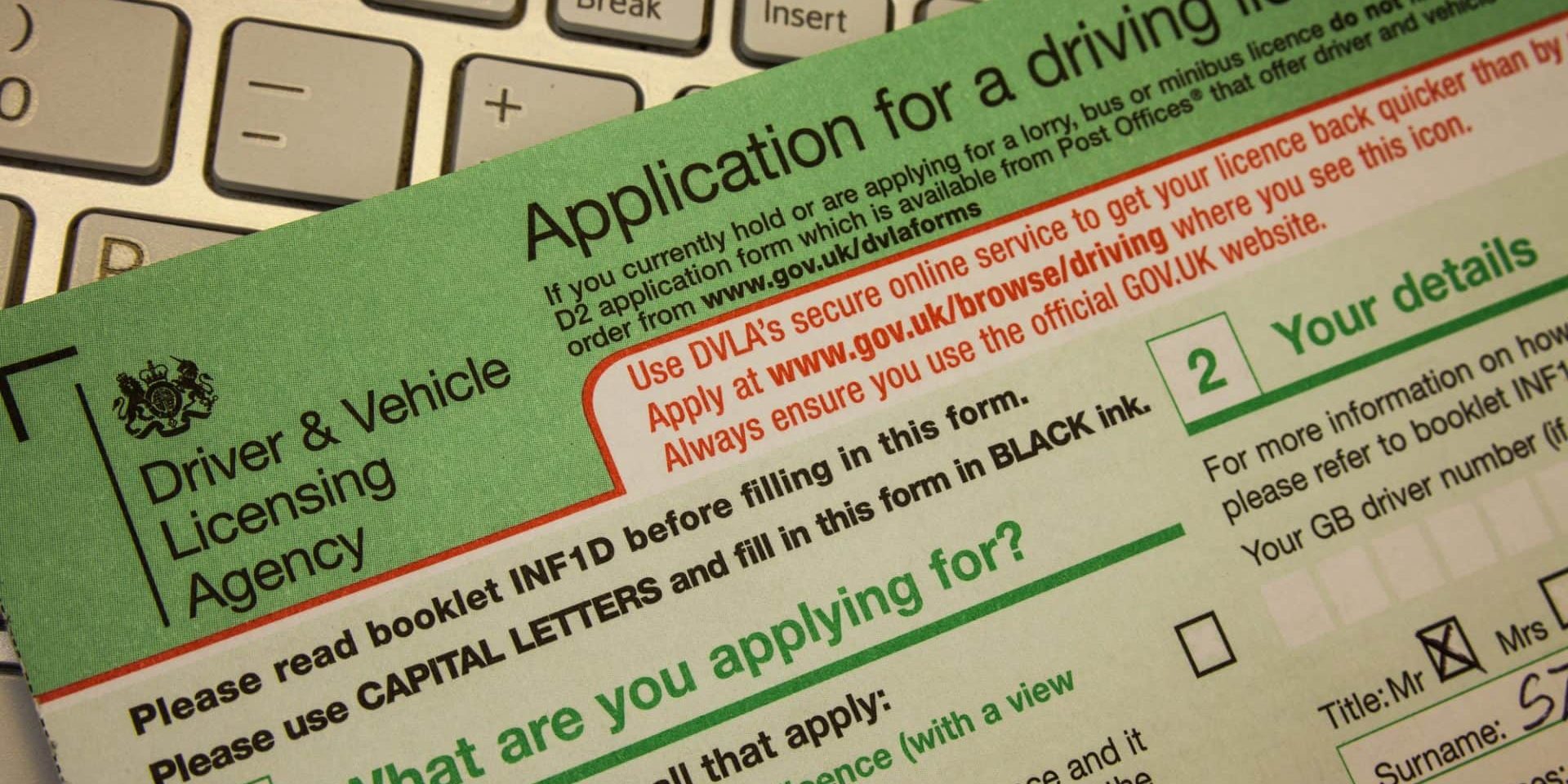
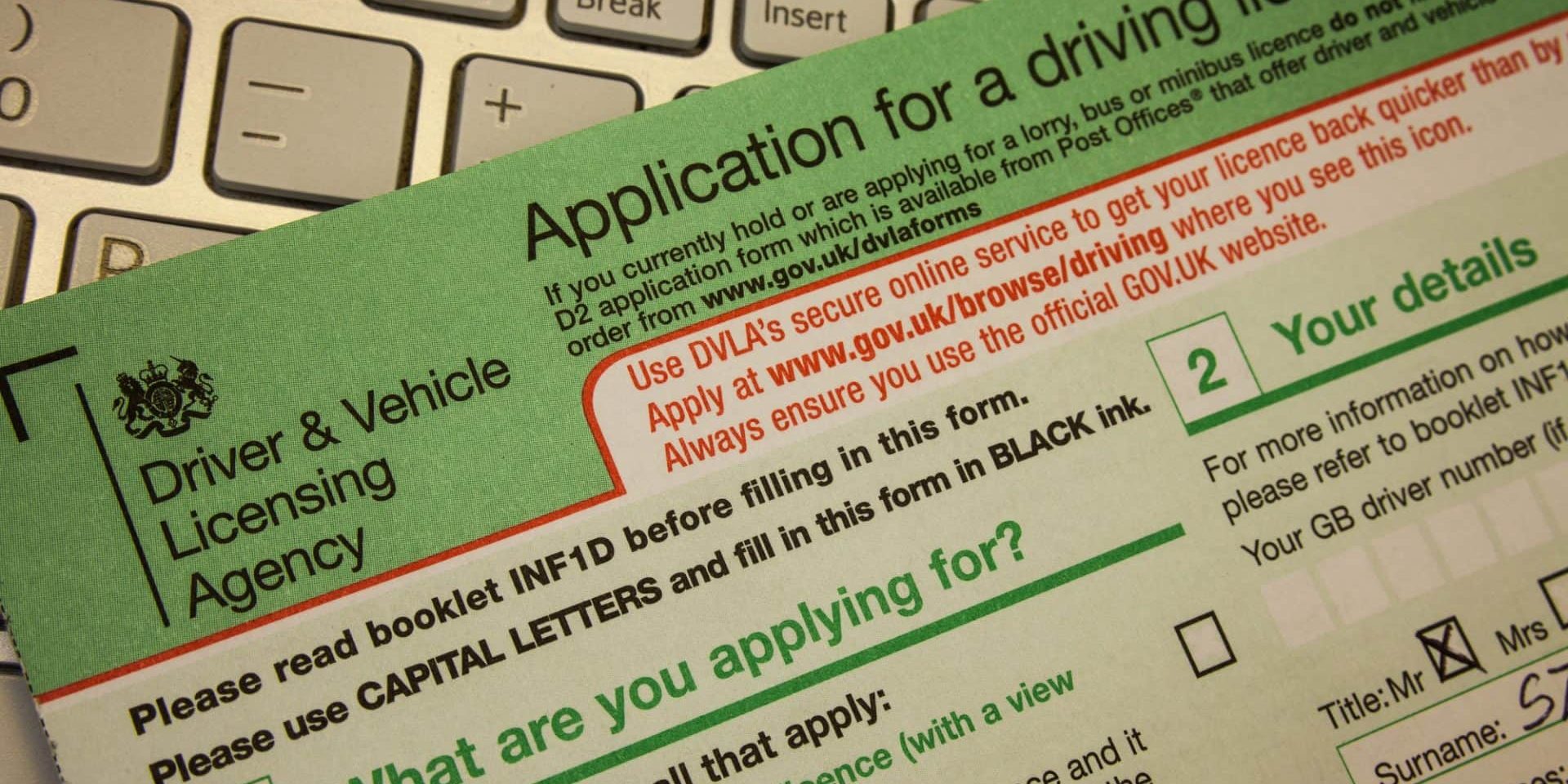
Right now, if you are 70 years old and renewing your driving licence, you tick a box and send a form. You declare, on your word alone, that you can still see well enough to drive. No optician signs anything. No test is booked. No professional independently verifies the claim. The system has worked this way since driving licences were first required for older drivers, and for the more than 6.3 million people in Great Britain who hold a full car or motorcycle licence while aged 70 or over, it has been the only system they have ever known. That may be about to change.
The government’s consultation on introducing mandatory eyesight testing for older drivers closed at 11:59pm on Sunday 11 May 2026. It drew to a close a public input process that could fundamentally reshape how Britain handles one of its longest-running road safety debates. Labour launched the consultation alongside four others in January 2026 as part of its first national Road Safety Strategy in more than a decade. Responses are now being reviewed, and the government has indicated it intends to move quickly with any potential law changes following the review. A summary of responses is expected before the end of 2026.
The Evidence Behind the Proposals
Department for Transport statistics make the case for reform difficult to dismiss. There were 1,224 older car driver casualties recorded as killed or seriously injured in 2024, a seven per cent increase compared with 2014. Nearly 20,000 driving licences have been revoked over a three-year period due to eyesight-related issues alone. Collisions attributed to eyesight problems among older drivers rose by 26 per cent in a single year. These numbers underpin Labour’s stated primary objective: to reduce road deaths and injuries among older drivers and other road users caught in collisions with them, while preserving drivers’ independence, mobility and social connectivity.
The current system works like this. When a driver reaches 70, their licence automatically expires and they must apply to renew it free of charge every three years. The renewal requires a legal declaration confirming the driver meets minimum eyesight standards, alongside disclosure of any medical conditions that could affect their fitness to drive. The minimum standard requires reading a standard number plate from 20 metres, approximately the length of five parked cars, and having a visual acuity of at least decimal 0.5 on the Snellen scale. Glasses and contact lenses count toward meeting that threshold. What the system does not currently do is verify those declarations independently.
Under the proposed changes, drivers aged 70 and over would be required to pass a formal eyesight test every three years as part of their renewal process, rather than self-declaring. The professional conducting the test would face a legal obligation to report results directly to the DVLA. That obligation represents a significant change in responsibility: instead of the driver personally confirming their fitness to drive, the professional performing the test would be required to notify the licensing authority if the standard was not met.
What Else Is Being Considered
The consultation went beyond vision alone. Feedback gathered during the process will also inform options for cognitive testing for drivers aged 70 and over. Eyesight is one dimension of age-related driving risk, but reaction times, decision-making speed and spatial awareness all change as people age. The government has indicated it intends to explore how assessments of these functions might be incorporated into the licence renewal process for older drivers, though no specific framework has yet been proposed for that element.
The consultation also explored whether healthcare professionals could face a legal obligation to report patients to the DVLA when they are no longer fit to drive. Currently, that duty rests entirely with the patient. A doctor or optician can advise someone to stop driving, but cannot compel the DVLA to revoke the licence. The proposals would shift part of that responsibility onto the clinicians already monitoring a driver’s health, a change that medical bodies including the College of Optometrists and the Macular Society have both said they would welcome.
Labour stated that mandatory eyesight tests, medical assessments and greater involvement of healthcare professionals could all form part of a broader package of measures to reduce road risks. It even raised the prospect that healthcare professionals could face a specific legal obligation to report patients directly to the DVLA once it was clear they could no longer drive safely. The details of how that obligation would work in practice, and what protections it would offer both clinician and patient, will be subject to further consultation if the government proceeds.
How Other Countries Approach This
Britain’s current approach is more permissive than many comparable countries. In Australia, most states require drivers over 75 or 80 to undergo periodic medical assessments, and some states require practical driving tests after a certain age. In Japan, drivers over 75 must pass a cognitive function test before renewing their licence, and those who score below a threshold in that screening must then take a practical driving test. Finland, Sweden and the Netherlands all incorporate independent medical checks into older driver renewal processes. The UK has long relied on self-declaration as a balance between road safety and personal autonomy. The Road Safety Strategy suggests that balance is now being reconsidered.
There are approximately two million drivers in the over-70 age group who renew their licence each year in Great Britain. Any change to the renewal process for this cohort would be one of the most significant shifts in UK licence administration in decades, both in administrative terms for the DVLA and for the millions of older people whose driving licences are often their most important document for independence and daily life.
Who Pays and What It Would Cost
No decision has been taken on who would bear the cost of any new test. The consultation raised three possibilities. The first would use the existing free NHS eyesight test, which all adults aged 60 and over are already entitled to receive without charge at any registered optician. The second would require the driver to pay for a separate formal assessment. The third would split costs between the government and the licence holder. With around two million over-70s renewing annually, the choice of funding model carries significant financial implications.
The free NHS test is already widely available. Every high street optician offers it, it takes around 30 minutes, and it covers not just visual acuity but also field of vision, which is directly relevant to driving. Using the existing NHS infrastructure would be the lowest-friction route for most drivers. It would, however, impose additional administrative demands on opticians, who would need to report results to the DVLA rather than communicating them only to the patient.
What Older Drivers Should Do Now
Nothing has changed yet. Drivers aged 70 and over renewing their licence in 2026 do so under the existing rules, which remain in force. Any new requirement would need secondary legislation to be drafted, debated and passed by Parliament before it could take effect. That process takes time. A realistic timetable would see any mandatory testing begin no earlier than 2027, and possibly later depending on how quickly the government moves following its review of consultation responses.
Getting an eye test now, before any law requires it, is simply good practice. If you are aged 60 or over, you are already entitled to a free NHS eye test every two years, bookable directly at any registered optician without a GP referral. An optician can confirm whether your vision currently meets the driving standard and advise on glasses or contact lenses if it does not. If you already wear corrective lenses for driving, it is worth checking your current prescription is still bringing your vision up to the required level, since prescriptions change and a pair of glasses that was adequate three years ago may no longer be adequate now.
If you receive a letter from the DVLA querying your fitness to drive, you have the right to submit medical evidence in response. If a licence is revoked on medical grounds, there is an appeals process. Details of DVLA medical enquiries and appeals procedures are available at GOV.UK.
The five Road Safety Strategy consultations that closed on 11 May 2026 covered mandatory eyesight testing, drink-drive limits, seatbelt penalties, minimum learning periods for new drivers, and tougher penalties for dangerous driving. Together they represent the most ambitious proposed overhaul of UK road safety rules in a generation. For the 6.3 million older drivers on Britain’s roads, the coming months will bring the first clear indication of how much the rules are set to change and when.
Sources:

Leave a Comment
More in News

Why a Grinding Noise From Your Wheel Could Cost You £250 and Fail Your MOT
What a £10 Per Kilogram Car Tax Could Cost Drivers if Treasury Adopts It
What the Frozen £40,000 Car Tax Threshold Means for Almost a Million UK Drivers
DfT Asks Whether Fake Number Plates and Untaxed Cars Should Mean Points and Seizure

Every Driver Faces Higher Crash Risk After Clocks Go Back as AA Claims Jump 8%
Trending on Motoring Chronicle

New 2026 Nissan Z Heritage Edition revealed with retro cues from 300ZX

Driving in the dark: two thirds of motorists admit they have never changed a headlight bulb

Cadillac reveals Elevated Velocity crossover concept [Photo Gallery]

Honda Recalls Nearly 4,000 New Pilots and Passports Over Loose Subframe Bolts