How To Remove Sap From A Car
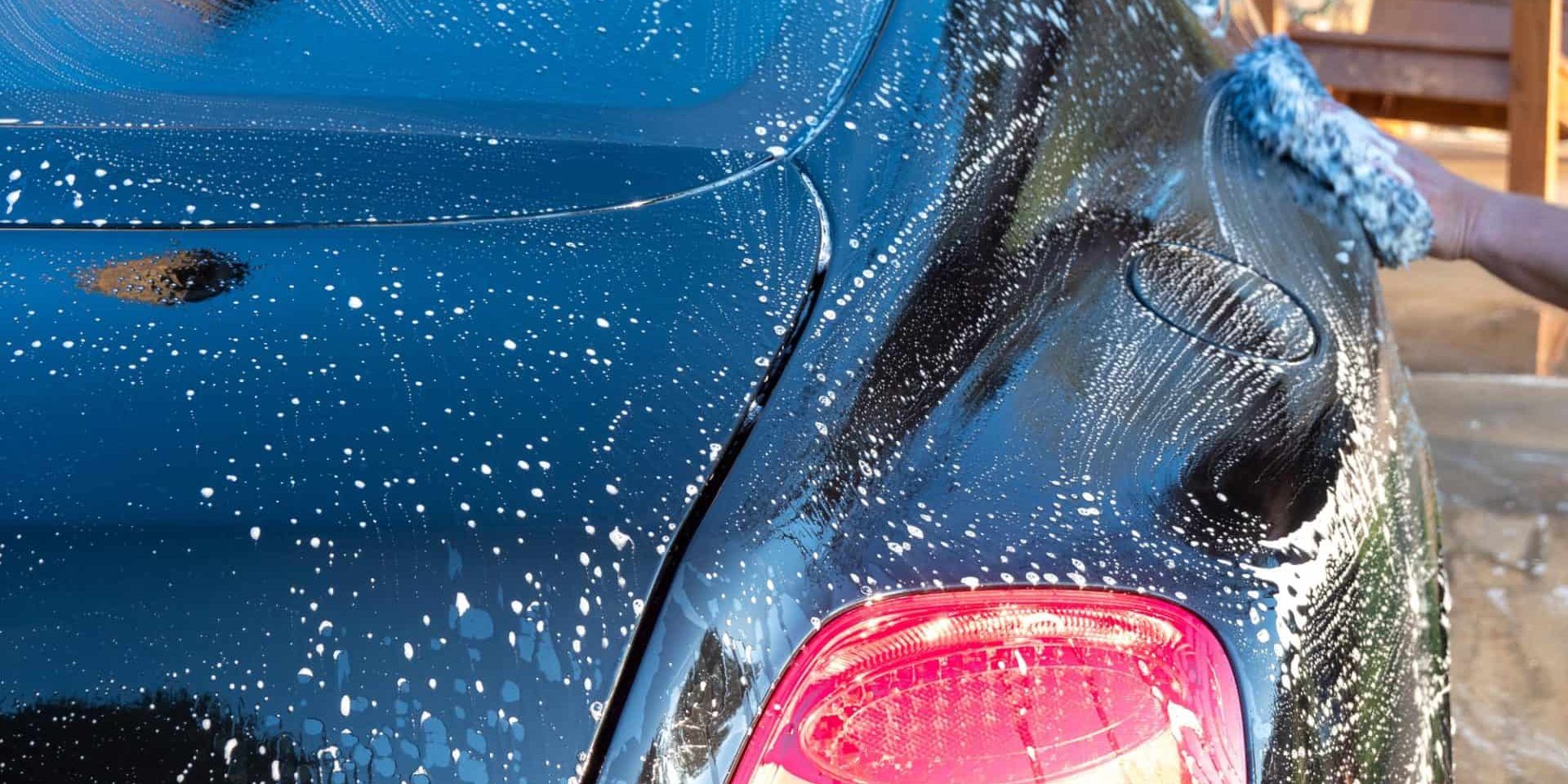
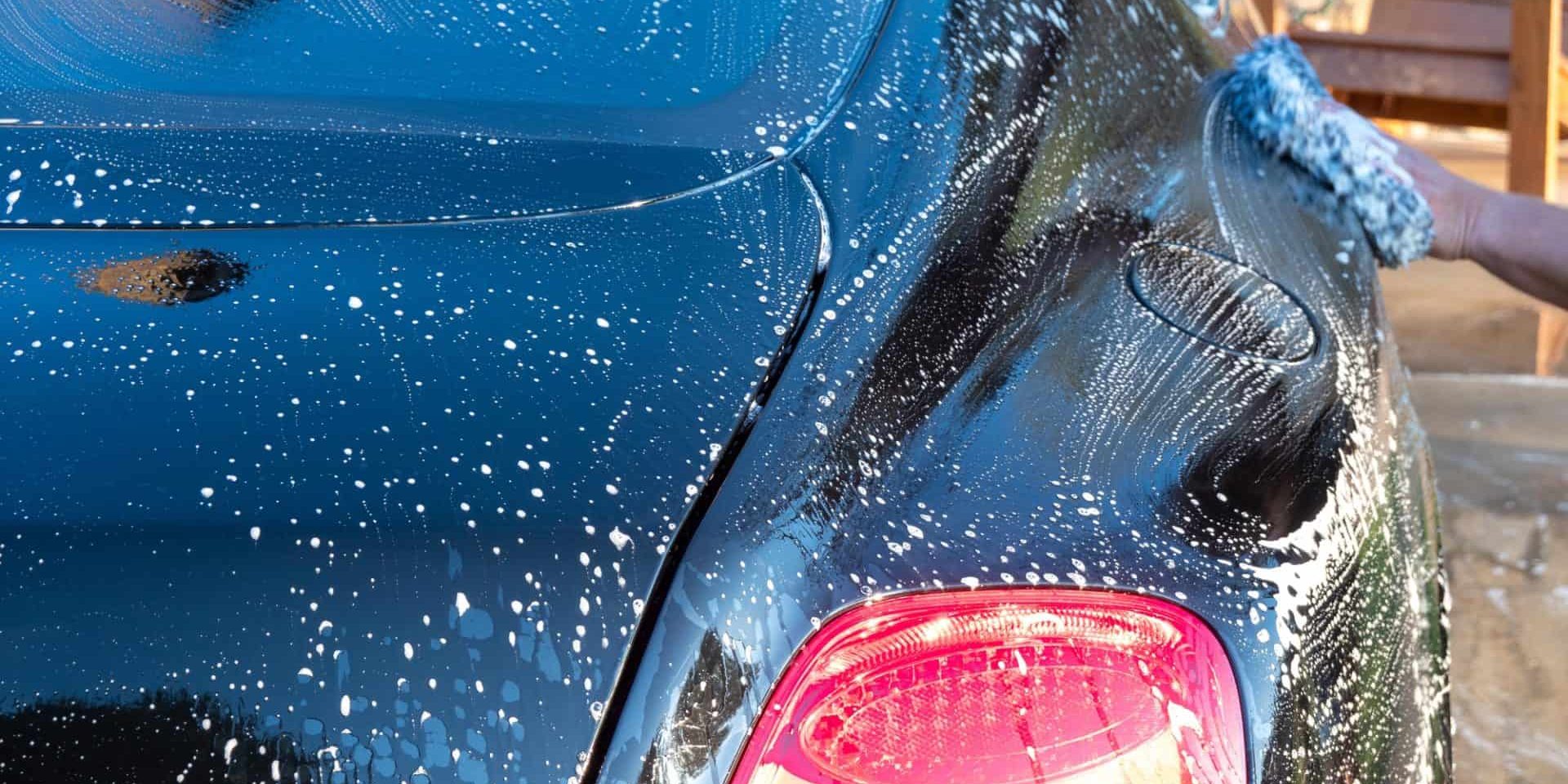
- Fresh tree sap comes off with warm soapy water and a microfiber cloth. Hardened sap needs isopropyl alcohol or a dedicated sap remover applied to a soft cloth, never scraped with a blade.
- Sap that has been sitting on the paint for more than a few days can chemically etch the clear coat, leaving a permanent mark even after the sap itself is lifted.
- Always finish the removal process with a wash, wax, or protective sealant to restore the paint surface and guard against the next round of contamination.
Why Tree Sap Is Such a Problem for Car Paint
Tree sap looks harmless when it first lands on the hood. A small amber dot that catches the sun, easily missed during a casual walk around the vehicle. Left alone for a day or two in direct sunlight, that small dot hardens, bonds to the clear coat, and begins to etch the surface. By the time the driver notices, the sap has already started the chemical process that can leave a permanent mark on the paint long after the sap itself has been lifted. The good news is that most sap can be removed safely with items you likely already own, as long as the job is approached in the right order.
What Sap Does to Your Paint at a Chemical Level
The Bond Between Sap and Clear Coat
Tree sap is a mixture of sugars, organic acids, and plant resins. As the water content in the sap evaporates, those compounds concentrate and harden into a sticky, lacquer-like residue. The sugars are hygroscopic, meaning they attract moisture from the air, which keeps the bond active against the clear coat for days or weeks at a time.
The acids in sap are the main concern. They interact chemically with the protective clear coat layer that sits over the colored base coat of modern automotive paint. UV exposure accelerates the reaction, baking the sap into the surface and leaving a dull, etched mark even after the visible residue is removed. On dark-colored vehicles the damage is usually more noticeable because the etching scatters light differently than the surrounding untouched paint.
How Quickly Damage Happens
Fresh sap that is wiped off within a few hours rarely causes any lasting harm. Sap that sits for 24 to 48 hours in warm weather begins to bond more firmly, and removal becomes more difficult. Sap that has been on the paint for a week or more, especially in direct sun, has almost certainly started etching the clear coat. At that stage, removal is only half the job. The remaining etched area may need polishing or, in severe cases, professional paint correction to restore the finish. This is why sap is one of the contaminants covered in most paint care guides alongside bird droppings, road tar, and industrial fallout.
What You Need Before Starting
Basic Supplies
A successful sap removal job uses soft tools, mild solvents, and a methodical approach. The items you need are inexpensive and widely available. Most are already in a typical household cleaning cabinet or can be picked up at any auto parts store for a few dollars.
The core kit includes several clean microfiber cloths, a bucket of warm water, car wash soap (not dish detergent, which strips wax), isopropyl alcohol at 70 percent concentration, and a small bottle of dedicated automotive sap remover or bug and tar remover. Optional but helpful additions are a medium-duty clay bar with clay lubricant for stubborn residue, and a bottle of car wax or spray sealant for the finishing step.
What Not to Use
Two categories of tools and products do more harm than good. The first is anything sharp. Razor blades, plastic scrapers, fingernails, and even old credit cards can scratch the clear coat with surprisingly little pressure. A scratch in the clear coat is often harder to fix than the sap etching the scraper was meant to prevent.
The second category is harsh household solvents. Nail polish remover containing acetone, paint thinner, brake cleaner, gasoline, and concentrated cleaning chemicals will strip wax, dull the finish, and in some cases soften the clear coat itself. Stick to mild soap, isopropyl alcohol, and purpose-built automotive products. The extra effort of using the correct product is always cheaper than the repair bill for a damaged clear coat.
The Step-by-Step Removal Process
Step 1: Wash the Area First
Before attacking the sap itself, wash the affected panel with car shampoo and warm water. This removes loose dirt and grit that could otherwise get dragged across the paint during the sap removal process. A clean working surface reduces the chance of creating fine scratches around the sap spot.
Use a soft wash mitt, not a stiff sponge or rag, and rinse the panel thoroughly. Dry with a clean microfiber towel or let the panel air dry in the shade. Working on a cool panel in the shade is important. Sun-heated paint causes cleaners and solvents to evaporate before they have time to work, and hot paint is more vulnerable to damage from friction.
Step 2: Try Warm Soapy Water for Fresh Sap
For sap that is still soft and has been on the paint less than a day or two, warm soapy water alone is often enough. Saturate a microfiber cloth in the wash solution, lay it directly over the sap spot, and leave it in place for three to five minutes. The warmth and moisture soften the sap from above without any scrubbing. After the soak, gently wipe in one direction using light pressure. Fresh sap should lift off cleanly.
Step 3: Use Isopropyl Alcohol for Hardened Sap
If the soapy soak does not lift the sap, move up to isopropyl alcohol. Pour a small amount onto a clean corner of a microfiber cloth, not directly onto the paint. Press the dampened cloth against the sap for 30 seconds to let the alcohol penetrate the hardened residue. Then wipe in small circular motions, lifting the cloth frequently to expose a clean section.
The sap will begin to break down and transfer onto the cloth. Re-wet the cloth as needed and work the area patiently until the residue is fully lifted. Isopropyl alcohol at 70 percent is effective and safe for clear coat, though it will temporarily remove any wax or sealant from the treated area. That protective layer will need to be replaced in the final step.
Step 4: Step Up to a Commercial Sap Remover
For sap that has been sitting for a week or more and has resisted alcohol, a dedicated automotive sap remover is the next stage. Goo Gone Automotive, Turtle Wax Bug and Tar Remover, and 3M Adhesive Remover are all formulated to break down tree sap without damaging automotive clear coat. These products are not the same as their generic household equivalents. Regular Goo Gone, for example, can damage paint where the automotive version is safe.
Apply the product to a microfiber cloth per the label instructions, let it dwell on the sap for the recommended time, and then wipe gently. Most commercial removers work within 30 to 60 seconds. Follow with a clean, damp cloth to lift any residue from the product itself before moving on.
Step 5: Use a Clay Bar for the Final Residue
Even after chemical removal, a small amount of sap or its residue can remain embedded in the clear coat. A clay bar designed for automotive use lifts that remaining contamination without abrasion. Spray the panel with clay lubricant, knead the clay bar into a flat patty, and glide it across the treated area using light pressure. The clay picks up microscopic particles the chemicals left behind and leaves the paint smooth to the touch.
Fold the clay to expose a clean face regularly. If it becomes saturated with debris or falls on the ground, throw it away. Reusing a contaminated clay bar can introduce new scratches into the finish.
Step 6: Wash, Wax, and Protect
After the sap is gone, wash the panel one more time with car shampoo to remove any chemical residue. Dry thoroughly with a microfiber towel. The treated area will have lost its wax and sealant layer during the process, leaving the clear coat bare. Apply a quality car wax, spray sealant, or ceramic detail spray to the affected panel to restore the protective layer. The same finishing steps apply after any deep clean, including the approach covered in safely cleaning exterior and engine bay surfaces.
Removing Sap from Glass and Plastic Trim
Windshields and Side Windows
Glass is far more forgiving than painted panels. Sap on a windshield or side window can be tackled with isopropyl alcohol or a dedicated glass cleaner without the risk of etching. A plastic razor blade, not a metal one, can be used on glass surfaces if the sap has hardened into a thick deposit. Hold the blade at a low angle and apply light pressure. After the sap is off, clean the glass with a proper automotive glass cleaner to remove streaks. The same technique used for keeping your windshield clear without leaving streaks is covered in detail in cleaning car windows without streaks.
Plastic Trim and Rubber Seals
Exterior plastic trim, door handles, and rubber weatherstripping need a gentler touch. Isopropyl alcohol works well on most plastics, but commercial sap removers can cause discoloration or fading on black trim if left in place too long. Test any product on an inconspicuous area first, apply minimal amounts, and wipe off quickly. Follow up with a plastic or rubber conditioner to restore the original finish.
Preventing Sap from Bonding to Your Paint
Parking Strategy
The simplest defense against sap is parking away from trees that produce it. Pine, maple, oak, birch, and sweet gum are among the heaviest sap producers, and during late spring and early summer their output is at its highest. A covered garage, carport, or even a spot 10 to 15 feet away from overhanging branches will dramatically reduce the amount of sap that reaches the paint in the first place.
When street parking near trees is unavoidable, check the paint during each wash and spot-clean any sap droplets before they have time to harden. A weekly walk-around is a small habit that prevents most sap-related paint damage over the course of a season. This kind of proactive check fits into the same rhythm as a general seasonal maintenance routine.
Protective Coatings and Car Covers
A fresh coat of wax is the most basic protective barrier against sap. Synthetic polymer sealants last longer than traditional carnauba wax, typically two to four months of protection per application. Ceramic coatings offer the highest level of protection and last for years, creating a hard, hydrophobic layer that prevents sap from bonding directly to the clear coat. Sap that lands on a well-coated vehicle often wipes off with water alone, even after several days.
For vehicles that spend long periods outdoors under heavy sap producers, a fitted breathable car cover is an effective physical barrier. The cover absorbs the sap droplets and keeps them off the paint entirely. Non-breathable covers can trap moisture against the finish and cause their own problems, so the breathable variety is the right choice for outdoor storage.
Tree Sap Frequently Asked Questions
Will tree sap damage my car permanently?
It can, if left untreated for too long. Fresh sap removed within a day or two causes no lasting harm. Sap that has been on the paint for a week or more in direct sun often etches the clear coat, leaving a dull spot even after the sap itself is lifted. Early removal is the single best way to avoid permanent damage.
Can I use WD-40 to remove tree sap?
WD-40 can dissolve fresh sap and is safe for clear coat in small amounts. It is not the best option compared to dedicated sap removers or isopropyl alcohol, and it leaves an oily residue that needs to be washed off afterward. If it is the only thing available in the moment, it will do the job on fresh sap, but plan to follow up with a proper wash.
Does hand sanitizer work to remove sap?
Yes, as an emergency measure. Most hand sanitizers contain 60 to 70 percent isopropyl alcohol, which is the same active ingredient as commercial rubbing alcohol. The gel form can actually help because it stays in place on a vertical panel rather than running off. Use sparingly, wipe thoroughly with a clean cloth, and wash the area afterward to remove any added moisturizers or fragrances from the sanitizer formula.
Should I take my car to a detailer for sap removal?
If the sap has been on the paint for weeks and has clearly etched the clear coat, a professional detailer has the tools and experience to remove it safely and perform any needed paint correction on the damaged area. For fresh or moderately aged sap, the DIY process described above works well and costs a fraction of professional service. Severe contamination across multiple panels, especially on a new or freshly repainted vehicle, is where professional help pays for itself.

Leave a Comment
More in News

How Thieves Unlock Your Car From the Street Using Your Key Fob While It Sits Indoors

How Long Brake Pads Actually Last and What Garages Charge When You Leave It Too Late

What to Check Under the Bonnet Every Month to Avoid a Breakdown
What the New AI Cameras Can See Inside Your Car and What the Fine Is If They Catch You

The Faults That Fail the Most MOTs in Britain, and the Checks That Prevent Them
Trending on Motoring Chronicle

Global youth survey reveals electric vehicles are preferred mobility option

What This Month’s Parliamentary Hearing Could Mean for 20mph Speed Limits

2026 Lexus IS: perfecting the sport sedan

Why Vehicle Theft Jumped 21 Percent to Its Fastest Rise in a Decade