
Why Driving Test Fraud Has Jumped 47 Per cent and What It Means for Test Waiting Times
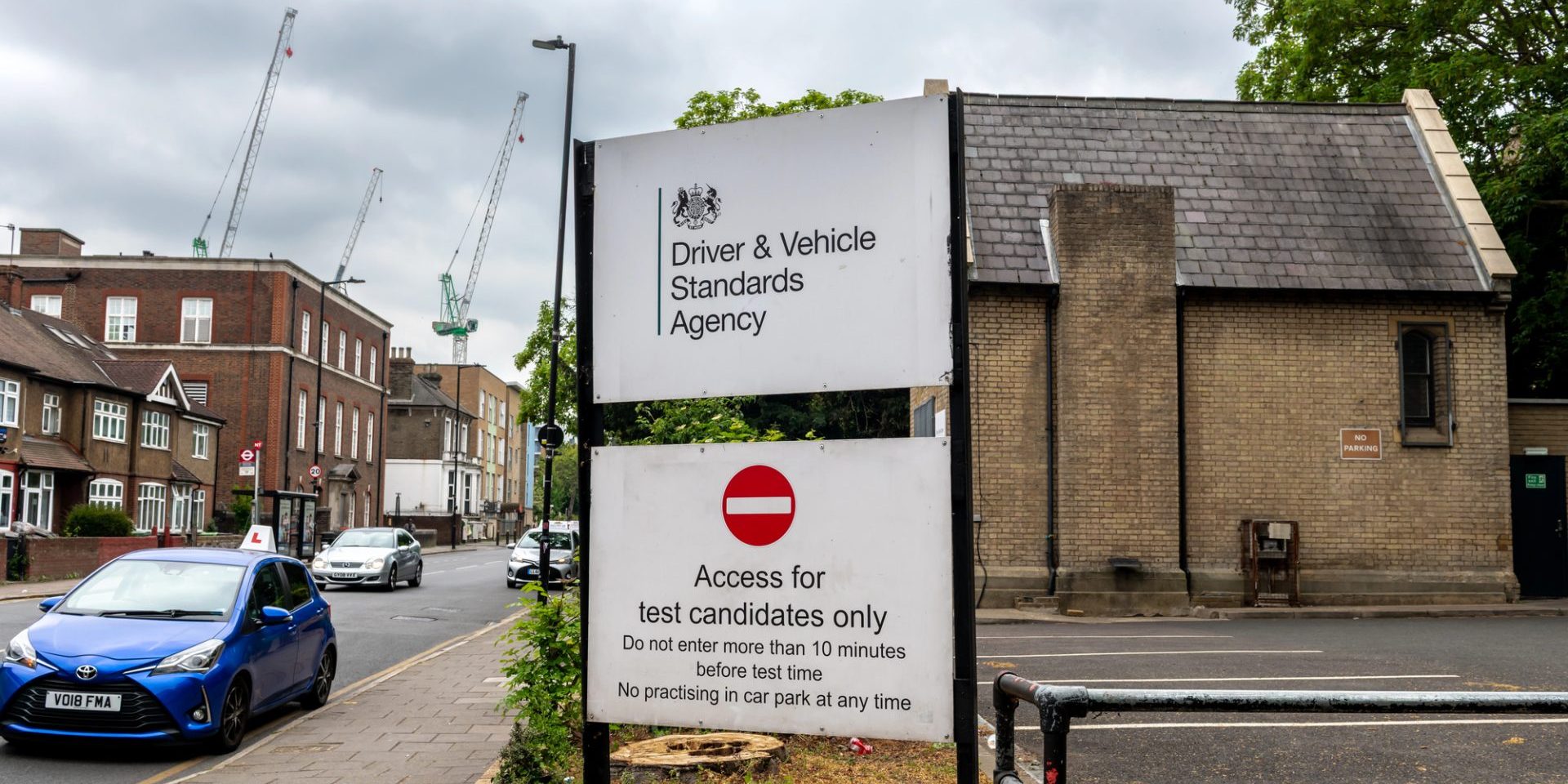
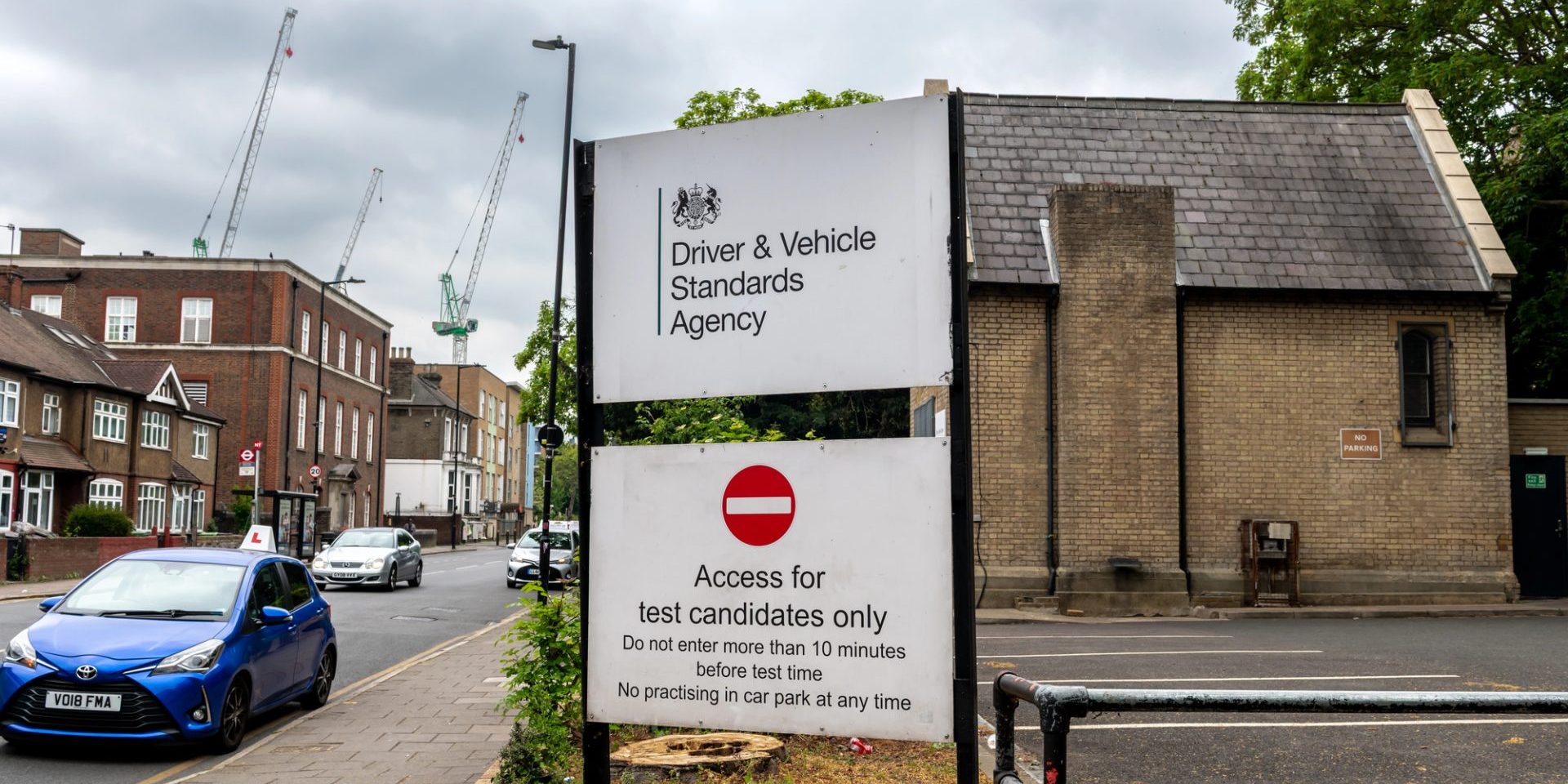
The number of people caught cheating on driving tests in Britain rose by 47 percent in a single year, with 2,844 cases recorded in the 12 months to September 2025, according to data obtained from the Driver and Vehicle Standards Agency. The figure, which covers both theory and practical tests, reveals a growing industry of fraud fuelled by long waiting times and by cheating networks that advertise openly online.
Of those 2,844 detected cases, 1,113 involved candidates using hidden Bluetooth earpieces linked to mobile phones concealed beneath their clothing, allowing answers to be whispered to them remotely. A further 1,084 involved attempts to pass the theory test using a substitute who pretended to be the registered candidate, while 647 involved impersonation at the practical driving test stage, where someone else attempted to sit the test behind the wheel in place of the person who had booked it.
Ninety-six people were prosecuted for driving test fraud or related offences in the same period. One serial impersonator received a 14-month prison sentence following a long-running DVSA investigation supported by the police and the Crown Prosecution Service.
What the Rise Looks Like in Numbers
The 47 percent increase in detected cases brings the total from approximately 1,900 cases in the prior year to 2,844 cases in the year to September 2025. To put that in context, the DVSA conducts approximately 1.7 million practical tests and 1.5 million theory tests each year in Great Britain. The 2,844 detected cases represent only the fraud that was caught. The agency itself acknowledges it cannot know how many attempts go undetected.
What is clear is that the fraud is geographically concentrated. Urban areas with higher volumes of test candidates and larger networks of people offering fraudulent services tend to see more incidents. The South East of England, including Kent, Surrey and Sussex, saw more than 90 suspected incidents in 2024 data obtained by the BBC, with impersonation cases at both theory and practical test centres. Similar patterns have been identified in Greater London and parts of the Midlands.
The DVSA said detecting and preventing fraud before it occurs remains a top priority, and that staff are trained to identify suspected fraud and cross-reference intelligence from previous attempts when verifying candidate identity.
Bluetooth Earpieces and Remote Cheating Networks
The most numerically common form of fraud involves miniaturised Bluetooth technology. A candidate enters the theory test centre with a device concealed in their ear, typically a flesh-coloured wireless earpiece small enough to be missed by a routine visual check. A contact outside the test centre, often recruited through an online service, receives the questions by video stream or voice relay and whispers the correct answers in real time.
The services advertising these arrangements operate primarily through social media platforms including TikTok, Instagram and WhatsApp. Prices vary, but documented cases have seen customers paying between £300 and £1,000 for a guaranteed theory test pass using this method. Some services offer money-back guarantees if the candidate fails despite using the device.
Theory test centres are required to ask candidates to remove all personal items before entering, and DVSA staff carry out checks at the entrance. The challenge is that the most advanced earpieces are extremely small, some smaller than a grain of rice, and not always visible without physical examination. The DVSA has invested in detection technology at some centres, but the rapid pace at which the devices are evolving makes detection difficult.
Carly Brookfield, chief executive of the Driving Instructors Association, described the situation as reflecting brazen attempts by fraudsters. “Fraudsters have been found to use devices like Bluetooth to sit theory tests and to even attempt to bribe or collude with test centre staff to gain a pass. They carry out ID checks but in some instances the impersonator is able to try and emulate the look of the person they are representing, so obviously there is a view that more robust measures will have to be implemented in the future.”
Impersonation: Sitting the Test for Someone Else
The second major category of fraud, accounting for 1,731 of the 2,844 detected cases, involves full impersonation. At the theory test, someone presents themselves at the centre using the registered candidate’s identity documents. At the practical test, the impersonator actually takes the wheel and drives the examiner around the test route.
Practical test impersonation is more difficult to execute successfully because examiners interact closely with the candidate throughout the test, which typically lasts around 40 minutes. However, where the impersonator bears a physical resemblance to the registered candidate and uses copied or fraudulently obtained documents, the deception can succeed. The 647 practical impersonation cases detected in a single year suggest it is happening more often than most people would assume.
Steve Gooding, director of the RAC Foundation, set out the public safety implications clearly: “By being prepared to get behind the wheel by fair means or foul, people hiring impersonators put everyone’s lives at risk, because neither we nor they have any idea whether their driving meets the required standard. Our strong road safety record is built on three pillars: roadworthy vehicles, responsibly driven by properly qualified drivers. This sort of behaviour is flagrantly kicking one of those pillars away.”
Why Test Waiting Times Are Making the Problem Worse
The DVSA said it has no direct evidence linking the rise in fraud to waiting times, but driving instructors and candidates alike say the connection is widely perceived in the market. In September 2025, the average wait for a practical driving test was 22 weeks across Great Britain, compared with approximately five weeks before the pandemic. In some parts of the country, waits stretch beyond six months, and a separate industry of ticket touts, prosecuted separately, has grown up around reselling test appointments at inflated prices.
In that environment, a candidate who fails their test faces the prospect of waiting another 22 weeks for a resit. The appeal of a guaranteed pass, however obtained, is considerable to someone who needs a licence for work, for caring responsibilities, or simply because they have already been waiting for half a year.
The government has been recruiting additional driving examiners to reduce waiting times. A further 450 new examiners are currently being brought into the DVSA’s pool, and changes to the test booking system introduced in 2026 are designed to reduce the ability of automated bots and unofficial services to bulk-buy appointment slots for resale. From May 2026, only the learner driver can legally book their own test, and test moves are limited to the three nearest centres.
What Happens If You Are Caught Cheating
The legal consequences of driving test fraud are significant. Under the Fraud Act 2006 and related legislation, using an impersonator or electronic device to cheat on a driving test can result in a prison sentence of up to 10 years where the offence involves deliberate and organised fraud. In practice, sentences vary with circumstances, but the DVSA’s most prominent prosecution in the period to September 2025 resulted in 14 months’ imprisonment.
The consequences for the candidate extend beyond criminal punishment. A licence obtained through fraud is invalid. If you subsequently drive using that licence, you are driving without a valid licence, which carries six penalty points, an unlimited fine, and in serious cases a disqualification. If you are involved in a collision while driving on a fraudulently obtained licence, your insurance policy may be void, leaving you liable for all costs and facing prosecution for driving without insurance as well.
The theory test certificate, which is valid for two years, is also invalidated if it was obtained by fraud. The DVSA has powers to cancel certificates and licences where fraud is detected after the fact, including through anonymous tip-offs from driving instructors or members of the public who recognise that a licensed driver cannot actually drive.
How the DVSA Is Fighting Back
The DVSA’s counter-fraud team focuses on identifying suspected fraud and working with the police and CPS to bring prosecutions. The agency uses intelligence from previous fraud attempts when verifying candidate identity, and is developing enhanced identity verification processes for both theory and practical tests.
Any person with information about driving test fraud can report it directly to the DVSA via the dedicated fraud reporting line on 0300 123 9000, or online via gov.uk. The DVSA also accepts tip-offs from driving instructors through its intelligence-sharing partnership with the Driving Instructors Association. Anonymous reports are accepted.
If you suspect the person sitting your test is not who they claim to be, or if you witness any form of cheating at a test centre, reporting it is both legal and straightforward. The DVSA has made clear that the people who use impersonators or cheating devices are placing other drivers on the road at risk, and that the agency treats reports from the public seriously.
Sources:

Leave a Comment
More in News
Learners Wait 21.5 Weeks for a Test as DVSA Misses Its 7 Week Target
Milton Keynes Council’s Parking Surplus Hit £12.8 Million, Up 42 Percent in Two Years

2027 Kia Sorento Hybrid Gets New X-Line Trim, Starts at $39,090

BMW F 450 RR Supersport Motorcycle Arrives in US from $7,815

One in 12 UK Sellers Would Hide a Costly Fault (and How to Spot One)
Trending on Motoring Chronicle

New Jersey E-Bike Riders Face a July 19 Registration Deadline

Citroen C3 Aircross review: Clever family car enters the space race

NHTSA Flags 168,149 Nissan Armada and Infiniti SUVs for Overload Risk

UK Airports Now Charge Up to £1.60 a Minute to Drop Off a Passenger
