
UK Diesel Drivers Pay £17 More Per Tank as RAC Warns of Further Rises
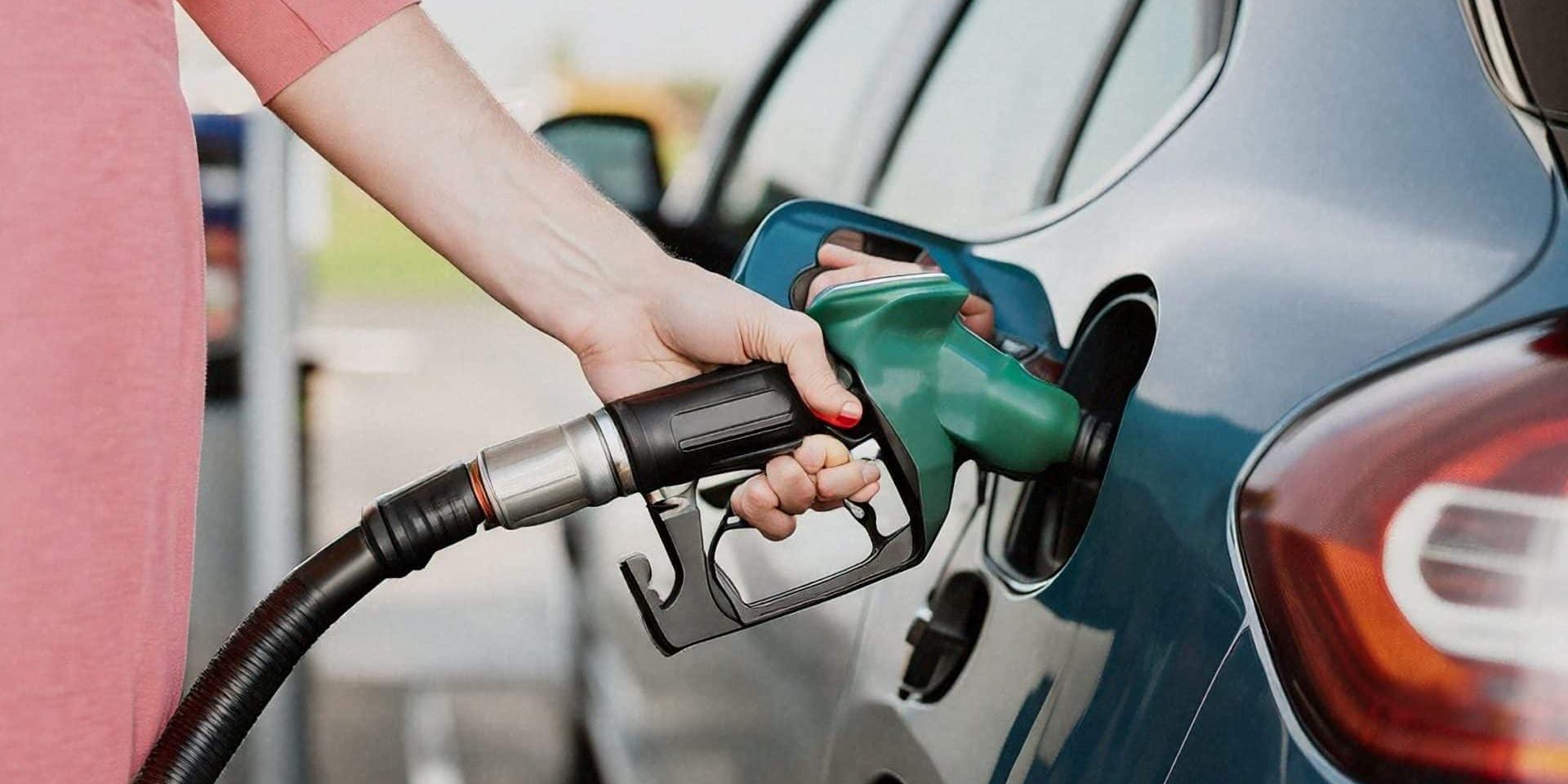
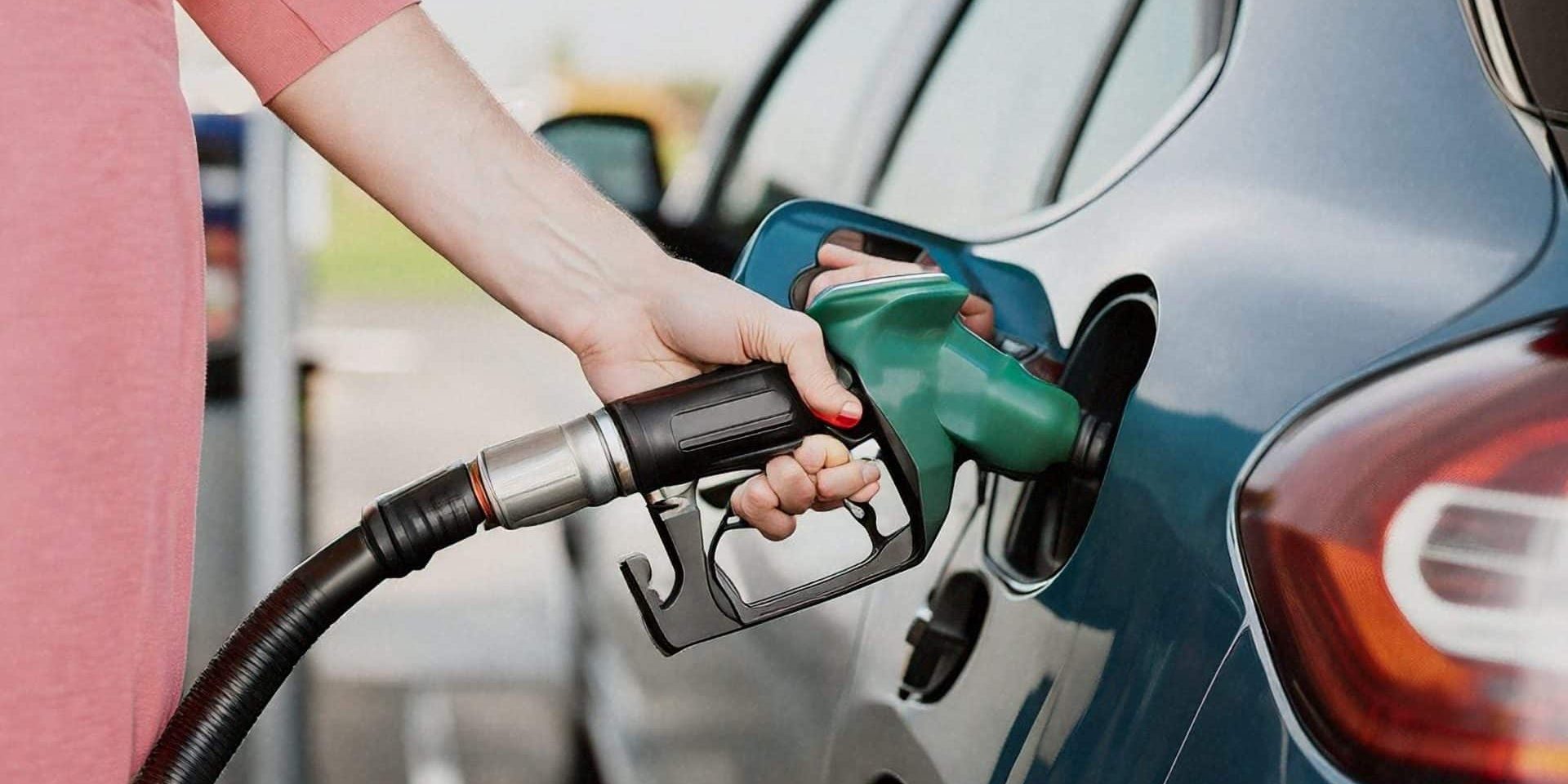
- A full 55-litre diesel fill-up now costs £95.70, up £17.38 from February, according to government road fuel price data and RAC Fuel Watch.
- Average UK diesel has climbed to 182.0p a litre and petrol to 161.8p, driven by disruption to oil supplies through the Strait of Hormuz.
- A 5p-a-litre fuel duty cut ends this winter, with rises of 3p from January 2027 and a further 2p from March 2027 set to push pump prices higher still.
Filling a diesel car has become one of the fastest-rising costs on Britain’s roads. A typical 55-litre tank now costs £95.70, according to the latest government weekly road fuel price data and RAC Fuel Watch figures, up £17.38 from before a supply shock hit international oil markets in February. Petrol drivers have not escaped either, with a full 55-litre tank now £12.82 more expensive than it was seven months ago, at £85.86.
Average UK petrol stands at 161.8p a litre and diesel at 182.0p, according to GOV.UK’s September 2026 fuel price figures. In gallon terms, that puts petrol at roughly £7.35 a gallon and diesel at £8.28 a gallon, prices last seen in the summer of 2022.
Why a Foreign Conflict Is Adding to Every Tank
The root cause traces back to February 2026, when conflict involving Iran disrupted shipping through the Strait of Hormuz, a channel that carries roughly a fifth of the world’s energy supply. Diesel spiked to 192p a litre in mid-April as the disruption peaked. A ceasefire and sharp falls in June brought temporary relief, with diesel dropping to 167p a litre and petrol easing to around 151p.
That relief did not last. RAC head of policy Simon Williams said fuel pricing had shown “just how exposed UK drivers are to global events affecting the cost of oil,” noting that diesel rose 4p in just ten days in one stretch of the summer while petrol climbed nearly 3p a litre over the same period. Shipping through the strait has now recovered, with Saudi and Emirati oil exports back to around 90% of pre-conflict levels and US-Iran talks progressing, yet wholesale prices remain elevated.
The numbers show the scale of the swing. Diesel is up 15p a litre from its June low, a rise of 9%. Petrol is up nearly 11p a litre over the same window, a rise of 7%. Measured from before the conflict began in February, a diesel driver filling a 55-litre tank is paying 22% more than they were, while a petrol driver is paying 18% more.
What Drivers Can Do About It
There is no way to avoid the underlying oil price, but drivers can reduce how much of the increase they personally absorb. From February 2026, all UK fuel retailers have been required to report their prices within 30 minutes under the Government’s Fuel Finder scheme, and data from that scheme shows prices at nearby stations can vary by 20p or more a litre. Checking before filling up, using a tool such as the free myRAC app’s Fuel Finder feature, or the Government’s own comparison tool, can meaningfully cut what a driver pays over a year.
Supermarkets remain generally the most price-competitive option. They operate only around 16% of the UK’s roughly 8,300 forecourts, yet supermarkets are responsible for about 44% of all fuel sold, and their pricing tends to set the pace for the wider market. Independent forecourts can occasionally undercut them, especially in areas without a nearby supermarket petrol station, so it is worth checking both.
Driving efficiently remains the single biggest lever available to most drivers: smoother acceleration, reduced idling and maintaining correct tyre pressure can meaningfully cut fuel use over a year. Drivers with a credit card that offers fuel cashback can also offset some of the increase, provided the balance is paid off in full each month so the cashback is not cancelled out by interest.
Electric vehicle owners are more insulated, though not entirely. Home charging on a standard tariff costs roughly 7p a mile, about half the cost per mile of running a petrol car at current prices, and drivers on a dedicated off-peak overnight tariff can cut that further to 2p to 3p a mile. Public rapid charging is the exception: at around 76p a kWh, it can already cost more per mile than filling up with petrol, so EV drivers who rely heavily on public rapid chargers rather than home charging are more exposed to the same cost pressures as petrol and diesel drivers.
How This Compares With the Last Big Spike
Britain has been here before. The all-time record for average pump prices was set in the summer of 2022, when petrol hit 191.5p a litre and diesel reached 199.09p, following the initial disruption to global energy markets that year. At those levels, tax made up around 43% to 44% of the price drivers paid at the pump. Today’s prices remain below those 2022 peaks, but the gap has narrowed sharply from June onward, and the RAC has been clear that it sees little reason for confidence that prices will fall back significantly while the wider Middle East situation remains unresolved.
The comparison shows how quickly a “temporary” spike can become the new normal. Diesel fell to a low of 100.19p a litre in February 2016, and petrol to 101.27p, when oil prices collapsed. Even a return to something closer to that level would require a dramatic and sustained fall in crude prices, a weaker case for the pound gaining strength against the dollar, or both. Neither looks likely in the short term, which is one reason the RAC is telling drivers to plan around today’s higher prices rather than wait for a swift reversal.
There is also a knock-on effect beyond the pump. Around a third of the UK’s energy supply relies on imported liquefied natural gas, much of which passes through or near the same disrupted region, and gas-fired power stations still set the price of electricity in Britain for most of the time. That is part of why the Ofgem energy price cap rose 13% in July 2026 to £1,862 a year for a typical household, only three months after it had fallen 7%. Fuel and energy costs are, in that sense, two sides of the same story for anyone watching their household budget this autumn.
More Rises Are Already Scheduled
Whether or not oil markets calm down, UK pump prices are set to rise regardless of what happens abroad. The Government’s 5p-a-litre fuel duty cut, in place from 2022, stays in force until the end of 2026. From 1 January 2027, duty rises by 3p a litre, with a further 2p added from 1 March 2027, returning the rate to 57.95p a litre, its pre-2022 level. From April 2027, fuel duty is also scheduled to start rising in line with inflation every year, meaning the cost of driving is set to keep climbing whether or not crude oil prices themselves settle.
There is a note of caution for anyone hoping prices ease before then. UK fuel prices do typically dip through autumn as summer driving demand fades, and Brent crude has fallen back toward $72 a barrel as shipping through the Strait of Hormuz recovers. If that trend continues alongside the seasonal autumn dip, drivers could see a modest drop before the scheduled duty rises take effect in January. Nothing about global oil markets can be predicted with confidence, however, and the RAC has repeatedly warned that further increases remain just as possible as a fall.
Sources
GOV.UK/DESNZ weekly road fuel prices, week commencing 7 September 2026. RAC Fuel Watch, live UK petrol and diesel price data, September 2026. RAC Media Centre, “Fuel price rises show just how exposed UK drivers are to global events affecting the cost of oil,” April 2026. House of Commons Library, petrol and diesel prices briefing, July 2026.

Leave a Comment
More in News

What a Coolant Warning Light Means Before It Costs You a £1,000 Repair
Progressive’s Profit Fell 3 Percent Even as It Added 1.4 Million Car Insurance Policies

NHTSA Picks 23 Vehicles for 2027 Crash Tests and Adds a New Pedestrian Safety Score

GAP Insurance Paid Back Just 6 Percent of What Drivers Paid, FCA Figures Show

A £4,300 Vauxhall Made Hagerty’s List of Classic Cars Worth Watching in 2026
Trending on Motoring Chronicle

Why Tesla Still Has No Fix for 20,349 Model 3 and Y Headlights That Blind Oncoming Drivers

Councils Rejected 81 Percent of Pothole Damage Claims From UK Drivers Last Year

Rivian Recalls Nearly 99,000 R1 and R2 EVs Over a Rearview Camera Glitch
How to Fix Falling Fuel Economy in Your Car (and What Causes It)
