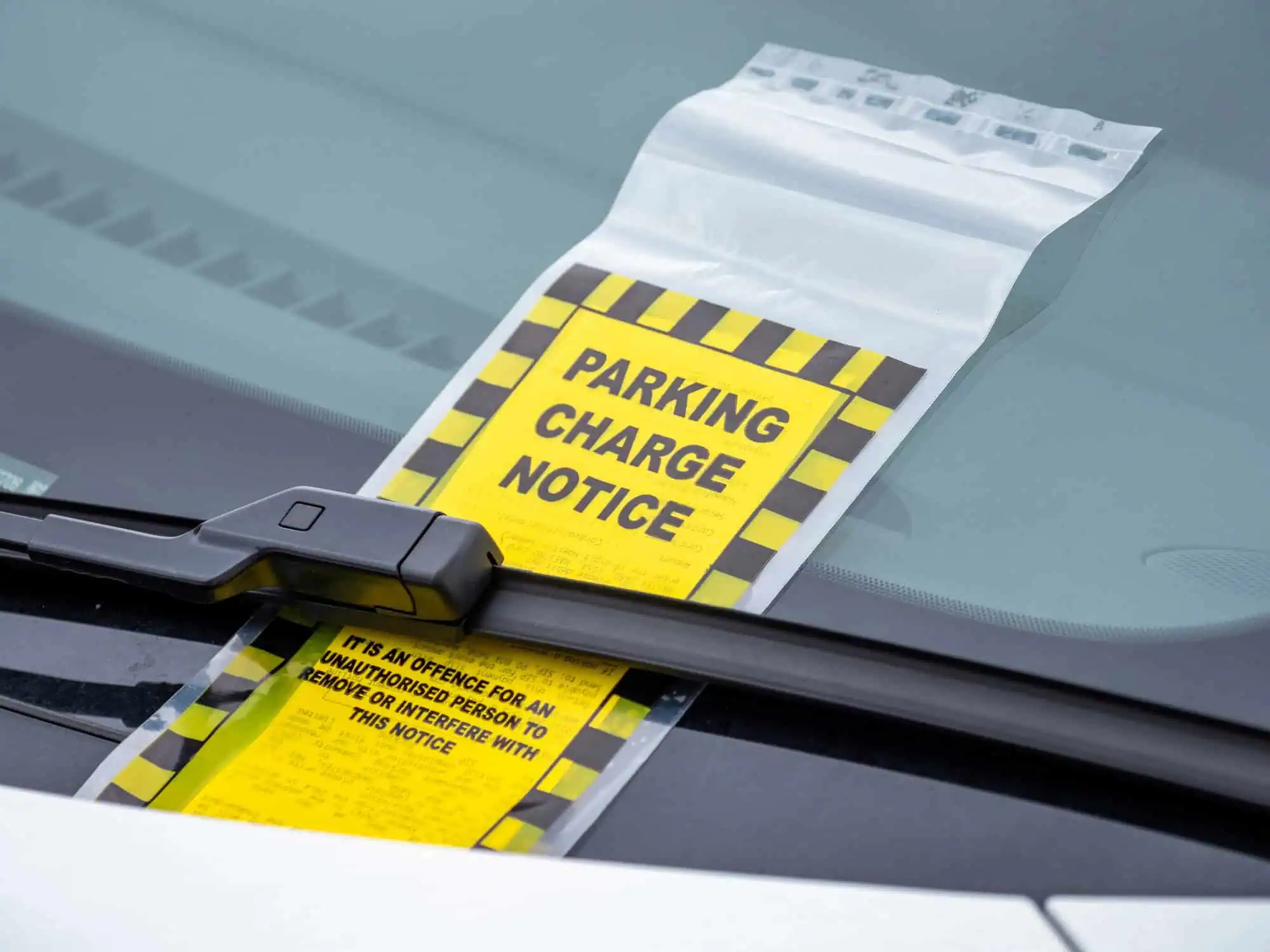
DVSA Data Shows Kirkcaldy MOT Failures Hit 36.2 Percent, Against 20 Percent in Ilford


- 27.7 percent of MOT tests in 2025 ended in a first attempt fail: 9,193,623 fails from 33,210,951 tests, in an analysis of DVSA data by CarCostCheck.
- Kirkcaldy (postcode area KY) had the highest raw fail rate at 36.2 percent, against 20.0 percent in Ilford (IG), a gap of 16.2 percentage points.
- A car MOT costs a maximum of £54.85, and a fail on lights, tyres or wipers carries a free retest if the car goes back by the end of the next working day.
More than one in four cars fail their MOT at the first attempt, and the share changes sharply depending on where the car is tested. In 2025, 9,193,623 of 33,210,951 tests ended in an initial fail, a rate of 27.7 percent. In Kirkcaldy in Fife the raw rate was 36.2 percent. In Ilford in east London it was 20.0 percent. The numbers come from a CarCostCheck dataset built on the DVSA’s anonymised MOT testing data for Great Britain.
An initial fail does not always mean a big bill, but it does mean a second visit, a repair and sometimes a second fee. The maximum a test station can charge for a car MOT is £54.85, and no VAT is added. A driver whose car fails and needs more than a quick fix can end up paying for the test, the parts, the labour and a retest.
A Postcode Gap of 16 Points Between the Worst and Best Areas
The CarCostCheck file lists a fail rate for every postcode area, using the 2025 MOT results. Sorted by the raw first attempt fail rate, the ten worst areas are Kirkcaldy (KY) at 36.2 percent, Plymouth (PL) at 35.3 percent, Exeter (EX) at 35.2 percent, Dundee (DD) and Truro (TR) both at 34.9 percent, Torquay (TQ) at 34.5 percent, Llandrindod Wells (LD) at 34.4 percent, Bristol (BS) at 34.0 percent, Salisbury (SP) at 33.8 percent and Bath (BA) at 33.3 percent.
At the other end, Ilford (IG) recorded the lowest raw rate at 20.0 percent, followed by Romford (RM) at 20.6 percent, Southall and Uxbridge (UB) at 20.7 percent, Bromley (BR) and Sutton (SM) both at 21.0 percent, London NW at 21.3 percent, and Kingston upon Thames (KT), Twickenham (TW), Harrow (HA) and Slough (SL), each at 21.5 percent.
Put another way, roughly 36 of every 100 tests in Kirkcaldy end in an initial fail, against 20 of every 100 in Ilford. The national figure sits between the two at 27.7 percent. The dataset ranks postcode areas on an age adjusted rate, which accounts for the age of the cars tested in each area. On that measure Kirkcaldy and Dundee tie at 38.6 percent, Aberdeen (AB) is next at 36.0 percent, and the best areas are Sutton at 20.3 percent and Southall and Uxbridge at 20.5 percent, as reported by Insurance Edge from the same CarCostCheck analysis.
The dataset does not say why the areas differ, and this article does not guess. What the figures show is the size of the gap: a driver in one of the worst areas faces a fail rate that is 16.2 percentage points above the best area on the raw measure.
The same source puts the national first attempt fail rate for 2025 at 27.7 percent, down from 28.3 percent in 2024, so the national trend is a small improvement.
Which Car Brands Fail Their First MOT Most Often
For three year old cars on their first MOT, the rates are very different from the national average. Across all cars on a first MOT, the fail rate in the CarCostCheck file is 10.8 percent. By brand, Tesla has the highest first MOT fail rate at 15.9 percent, followed by MG at 14.3 percent, Hyundai at 13.2 percent, BMW at 12.9 percent, and Vauxhall and Dacia both at 12.5 percent. Polestar is at 12.4 percent, Mercedes-Benz at 11.9 percent, Peugeot at 11.6 percent and Renault at 11.4 percent.
The lowest first MOT fail rates belong to Lexus at 4.8 percent, Honda at 6.0 percent, Porsche at 7.3 percent, Suzuki at 7.4 percent and Toyota at 7.9 percent. Mazda is at 8.2 percent, Jaguar at 8.8 percent, Ford at 9.4 percent, Nissan at 9.5 percent and Volvo at 9.7 percent. A first MOT fail does not by itself point to a serious fault, and the file does not break down what the cars failed on.
Age changes the odds far more than brand. According to Insurance Edge, which reported the analysis on 19 October 2026, cars aged 10 years average a 29.3 percent fail rate, with Dacia the highest at 43.1 percent and Renault at 41.5 percent, while Porsche is the lowest at 12.1 percent and Lexus at 15.6 percent. The same report says the fail rate peaks at 42.9 percent for cars aged 18.
What a Fail Costs: Fees and Retest Rules
GOV.UK sets out the cost side. The maximum fee for a car, up to eight passenger seats, is £54.85, and test stations can charge less. Vans and goods vehicles up to 3,000kg have the same £54.85 cap. Motorcycles are £29.65.
The cost of a fail depends on what failed and where the repair is done. The retest rules on GOV.UK work like this:
- If you leave the car at the test centre for repair, a partial retest within 10 working days has no fee.
- If you return the car to the same test centre by the end of the next working day, the retest is free for a list of items, including lamps (excluding headlamp aim), mirrors, doors, seatbelts, seats, the horn, registration plates, the windscreen glass, wipers and washers, and wheels and tyres.
- If you take the car away and return within 10 working days for other items, you might be charged a partial retest fee. GOV.UK does not state the amount on that page.
- In any other case you need a full retest and pay the full MOT fee again.
A car taken away with a fail still has to meet minimum roadworthiness standards, and GOV.UK warns that a driver can be fined if it does not. You can drive a car away while the old MOT is still valid, and after the MOT has expired you can drive it to get the failed items fixed or to a pre-booked MOT appointment.
Can You Avoid a First Time MOT Fail?
You cannot change which postcode you live in, but a short check before the test removes the cheapest fails, which are the same items GOV.UK lists for a free next day retest. Walk around the car before the test day and look at these:
- Lamps: have someone stand behind the car while you press the brake pedal, and check indicators, hazards, number plate lights and fog lights. A single blown bulb is a fail item.
- Tyres: check the tread across the whole width of each tyre and look at the sidewalls for cuts or bulges.
- Wipers and washers: run the wipers on a wet screen, and top up the washer bottle so the jets work.
- Number plates: check that both plates are clean, undamaged and legible.
- Seatbelts and horn: pull each belt out fully and check it retracts, and sound the horn.
If the car fails on one of the quick items, ask the garage whether it can fix the fault on site. The free next working day retest only applies when the car goes back to the same test centre, so a fix at a different garage forfeits the free retest on those items. Check the MOT expiry date in the vehicle’s MOT history before you book, so that you are not caught driving a car with a failed test after the old certificate has run out.
A fee is also worth comparing. The £54.85 figure is a ceiling, not a fixed price, and the GOV.UK page says test stations can charge less. A garage that charges well below the maximum and offers a clear retest policy can save a driver money on both visits.
For owners of older cars, the pattern in the data is a warning rather than a surprise. A car aged 10 has roughly a three in ten chance of failing first time on the national average, and for cars aged 18 the share is above four in ten, according to the Insurance Edge report of the CarCostCheck figures. A service and a pre-test check before booking cost far less than a second fee and a rushed repair.
The DVSA data behind the analysis is published on GOV.UK as MOT testing data for Great Britain, last updated on 10 September 2026 with figures through to the end of June 2026. It records results by vehicle type, failures by type of defect, and test stations and testers.
Want more car content? Add us as a preferred source on Google to your favourites list for the best automotive news and analysis on the internet.
If you enjoyed this article, be sure to follow us on Microsoft Start.
Sources:
- CarCostCheck: mot-failure-rates-2025.csv (MOT failure rates 2025, based on DVSA MOT testing data)
- GOV.UK: MOT testing data for Great Britain (updated 10 September 2026)
- GOV.UK: Getting an MOT: MOT costs
- GOV.UK: Getting an MOT: Retest after a repair
- Insurance Edge: Exhaustive Data on Car MoT Failure Rates is Invaluable For Insurers (19 October 2026, for the 2024 comparison and age adjusted figures)

Leave a Comment
More in News
Diesel Drivers Pay £105.88 per 55 Litres as ONS Puts Fuel Up 29.8 Percent
How DfT’s £220 Million Pothole Funding Could Save Drivers Nearly £600 on Repairs

Every Driver Fitting LED Headlight Bulbs Risks a £54.85 MOT Fee Under New DVSA Rules

Why Subaru Is Telling Owners of Brand New Crosstreks and Foresters Not to Drive
How Water Pooling in Nearly 94,000 Range Rovers Could Blind the Backup Camera
Trending on Motoring Chronicle

Polestar 4 Coupe Gains Retuned Chassis and New Trims, Now on Sale From £56,750
How California’s New Auto Dealer Law Protects Buyers Starting This Week

Hennessey Venom F5-M Revealed as 2,031bhp Manual Hypercar Priced From $2.65 Million
Kia Will Refund up to $400 for This Power Window Repair before Nov. 23