The New Speed Cameras That Can See Inside Your Car (And They Do Not Flash)
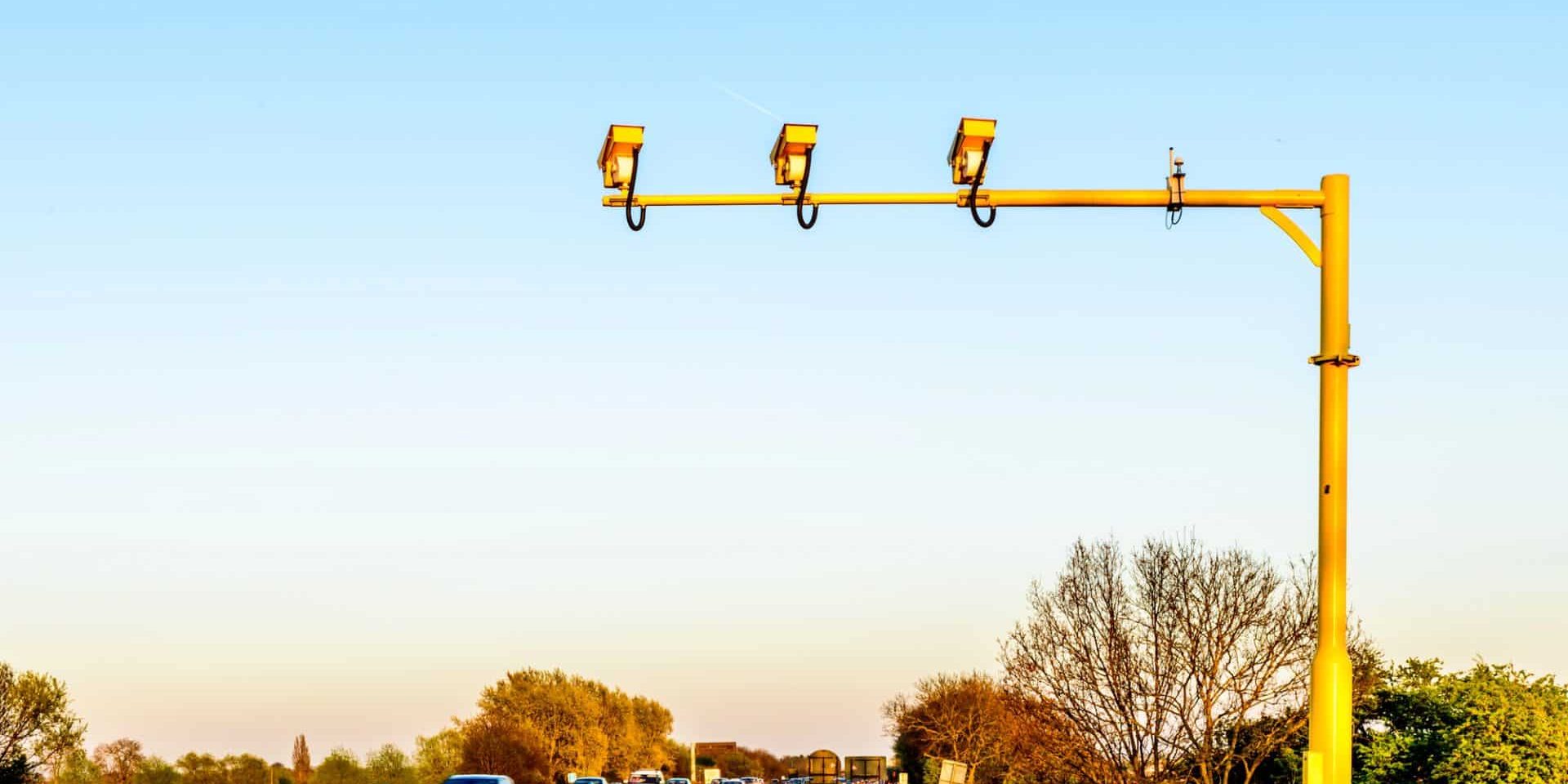
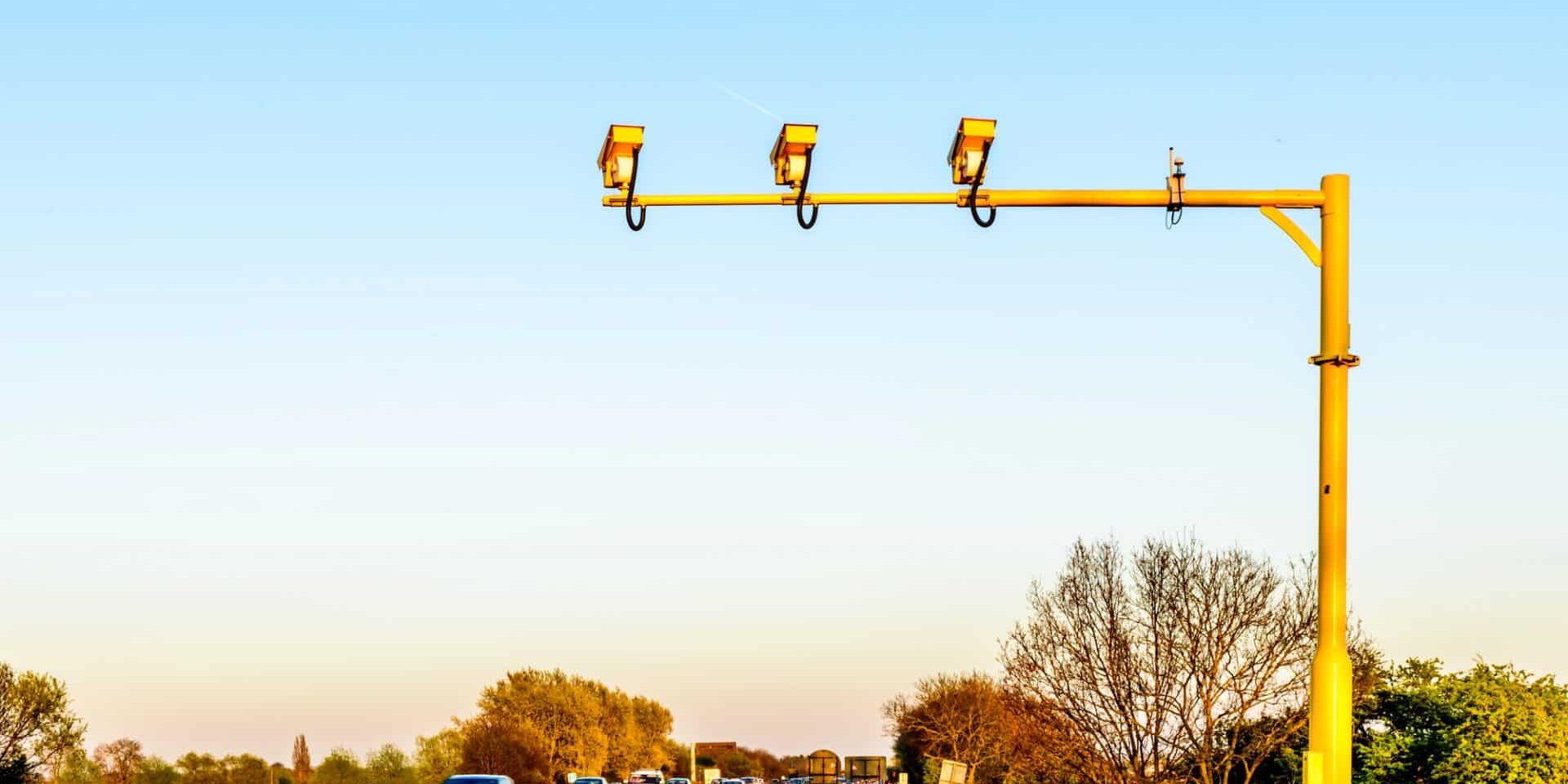
Most drivers still assume they will see a flash if they are caught speeding. That assumption is now out of date. A new generation of speed cameras is being rolled out across UK roads, and they work in a way that most motorists have never encountered. They do not flash. They use infrared. They monitor multiple lanes in both directions at once. And they can see inside your car.
The Jenoptik Vector-SR is the camera behind this shift. Built by German manufacturer Jenoptik Traffic Solutions, it holds Home Office Type Approval, meaning it has passed the rigorous testing required to operate as an unattended enforcement device on UK roads. More than 100 units have already been installed across Greater Manchester, funded through the Mayor’s Challenge Fund, with further deployments confirmed in Glasgow, Edinburgh, Cornwall and South Wales.
This is not a minor upgrade to the familiar yellow box on a pole. It is, by some distance, the most capable fixed camera system ever approved for use in the UK.
How The Vector-SR Works
Traditional speed cameras rely on radar or road sensors and a visible flash to capture evidence. The Vector-SR takes a fundamentally different approach. It uses 3D tracking radar that can monitor vehicles across up to three lanes of traffic in both directions simultaneously, operating at a detection range of 27 to 35 metres from the camera position.
Instead of a flash, the system uses infrared low-light imaging. That means it captures clear photographs day and night without producing any visible light. A driver caught by a Vector-SR will have no indication at the time that they have been recorded. There is no flash, no obvious trigger and no warning beyond the camera unit itself, which looks different from the older Gatso and Truvelo models most drivers have learned to recognise.
The system is fully self-contained and does not require in-road sensors or painted secondary check marks on the road surface. It is ANPR-based, reading number plates automatically, and it enforces 24 hours a day in both directions of travel.
It Catches Far More Than Speeding
Speed detection is only part of what the Vector-SR can do, and this is where it moves into new territory for UK road enforcement. The camera’s high-resolution imaging system can capture detailed images through vehicle windscreens and side windows. Combined with image recognition software, it can identify whether a driver is wearing a seatbelt and whether they are holding a mobile phone.
The system detects phones held to the ear or positioned on the driver’s lap. It identifies seatbelt violations by recognising the absence of the diagonal or vertical belt pattern across the driver’s body. These are offences that have traditionally been enforced only through roadside police stops, which are resource-intensive and impossible to scale. The Vector-SR changes that calculation entirely.
For context, the penalty for using a handheld phone while driving is six penalty points and a £200 fine. For drivers who passed their test within the last two years, six points means an automatic licence revocation. Not wearing a seatbelt carries a fine of up to £500. These are not obscure offences. They are among the most commonly committed and least commonly enforced violations on UK roads. A camera system that can detect them automatically, around the clock, across multiple lanes, represents a significant shift in how those laws can be policed.
Where They Are Right Now
Greater Manchester is the largest deployment so far, with more than 100 Vector-SR units installed and operational. Greater Manchester Police confirmed the rollout as part of a broader upgrade to the city’s speed camera network.
Beyond Manchester, units have been confirmed in Glasgow, Edinburgh, Cornwall and Wales. West Midlands has planned a rollout of 24 units, and Kent and Essex have been identified for deployments at A-road junctions with high collision rates.
The rollout is expected to continue through 2026 and beyond, with police forces across the country assessing the technology. Given that a single Vector-SR unit can cover three lanes in both directions without road sensors, the cost and logistical barriers to further deployment are lower than with older camera systems.
Why This Camera Is Different From Everything Before It
Previous generations of speed cameras had clear limitations. Gatso cameras flash, alerting the driver. Truvelo cameras face oncoming traffic and are easy to spot. Average speed cameras require two fixed points and only measure speed between them. Mobile speed vans need a human operator and can only cover one location at a time.
The Vector-SR removes most of those constraints. It is fixed but covers both directions. It does not flash. It does not need road markings or sensors. It reads number plates automatically. And it captures evidence of offences beyond speeding that no previous fixed camera could detect.
For police forces dealing with stretched budgets and reduced traffic officer numbers, a camera that can enforce speed limits, seatbelt laws and phone use laws simultaneously, without any human presence, is an obvious investment. For drivers, it means the margin for getting away with low-level offences on familiar roads has narrowed considerably.
What This Means For Drivers
The practical advice is straightforward. Wear your seatbelt. Put your phone away. Do not assume you will see a flash if you are over the limit. The Vector-SR is designed to be difficult to spot, and by the time you realise one is watching, the evidence has already been captured.
Drivers who rely on camera alert apps or GPS-based speed camera databases should also be aware that new camera locations may not appear in those systems immediately. The technology is still being rolled out, and new sites are being added regularly.
For the millions of drivers who already follow the rules, nothing changes. For those who have been relying on the visible flash as their early warning system, that safety net has gone.
Sources:

Leave a Comment
More in News

Are There Warning Signs Before a Cam Belt Breaks? Usually One, and It Is Not the Belt

Fife and Dundee Cars Fail 38.6% of First Attempt MOTs, Nearly Double Sutton’s 20.3%

How to Tell If Rust Will Fail Your MOT (and What a Repair Costs)

Why Your Car Clicks But Won’t Start (and What to Do)
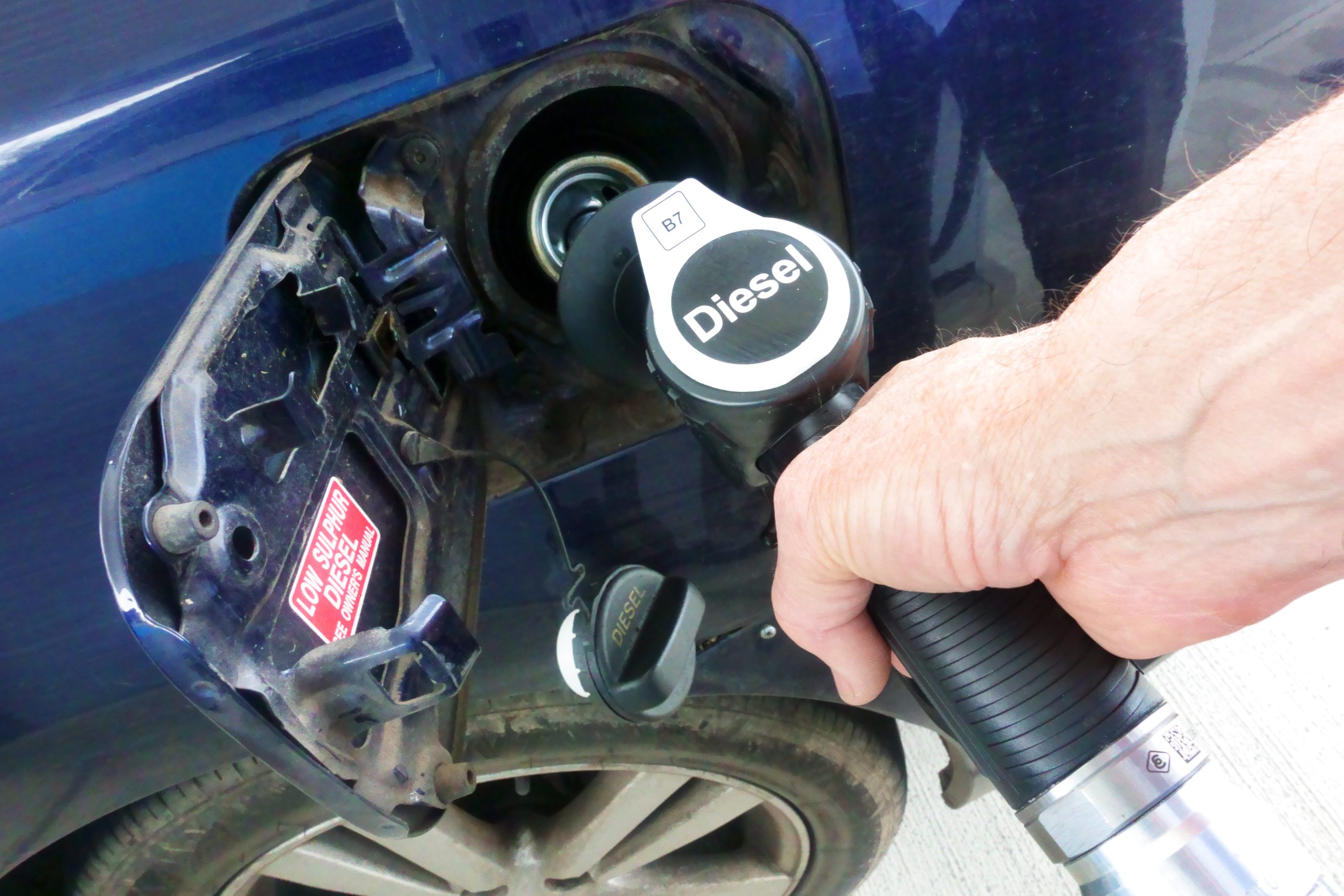
Diesel Drivers Pay £31 More Per Tank Than a Year Ago, DESNZ Data Shows
Trending on Motoring Chronicle
Seven Things Your Motability Insurance Does Not Cover That Could Cost You Hundreds

Aberdeen’s Low Emission Zone Fined Drivers Almost £4 Million in a Single Year

Watchdog Investigates Parking Firm Fining Drivers for Queuing at Petrol Stations

2027 Porsche Taycan Gains Tesla-Style Charging and a Bigger Standard Battery