Northampton and Daventry Drivers Face New Bus Lane Camera Fines From 22 June

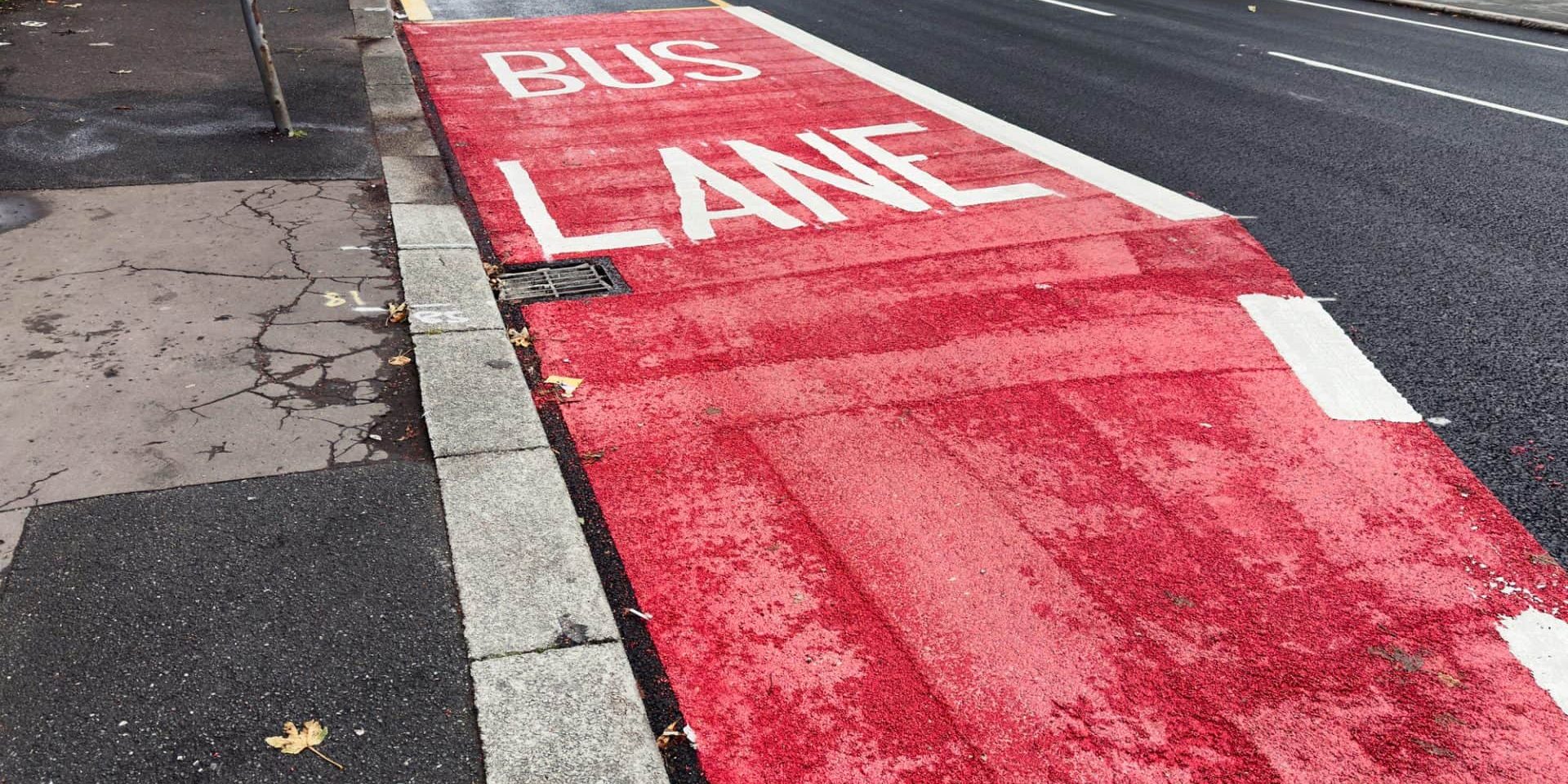
Drivers in Northampton and Daventry have a fortnight to break the habit of slipping into three local bus lanes before the cameras start costing them money. West Northamptonshire Council confirmed on 16 June that it is switching on stricter enforcement at Harlestone Road and Duston Road in Northampton and Lodge Road in Daventry. From Monday 22 June, any car caught in one of these lanes will get a warning. From Monday 6 July the warnings stop and a Penalty Charge Notice lands instead, set at £70 and halved to £35 if you pay within 21 days.
None of the three restrictions is new. The lanes have been reserved for buses for some time, the signs are already up, and the only thing changing is how consistently the rules are policed. That distinction is the catch. Plenty of regular drivers have grown used to nudging into these lanes when traffic backs up, and the council is betting that a camera and a fine will end that overnight. If your daily route runs along any of the three roads, the next two weeks are the window to work out exactly where the lane begins and when it applies.
Where the cameras are and how the fine works
Enforcement covers three sites: Harlestone Road in Northampton, Duston Road in Northampton and Lodge Road in Daventry. The restrictions at all three run 24 hours a day, seven days a week, so there is no quiet evening or Sunday loophole. A static approved camera films every vehicle that uses the lane, software flags the ones that should not be there, an evidence pack is built, and the PCN is posted to the registered keeper. You do not get pulled over and there is no warning on the day. The first you will know of it is the letter.
The penalty is a bus lane contravention charge of £70, reduced to £35 if you pay within 21 days of the notice being served. Service is deemed to be two working days after posting, so the clock starts before the envelope reaches you. Miss the 28 day deadline and the charge can rise further, with the debt eventually registered against you and passed for enforcement. One detail worth holding on to is that a bus lane PCN is a civil penalty, not a criminal one. There are no points on your licence and it does not feed into your insurance the way a speeding conviction would. It is purely a financial hit, but a repeatable one if you drive the same route every day.
Blue Badge holders should note there is no exemption here. Parking or driving in a bus lane is not permitted even with a Blue Badge while the lane is in operation, and at these sites that means at all times.
Why Northampton drivers should take this seriously
Bus lanes have a track record of catching far more drivers than councils expect, and Northampton already has the evidence. When the town introduced a 24 hour bus lane on one stretch in the recent past, almost 10,000 drivers were caught in just 81 days. That works out at roughly one every 12 minutes, or about 123 a day from a single camera. If even one of the three newly enforced sites behaves the same way, the volume of notices, and the money leaving local drivers’ accounts, will be substantial within weeks.
The pattern is national, not local. Drivers across England were hit with a record £142 million in bus lane fines in a single recent year, a rise of about 12 per cent on the year before. Councils argue the cameras keep buses moving and protect cyclists and pedestrians from cars making unexpected moves in restricted space. Critics counter that a lane which catches thousands of ordinary drivers in weeks may be confusing or poorly marked rather than wilfully abused. Either way, the burden falls on the individual driver to get it right, and the safest assumption is that every newly enforced lane is being watched from day one.
Councillor Richard Butler, West Northamptonshire’s Cabinet Member for Highways and Transport, said: “These bus lanes are there for a reason. They help keep buses running on time and make sure people can rely on public transport. When other vehicles use them unlawfully, it causes delays and can create safety risks for everyone using the road. The restrictions have been in place for some time, and we are now focusing on enforcing them more consistently. We would encourage all drivers to pay close attention to the signs and only use routes where it is clearly permitted.”
How to stay out of the lanes (and what counts as a contravention)
The single most useful habit is to read the time plate on the signs. Many bus lanes only operate at certain hours, but the three West Northamptonshire sites run around the clock, which removes the usual “after 6pm it is fine” assumption. Look for the solid white line that marks the start of the lane and the blue bus lane sign, and do not cross in early to jump a queue. If you need to turn left into a side road or a driveway that sits beyond the lane, only enter at the point where the markings allow it.
A few practical steps for anyone who uses these roads regularly:
- Drive the route once before 22 June with the bus lane specifically in mind, noting where it starts and ends.
- Treat the lane as off limits at every hour, including nights and weekends, because these three run 24/7.
- If a satnav tells you to use a lane, trust the road signs over the screen. The camera enforces what is painted on the road.
- Do not drift into the lane to pass a right turning vehicle or to let an emergency vehicle through unless there is no safe alternative. If you are fined in that situation, keep any evidence for an appeal.
- Remember a Blue Badge gives you no cover in these lanes.
What to do if you get a Penalty Charge Notice
If a notice arrives and you accept it, pay within 21 days to settle at £35 rather than £70. You can pay online through the council’s bus lane PCN portal or on the 24 hour automated line on 0345 680 0153, choosing option 5. The council does not accept payment by instalments, cash, Visa Electron or American Express, so have another card ready.
If you think the notice is wrong, do not pay first. Paying is treated as an admission of liability and closes the case, ending your right to challenge it. Instead, make a formal representation to the council. Valid grounds include that the contravention did not happen, that you were not the owner of the vehicle at the time, that the vehicle was being used without your consent, that the charge exceeds the correct amount, or that there was a procedural error by the council. The council has 56 days to consider a representation made on a notice issued under the current rules and must tell you its decision in writing.
If your representation is rejected, you can take the case to an independent adjudicator at the Traffic Penalty Tribunal within 28 days of the rejection notice. The adjudicator is an experienced lawyer who sits outside the council, and the decision is final for both sides. West Northamptonshire is a member of the PATROL adjudication arrangement that covers authorities outside London. One warning: if you appeal to the tribunal and lose, the full £70 becomes payable, so be confident in your case before going that far.
The bigger picture for local drivers
This is not a one off. Councils across the country are steadily handing bus lane and moving traffic enforcement to cameras, and West Northamptonshire already runs camera enforced bus only streets in Northampton town centre at Drapery and Gold Street. The direction of travel is more automated enforcement, not less, which means the cost of a careless turn keeps rising for drivers who do not adjust. The good news is that a bus lane fine is one of the most avoidable penalties going. There is no speed to misjudge and no split second decision involved. It comes down to reading the road and staying out of a clearly painted lane. Use the warning fortnight to fix the habit, and these three cameras never need to cost you a penny.
For more on how camera enforcement is reshaping the cost of everyday driving, see our coverage of the record sums councils are banking in bus lane fines and how to challenge a yellow box junction penalty.
Sources:
- https://www.westnorthants.gov.uk/news/new-enforcement-bus-lanes-across-west-northamptonshire
- https://www.westnorthants.gov.uk/parking/pay-or-appeal-bus-lane-penalty-charge-notice-pcn
- https://www.northamptonchron.co.uk/news/politics/two-new-bus-lane-cameras-in-northampton-and-one-in-daventry-will-begin-fining-drivers-247-soon-8744529

Leave a Comment
More in News

How to Reject a Faulty Used Car Under the 30 Day Rule

Every Driver Faces Animal Strikes as 54% of DfT Injury Collisions Happen in Darkness

2027 Jeep Compass Starts at $31,985 With Standard Adaptive Cruise Control

Kia Boosts 2027 EV9 Torque by 36 Percent as Nightfall Trim Goes Standard

2027 Mazda CX-90 Priced From $39,700 With New Two-Row Model
Trending on Motoring Chronicle
How to Spot a Washed Title Before You Buy a Used Car
TfL Rolls Out Speed Cameras in Nine London Boroughs That Detector Apps Cannot Find

What Colour Is the Positive Battery Cable?

Polestar 4 Coupe Gains Retuned Chassis and New Trims, Now on Sale From £56,750