
English Drivers Paid Nearly £1 Million in Yellow Box Junction Fines in a Single Year

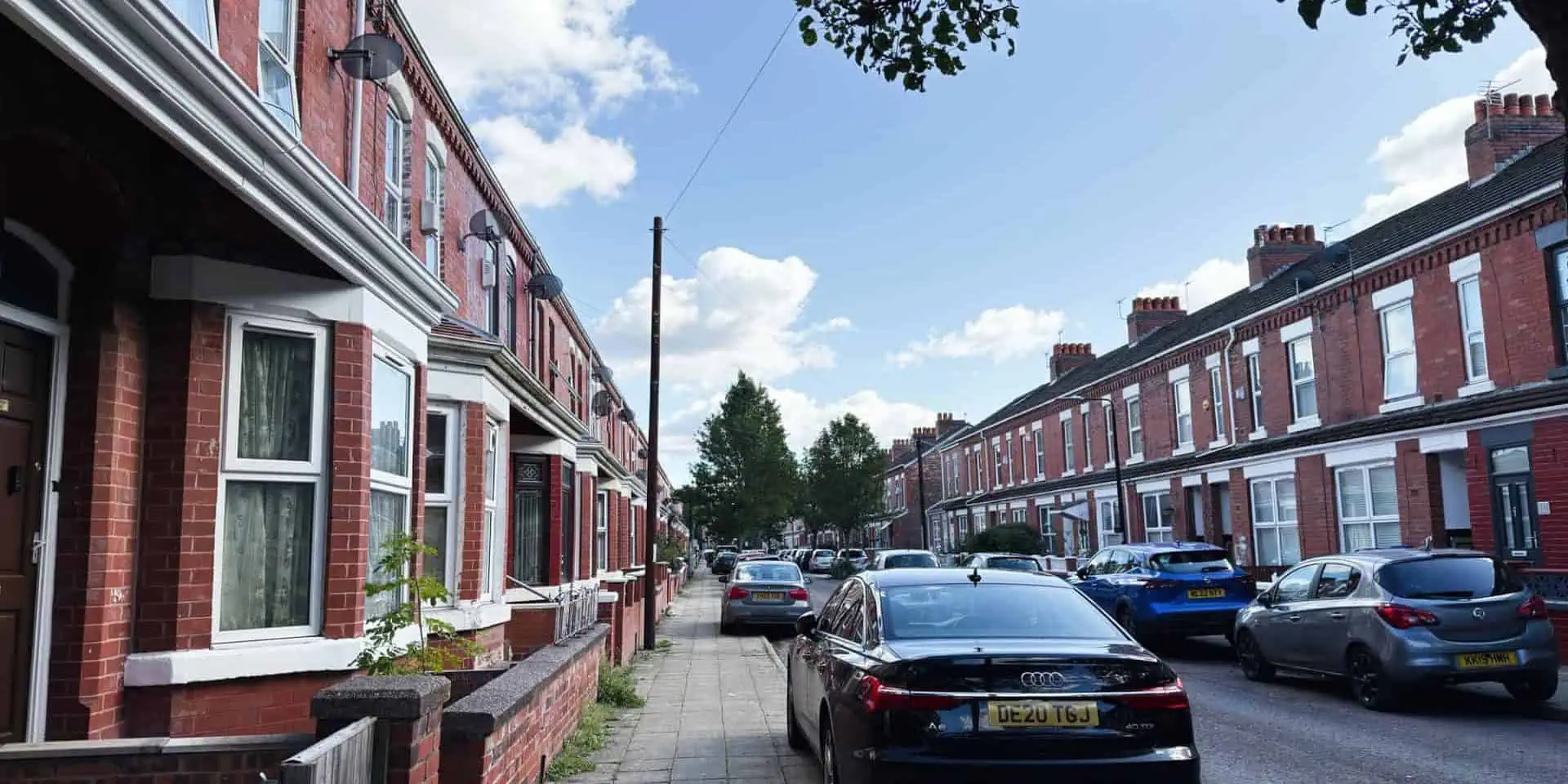
Drivers in England outside London handed over nearly £1 million in a single year for stopping in yellow box junctions, new figures reveal, and a small number of junctions are responsible for the bulk of the fines. Analysis obtained by the RAC shows councils issued 32,748 penalty charge notices at just 36 junctions during 2024, with motorists paying a combined £998,640. One city alone accounted for almost half of that total, raising fresh questions about whether some of these boxes are catching ordinary drivers rather than deliberate offenders.
If you drive through a busy town or city, this is worth understanding, because a yellow box fine can land even when you were trying to do the right thing. Here is what the rules say, where the fines are concentrated, and how to challenge a penalty you think is unfair.
Where the fines are coming from
The RAC data, gathered through Freedom of Information requests, paints a picture of heavy enforcement at a handful of hotspots. Manchester City Council issued 13,130 penalty charge notices in relation to six junctions, collecting around £450,000. That means one council, at six locations, was responsible for close to half of all the money paid across the 36 junctions covered by the data. Three councils outside London, plus Cardiff, were behind six in ten of all yellow box fines handed out that year.
This kind of enforcement is relatively new outside the capital. For years, London was the only part of England where drivers could be penalised for blocking a box junction. That changed when the Government introduced new powers in 2022 under the Traffic Management Act 2004, allowing councils across England to apply for the right to enforce moving traffic offences, including yellow box junctions, bus lanes and banned turns, using cameras. Since then, more and more local authorities have switched on the cameras, and the penalties have followed.
What the rules actually say
The yellow criss-cross markings exist to keep traffic flowing through busy junctions. Rule 174 of the Highway Code states that you must not enter a box junction until your exit road or lane is clear. There is one important exception. You may enter and wait in the box when you want to turn right and are stopped only by oncoming traffic, or by other vehicles that are also waiting to turn right. As soon as the way ahead is clear enough for you to pull fully clear, you can proceed.
The penalties are issued by post after a camera records a vehicle stopping in the box. Outside London the fine can be up to £70, reduced to £35 if you pay within 21 days. In London the penalties are higher, with charges of up to £130 depending on the borough and the location. Because the cameras run automatically, drivers often have no idea they have been caught until the notice arrives in the post days or weeks later.
The concern raised by motoring groups is that not every box junction is fairly designed. Some are larger than they need to be, or sit at junctions where the traffic light timing makes it almost impossible to cross without occasionally being caught when the queue ahead moves unexpectedly. A driver who enters with a clear exit, only for the car in front to stop suddenly, can still end up stranded in the box through no real fault of their own.
Yellow box junctions are only one part of a much wider expansion of camera enforcement by councils. The same 2022 powers also let local authorities fine drivers for other moving traffic offences, such as driving in a bus lane, ignoring a no entry sign, performing a banned turn or making an illegal U-turn. Hundreds of councils have either applied for these powers or are in the process of doing so, and many phase in their cameras with a warning period before live fines begin. The direction of travel is clear: enforcement that was once limited to London is becoming normal across towns and cities throughout England.
Revenue or road safety
The scale of the fines at so few locations has prompted accusations that some councils treat the junctions as a money-spinner. Rod Dennis of the RAC said he believed some authorities were using the junctions as a “revenue-raising opportunity”. He pointed out that “very few people set out to deliberately flout the rules and get fined”, and argued that the “large number of penalties being dished out over a small number of locations and in a short space of time should send alarm bells ringing in council offices”.
He added that boxes must be used in the right places and kept “only as big as absolutely necessary”, and that they should be “fairly set up so that drivers don’t find themselves stranded through no fault of their own”. The appeal figures hint at frustration on the ground. In Manchester, 18 per cent of drivers who were fined lodged an appeal, the highest rate in the data.
Councils defend the cameras as a tool to keep traffic moving and prevent gridlock. Manchester City Council said its enforcement cameras were well signposted and advertised, and had been put in place to act as a deterrent against drivers making illegal turns or blocking the road. It said a six week period of grace had been used when cameras went live, with first offenders in the opening six months sent warning letters rather than fines. The Local Government Association said all councils follow guidance to ensure motorists are treated fairly, and that there are processes for appeal if anyone believes they have been unfairly penalised.
How to avoid a fine and how to appeal
The surest way to avoid a penalty is to wait behind the line until you can see a clear gap on the far side of the box big enough for your whole vehicle. Do not be pressured by drivers behind you into creeping forward into a box that is not clear. When turning right, you are allowed to wait inside the box, but only if oncoming traffic is the sole reason you have stopped. A dashcam is useful, because it records exactly what the road ahead looked like at the moment you entered.
If a notice arrives and you believe it is wrong, do not simply pay it if you intend to contest it, because paying usually closes the case. Start with an informal challenge to the council, setting out why you think the penalty is unfair and including any dashcam footage. If that is rejected, you will be sent a formal Notice to Owner, after which you can make formal representations. Should the council still refuse, you can take the case to an independent tribunal, the Traffic Penalty Tribunal for most of England and Wales, or London Tribunals in the capital, at no cost to you.
It also pays to look at the box itself. The markings have to comply with the official traffic signs regulations, and a box that is faded, wrongly sized or laid out incorrectly can be grounds for a successful challenge. Take a photograph of the junction if you can do so safely on foot afterwards, noting whether the lines are clear and whether the signage is correct. Tribunals do overturn penalties where a council has not set up or maintained a junction properly, so the condition of the box is often as relevant as your own driving.
Strong grounds for appeal include a box junction that is not correctly marked or signed, traffic light faults, or clear evidence that you entered with a properly clear exit and were stopped by something outside your control. With enforcement spreading to more towns and cities every year, knowing the rule, and knowing your right to challenge, is the best protection a driver has.
Sources:
- https://www.bbc.co.uk/news/articles/c24v1q1n60do
- https://www.fleetnews.co.uk/news/major-disparity-in-number-of-yellow-box-junction-fines-issued-by-councils
- https://www.gov.uk/government/publications/the-highway-code

Leave a Comment
More in News

Why Councils Reject Three in Four Driver Pothole Claims as Backlog Hits £18 Billion

Every New Car Buyer Can Now Haggle UK Dealers Down by £6,000
How the Most Reliable Used Cars of 2026 Could Save Buyers Thousands
DVSA Reveals 1 in 14 Cars Fail Their MOT With a Dangerous Defect

Older and Disabled Drivers Wait 47 Times Longer for a DVLA Licence Decision
Trending on Motoring Chronicle

The final W16 era milestone: the first W16 Mistral now leaves the Bugatti Atelier [Photo Gallery]
Aston Martin celebrates 60th anniversary of Goldfinger with 007-inspired secret experience in the heart of London [Photo Gallery]

BMW iX3 Scores Five Stars in Toughest Euro NCAP Test Yet

Jeep Recalls Over 1 Million Wranglers and Gladiators With an Urgent Park Outside Fire Warning
