
Nichols N1A Supercar Enters Production With 700bhp V8 and Sub-900kg Weight From £450,000


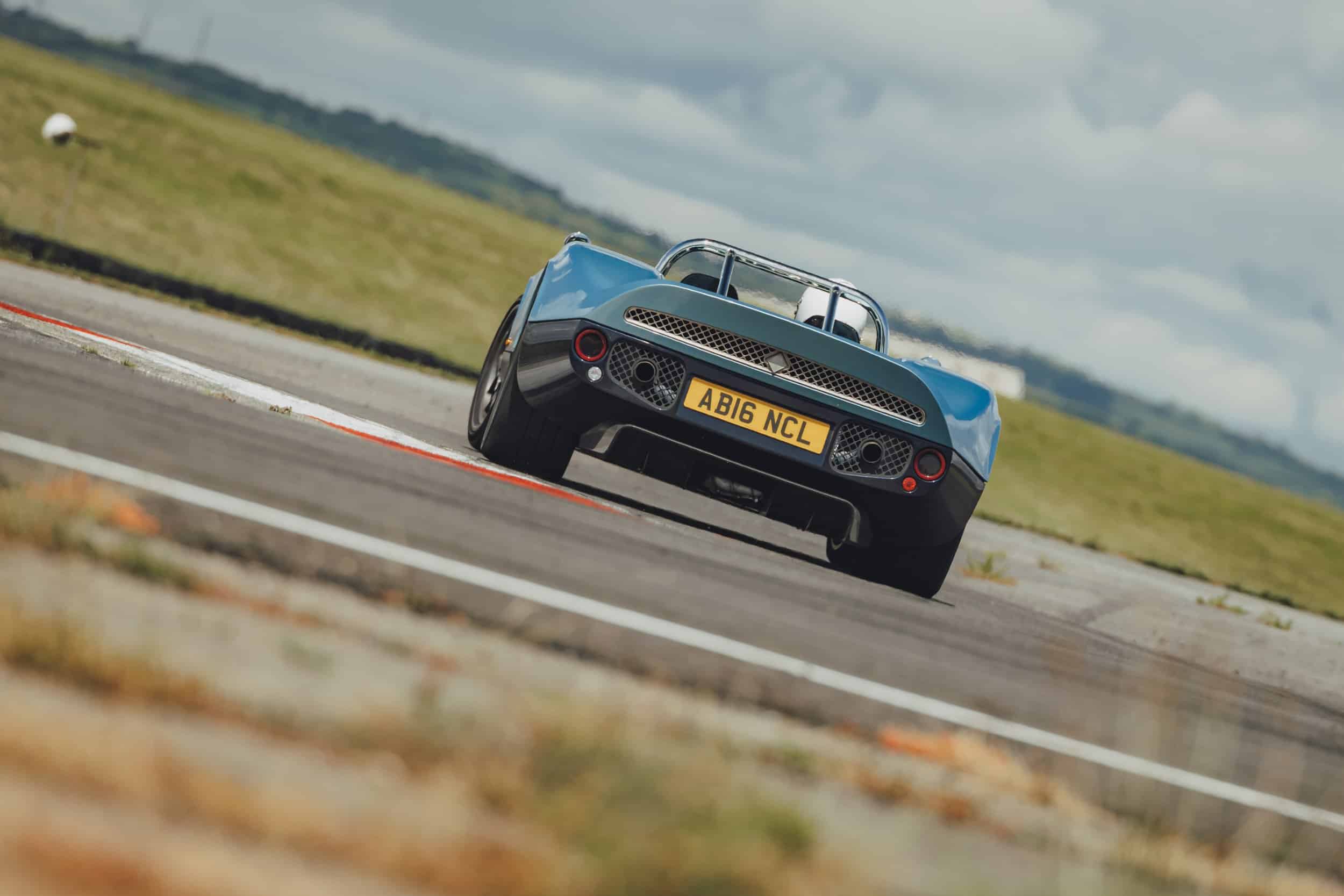
Nichols Cars has started building the first customer examples of its N1A supercar, moving the analogue, Can-Am-inspired British two-seater from prototype to production. Deliveries begin later this year, with no more than 150 cars to be built globally and prices starting from £450,000 before taxes. The first 15 cars, a launch edition called the Icon 88, are priced from £500,000.
The N1A is a deliberately old-school proposition in a market drifting towards turbocharging, hybrid assistance, and ever more driver aids. It weighs under 900kg, can be ordered with a 700bhp naturally aspirated V8, and drives through a six-speed manual gearbox. The result is a power-to-weight ratio of up to 780bhp per tonne, the kind of figure that puts it in genuine hypercar territory while keeping the driving experience stripped back and mechanical.
For the small group of buyers who can reach the price, the appeal is clear: a low-volume, hand-built British car designed first and foremost around feel rather than lap times or digital wizardry. The move to production follows a long development programme and a new manufacturing partnership that should give customers confidence the cars will actually be delivered.
A 700bhp V8 in a Sub-900kg Car
The headline numbers are what set the N1A apart. The standard engine is a 6.2-litre naturally aspirated Chevrolet V8 producing 475bhp at 6,000rpm and 470lb-ft of torque. Buyers who want the full experience can specify a 7.0-litre, LS7-derived, dry-sump, hand-built V8 that lifts output to 700bhp at 6,500rpm and 600lb-ft at 5,200rpm.
With a production weight quoted at under 900kg, or sub-2,000lbs, that optional engine gives the N1A up to 780bhp per tonne. Nichols quotes an estimated 0-62mph time of 3.5 seconds, though the point of the car is not really the numbers. The six-speed manual, the naturally aspirated response, and the low mass are all chosen to keep the driver as connected to the car as possible.
The chassis is a bonded aluminium and carbon-fibre structure wearing carbon-fibre body panels, with double-wishbone suspension front and rear. It is the sort of specification you would expect from a track-focused car, but Nichols has tuned it for the road as much as the circuit.
Built Around Feel, Not Screens
Nichols is open about the philosophy behind the car. In production form, the N1A is described as a lightweight, analogue supercar engineered to prioritise feel, balance, and mechanical honesty over digital intervention. It draws inspiration from the McLaren M1A and was developed under the direction of Steve Nichols, the Formula One designer behind the McLaren MP4/4 that dominated the 1988 season.
The final phase of development focused on driver connection and sensory feedback rather than chasing outright pace. Nichols CEO John Minett signed off the car after a validation drive that began on the roads of Bannau Brycheiniog, the Brecon Beacons National Park, before a high-speed run at Pembrey Circuit in South Wales.
“Beginning production of our first N1A customer cars is hugely significant for everyone at Nichols,” said John Minett, Nichols Cars CEO. “The development process has been deeply rewarding, not least because we’ve shared the car openly with customers, race drivers, and the media throughout. The response has been overwhelmingly positive, and that feedback has played a valuable part in refining the prototype into the supercar we’re now building.”
What Changed on the Way to Production
The development programme delivered a set of targeted changes that are now built into the customer car. Nichols revised the ECU calibrations to sharpen both road and track performance, and reworked the brakes for better balance under high-speed deceleration. The brand says the aim was to make the car more confidence-inspiring and accessible to a wider range of drivers, not just experienced racers.
New four-way adjustable dampers broaden the tuning range and improve tyre feedback, while revised spring rates are intended to give predictable balance through corners under track loads while staying compliant on the road. Cooling has been improved with a wider radiator to cope better with low-speed driving and traffic, and aerodynamic tweaks include a new rear diffuser and a revised rear valance.
Production is supported by a new partnership with RML, the Ray Mallock engineering firm known for low-volume, high-performance road and race car manufacturing. That relationship is central to the move to production and should reassure buyers handing over deposits on a car from a small, relatively young manufacturer.
Pricing and Availability
No more than 150 Nichols N1A cars will be built, with pricing starting from £450,000, roughly $570,000, before taxes. The launch edition Icon 88 is limited to just 15 cars and priced from £500,000, around $635,000, before taxes. Each Icon 88 commemorates one of the 15 victories the McLaren MP4/4 scored during the 1988 Formula One season, when Steve Nichols was the team’s chief designer.
Customer deliveries begin later this year. At these prices and volumes the N1A will remain a rare sight, but it lands at an interesting moment. As supercars grow heavier, more powerful, and more reliant on electronics, a sub-900kg British car built around a manual gearbox and a naturally aspirated V8 is a pointed reminder of an older idea of what a driver’s car should be.

Leave a Comment
More in News

Newcastle Drivers Paid £3.7 Million in Parking Enforcement as Council Income Jumps 23 Percent

Coventry Drivers Paid £5.4 Million in Parking Charges as Council Surplus Jumps 80 Percent

What Your Rights Actually Are When a Garage Overcharges or Botches a Repair

£625 Million of Detected Motor Fraud Costs Honest Drivers, ABI Figures Show

BYD Dolphin-G review: UK’s first plug-in hybrid supermini is a winning package
Trending on Motoring Chronicle
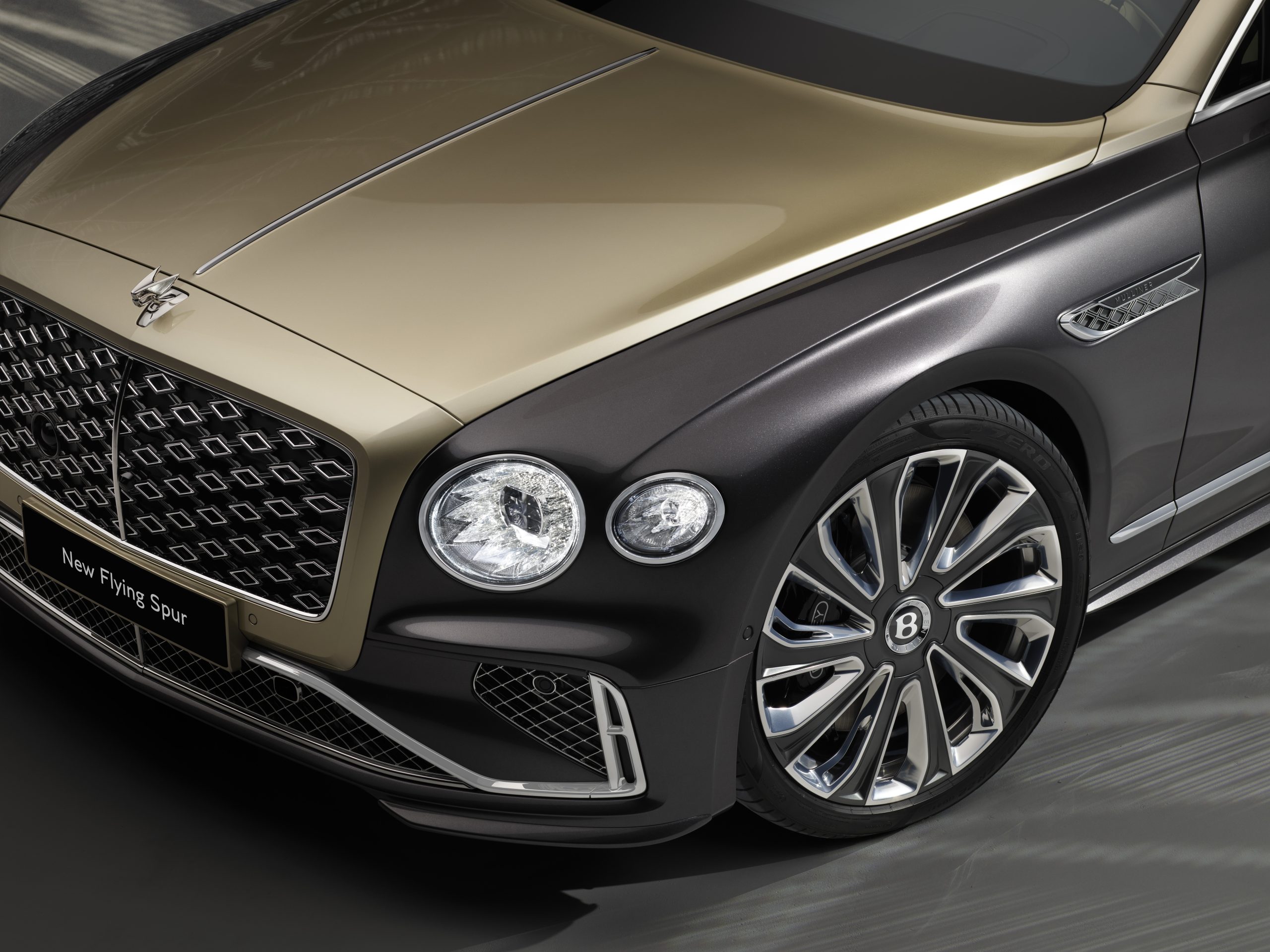
Most powerful Mulliner models yet define pinnacle versions of Continental GT, GTC and Flying Spur [Photo Gallery]
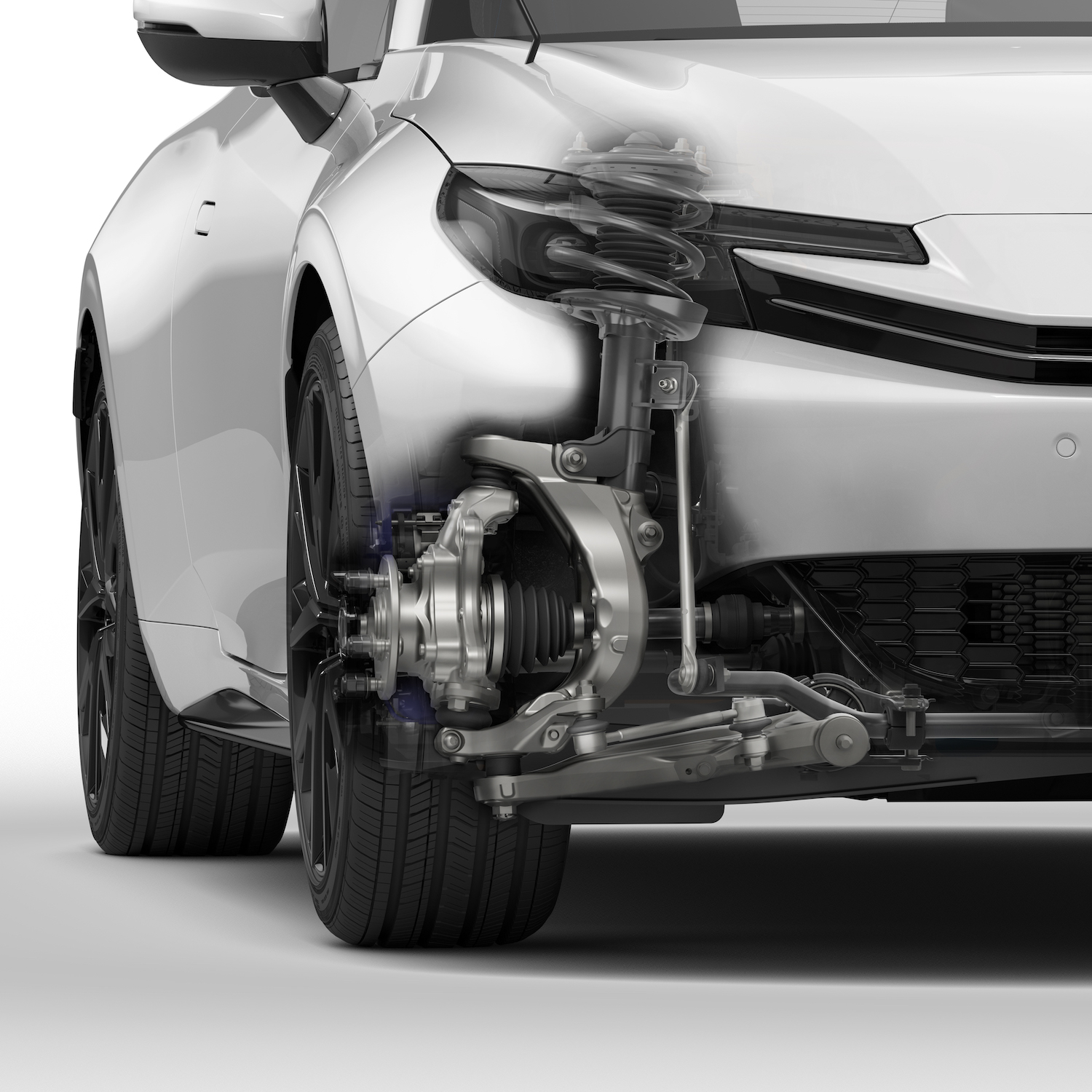
What Does The Sway Bar Do?
Average New Car Now Costs $49,220 as Tariffs Add Thousands to Sticker Prices
Lamborghini Esperienza Giro USA takes on New England [Photo Gallery]
