Nearly Every New EV Can Now Use Tesla Superchargers in 2026

If you drive a non-Tesla electric car, there is a good chance you can now pull into a Tesla Supercharger and fill up, alongside the Teslas. As of 2026, nearly every major automaker selling EVs in the United States has signed on to use Tesla’s plug, opening the largest and most reliable fast-charging network in the country to the rest of the industry. For owners who have spent years hunting for a working public charger, it is one of the most useful shifts in EV ownership to date. Here is which brands have access, how to actually plug in, and what it costs.
The reason this is happening is a single connector. Tesla’s charging plug, now adopted as the North American Charging Standard, or NACS, has become the default across the industry. More than 21,500 Tesla Superchargers are now reachable by non-Tesla EVs, and the list of brands with access keeps growing. That changes the math for anyone weighing whether to buy an electric car, because charging availability has long been the biggest worry for new owners.
Which Brands Can Charge at a Tesla Supercharger Now
The list of automakers that have agreed to Supercharger access has passed 20 companies and now covers the vast majority of EVs on sale. It includes Ford, Rivian, General Motors brands Cadillac, Chevrolet and GMC, plus Volvo, Polestar, Nissan, Lucid, Mercedes-Benz, Hyundai, Genesis, Kia, Honda, Acura, Jaguar Land Rover, Audi, Porsche, Toyota and Lexus, Subaru, Volkswagen, BMW and Mini, and most recently the Stellantis group covering Jeep, Chrysler, Dodge, Ram, Alfa Romeo and Fiat.
In practice, that means if you bought an electric vehicle from almost any mainstream brand, your car is either already cleared for Supercharger use or will be through an adapter. The exact rollout varies by model and model year, so the safest move is to check your automaker’s app or owner support page, which lists whether your specific vehicle is approved and how to enable charging.
How Access Actually Works
There are three ways a non-Tesla EV connects to a Supercharger, and which one applies to you depends on how new your car is.
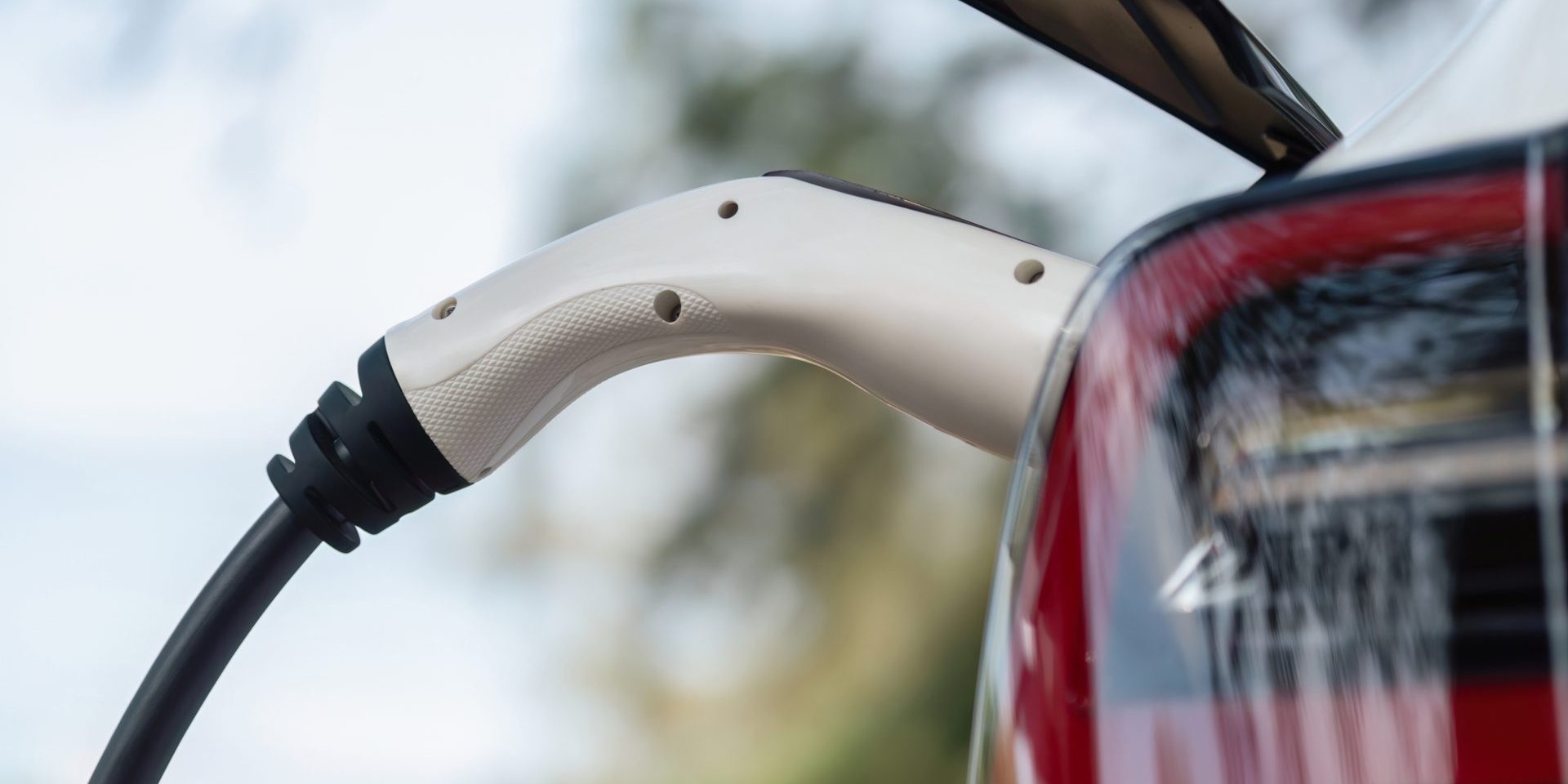
The first is a manufacturer-supplied adapter. Most EVs on the road today were built with a CCS charging port, the older standard, so they need a small adapter that converts the Supercharger’s NACS plug to fit. Automakers have been distributing these adapters to owners, some free of charge and some for a fee. You keep the adapter in the car, attach it to the Supercharger cable, then plug into your charging port.
The second is a native NACS port. Newer EVs are starting to ship from the factory with Tesla’s connector built in, so they plug straight into a Supercharger with no adapter at all. Several new Hyundai and Kia models already come this way, and other brands including Mercedes-Benz and Rivian are moving their future vehicles to native NACS ports. If your EV has the Tesla-style port, charging is as simple as it is for a Tesla owner.
The third is the Magic Dock, a built-in adapter Tesla has fitted to some Supercharger stalls. At those locations, the adapter is attached to the charger itself, so a CCS car can plug in without carrying its own adapter. Magic Dock stations are limited in number, so you should not count on finding one, but they are handy when you do.
What It Costs and How to Pay
Adapter prices vary by brand. Some automakers have handed out a complimentary NACS adapter to owners as part of the deal, while others charge for it, with prices that have run from around $230 to $250. Before buying a third-party adapter from an online marketplace, check whether your manufacturer offers an approved one, because using an unapproved adapter can damage your car or the charger and may not be covered by warranty.
Paying for the electricity itself is handled through an app rather than a card reader. In most cases you set up Supercharger access inside your own automaker’s app, link a payment method, then start and stop the session there. Some owners use the Tesla app instead. Either way, the charger recognizes your vehicle and bills you automatically, so there is no tap-to-pay terminal at the stall.
Pricing per kilowatt-hour is set by Tesla and changes by location and time of day, much like other fast-charging networks. Public fast charging is not cheap compared with charging at home, and rates have been climbing, with the national average for public charging now sitting near 49 cents per kilowatt-hour. Some brands negotiate preferred rates for their owners, so it is worth checking whether yours does before you assume the price.
What to Check Before You Pull Up to a Supercharger
A few minutes of preparation saves frustration at the charger. First, confirm your specific vehicle is approved. Open your automaker’s app and look for a Supercharger or charging network section. If your car is cleared, the app will walk you through setup and tell you whether you need an adapter or have a native port.
Second, get the right adapter from your manufacturer if your car uses a CCS port, and keep it in the vehicle. Third, set up payment in the app before you arrive, so your first session is not delayed while you enter card details at the stall. Fourth, use the app or in-car navigation to find Superchargers open to your brand, since a small number of older stations are still Tesla-only.
One more practical note: a Supercharger cable is designed for a Tesla, where the charging port sits at the rear corner. On some other EVs the port is at the front or the opposite side, so you may need to pull in at an angle or back into the stall to reach the cable. It is a minor quirk, not a dealbreaker, but worth knowing the first time so you are not left stretching a cable that will not reach.
It is also worth understanding why this happened. For years, federal money under the National Electric Vehicle Infrastructure program, along with steady pressure from automakers, pushed the industry toward a single plug. Once Ford and General Motors agreed to adopt Tesla’s connector in 2023, the rest of the industry followed within months, and charging companies began adding NACS plugs to their own stations too. The result is a charging system that feels less like rival camps and more like a shared network.
Charging speed is one area where results still vary. Most Superchargers run at 400 volts, while some of the newest EVs use 800-volt systems that can charge faster on hardware built for that voltage. On a standard Supercharger, an 800-volt car may charge more slowly than it would on a station designed around its architecture, though Tesla has been rolling out newer V4 stalls that narrow the gap. For everyday driving and road trips the speeds are still more than adequate, but it explains why two different EVs can post very different charging times at the same stall.
Tesla’s network is not the only option, either. Rival fast-charging providers such as Electrify America and EVgo still run thousands of stalls, and many now include NACS connectors alongside the older CCS ones. Having Supercharger access does not lock you out of those networks; it simply adds the largest and historically most reliable one to your list of choices. Comparing prices across networks through your charging apps can save real money on a long trip.
The broader point is that public charging just got far less stressful for the average EV owner. For most of the last decade, drivers of non-Tesla electric cars relied on a patchwork of third-party networks with uneven reliability. Adding more than 21,500 Tesla Superchargers to the list of places they can plug in removes much of that uncertainty, and for anyone who has held off on buying an EV because of charging worries, it takes one of the biggest objections off the table.
Sources:

Leave a Comment
More in News

America Is Investigating This Engine. Britain Has Not Recalled One Car

Why Connecticut Drivers Cruising in the Left Lane Now Face an $88 Fine
Hurricane Isaias Flooded Thousands of Cars That Could Reach Used Lots

Gas Prices Jump to $4.36 a Gallon as the National Average Rises 40 Percent in a Year

NHTSA Recalls Over 346,000 Vehicles From Ram, Ford, VW and Land Rover
Trending on Motoring Chronicle

Ford Recalls 741,195 Trucks and SUVs That Can Roll Away While Parked
Councils Made Almost £1.1 Billion From Parking While Nearly Half of Appeals Succeed

Half of Gen Z drivers give their car nicknames, with Baby being the most common

A 16 Cylinder Engine, 203 mph And A Straight Road In Italy. The Story Behind The Car Audi Just Rebuilt