
How to Fix a Weak Car Heater Fan (Check the Fuse First)
- A heater fan that blows weakly, on one speed only or not at all points to the blower fuse, the resistor, the motor or the cabin filter, and the fuse is the first check.
- The average heater repair quote booked through FixMyCar is £112.92 ($151), an average across the quotes that platform handles.
- The heater is not on the list of parts checked at an MOT, but the tester checks the wipers, the washers and the driver’s view of the road.
The Air Is the Problem, Not the Heat
Put your hand over a vent and turn the fan to full. If almost nothing comes out, or the fan is silent, or it only works on one setting, the fault sits in the airflow and the first job is the fuse. Check that the controls are set to the vents and not to the windscreen or the footwells, then find the blower motor fuse in the car handbook. If it has blown, replace it.
Warm air that arrives in a trickle is a different fault from cold air that arrives in a gale. Hot coolant and a weak fan produce lukewarm vents. Strong air from a cold engine points the other way: a temperature gauge needle that hardly moves is the clue, and those cold engine causes (low coolant, an air lock, a stuck thermostat) are covered in our guide to why a car heater blows cold air. Everything below assumes the engine is warm, the gauge sits where it should, and the heater still fails to move air or send it where you want it.
Four symptoms map to four suspects. No air at all means the controls, the fuse, the motor or the resistor. Air on only one speed points to the motor or the resistor. Weak air at every speed points to a clogged cabin filter. Heat on one side of the cabin can mean a blend flap or its actuator.
Fuse, Motor and Resistor: Working Through a Dead Fan
The blower fan is driven by a motor, and a resistor, also called the regulator, is part of that circuit. When the motor or the resistor fails, the fan can stop working on some or all speeds, leaving no airflow at all or only one working speed. The heater matrix can be hot, but without a fan there is no force to push the warm air into the cabin.
Work from the cheap checks to the dear ones. Start with the fuse. If the fuse is fine, the motor and the regulator have to come out of the car and be tested with a multimeter, using the handbook or a workshop manual for the location. If either one fails the test, it needs replacing. A garage will usually replace the motor or the resistor pack.
The speed pattern is useful to a garage. A fan with a single working speed, or none, points to the motor or the resistor pack, and saying so on the phone narrows the search. A fan that is dead at every setting with a good fuse sends the garage to both parts.
Modern heating relies on more than a fuse. Relays, wiring and on some cars an electronic climate control module also feed the fan, the valves and the blend flaps. A blown fuse, a poor electrical connection or a failed control unit can stop any of them. An auto electrician can trace the fault and repair or replace the parts affected, and on cars with climate control a garage reads the fault codes with diagnostic equipment before deciding what to replace.
Weak Air and One Sided Heat: Filter, Flaps and Matrix
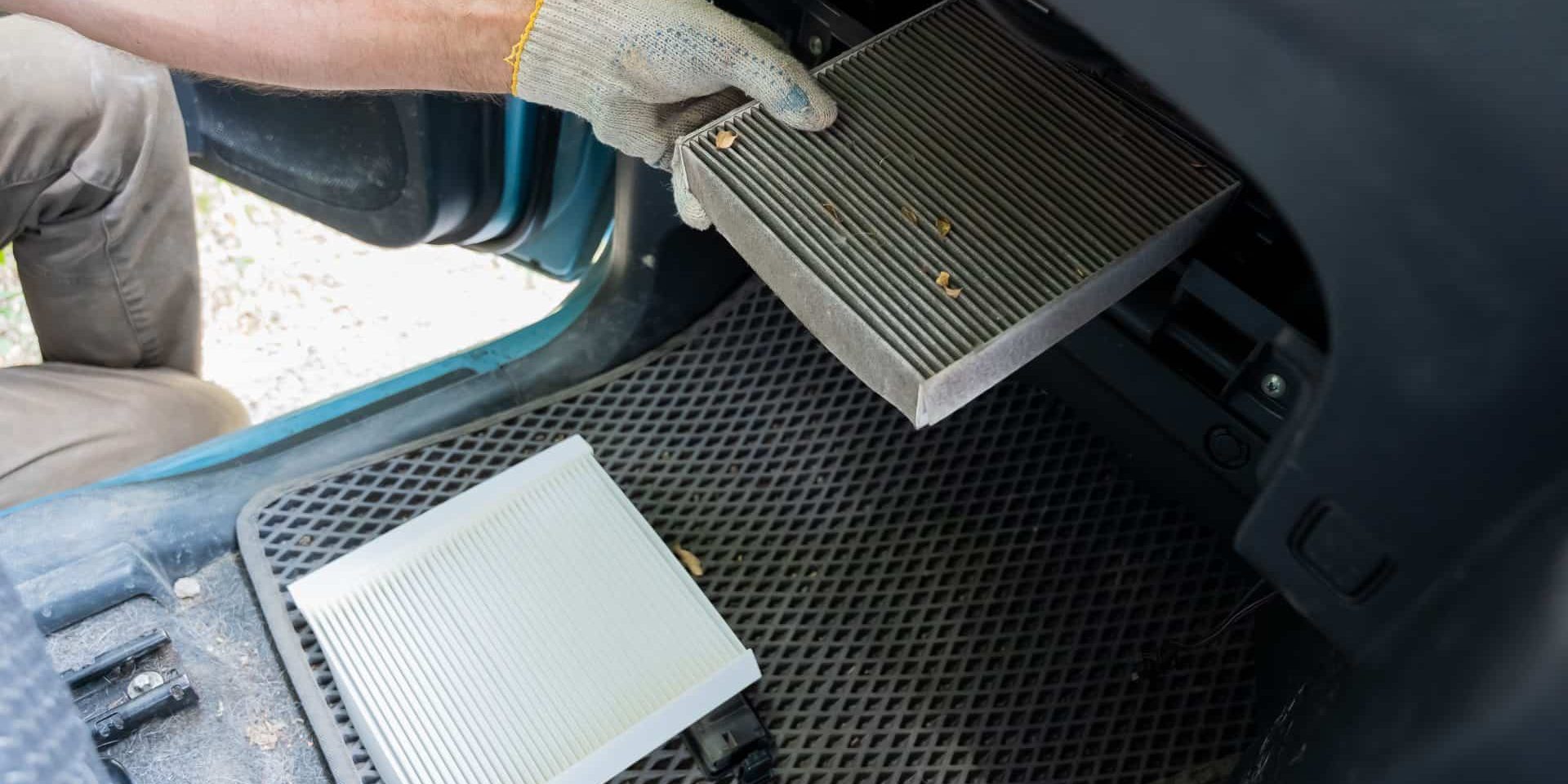
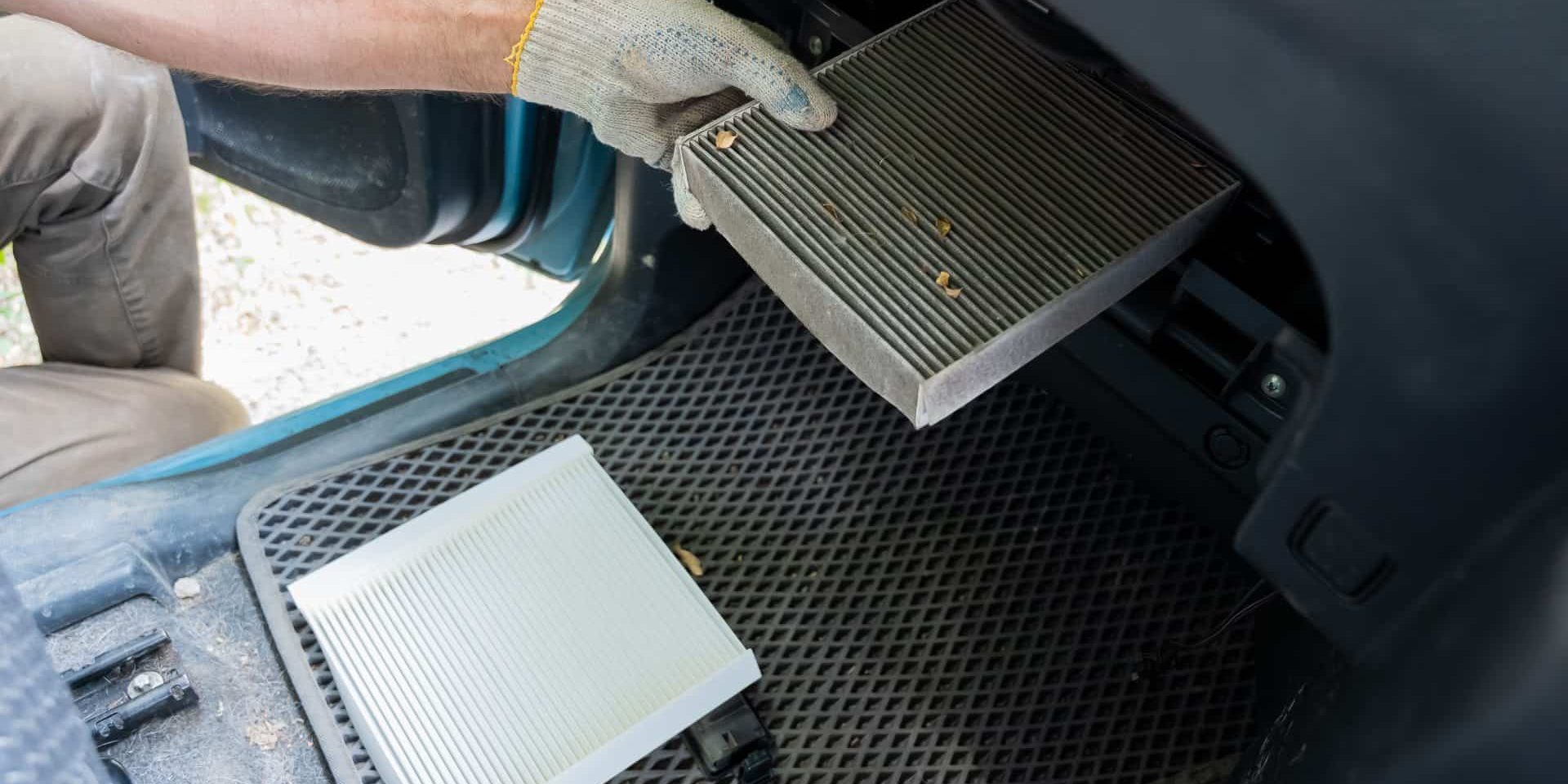
Weak air at every fan speed points to the filter. A very dirty or clogged cabin filter restricts airflow through the heater box. The matrix can be hot, but too little air crosses it, so the vents feel weak or lukewarm. The replacement interval given is 12,000 to 15,000 miles. A car that has covered that distance on one filter is a candidate, and our guide to when a cabin filter needs replacing covers the signs and the price.
Heat that reaches one side of the cabin and not the other is a different fault. Inside the dashboard, blend or air mix flaps direct air through the hot heater matrix or through the cooler ducts. If a flap jams or breaks, or the small electric actuator that moves it fails, the system can stay stuck on cold. On some cars the first sign is heat on one side only. The repair usually needs a mechanic, as the dashboard or heater box has to be stripped far enough to reach the flap or actuator, and the faulty part is then repaired or replaced. Ask for the price before the dashboard comes apart.
A faulty heater control valve can give a similar result: it fails to let hot coolant into the heater when the temperature dial goes up. On older cars a physical flap redirecting the air can also break or come loose from the controls.
A sweet smell in the cabin, a coolant level that keeps falling after a top up, or fog on the inside of the glass that will not clear points to a leaking heater matrix rather than an airflow fault. A leak of that kind can make the engine overheat, so a professional should look at it as soon as possible.
What a Heater Repair Costs and What to Tell the Garage
Fixing a heater is usually inexpensive. FixMyCar puts the average quote for a heater repair booked through its platform at £112.92, or about $151 at 1.34 dollars to the pound. Treat that as a scale, not a price list. It averages quotes across every heater fault the platform handles, not the fan alone, and prices vary by car and garage.
The most useful thing a driver brings to the garage is a clear description. Say whether the air is absent, weak or only present on one fan speed. Say whether the gauge reached its normal position, whether one side of the cabin is warmer than the other, whether the coolant level keeps falling and whether there is a sweet smell. Say whether the fan was ever noisy before it failed. Each answer removes a cause from the list before anyone picks up a tool, and the one speed or one side details narrow the search toward the resistor, the motor or a flap.
Why a Weak Heater Hurts Your View of the Road
The heater is not on the gov.uk list of car parts checked at an MOT. The list names wipers and washers, which are inspected to check that they work properly so the driver has a clear view of the road, and the windscreen, which is inspected for condition and the driver’s view of the road. Neither the list nor the MOT inspection manual mentions a heater or a demister.
The manual does set out what the tester does. Sitting in the driver’s seat, the tester checks the field of vision through the windscreen and the front side windows, and the windscreen should only fail if the view is significantly affected. Wipers that do not operate, a wiper blade that is missing or obviously not clearing the windscreen, and washers that are not working or fail to provide enough fluid to clear the windscreen are all classed as major defects. The heater itself goes untested, and a screen the driver cannot see through is a problem on the road whatever the test says.
The Highway Code puts the duty on the driver. Rule 229, in the section on icy and snowy weather, says that before setting off you must be able to see, so all snow and ice has to come off every window. The same rule tells drivers to make sure the mirrors are clear and the windows are demisted thoroughly. Rule 235, on driving in fog, adds that drivers should use their windscreen wipers and demisters. A fan that moves too little air to clear the glass makes both rules hard to follow on a cold morning.
Driving with a misty windscreen is unsafe whatever the test result. Until the repair is done, our guide to stopping windows fogging up from the inside covers what a driver can do about it. The fuse check takes minutes and comes before any garage visit.
Want more car content? Add us as a preferred source on Google to your favourites list for the best automotive news and analysis on the internet.
If you enjoyed this article, be sure to follow us on Microsoft Start.

Leave a Comment
More in News

Bexar County Drivers Must Now Pass an $18.50 Emissions Test Before Renewing Registration

2027 Nissan Rogue Hybrid Reaches Dealers This Week With an EPA-Estimated 38 MPG Combined
Indiana’s 60 Cent Gas Tax Break Ends Wednesday Unless the Governor Extends It Again
West Philadelphia Speed Cameras Now Issue $100 to $150 Tickets on Route 13

Every Electric Car Driver Overestimating Mileage Would Get Credit, Cash Only for Hardship Over £100
Trending on Motoring Chronicle

Automobili Lamborghini ignites DreamHack Dallas 2025 with a fusion of gaming, performance and innovation

Why TfL’s New Radar Speed Cameras Defeat Every App That Warns UK Drivers

Mercedes-Benz Vision Iconic: A masterpiece for a new iconic era [Photo Gallery]

2027 Kia Telluride Earns IIHS Top Safety Pick+ Rating for 2026
