
How to Claim for Pothole Damage as Britain’s Repair Backlog Hits £18.6 Billion


If a pothole has cracked an alloy or knocked your steering out of line this year, you are far from alone, and you may be able to claim back the cost. Britain’s local roads are crumbling faster than councils can fix them, and the bill landing on drivers is real. The average pothole repair for anything worse than a punctured tyre now runs to around £590, and in the first two months of 2026 the AA was called to 137,000 pothole related breakdowns, 25,000 more than the same period a year earlier. Here is what the latest figures show, and a clear step by step guide to claiming compensation from the authority responsible.
A repair backlog the size of a national emergency
The scale of the problem was laid bare in the 2026 ALARM survey, the annual stocktake of local road conditions compiled by the Asphalt Industry Alliance and completed by 79 per cent of councils in England and Wales. It found a repair backlog of £18.62 billion, the amount now needed simply to bring local roads up to a condition councils themselves consider acceptable. Only 51 per cent of local roads are rated as having 15 or more years of structural life left, while more than 32,500 miles have less than five years remaining.
Councils filled 1.9 million potholes over the year, more than 5,200 a day, yet the backlog keeps growing because roads are being resurfaced on average only once every 97 years. David Giles, chair of the Asphalt Industry Alliance, did not understate it. “I think all road users would agree that the condition of our local roads has become a national disgrace,” he said, pointing to repeated bad weather hitting an underfunded and increasingly fragile network.
The RAC has seen the same trend in its breakdown data. In February alone, 6,290 drivers specifically mentioned potholes when calling out a patrol, compared with 1,842 in February the previous year, more than a threefold jump. Road condition is now the number one motoring concern for UK drivers, cited as the top issue by 47 per cent of them, ahead of fuel prices, insurance and congestion.
What a pothole can do to your car
The damage ranges from the annoying to the ruinous. The most common casualties are tyres, with punctures, sidewall bulges and blowouts leading the list, and the RAC attended 20 per cent more punctures in 2026 than the year before. A hard strike at speed can buckle or crack an alloy wheel permanently. Suspension components such as shock absorbers and springs can fail, sometimes without an obvious immediate sign, and a heavy hit can knock the wheel alignment out, causing the car to pull to one side and wear tyres unevenly.
At the extreme end, the cost can dwarf the £590 average. Insurer Allianz reported that around one in five pothole insurance claims results in the car being written off, and in one 2023 case a BMW 7 Series hit a pothole on an A road at 60mph and was damaged so badly that the total claim came to £53,000. The lesson is to take even a moderate impact seriously: if the steering feels different or there is a vibration afterwards, get the car checked rather than waiting for a small problem to become an expensive one.
How to claim compensation, step by step
If a pothole damages your car, you can claim against the authority responsible for that road. For most local roads in England and Wales that is your county, city or borough council. Motorways and major A roads are handled by National Highways in England, Traffic Wales, or Transport Scotland, and in Northern Ireland by the Department for Infrastructure. The process rewards drivers who gather evidence quickly and keep good records.
- Collect evidence on the day. Photograph the pothole with something for scale, note the exact location using the road name and a what3words reference, and photograph the damage to your car.
- Report the pothole. Use the GOV.UK postcode tool to report it to the right council. This creates an official record, which also helps the next driver.
- Get written repair quotes. Obtain two or three quotes, and keep every invoice and receipt if you have already paid for repairs.
- Submit your claim. Check the council’s website for its claims procedure, many have online forms, and include your photos, quotes and the date, time and location.
- Be patient but persistent. Claims can take several months, and some councils aim to respond within four. Keep copies of everything you send.
The catch that sinks most claims
Councils have a legal defence under Section 58 of the Highways Act 1980. If an authority can show it took reasonable steps to maintain the road, including regular inspections and repairing known faults within set timescales, it may not be liable even though your car was damaged. In practice this is why so many claims are refused. The deciding factor is usually whether the pothole had already been reported and logged before you hit it. If it had been, and the council failed to fix it in time, your chances rise sharply. If it appeared between inspections and nobody had flagged it, the council is far more likely to defend the claim successfully.
Success rates vary enormously between authorities, from as low as 2 per cent to as high as 68 per cent, so a rejection is not the end of the road. You can ask to see the council’s inspection records, and if you believe a claim was wrongly refused you can escalate to the small claims court. RAC head of policy Simon Williams has argued that the sums involved often make refusal a false economy for councils. “Even if a driver successfully pursued compensation, the average sum paid out of £260 is often well below the cost to fix a pothole damaged car, for anything more serious than a punctured tyre,” he said.
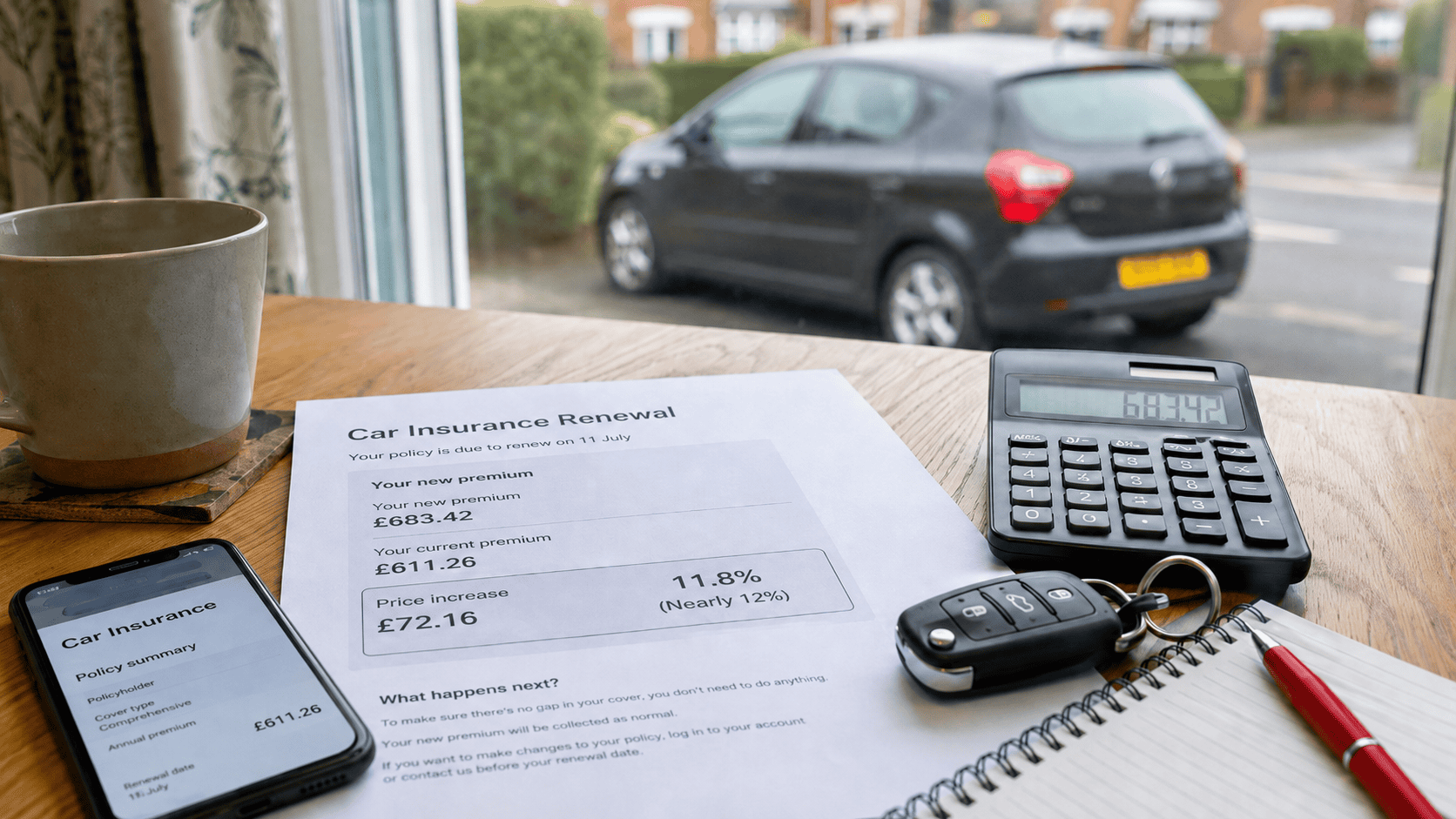
You can also claim on a fully comprehensive insurance policy, but think carefully first. Because no other vehicle is involved, it counts as a fault claim, which can cost you your no claims discount and push up the next renewal. For damage under roughly £500 to £600, paying for the repair yourself, or pursuing the council, is often cheaper in the long run. If you are weighing that up, our guide to why repair bills are rising and what it means for premiums is worth a read.
What happens next, and how to protect yourself
The government has pledged £7.3 billion over four years from 2026 to 2030 to improve local roads in England, with £1.6 billion for the current year, nearly 50 per cent more than last year, and a commitment to fill an extra one million potholes annually. The Asphalt Industry Alliance has urged ministers to frontload the money so councils can move from quick patching to proper resurfacing, but it warns that clearing the full backlog would still take around 12 years. Drivers should not expect roads to transform overnight.
In the meantime, a few habits reduce your risk. Slow down on visibly poor surfaces, because the faster you are travelling the worse the impact. Treat puddles with suspicion, since standing water often hides a deep hole. Avoid swerving suddenly to dodge a pothole, as steering into oncoming traffic is far more dangerous than a controlled hit. Keep tyres properly inflated, as that makes them more resilient, and report every pothole you see, which builds the official record that helps you and others claim later. A dash cam running on your commute can also provide the clinching evidence if you do hit one.
Sources:
- https://www.petrolprices.co.uk/uk-pothole-crisis-driver-damage-claims.php
- https://www.fleetnews.co.uk/news/pothole-compensation-claims-double-but-councils-pay-out-just-1-in-7
- https://www.rac.co.uk/drive/advice/driving-advice/rac-pothole-index-statistics-data-and-projections/

Leave a Comment
More in News

What a Coolant Warning Light Means Before It Costs You a £1,000 Repair
Progressive’s Profit Fell 3 Percent Even as It Added 1.4 Million Car Insurance Policies

NHTSA Picks 23 Vehicles for 2027 Crash Tests and Adds a New Pedestrian Safety Score

GAP Insurance Paid Back Just 6 Percent of What Drivers Paid, FCA Figures Show

A £4,300 Vauxhall Made Hagerty’s List of Classic Cars Worth Watching in 2026
Trending on Motoring Chronicle

Wheel Bearing Noise: How Long Can You Really Keep Driving?

Cheap Faraday Pouches Fail to Block Signals That Let Thieves Steal Keyless Cars

How One in Three Used Cars Sold in Britain Still Has Hidden Finance Owing
Outstanding Safety Recalls Now Appear on MOT Certificates as Five Big Brands Share Live Data
