
Car Insurance Holds at £560 but a £3,699 Average Repair Bill Points to Rises
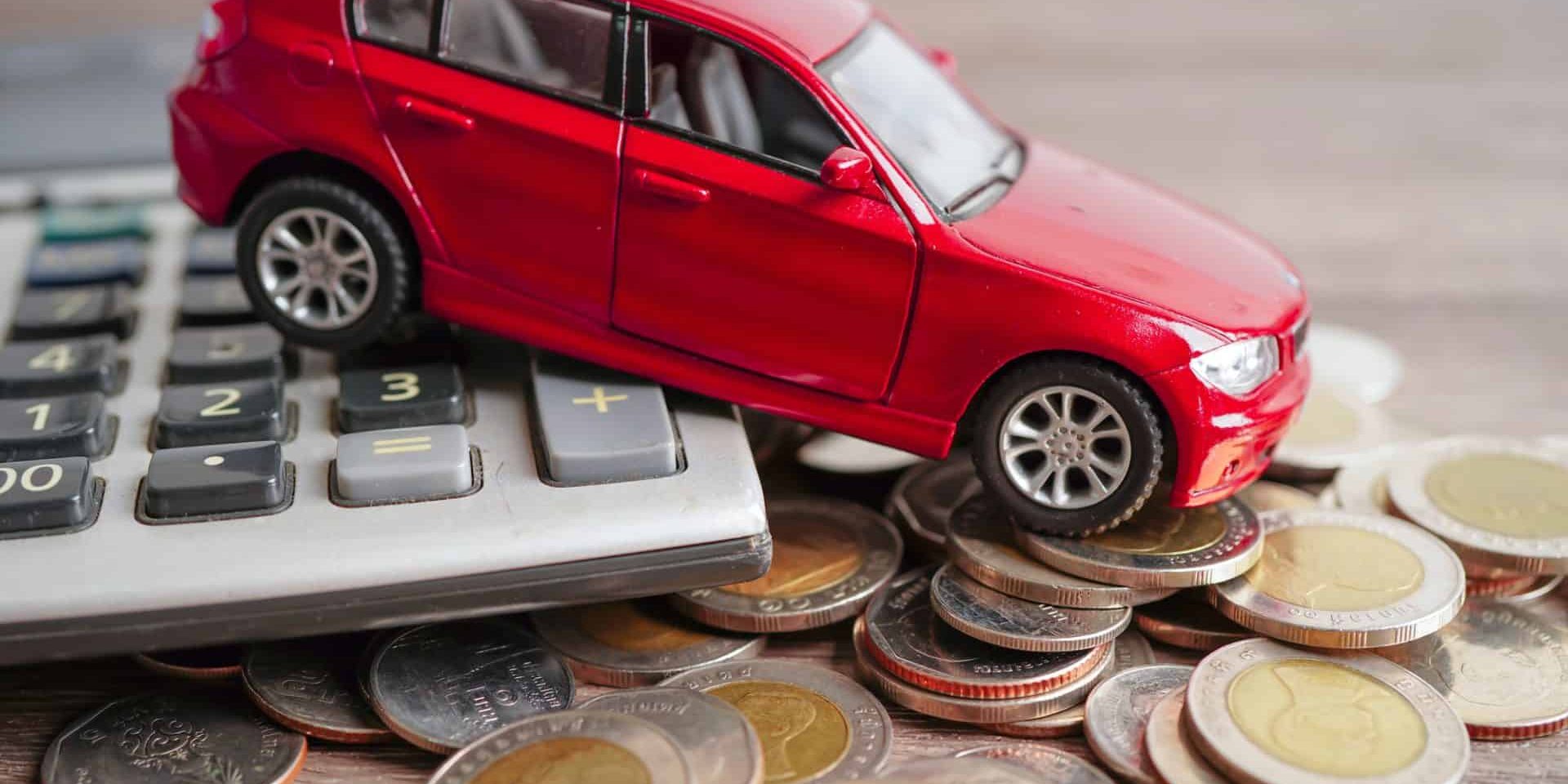
There is good news and a warning sign in the latest car insurance figures. The average comprehensive premium has held steady at 560 pounds, according to the Association of British Insurers, which tracks what customers actually pay across nearly 28 million policies a year. That is just one pound, or 0.2 per cent, above the previous quarter, and 20 pounds lower than a year earlier. The catch sits underneath that stable headline: the cost of repairing damaged cars keeps climbing, with the average accidental damage claim now 3,699 pounds, up 8 per cent in a single quarter. Repair inflation like that does not stay hidden in the claims data forever, and it is the clearest pointer to where premiums head next.
What the Latest Figures Show
The ABI’s Q1 2026 data shows premiums have flattened after a long run of falls. The average of 560 pounds is down 20 pounds on the same period in 2025, or 38 pounds lower once adjusted for inflation, but the quarter on quarter movement has effectively stopped. For context, premiums peaked at 635 pounds in early 2024 before three straight quarters of decline through 2025 brought the figure down to 551 pounds by the third quarter of last year. The slight uptick to 560 marks the point where that downward run ran out of road.
The claims side tells the more important story. Insurers paid out 2.9 billion pounds in the first quarter of 2026, of which 1.9 billion pounds went on vehicle repairs, up 3 per cent on the previous quarter. The standout number is that average accidental damage claim of 3,699 pounds, an 8 per cent jump in three months. When the cost of settling claims rises faster than premiums, the gap eventually has to close, and it usually closes by premiums going up rather than repair bills coming down.
Why Repairs Are Getting So Expensive
The main driver is the complexity of modern cars. Vehicles are now packed with sensors, cameras and driver assistance systems, and the bumper or windscreen that used to be a simple swap can now carry radar units and cameras that have to be recalibrated by a specialist after a repair. A minor knock that once cost a few hundred pounds can run into four figures once the electronics are accounted for. The ABI points out that while these systems help cut the frequency of crashes, they make each repair that does happen more specialised, more time consuming and more costly.
Parts prices and longer repair times, some of it linked to supply chain disruption, add to the bill, and longer repairs push up associated costs such as providing a hire car while the work is done. Theft is a further pressure: high value components and the technology built into cars make them attractive targets, and theft related claims ran to 142 million pounds in a single quarter in 2025. All of this feeds into the pot that premiums ultimately have to cover, which is why a stable headline can sit on top of rising underlying costs.
The Tax Threat Hanging Over Premiums
There is a policy risk that could undo the recent stability at a stroke. Insurance Premium Tax adds 12 per cent to most general insurance policies, including motor cover, and any increase in that rate at a future fiscal event would feed straight through to what drivers pay. The ABI has warned that a rise in Insurance Premium Tax risks reversing months of hard won progress on premiums. Because the tax is a percentage of the premium, drivers with the highest base costs, including younger motorists and those in higher risk areas, would feel any increase most.
The industry is pressing the government to help on the cost side instead, through investment in repair sector training and road safety, and is continuing work through a Motor Insurance Taskforce set up to tackle the underlying drivers of cost. For drivers, the practical message is that the current calm in premiums is fragile, resting on falling crash frequency offsetting rising repair costs, and a tax change or a fresh spike in parts prices could tip the balance back towards increases.
What To Do to Keep Your Premium Down
Shopping around remains the most reliable saving. The market is competitive, and loyalty rarely pays, so compare cover well before renewal and start about three weeks ahead, which research consistently shows is around the cheapest point to buy. Do not simply chase the lowest figure, though; check that the excess, cover level and add ons match what you actually need, because a cheap policy with a high excess can cost more if you claim.
Several levers are within your control. Increasing your voluntary excess can lower the premium, though only commit to an excess you could actually afford after a claim. Improving security with a tracker or parking off road, building a no claims discount, and considering a telematics or black box policy if you are a lower mileage or younger driver can all bring the price down. Paying annually rather than monthly avoids the interest charged on instalments. And if you are buying a car, remember that repair costs and insurance group feed into running costs, so it is worth checking a vehicle’s history before you commit, as we explained in our guide to how to spot a written off car before you buy it. Knowing your rights after a crash also helps, including what a replacement vehicle should cost, which we covered in our look at what a courtesy car really costs after a crash.
How the Numbers Could Move From Here
The stable headline hides big differences between drivers. The 560 pound average is exactly that, an average, and the spread around it is wide. Younger drivers in their late teens and early twenties routinely pay several times the typical figure, and drivers in urban areas with higher theft and accident rates pay more than those in quiet rural postcodes. Because Insurance Premium Tax is charged as a percentage, any future rise in that tax would widen these gaps, hitting the drivers with the largest base premiums hardest of all.
Electric cars add another wrinkle. Their repair costs can run higher than equivalent petrol or diesel models because of battery protection, specialist labour and the calibration of driver assistance systems, which is part of why some electric models sit in higher insurance groups. As more electric cars reach the used market, how insurers price battery risk and repair complexity will shape average premiums in the years ahead. For now the message from the data is that the recent run of falling premiums has stalled, and the pressure in the system is upward rather than downward.
That makes the next few quarters worth watching. If parts prices keep climbing, if theft stays elevated, or if Insurance Premium Tax rises at a future fiscal event, the 560 pound plateau could give way to renewed increases. If repair inflation cools and crash frequency keeps falling thanks to safety technology, premiums could hold or edge down again. Either way, the drivers who fare best will be the ones who treat renewal as an active decision every year rather than letting a policy roll over, because automatic renewal is where loyalty quietly turns into a higher bill.
It is also worth understanding how your premium is built, because small choices change the price more than many drivers realise. The car you choose sits in one of 50 insurance groups, and moving down even a few groups can cut the cost noticeably, so insurance group is worth checking before you buy rather than after. Adding an experienced named driver, parking off the road overnight, keeping annual mileage realistic and protecting a no claims discount once you have built one all push in your favour. Telematics policies, which price cover on how and when you actually drive, can be the difference between affordable and unaffordable for the youngest motorists, and they reward the careful driving that keeps claims down in the first place.
Sources:

Leave a Comment
More in News

Drivers of Britain’s Dirtiest New Cars Now Pay £5,690 in HMRC’s Year-One Tax

What Your ABS Warning Light Actually Means (and Is It Safe to Drive?)
Buyers of Popular Electric Cars Miss a £3,750 Government Grant Rivals Get

Why Truckers Can Now Drive 16-Hour Days as Diesel Hits $6.29 a Gallon

What Limp Mode Actually Means (and What to Do When It Happens)
Trending on Motoring Chronicle
Five tips for stress-free summer road trips
Young Northern Ireland Drivers Face a Night Time Passenger Curfew Under New Licence Law
Gas Prices Top $4 a Gallon for the First Time Since 2022

2027 Subaru Solterra EV Holds Pricing at $38,495 With More Power and Faster Charging
