How Fuel Finder’s Reporting Failures Are Costing Drivers £40 a Year
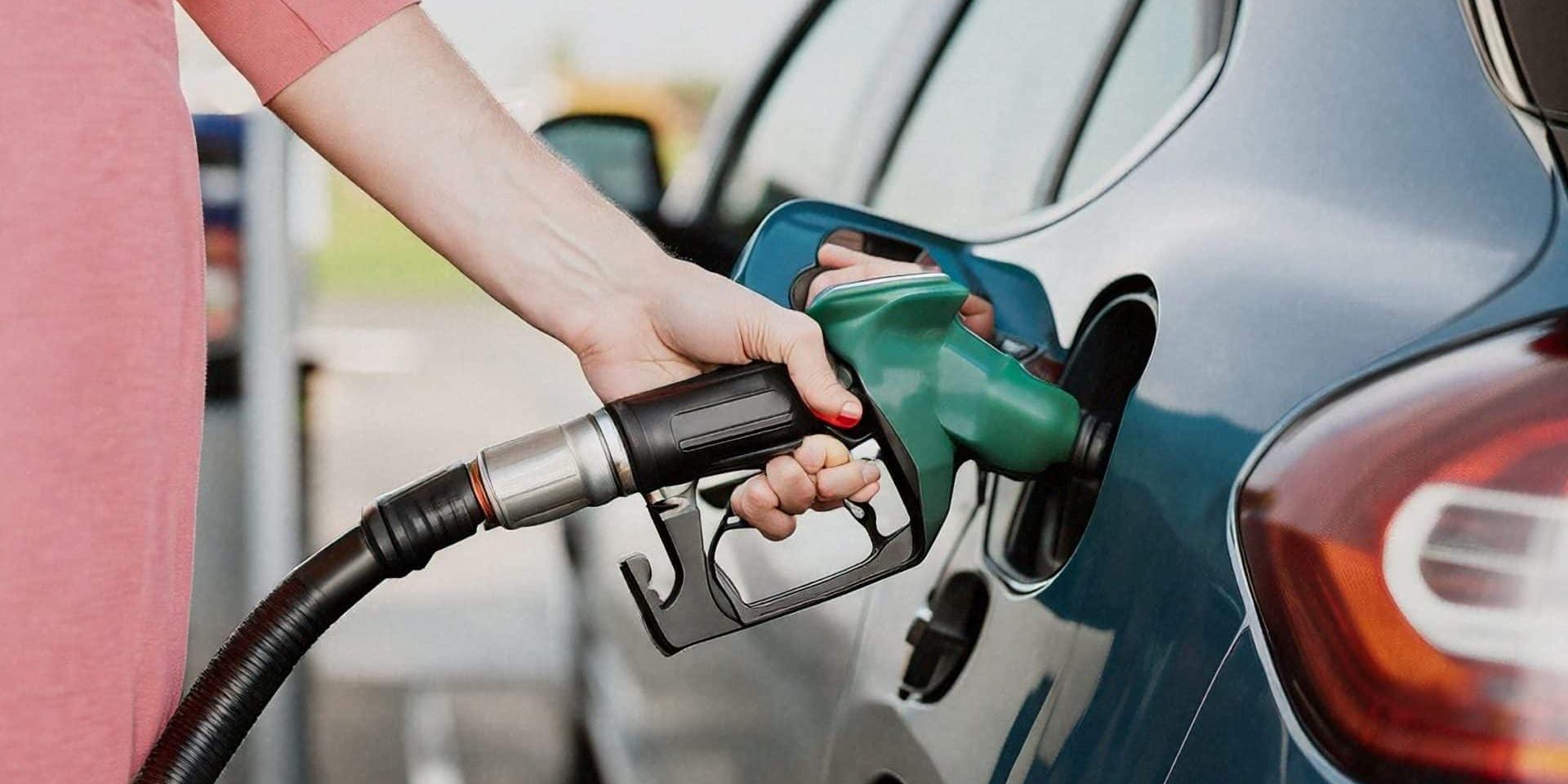
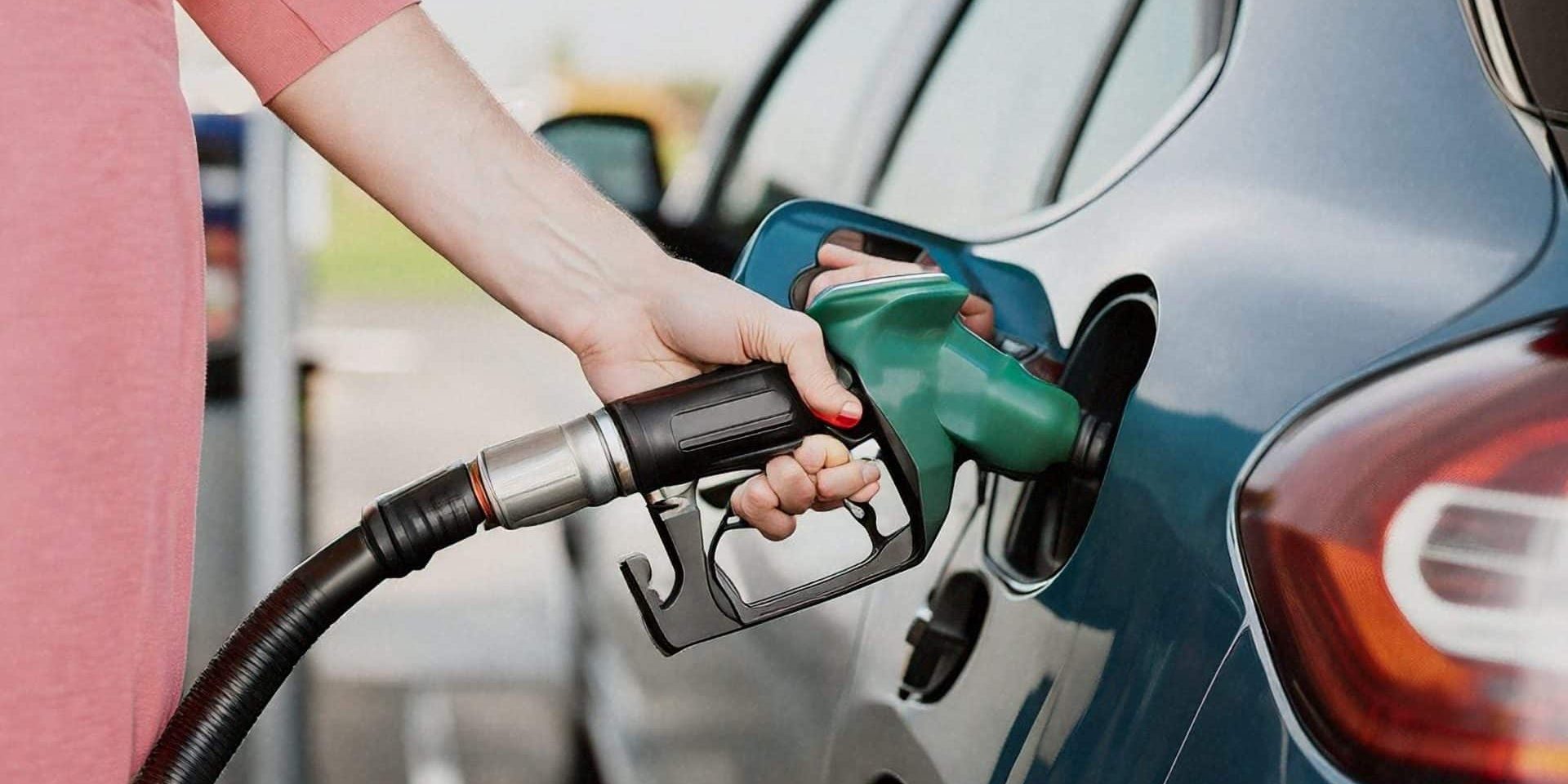
A government tool built to help drivers find the cheapest petrol and diesel is only as good as the data feeding it, and new figures show hundreds of forecourts are simply not bothering to update their prices. The gap could be costing motorists the £40 a year in savings ministers promised when the scheme launched, at a time when unleaded is averaging 151.4p a litre and diesel 167.14p.
What Fuel Finder was supposed to do
Fuel Finder is the open data scheme recommended by the Competition and Markets Authority after its investigation into the road fuel market found drivers were being kept in the dark about which nearby forecourt offered the best price. The government accepted the recommendation and rolled the scheme out at the start of February 2026, requiring every UK retail petrol station to report its prices, and any unavailability of fuel, within 30 minutes of a change.
The data feeds third party apps, sat navs and price comparison tools, letting drivers see near real time prices at forecourts near them before they decide where to fill up. Government modelling at launch suggested the scheme could save drivers between one and six pence per litre by making it easier to shop around, working out to roughly £40 a year for an average driver, and around £9 a tank according to the Competition and Markets Authority’s own figures.
The legal basis for the scheme sits in the Motor Fuel Price (Open Data) Regulations 2025, which followed years of complaints that drivers had no reliable way to compare prices between forecourts without physically driving past several of them. The government’s consultation on the scheme drew responses from major supermarket chains, independent forecourt operators and motoring groups before ministers settled on the 30 minute reporting window now in force.
The compliance gap the data reveals
Fresh research from the Press Association found that 1,751 filling stations had not submitted a single price change in more than a week, while almost 100 had supplied no data at all for at least a month. Of the 7,765 forecourts across the UK registered with Fuel Finder, 2,229 are supermarket sites, and 410 of those had not uploaded a price change in a week. Supermarkets typically receive new fuel deliveries, and new pricing along with them, at least weekly, which makes a week of silence hard to explain.
A further 226 forecourts are registered with the scheme but have either not submitted any data yet or are listed as temporarily closed. Simon Williams from the RAC said it was “not plausible” that so many filling stations had gone a week, let alone a month, without a single price movement, pointing out that fuel costs fluctuate regularly enough that static pricing data almost certainly means stale reporting rather than prices that have truly stayed the same.
The scheme has had teething problems from the start. Early on, some forecourts submitted incorrect figures that showed fuel selling for £15 a litre rather than 150p, errors that have largely been corrected but that showed how much the tool depends on retailers entering data accurately and on time.
Who can be fined, and by how much
Reporting to Fuel Finder is mandatory, not voluntary, and the Competition and Markets Authority holds the enforcement powers. A forecourt found to be breaching the rules can face a fixed penalty of up to one per cent of worldwide turnover, a daily rate of up to five per cent of daily worldwide turnover for as long as the breach continues, or a combination of both.
A spokesperson for the Competition and Markets Authority said the regulator would take action against stations that fail to comply with the law, while acknowledging that some retailers could change prices less often depending on their pricing strategy. The Petrol Retailers Association made a similar point on behalf of smaller operators, noting that rural sites in particular could receive fuel deliveries less frequently, giving them fewer occasions to update prices than a busy supermarket forecourt on a main road.
A spokesperson for the Department for Energy Security and Net Zero pushed back on the idea that the scheme was failing overall, saying the majority of petrol stations are inputting data on time and that this is already helping consumers find the cheapest fuel in their area. The department confirmed the Competition and Markets Authority retains the power to act against any forecourt that is either not signed up or not reporting prices as required.
What this means for drivers right now
Around 90 per cent of petrol stations are now signed up to Fuel Finder, which means the tool is broadly usable for most journeys, but the gaps in reporting mean drivers relying on an app or sat nav for the cheapest local price cannot fully trust every figure they see, especially for smaller or rural forecourts that update less consistently. A price shown as unchanged for a month is as likely to reflect a retailer that has stopped reporting as one whose price has truly stayed the same.
The RAC’s Fuel Watch data suggests prices should ease in the near term, but with unleaded averaging 151.4p a litre and diesel 167.14p, the potential six pence a litre saving the scheme promises is not trivial. On a 55 litre tank, that gap is worth more than £3 in a single fill up, and considerably more over a year of regular driving, which is why campaigners want the reporting gaps closed rather than tolerated.
What drivers can do
Drivers wanting to check live prices can use any of the third party apps and sat nav services that draw on the Fuel Finder feed, cross referencing a handful of nearby forecourts rather than relying on a single reading. A station showing no recent update could simply be behind on its reporting. Motorists who spot a forecourt they suspect is not complying can report concerns through the Competition and Markets Authority, which is the body responsible for investigating and fining non compliant retailers.
For now, the most reliable approach remains comparing a few options rather than trusting the first price an app displays, especially away from major routes where smaller independent forecourts are more likely to be among those falling behind on their reporting duties.
Drivers planning longer journeys, such as a motorway trip or a summer holiday drive, stand to gain the most from checking prices before setting off, as fuel costs can vary by more than 10p a litre between a motorway service station and a supermarket forecourt just a few miles off the main route. The RAC has long recommended filling up away from motorway services where possible, and a functioning Fuel Finder tool makes that comparison far easier than it used to be, provided the underlying data can be trusted.
Fleet managers and van drivers who fill up regularly have the most to gain from a fully compliant scheme, as even small per litre savings compound quickly across a high mileage year. Until reporting gaps close, businesses running multiple vehicles should keep comparing prices manually at their usual filling stations rather than relying solely on the app data for cost planning.
The Petrol Retailers Association has said its members broadly support the aims of Fuel Finder, arguing that transparent pricing helps well run forecourts compete on a level footing with larger chains. Its concern is less about the principle of the scheme and more about smaller operators finding the extra administrative burden harder to manage than a supermarket with dedicated staff handling compliance. That distinction may explain why the worst reporting gaps cluster among rural and independent sites rather than the big four supermarket chains, which have far more resources to keep their systems updated in real time.
The Competition and Markets Authority has said it will publish further compliance data in the coming months, giving drivers and journalists a clearer view of which retailers are keeping pace with the rules and which are falling behind. Until then, the gap between what Fuel Finder promises and what it currently delivers remains a live issue for anyone trying to squeeze the most out of a tank of fuel.
Sources:

Leave a Comment
More in News

POPLA Cancelled Nearly Half of 107,000 Parking Fines UK Drivers Challenged

What a Flashing Oil Pressure Light Means for Your Engine and How to React
Every UK Driver Can Force Council Pothole Repairs Using a Free 1980s Law

Cat A, B, S and N: What a Written-Off Car Actually Means Before You Buy One

Why Brake Fluid Needs Changing Every Two Years (and What It Costs)
Trending on Motoring Chronicle

7 Interior Maintenance Habits That Keep Your Car Looking New

8.6 Million UK Cars Are at Risk of a Sudden Breakdown From a Failing Battery

BMW i3 50 xDrive First Edition Opens for UK Orders From £57,905

How to Wash Salt Off Properly in Winter