
Govan Goes Slow: Glasgow’s First 200 Streets Drop To 20mph On 4 June
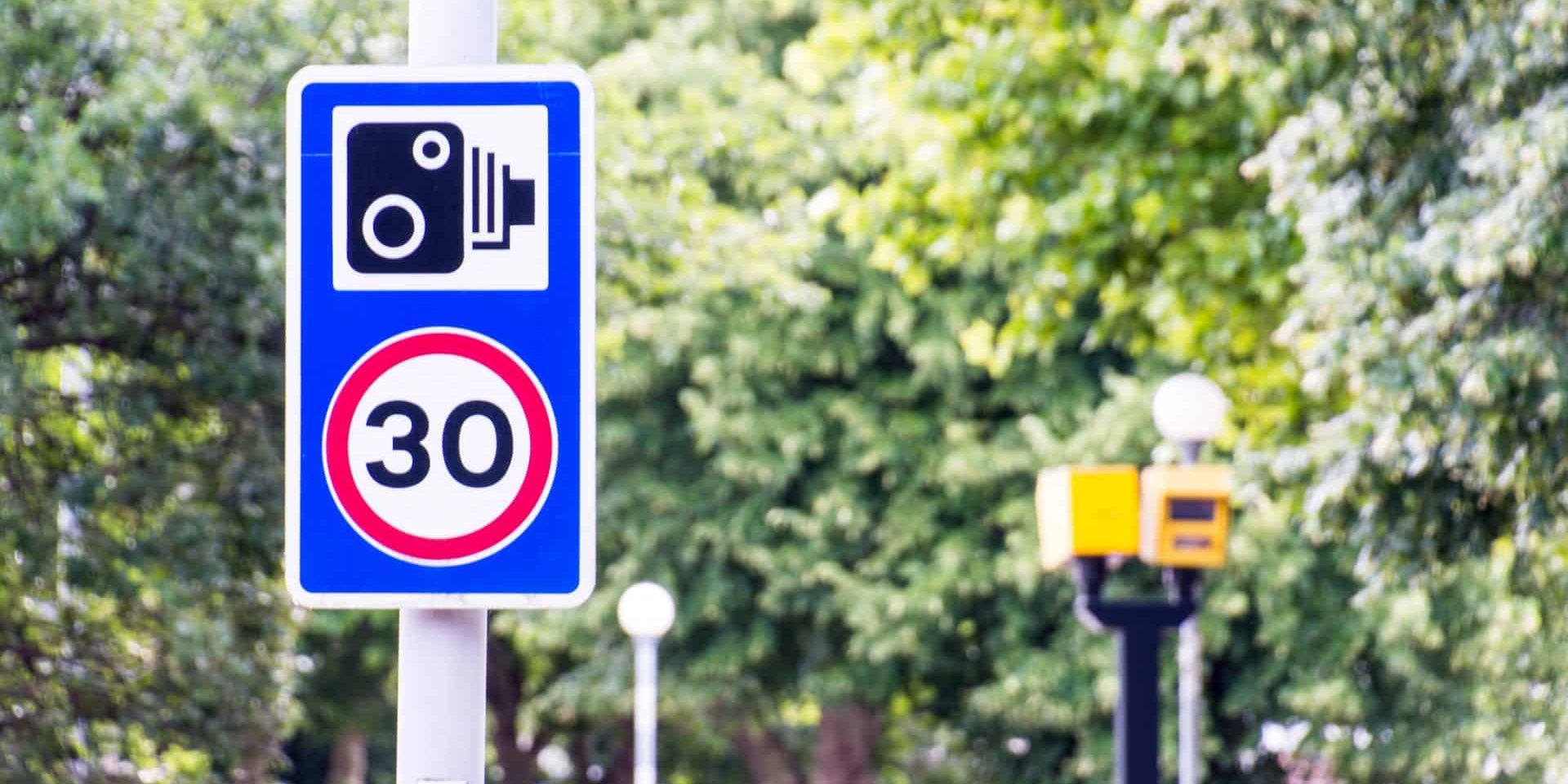
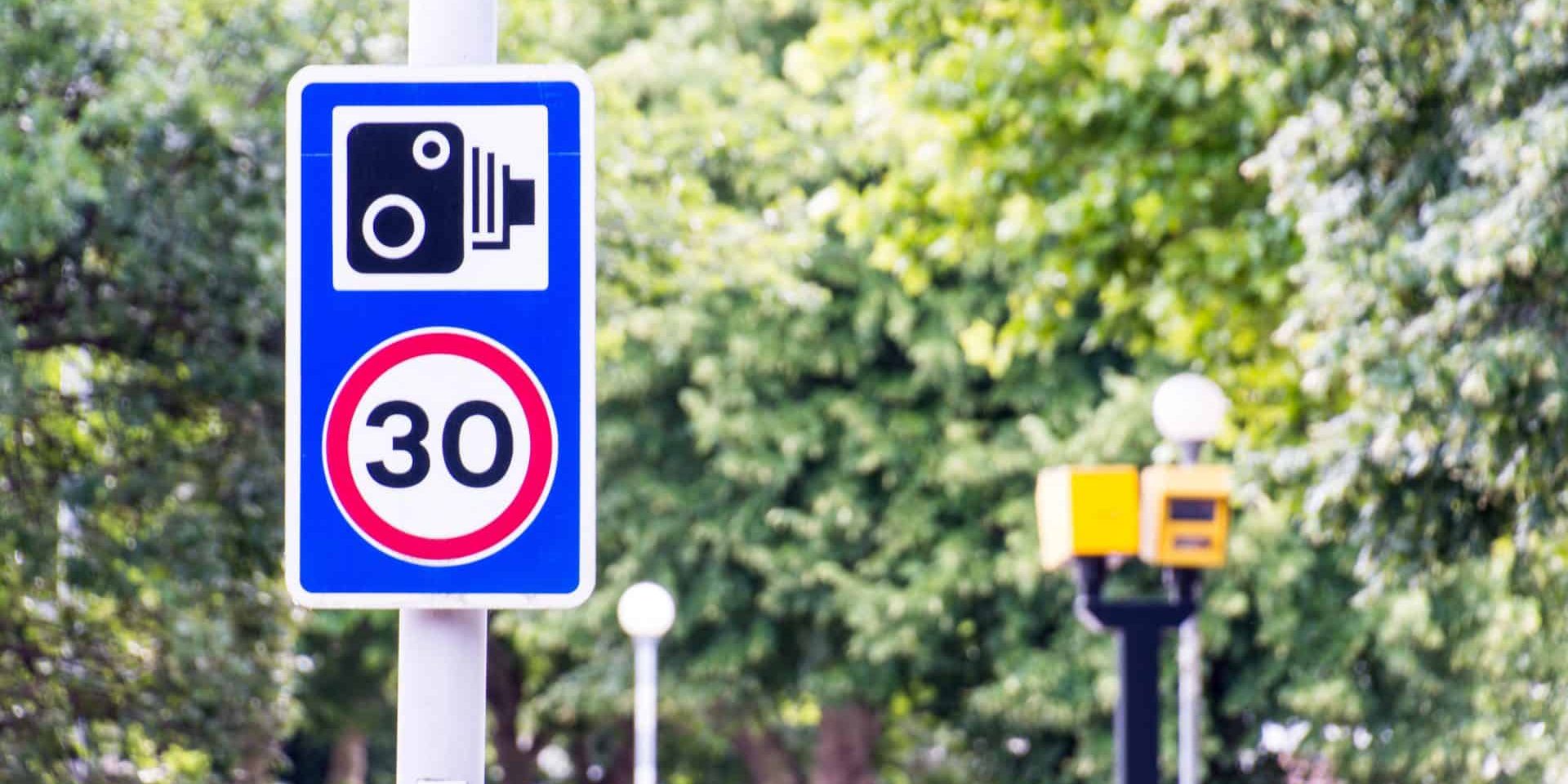
If you drive through Govan or live nearby, the speed limit on almost every residential street is about to change. Glasgow City Council has confirmed that around 200 streets in the south west of the city will switch from 30mph to 20mph on 4 June 2026, with new signs and road markings rolled out over a four week window from that date. Drivers who fail to keep pace with the change risk a £100 fixed penalty and three points on their licence, and the council is already running an information event on Monday 18 May at Elder Park Library to talk locals through the detail.
This is the first phase of a much bigger programme. Around 3,800 streets across Glasgow are scheduled to move to 20mph in coming months, making this one of the largest road safety projects ever delivered in a Scottish city. The same project will eventually sweep across Southside Central, Calton, East Centre and Shettleston before moving out to other wards. For motorists who drive into the city regularly, it is the biggest change to the way Glasgow’s residential streets work in a generation.
What Is Actually Changing And When
The legal order that authorises the new limit comes into force on 4 June 2026, covering 194 individual streets and sections of street within the Govan area. Once that order is live the council will start fitting new repeater signs at junctions and on lamp posts, and painting fresh 20mph roundels onto the carriageway. The council has said this installation work will be completed in roughly four weeks, but the lower limit only becomes enforceable street by street, once the signage is physically in place.
That phasing matters. If you drive into Govan in early June and see no 20mph signs, the previous 30mph limit still applies on that road. If you drive in two weeks later and see clearly displayed 20mph roundels and verge signs, the new limit is in force from that point. Police Scotland and Glasgow City Council have both said they will adopt a “soft launch” approach in the first weeks, focusing on education rather than enforcement. Once signage is fully in place, however, the limit will be enforced exactly as if it had always been there. A £100 fixed penalty and three points is the standard outcome for a speeding offence, with court referrals possible for more serious cases.
Councillor Angus Millar, who is leading the rollout, said: “This is an important step towards creating safer, calmer streets across Glasgow. Introducing safer speed limits is part of a wider effort to reduce the number and severity of road casualties, with lower speeds leading to calmer, safer and more liveable streets.”
Councillor Millar also pointed to the example of Edinburgh, where a similar 20mph scheme was introduced in 2018. He told local media: “We’ve already seen how effective this can be. Since Edinburgh brought in its default 20mph limit in 2018, collisions dropped by 30 per cent, while default 20mph limits on residential streets are shown to have minimal impacts on overall journey times.”
Why Glasgow Is Doing This Now
The legal route for this change is interesting. Glasgow is not asking Holyrood for new legislation. It is using Temporary Traffic Regulation Orders, which can remain in force for up to 18 months. During that window the council will collect data on how the limit is working before committing to permanent orders. That is why the rollout is described as phased and reviewable rather than as a single switch.
The 20mph approach is being adopted in waves across the UK. Wales went first, introducing a default 20mph limit on restricted roads in September 2023. Edinburgh’s earlier 2018 scheme was confined to residential streets and has been credited with reducing both collisions and severity of injuries. Reviews of the Welsh and Edinburgh schemes both reported significant safety benefits and only modest impacts on journey times in built up areas, where average speeds are usually well below the legal limit anyway.
Glasgow’s review of approximately 5,900 streets identified roughly 3,800 streets currently operating at 30mph that will move to 20mph as part of the citywide scheme. Around 700 streets across the city will keep their existing 30mph limit because traffic management, road geometry or vehicle mix makes the lower limit inappropriate. Anything currently set at 40mph or above is unaffected.
The choice to start with Govan is driven by collision data. The council prioritised areas with higher rates of pedestrian and cyclist injury. Phase one will then move through neighbouring wards in the same way. The council has said technical work, including signage planning and traffic management, is still being finalised before exact dates can be set for later phases.
The scheme is being part funded by Transport Scotland grant money, supplementing the council’s own capital budget. At this stage there are no plans for widespread physical traffic calming measures such as speed bumps. The council has said it will add such measures later if monitoring shows extra steps are needed to keep drivers below the new limit.
What This Means For Your Journey
Most journeys through Govan will not take longer in practice, even though the headline limit is dropping by 10mph. That is because residential streets rarely permit constant 30mph driving anyway. Parked cars, side junctions, school crossings and traffic lights typically pull average speeds down to around 17mph to 20mph on UK city streets, according to Department for Transport data. The change is much more about behaviour at the moments when drivers do open up, particularly on quieter stretches between junctions and on through routes used as rat runs.
Drivers will still need to adjust. If your usual route through Govan has a half mile stretch where you currently sit at 30mph, you will need to sit at 20mph instead, and the new average speed cameras and mobile police enforcement units in Scotland are well capable of catching drivers who do not.
There are also vehicle specific implications. Modern cars with adaptive cruise control will normally read the new speed limit signs automatically and adjust. Older cars without sign recognition cameras will need the driver to read the signs and dial the cruise control down manually. Drivers using sat nav apps will see the new limits update in Google Maps and Apple Maps within a few weeks of the change, but TomTom and similar standalone units may need a manual map update.
What To Do If You Drive Through Govan Regularly
Three practical steps will keep you out of trouble. First, attend the Glasgow City Council drop in event at Elder Park Library on Monday 18 May, between 3pm and 7pm, if you want to see the detailed maps and ask questions. The council will have officers on hand to explain which streets are changing and when, and you can pick up paper maps to keep in your glovebox.
Second, recalibrate your driving habits before 4 June. The single biggest risk in a 20mph zone is muscle memory. If you have driven the same route through Govan for years at 30mph, dropping to 20mph requires conscious effort, especially on quiet weekend mornings or late evening drives when the road feels empty. Practising the new speed before the limit changes makes the shift easier.
Third, check your insurance excess and consider how a speeding ticket would affect your premium. A £100 fine plus three points may sound modest, but the points stay on your licence for four years from the offence date and many insurers will load premiums by 5 to 15 per cent at renewal. If you already have points, picking up another three could push you closer to the totting up threshold of 12 points, which triggers an automatic six month disqualification.
What Happens Next In The Rollout
Govan is phase one. The full rollout will be delivered across six phases, prioritised by collision history. After Govan the next areas to transition will be Southside Central, Calton, East Centre and Shettleston. Detailed technical work is still being carried out before dates are confirmed for the remaining phases, including the volume of signage required and the traffic management plan for each ward.
The council is also keeping the door open to widening the scheme if needed. The initial Temporary Traffic Regulation Orders can be extended, and physical traffic calming measures can be added if drivers fail to comply with the lower limit through signage alone. The council said it will publish ongoing data on speeds, collisions and injuries during the trial, with that data feeding into the decision on whether to make the limits permanent.
The broader picture is a shift in how UK city streets are managed. With Wales already operating a default 20mph limit and Edinburgh, Greater Manchester and parts of London moving the same way, Glasgow’s rollout fits a national trend. Drivers can expect more cities to follow over the next two to three years, with the lower limit gradually becoming the default in residential areas across the UK.
If you live, work or drive in Govan, 4 June is the day the rules change. Slow down, look out for signs, and use the few weeks between now and then to recalibrate the way you drive on local streets. Glasgow City Council has been clear that this is the start of a much bigger programme, and the streets that follow will see the same approach.
Sources:
- Glasgow to begin phased rollout of 20mph speed limits, Glasgow City Council
- Glasgow: New 20mph speed limit changes to impact hundreds of roads next month as drivers risk £100 fine, GB News
- What areas in Glasgow are set to roll out new 20mph speed limits, STV News
- 194 Glasgow streets get new speed limit from June 4, Yahoo News
- Citywide 20mph Speed Limits, Glasgow City Council

Leave a Comment
More in News

How to Tell If Rust Will Fail Your MOT (and What a Repair Costs)

Why Your Car Clicks But Won’t Start (and What to Do)
Diesel Drivers Pay £31 More Per Tank Than a Year Ago, DESNZ Data Shows

Dodge Extends Durango Taillamp Warranty to Five Years, Unlimited Miles

Edinburgh Council Issued 40,945 LEZ Fines and Cancelled 2,773 After Driver Challenges
Trending on Motoring Chronicle

Three Volkswagen models named Car and Driver Editors’ Choice picks for 2026

NHTSA Investigates 114,922 Rivian SUVs and Trucks Over a Suspension Failure
Why UK Roads Are Busier Than at Any Point Since 2019 and What It Could Cost You

Audi Q7 Priced From £81,665 With Three Distinct Trims and Seven Seats
