London Tunnel Drivers Face Toll Hikes From September as TfL Raises Blackwall and Silvertown Prices
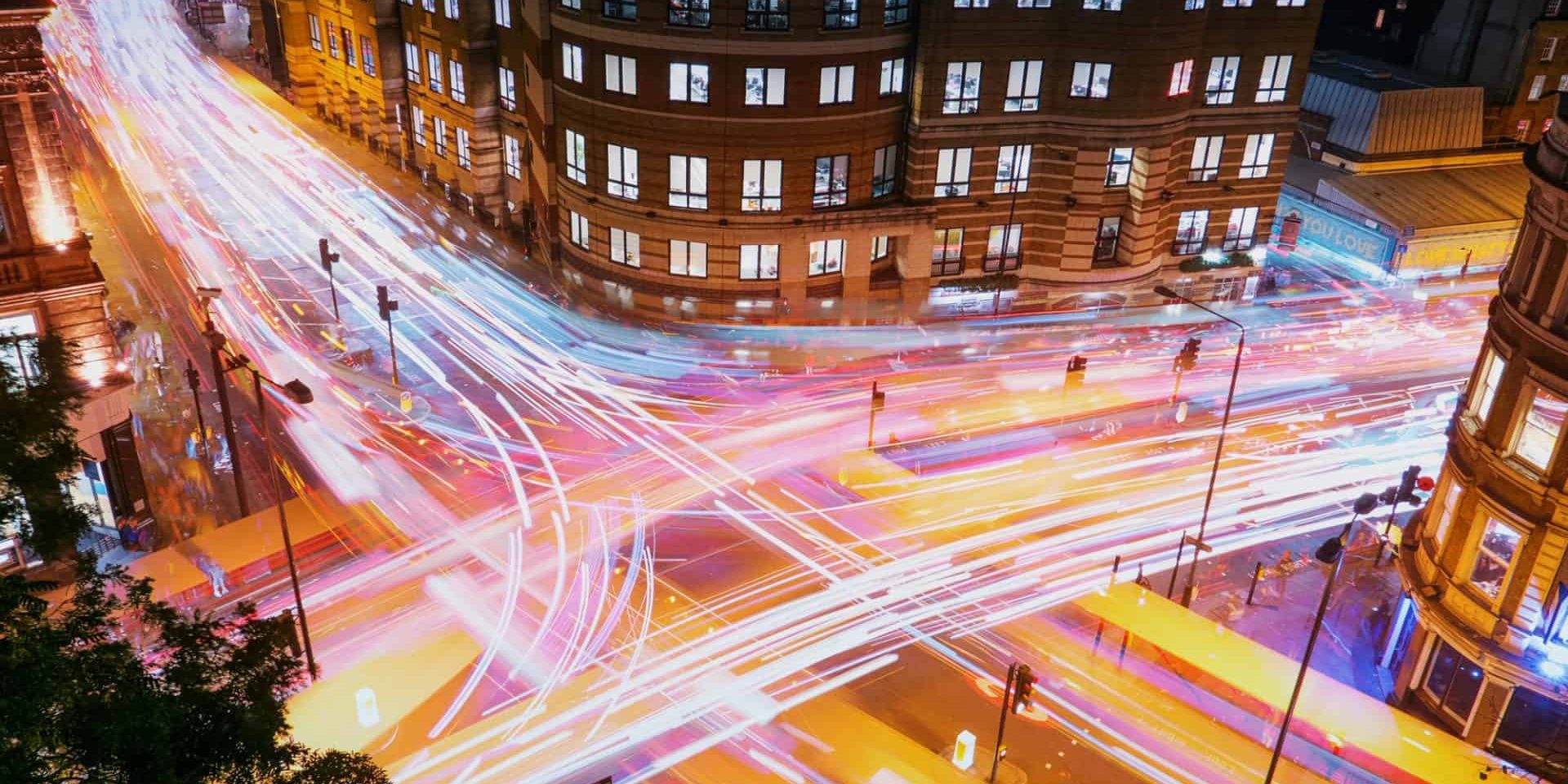
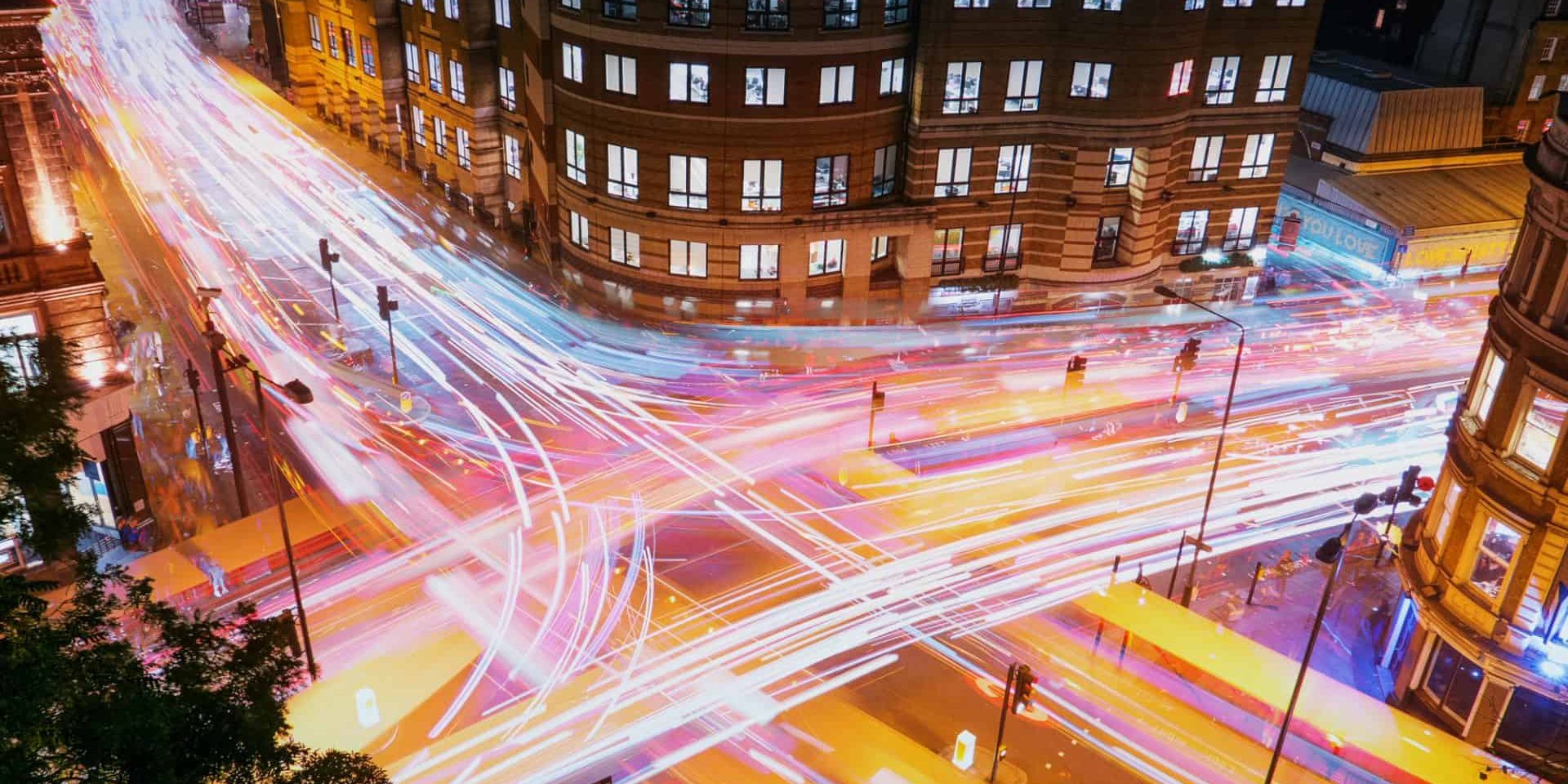
Drivers crossing the Thames through the Blackwall and Silvertown tunnels are facing higher charges from 21 September 2026, as Transport for London implements a five per cent price rise across both crossing points. The change means peak-time users will pay £4.20 per crossing, up from £4, while off-peak crossings will rise from £1.50 to £1.55 for cars.
For commuters who use the tunnels twice daily on working days, the increase adds up to more than £2 per week in additional costs, or roughly £100 per year based on a standard working year. Coming just months after TfL raised the Congestion Charge by 20 per cent in January 2026, the increase adds to a series of cost rises for London drivers in the past year.
What Are the New Charges?
From Monday 21 September, the peak-time charge to drive through either the Blackwall or Silvertown tunnel will rise from £4 to £4.20 for car drivers. Peak hours are defined as northbound between 06:00 and 10:00 and southbound between 16:00 and 19:00, Monday to Friday.
Outside those hours and at weekends, the charge will rise from £1.50 to £1.55 per crossing. Motorcycles, which currently pay a lower rate, will also see their charges increase in line with the car rate structure. Zero-emission vehicles registered before the scheme’s payment systems are not currently eligible for any discount at the Silvertown crossing, unlike the partial exemption some EVs retain for the Congestion Charge.
Drivers who use a registered account with the Silvertown Tunnel operator will pay the same rates as those using contactless payment. Penalty notices for non-payment currently stand at £160, reduced to £80 if paid within 14 days.
Why Is TfL Raising the Prices?
Transport for London has described the increase as necessary to “manage traffic demand” at the tunnels and to ensure the crossing continues to achieve its stated goals of improving road network performance and reducing local air pollution. Christina Calderato, TfL’s director of strategy, said the charges are “designed to manage traffic demand, which then enables wider objectives like improving the road network’s performance and resilience, encouraging use of public transport and active travel, and supporting economic growth.”
TfL has pointed to early data from the Silvertown Tunnel, which opened in 2025, as evidence that the charging regime is working. The operator says journey times through the Blackwall Tunnel have improved by up to 58 per cent since the Silvertown Tunnel opened and took some of the traffic load, while local nitrogen dioxide concentrations have fallen by 17 per cent. These figures relate to the period before the September price rise takes effect and are based on the existing charging levels.
However, critics have questioned whether the primary motivation is traffic management or revenue generation. TfL is currently carrying approximately £14 billion in debt, a figure that represents around nine per cent of total local authority debt across the UK. The TaxPayers’ Alliance has highlighted this burden as a concern, with grassroots development manager Benjamin Elks noting that “taxpayers and farepayers are being left exposed to a mountain of borrowing while basic transport performance remains a constant source of frustration.”
London Drivers Hit by Multiple Cost Rises This Year
The tunnel toll increase is the latest in a run of cost rises for drivers in and around London in 2026. January saw the Congestion Charge increase from £15 to £18 per day, a jump of 20 per cent that brought the daily charge to its highest level since the scheme was introduced in 2003. At the same time, TfL ended the long-standing Cleaner Vehicle Discount that had allowed fully electric cars to drive in the Congestion Charge zone for free.
Under the current arrangements, electric car owners are entitled to a 25 per cent discount on the daily Congestion Charge, but only if they have pre-registered their vehicle with the Auto Pay system. Those who have not done so pay the full £18 daily rate, catching out some EV drivers who were unaware that the exemption had changed.
When the forthcoming tunnel increase is combined with the Congestion Charge rise, a daily commuter who drives into central London and uses the Blackwall Tunnel for the Thames crossing now faces annual motoring charges that have risen by well over £500 in the space of a single year, before fuel costs are factored in.
Is the Silvertown Tunnel Worth It?
The Silvertown Tunnel opened in 2025 as a second Thames crossing in the east of London, running beneath the river between Silvertown in Newham on the north bank and the Greenwich Peninsula on the south bank. It was intended to relieve the chronic congestion that had plagued the Blackwall Tunnel for decades, with the existing tunnel’s single-tube design and the frequency of breakdowns causing severe bottlenecks for freight and commuter traffic alike.
For drivers travelling between east London and the Docklands area and south-east London, the tunnel has opened up a new route that was not previously available. Users who do not need to travel to or from the immediate area of the Blackwall Tunnel can now choose either crossing depending on which suits their journey. TfL’s congestion data suggests the overall journey time improvements have been real, though the headline figures cited by the operator do include some caveats about specific traffic measurement periods.
Freight operators, who are among the heaviest users of both tunnels, have broadly welcomed the additional capacity. Many haulage firms had previously reported losing hours of productivity each week due to Blackwall queues, and the option to divert to Silvertown has provided welcome flexibility. The higher off-peak toll of £1.55, which applies to large goods vehicles at higher rates, is seen as a manageable cost against the productivity gains.
Alternatives to the Tunnels
Drivers who want to avoid the increased charges have limited alternatives in east London. The Dartford Crossing, some distance east via the M25, carries its own charge of £2.50 for cars using the Dart Charge payment system, and the journey is considerably longer for those travelling between east and south-east London. The Woolwich Ferry, operated by London Borough of Greenwich, is free but runs only during daytime hours and does not accept vehicles over a certain size or height.
TfL’s own Overground and Elizabeth line services provide public transport alternatives for commuters, and the Silvertown Tunnel was partly designed to reduce car dependency by demonstrating that efficient, tolled crossings can change travel behaviour. Whether the September price rise contributes to a further shift away from driving in this part of London remains to be seen.
For regular users who cannot avoid the tunnels, registering for the automatic payment system and ensuring all vehicle details are kept up to date will remain important to avoid penalty charges. Payment can be made online, via the official app or by phone, and drivers have until midnight on the day of travel to pay if they do not use the automated system.
Will the Charges Rise Again?
TfL has not committed to a fixed schedule for future toll increases, instead describing them as being reviewed periodically to ensure they continue to reflect the cost of operating and maintaining the tunnels and to deliver the traffic management objectives of the scheme. Given the organisation’s ongoing financial pressures and the precedent set by consecutive years of above-inflation increases to the Congestion Charge, drivers using the tunnels regularly would be prudent to anticipate further increases in coming years rather than assuming September’s rise will be the last.
Campaigners have argued that TfL should publish a long-term pricing framework for the tunnels, similar to the regulated fare increase processes used by the rail industry, so that commuters and businesses can plan ahead with greater certainty. At present, increases can be announced with relatively short notice periods, leaving regular users little time to adjust their routines or budgets.
Sources: Auto Express | Transport for London

Leave a Comment
More in News

DfT Could Add 5 to 10 Points for Drivers Failing to Stop for Police

What DfT Plans for Uninsured Drivers Now Facing a £300 Fine and 6 Points

Are There Warning Signs Before a Cam Belt Breaks? Usually One, and It Is Not the Belt

Fife and Dundee Cars Fail 38.6% of First Attempt MOTs, Nearly Double Sutton’s 20.3%

How to Tell If Rust Will Fail Your MOT (and What a Repair Costs)
Trending on Motoring Chronicle
Triple anniversary: Bentley celebrates three seminal sedans [Photo Gallery]

Why Clean Wiper Blades Still Smear on Some Cars

How America’s Truck Parking Shortage Adds $100 Billion in Hidden Costs for Drivers

Defender upgraded: the unstoppable 4×4 is now even more distinctive