
How to Check If Your 1985 Car Just Became Exempt From Road Tax and MOT
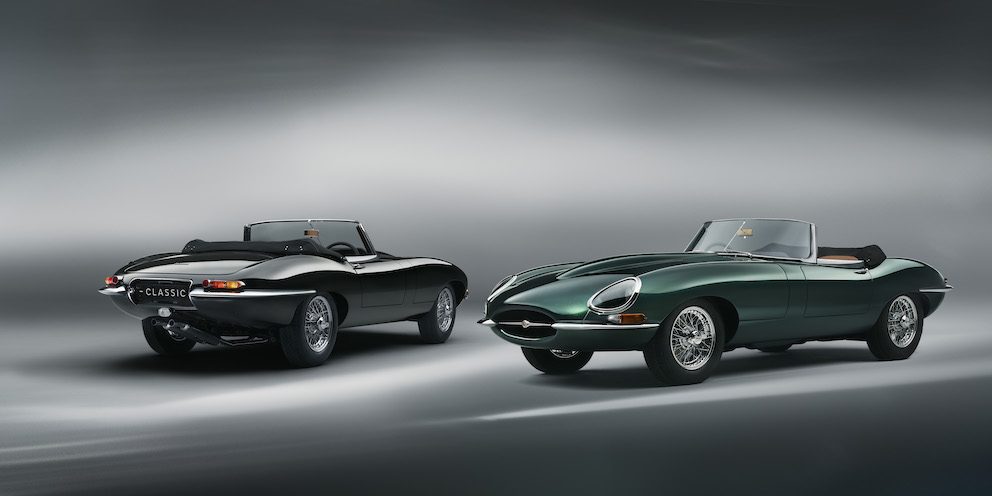

- Any car built before 1 January 1986 qualifies for the DVLA’s rolling 40 year historic exemption, which removes the requirement to pay Vehicle Excise Duty or hold an annual MOT.
- The exemption is not automatic. Owners must apply to the DVLA and declare the change at the point of taxing the vehicle, or they keep paying tax and booking MOTs they no longer need.
- Thousands of owners of cars that quietly crossed the 40 year line are still paying an annual road tax bill and an MOT fee for a car the law no longer requires either from.
The Free Money Sitting in Thousands of Driveways
If you own a car first registered before 1 January 1986, you may already be entitled to stop paying road tax and stop booking an annual MOT, and not realise it. The DVLA’s rolling 40 year exemption, introduced in the 2014 Budget and updated every April since, moves the qualifying date forward by a year at a time. A car built before 1 January 1986 became eligible from 1 April 2026, meaning tens of thousands of ordinary family cars from the mid-1980s, not just recognised classics, now qualify.
The exemption covers two separate costs. It removes the annual Vehicle Excise Duty bill entirely, and it removes the legal requirement to hold a valid MOT certificate, provided the car has not been substantially rebuilt with a different chassis, engine, axle configuration or body type within the last 30 years. For an owner who has been taxing a 1985 car in the standard band and paying for an MOT every year without realising the exemption applied, the saving is immediate and ongoing.
Why So Many Owners Miss It
Nothing happens automatically when a car crosses the 40 year threshold. The DVLA does not write to owners, the tax reminder letter (form V11) keeps arriving as normal, and unless an owner actively applies for historic vehicle status, the system continues to treat the car as any other taxed vehicle. Many owners assume, wrongly, that the exemption only applies to cars that have been formally registered as historic vehicles for display or show use, or that it only covers cars already worth serious money. In practice it applies to any car of the right age still on the road, including everyday models that were never marketed as collectible, provided they meet the rebuild criteria.
There is also confusion around insurance. Classic car insurers have separately reported rising demand as more mid-1980s cars reach the qualifying age, but a car does not need specialist classic cover to claim the DVLA’s tax and MOT exemption. The two are entirely separate systems, one run by insurers assessing risk and mileage, the other a straightforward legal exemption administered by the DVLA once an owner applies for it.
How to Apply for the Tax Exemption
To claim the road tax exemption, take your car’s logbook (V5C) to a Post Office that handles vehicle tax, along with evidence of the car’s age if the V5C does not already show a first registration date before 1 January 1986. The Post Office forwards the paperwork to the DVLA, which issues an updated logbook showing the vehicle’s tax class as “historic.” From that point, the car can be taxed each year at zero cost rather than the standard rate, but it still has to be taxed, even at zero pounds, to be legally driven or kept on the road. Skipping this step and simply not renewing the tax at all risks a Statutory Off Road Notification penalty or a continuous insurance enforcement fine, so the zero-cost declaration still needs to be made annually or when the reminder arrives.
How to Apply for the MOT Exemption
The MOT exemption is claimed separately, and it is simpler. If your existing MOT certificate has expired or is due to expire, you declare the vehicle as MOT exempt at the same time as taxing it, either online through the government’s vehicle tax service or in person using a V112 or V112G form at the Post Office. This is a self-declaration confirming the car is at least 40 years old and has not been substantially modified in the way the rules define. There is no inspection required to claim the exemption itself, though many owners of older cars choose to keep having a voluntary MOT anyway, purely as an independent safety check, even though it is no longer a legal requirement.
What Counts as a Substantial Change That Blocks the Exemption
The 30 year rebuild rule catches out more owners than expected. A car loses its historic exemption eligibility if, within the last 30 years, its chassis or monocoque bodyshell has been replaced, the engine has been swapped for one of a different type or origin to the original, the axles or running gear have been comprehensively changed, or the body style has been altered from the car’s original type, such as converting a saloon to a convertible. A straightforward engine rebuild using the same type of unit, a repaint, or replacing worn suspension components with like-for-like parts does not affect eligibility. If you are unsure whether work carried out on your car falls into the disqualifying category, the DVLA’s V112 guidance sets out the exact criteria, and it is worth checking before applying rather than risking a rejected declaration.
–
Sources:
- https://www.fbhvc.co.uk/mot-exemption-information
- https://www.heritagecarinsurance.co.uk/news/the-class-of-1985-the-cars-that-only-just-became-tax-free/
- https://www.gov.uk/historic-vehicles

Leave a Comment
More in News

Enforcers Did Not Contest 4,831 Fines Drivers Won at the Traffic Penalty Tribunal

Does a Failed MOT Devalue a Car? The Part of the Record Buyers Should Actually Read

What an AdBlue Warning Light Really Means Before Your Diesel Refuses to Restart

How Bus Lane Cameras Earned Councils £37.7 Million by Fining UK Drivers This Year
Every New Car Buyer Could Get Bigger Discounts as Britain Misses Its EV Target
Trending on Motoring Chronicle

A decade of vision: the 10 most iconic Genesis concept cars

Home EV Charging Costs Rise Up to £52 a Year After July’s Energy Price Cap Increase

Mitsubishi Eclipse Sportback Revealed as Electric SUV Coming to the US in Late 2026

Gas Prices Rise Again as Iran Ceasefire Uncertainty Pushes Crude Higher
