AI Cameras Are Now Watching UK Drivers for Phones and Seatbelts
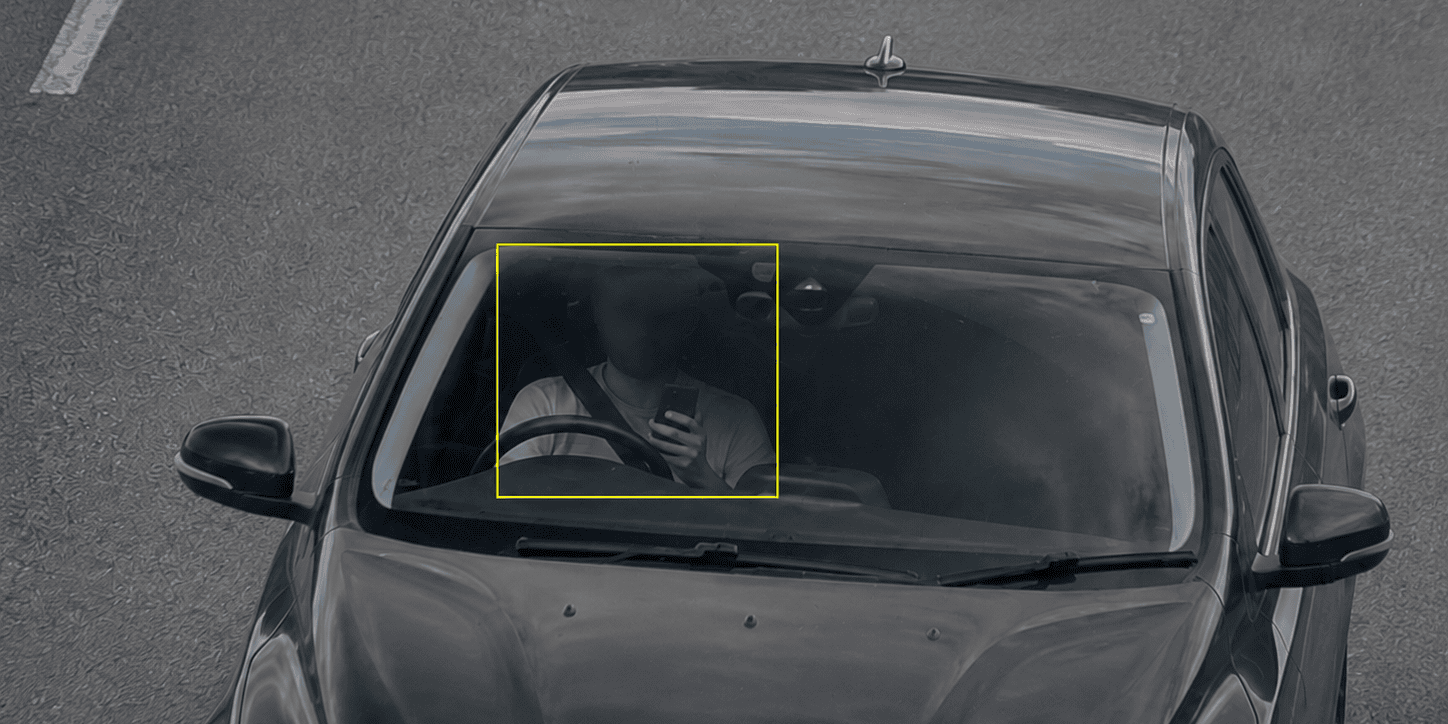
A trailer parked on the verge of the A23 in Sussex caught 450 offences in five days. Not speeding. Not running a red light. Drivers on their phones or without a seatbelt on, photographed from an angle no speed camera ever used, by a system that gives no flash and no warning that it has just taken your photograph.
That trial result is why Sussex Police switched the technology on for real on 13 April 2026, and it is one small part of a rollout that now stretches from Durham to Edinburgh. Ten English police forces are running the cameras with National Highways. Scotland switched on its own version at the end of July. Almost none of it has been reported outside the local press covering each individual launch.
How the Cameras Actually Work
The system, built by Australian firm Acusensus and analysed in the UK by engineering group AECOM, mounts on a roadside trailer rather than a fixed gantry, so a camera that was on your usual route last week can be gone this week and back next month with no notice. It takes two images of every passing vehicle: a shallow-angle shot into the cabin to check for a phone or an unbelted driver, and a wider shot to capture anything else worth reviewing. Artificial intelligence flags a possible offence, and a trained human analyst checks the image before it goes anywhere near a police force or a fine.
There is no flash. There is no sign warning you the camera is AI-enabled rather than a standard speed check. Unless you already know what these trailers look like, you will not know you passed one until a letter arrives.
Why Sussex Turned Its Cameras On
Sussex Police say 82 people have been involved in collisions on the county’s roads where a driver was using a mobile phone in the past three years, and a further 214 have been injured in crashes linked to a driver or passenger not wearing a seatbelt. Chief Constable Jo Shiner, who also leads roads policing nationally for the National Police Chiefs’ Council, has called distracted driving and seatbelt non-compliance two of the five most common causes of fatal and serious injury collisions on Sussex roads.
A driver caught holding a phone faces a £200 fine and six penalty points, a penalty that doubled several years ago but that traditional roadside enforcement has struggled to catch at any scale. Sussex’s Police and Crime Commissioner, Katy Bourne, has argued the trailers let officers cover far more of the county than patrol cars ever could. The cameras run unattended while officers respond to other calls, freeing up time that would otherwise go into roadside stops.
One detail worth knowing before you write a cheque for a speed awareness course: Sussex Police confirms the cameras are funded through its road safety recovery costs, which include proceeds from those same courses. The system that catches you also helps pay for the system that caught you.
Scotland’s Version Is Not Quite the Same Thing
Two cameras went live on Calder Road and Silverknowes Parkway in Edinburgh on 30 July 2026, running 24 hours a day for four weeks as part of what Acusensus calls the UK’s largest ever survey of mobile phone and seatbelt use. Edinburgh council’s transport convener, Stephen Jenkinson, was careful to draw a line most drivers will miss: “this is not a new enforcement programme.” Images are anonymised for the purposes of the survey, and Transport Scotland says the findings will shape future road safety education and enforcement rather than trigger fines directly, though anything serious identified could still be passed to Police Scotland.
The scale the survey is trying to measure is large. Using a 2023 UK-wide estimate that around 0.6% of drivers use a handheld phone at any given moment and 3.6% drive without a seatbelt, and applying that to Edinburgh’s roughly 4.7 million daily vehicle journeys across Scotland, more than 169,000 journeys a day could involve an unbelted driver and more than 28,000 could involve handheld phone use. Almost one in four in-car deaths in the latest annual road casualty figures involved someone not wearing a seatbelt.
A System That Is Quietly Spreading
Sussex is the tenth force to deploy the technology alongside Durham, Greater Manchester, Humberside, Staffordshire, West Mercia, Northamptonshire, Wiltshire, Norfolk and Thames Valley, all working with National Highways on what began as a pilot in 2024 and has expanded every year that has followed. Each new deployment tends to make local headlines for a day or two and then disappear from national coverage, even as the network of forces using it keeps growing.
National Highways cites research showing a driver using a phone is roughly four times more likely to be in a crash, and a driver without a seatbelt is twice as likely to die if one happens. That case for the technology is not seriously disputed. What gets less attention is what happens to a driver after the camera flags them, and how little most people know about that process before they are the one receiving a letter.
The Privacy Question Nobody Has Settled
These cameras photograph the inside of a private vehicle, including passengers who have committed no offence at all. A public poll on the technology found roughly half of UK drivers think AI cameras will make roads safer, while around one in five call them an invasion of privacy. Both groups are responding to the same underlying fact: the interior of your car, previously visible only to a passing officer at close range, is now recorded automatically by a commercial contractor’s equipment on behalf of the police, on a schedule and at locations the public is not told in advance.
Operators say images are deleted automatically where no offence is confirmed, though what happens to confirmed-offence images once a case closes, and how long they sit with a private contractor before that happens, is not something most drivers think to ask until they are already the subject of one.
What Happens After You Are Flagged, and How to Respond
A flagged image does not become a fine automatically. Every image the AI marks as a possible offence goes to a human analyst first, and only images confirmed by that review are passed to the relevant police force for a decision on enforcement. If no offence is confirmed, the image should be deleted rather than retained.
If you receive a notice of intended prosecution linked to one of these cameras, you are entitled to the same rights as with any other camera enforcement: you can request to see the evidence used against you, and you have 28 days to respond identifying the driver at the time. If you believe the system misread the image, such as mistaking a hand resting near your face for a phone, or a seatbelt worn under a jacket for no belt at all, raise it directly with the issuing force in writing before the deadline rather than after a fine is set.
Prevention counts for more than any appeal. Mount your phone before you set off rather than after, and use a dashboard or windscreen holder so it never needs to be touched by hand while the car is moving, even at a red light or in traffic. Camera locations are not advertised in advance, and moving traffic is exactly where they are placed. Check your seatbelt is fastened properly across your chest and lap, not just clipped in loosely. An AI system reviewing a still image cannot tell the difference between a belt worn wrong and no belt at all, and either can trigger a flag for human review.
If you live near one of the ten English forces running the technology, or you are driving through Edinburgh before the end of August while the Scottish survey trailers remain on Calder Road and Silverknowes Parkway, assume every stretch of dual carriageway or arterial road could have one of these cameras present on any given day, whether or not you can see it.
Sources:
- https://brightonjournal.co.uk/news-ai-cameras-sussex-roads-mobile-phones-2026/
- https://www.edinburghnews.scotsman.com/news/ai-cameras-deployed-on-two-edinburgh-roads-to-detect-drivers-using-mobile-phones-and-not-wearing-seatbelts-8831260
- https://cybernews.com/privacy/uk-ai-cameras-seatbelt-mobile-phone-use-privacy-concerns/
- https://nationalhighways.co.uk/about-us/privacy-notice/mobile-phone-and-seatbelt-detection-trial-ends-march-2025-privacy-notice/

Leave a Comment
More in News

2027 Kia Sorento Hybrid Gets New X-Line Trim, Starts at $39,090

BMW F 450 RR Supersport Motorcycle Arrives in US from $7,815

One in 12 UK Sellers Would Hide a Costly Fault (and How to Spot One)

2027 Mazda CX-30 Expands to 21 Models With New Homura Plus Grade

What a Tyre Sealant Kit Actually Does (and How Far You Can Drive)
Trending on Motoring Chronicle

The Faults That Fail the Most MOTs in Britain, and the Checks That Prevent Them

The Ferrari SC40 wins the 2026 Red Dot: Best of the Best Award

Full Coverage Car Insurance Now Averages $186 a Month as Maryland Tops the Nation
What DVSA Data Reveals About the Postcodes With the Worst Driving Test Pass Rates