BYD Atto 1 Costs $751 a Month in Queensland, $888 in Western Australia

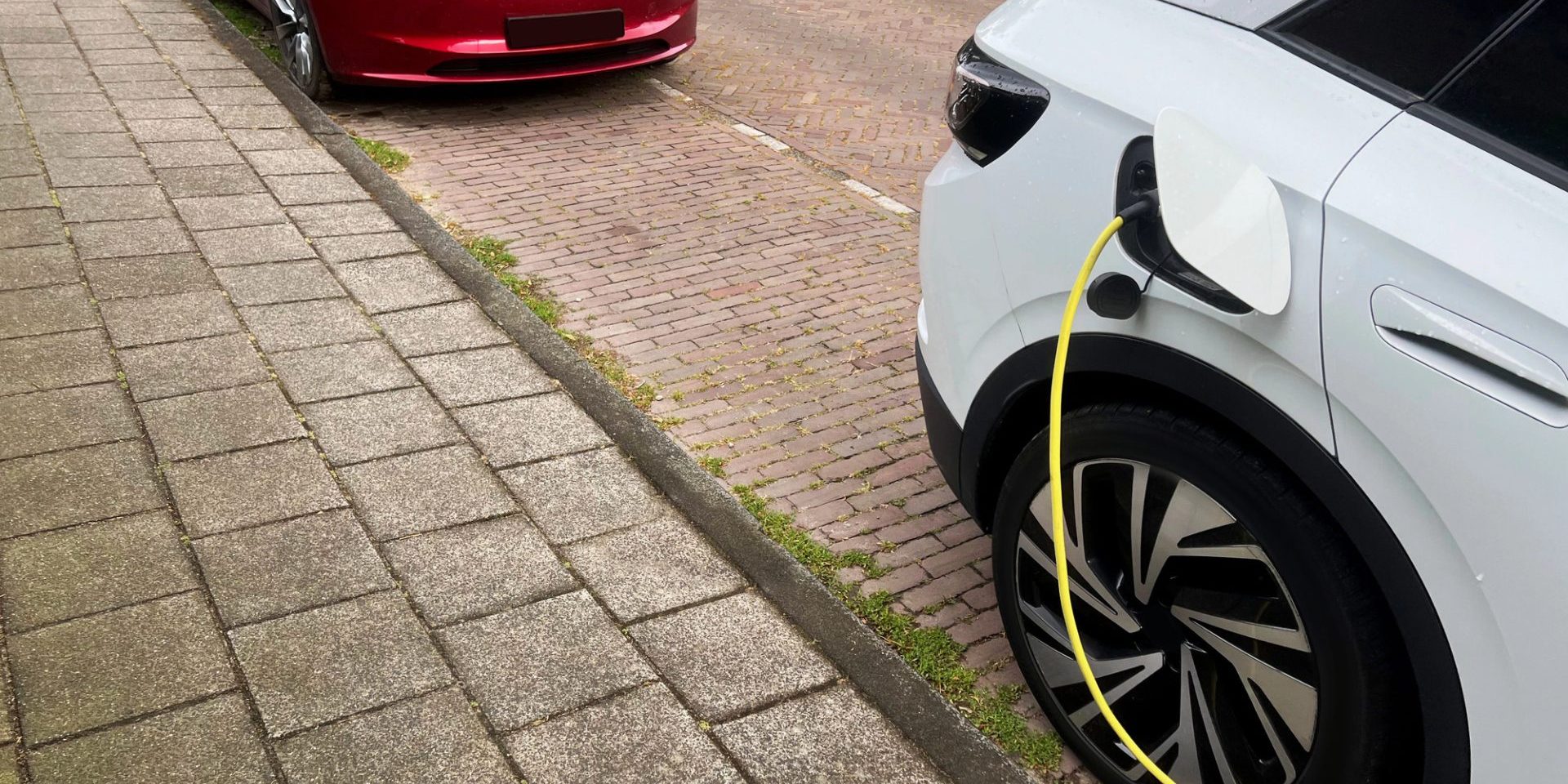
- The Queensland club, RACQ, puts the $23,990 BYD Atto 1 Essential at $751 a month to own and run over five years, the first electric car to top its annual list.
- The Western Australian club, RAC WA, prices the same Atto 1 at $888 a month, about $137 more, and ranks the petrol MG ZS Vibe small SUV slightly ahead overall.
- Over five years in Queensland the Atto 1 totals $45,037 against $50,038 for the cheapest petrol car, the Chery Tiggo 4 Urban, a gap of $5,001.
The Same Electric Hatch Costs $137 More a Month in Western Australia
A Queensland buyer hunting for the cheapest car to own and run now lands on an electric hatchback. The RACQ 2026 Vehicle Operating Costs Report calculates the BYD Atto 1 Essential at $751 a month, a figure that already includes $54 a month for charging. Across five years the total comes to $45,037, and RACQ says the car could save a motorist as much as $1,000 a year against the cheapest petrol model.
Western Australia reads differently. RAC WA released its annual running costs report this month and ranks the Atto 1 the cheapest small passenger car, but at $888 a month, around $137 more than in Queensland. Overall, though, the petrol MG ZS Vibe small SUV edges it in RAC WA’s numbers. Stretch that $137 over 60 months and the same car costs around $8,200 more to run in Western Australia than in Queensland.
Both clubs run the same test. The buyer is private, finances the car conventionally and keeps it for five years. The monthly figure covers loan repayments on the purchase, scheduled servicing, annual registration and insurance fees for that state, and fuel or electricity for 15,000 km a year. RACQ assessed 85 models, spread across passenger cars, SUVs and 4×2 and 4×4 utes.
The Queensland Result in Dollars
The Atto 1 Essential lists at $23,990, which RACQ puts at $26,354 on the road. The cheapest petrol car in the report, the Chery Tiggo 4 Urban, costs $23,990 drive-away before any discount, so the Tiggo is $2,364 cheaper on day one. It still loses the five-year race. RACQ prices the Tiggo at $834 a month to finance and run, including $178 a month on fuel, for a five-year total of $50,038. Annually that is $10,008 against $9,007 for the Atto 1.
Take the energy bill out and the Atto 1 looks dearer. It spends $54 a month on charging and the Tiggo spends $178 on petrol, a $124 monthly gap. Subtract those figures from the monthly totals and the Atto 1 carries roughly $41 a month more in loan repayments, servicing, registration and insurance than the Tiggo 4. The $124 energy saving covers that $41 and leaves the electric car ahead by $83 a month. Fuel is the line most exposed to the pump price, and the ACCC’s weekly petrol price findings show how far petrol has climbed this year.
The 2025 RACQ winner, the Suzuki Swift Mild Hybrid, cost $874 a month and $52,468 over five years. All three 2026 leaders beat it. The Atto 1 undercuts the Swift by $123 a month, or $7,431 across five years.
RACQ left the promotion out. The Atto 1 is on offer at $19,990 drive-away, which sits $6,364 below the $26,354 on-road price in the report, and RACQ says the offer would lower the ownership cost even further. RACQ credits cheaper purchase prices and more competition for the improvement, as hybrids, plug-in hybrids and battery-electric cars win a growing slice of the market. Almost a quarter of August new-car sales were electric. The Tesla Model Y reached the top of the monthly sales chart in May 2026, an EV first, and repeated the feat in June and August.
“When you add purchase price, loan repayments and fuel or charging costs, EVs and plug-in hybrids are becoming a much stronger proposition for motorists,” Dr Ian Jeffreys, who holds the Principal Economic and Affordability Specialist role at RACQ, said in a statement.
Why Western Australia Puts a Petrol SUV Ahead
The report table sets the Atto 1 Essential at $887.55 a month and the petrol MG ZS Vibe at $880.99, a gap of $6.56. The Tiggo 4 costs $881.06, just above the ZS Vibe, so it misses the cheapest-petrol spot there. In Queensland the same two petrol SUVs split by more: the Tiggo 4 at $833.97 and the ZS Vibe at $847.53, a difference of $13.56 a month.
RAC WA’s top spot has changed hands every year. The Suzuki Swift led its rankings in 2024, the BYD Dolphin topped them in 2025, and in 2026 its figures put the ZS Vibe slightly ahead of the Atto 1. Each club prices registration and insurance for its own state, so the same car changes cost when a postcode changes.
The gap runs both ways. RAC WA’s table puts the BYD Seal 6 Essential at $1,138.00 a month against $1,046.85 in Queensland, $91.15 more. The BYD Sealion 5 Essential costs $1,106.02 in Western Australia against $1,025.21, and the large BYD Sealion 8 costs $1,603.28 against $1,479.87. Those increases run from $81 to $123 a month, so the Atto 1’s $137 is the largest of the BYD models in the table. Not every car follows. The Ford Everest Active costs $1,629.50 in Western Australia against $1,638.04 in Queensland, and the LDV T60 Max Plus costs $1,507.33 against $1,557.62, $50.29 less. The Ford Ranger XL dual-cab costs more in Western Australia again, at $1,283.53 against $1,264.91.
Where the Money Goes: A Second Method
A second set of numbers shows how close electric and petrol cars sit once depreciation joins the sum. The NRMA’s Best Value Car Awards, published by its Open Road team in August, compare entry-level cars over five years and 55,500 km, which works out at 11,100 km a year against RACQ’s 15,000 km. Its costs cover depreciation, fuel or electricity, insurance, registration, compulsory third party (CTP) insurance, scheduled servicing and replacement tyres, and the list has no loan repayments.
On that basis the petrol MG3 Vibe wins at $29,951 and the Atto 1 Essential follows at $30,616. Only $665 separates them. The electric car costs $3,508 less to power and $438 less to service. It gives that back in other lines: $3,725 more depreciation, $694 more on insurance and $192 more for replacement tyres.
The averages for small cars show the same pattern. A small EV spends $2,781 on electricity over five years against $6,143 on fuel for a petrol car, a saving of about 55 per cent. Servicing runs $1,335 against $2,187. Insurance reverses the order at $9,552 against $7,447, which is $2,105, or 28 per cent, more for the EV. Depreciation adds $16,295 for the EV and $15,073 for the petrol car. Those five lines total $30,987 for the EV and $31,541 for the petrol car, $554 apart. Depreciation is the largest single line for both cars, and the used Chinese car resale values show how much one model’s drop can differ from the next.
The NRMA prices electricity at a blended 32.5c/kWh. Home charging on a cheap overnight tariff or from rooftop solar would cost a lot less, while a driver who leans on public fast chargers would pay more. Bridie Schmidt of the NRMA’s Open Road team summed up the result.
“The most affordable car to buy is not always the cheapest to own, which is why the Best Value Car Awards help break it down for you.”
Utes and Bigger Cars
RACQ ran the same test on the best-selling model of the past three years. It evaluated the Ford Ranger Wildtrak dual-cab with the outgoing 2.0-litre bi-turbo diesel, an engine axed from the lineup earlier this year. In Queensland the Ranger costs $2,122 a month against $2,062 for the electric Toyota HiLux SR5 BEV, a $60 monthly edge to the electric ute that adds up to $3,600 over five years.
Western Australia reverses the result. RAC WA puts the Ranger at $2,146 a month and the HiLux BEV at $2,239, so the diesel is $93 a month cheaper, or $5,580 over five years. The HiLux Rugged X dual-cab, a diesel with 48V mild-hybrid assistance, beats both in each state, at $2,020 a month in Queensland and $2,080 in Western Australia. In Queensland that is $102 a month below the Ranger and $42 below the electric HiLux. In Western Australia it is $66 below the Ranger and $159 below the electric HiLux.
Buyers pricing a Ranger today face a different truck from the one tested, as the engine in the report has left the range.
What to Do Before You Sign
Start with the finance. RACQ priced the Atto 1 on its $26,354 on-road figure and left out the $19,990 drive-away promotion. A buyer who secures that price can rerun the loan on a lower amount borrowed, using their own deposit and interest rate. The result will differ from the monthly figure in the report.
Next, test the distance. RACQ and RAC WA assume 15,000 km a year, and the NRMA uses 11,100. The Atto 1’s energy saving over the Tiggo 4 is $124 a month, or $1,488 a year, at 15,000 km. A driver covering 10,000 km a year would see that fall to about $992, assuming energy costs scale with distance. The $41 a month gap in loan repayments, servicing, registration and insurance is assumed to stay.
Then price the energy for the house. The NRMA’s blended 32.5c/kWh rate suits no single household. Solar panels and an overnight tariff pull the charging cost down, while fast charging pushes it up.
Get an insurance quote for every model on the shortlist. The NRMA found that the premium depends on the driver, address, claims history and policy, and the quotes for the Atto 1 and MG3 sit $694 apart over five years in its test. A buyer shopping among newer brands can also read the dealer body’s resale warning before choosing.
If a novated lease is on the table, the fringe benefits tax (FBT) exemption for eligible EVs can lower the cost of ownership further. Announced changes start on 1 April 2027: only eligible EVs valued at $75,000 or under will keep the full exemption, and the Atto 1 stays inside that line.
Finally, run your own state’s costs and your own kilometres. Dr Jeffreys closed with a reminder that applies to every car in the list.
“However, we know a cheap car isn’t always the right car. Motorists should still do their homework on safety, security and suitability before making a decision.”
Want more car content? Add us as a preferred source on Google to your favourites list for the best automotive news and analysis on the internet.
If you enjoyed this article, be sure to follow us on Microsoft Start.
Reviewed by Preetam Gadekar

Leave a Comment
More in News

Cadillac Australia Recalls 406 Lyriq and Vistiq EVs Over Brake Fault

New Hampshire Hand-Held Phone Fine Rises From $100 to $250 on Jan. 1, 2027

Ford Filed 83 Recalls Covering 14.2 Million Vehicles in 2026 So Far
Start Rescue Warns Cold Snaps Can Cut Tyre Pressure 4psi and Stretch Stopping 25 Percent
Suzuki Black Car Friday Sale Cuts 10% Off RRP Until 30 November
Trending on Motoring Chronicle

DVLA Collected £113 Million in Fines as Car Tax Income Rose 8 Percent

The New Lexus ES 350h Is Bigger, Gets All Wheel Drive For The First Time And Returns 46 MPG

Why Your Next MOT Booking Could Take Weeks Longer Than It Used To

DVSA Tested 20 Tyres and 13 Missed the Class Printed on Their Label