What an MOT Retest Costs (and When the Garage Must Not Charge)
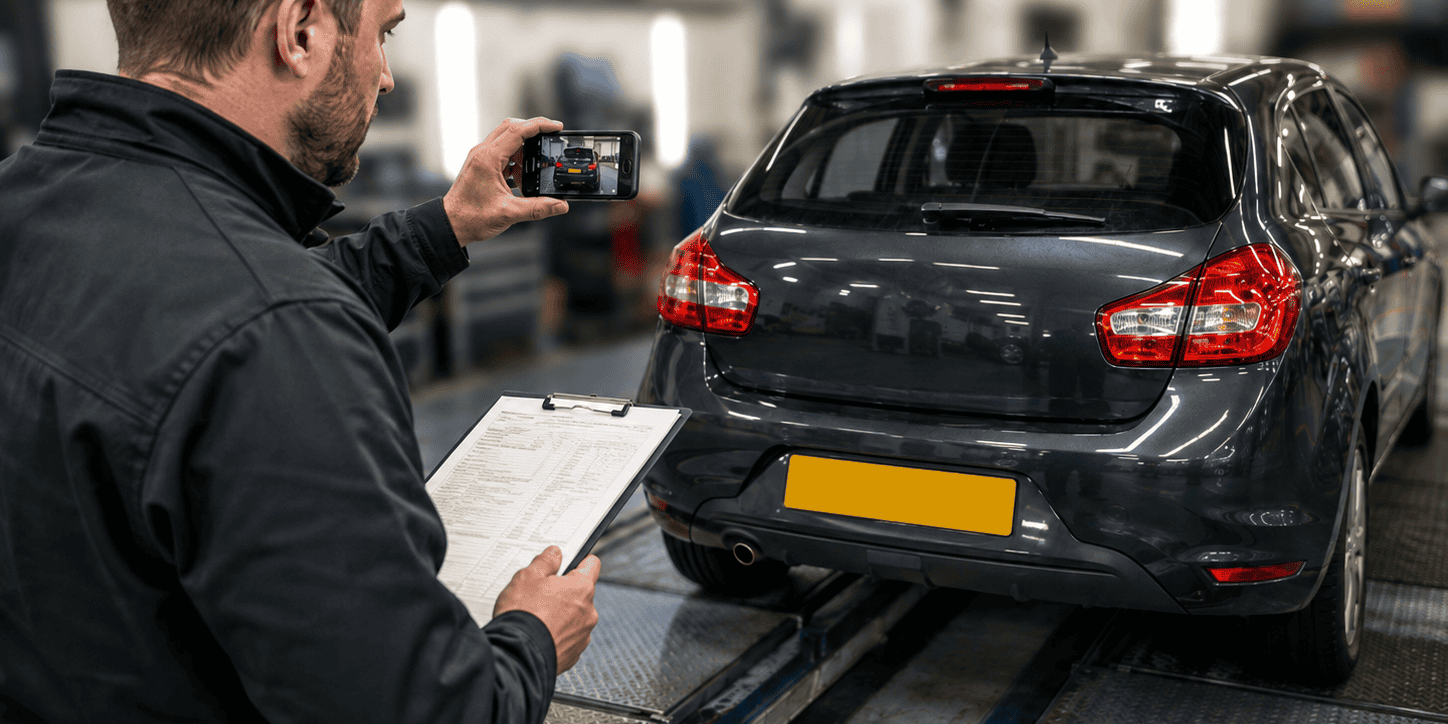
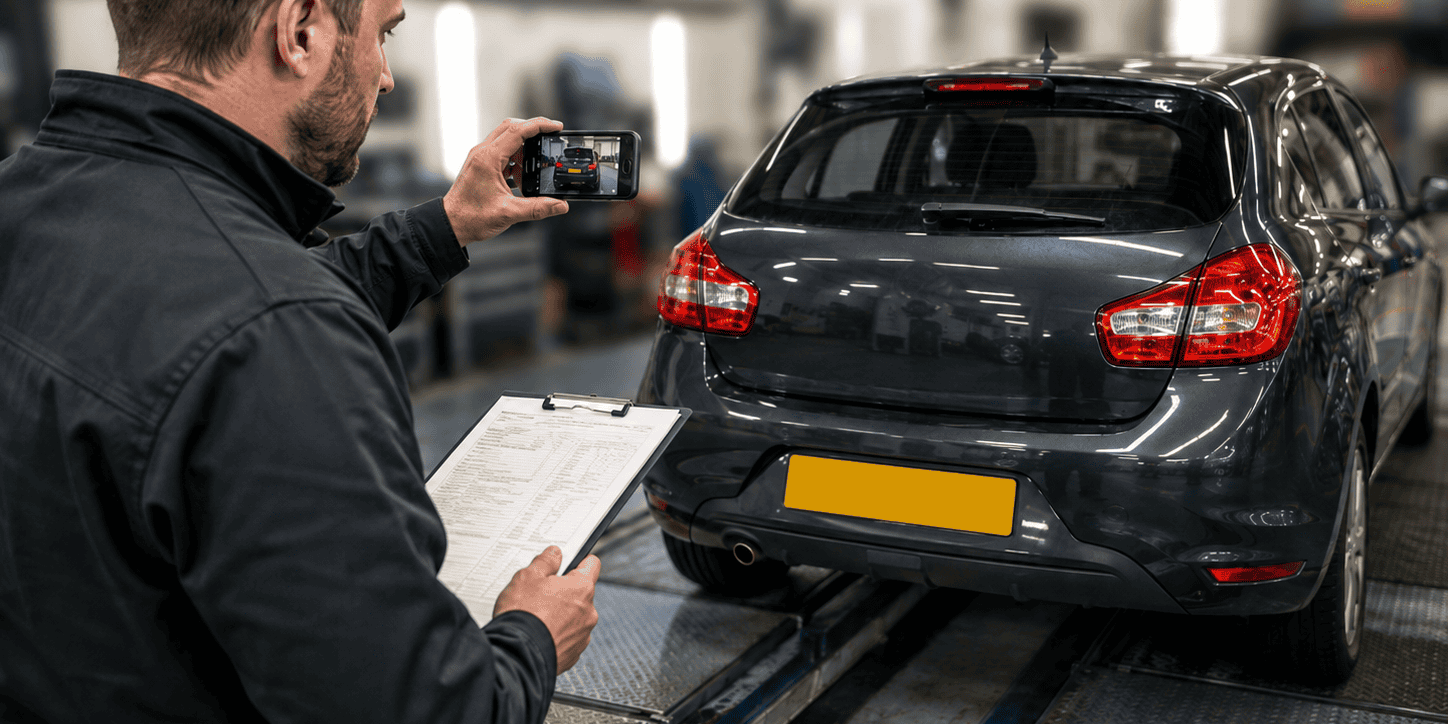
- Leave the car at the garage for repair and a retest inside 10 working days costs nothing.
- Take the car away and the garage can charge up to half the £54.85 ($73.50) maximum test fee when it returns inside 10 working days.
- Miss that window, or go to a different garage, and the second visit is a full test at the full fee.
The Choice at the Garage Counter That Decides Whether You Pay Twice
The answer sits in where the car spends the days after the fail. Leave it at the test station while the defects are repaired and the retest is free, provided it happens by the end of the 10th working day after the first test. Drive it away to be fixed elsewhere and the station can bill a partial retest fee, capped at half the maximum test fee for a car. The maximum for a car is £54.85 ($73.50) with no VAT, so half comes to about £27.43 (about $37). Anything later than day 10, or at a different station, becomes a full test.
Those rules come from the DVSA testing guide that every test station works to, and the gov.uk MOT guide for drivers covers the same ground. Each fee is a ceiling. The figures are the most a station can charge, and the DVSA guide says a garage can charge less for a test or a retest.
A driver who wants to skip the retest altogether can run through the pre-test checks that dodge a pointless fail before the first booking. The money at stake is easy to count. A second test at full price puts the total at £109.70 ($147.00) for two tests, against £54.85 ($73.50) if the retest is free. Take the car away and return in time, and the total lands at about £82.28 ($110.26). That gap of about £27.43 between the free route and the half fee route is the price of fixing the car somewhere else.
Leaving the Car for Repair: Free, With One Condition
The free route has a strict condition. The DVSA guide says the vehicle must stay at the test station and must not leave at any point before the retest. A car that goes home overnight, or to a friend with a spanner, no longer qualifies for the free retest. The exemption works only for a car that never left the building.
The clock runs for 10 working days, counted from the day of the initial test. The retest has to happen before the end of the 10th of those days. An older version of the rule let a car stay at the station indefinitely and still count as a partial retest. That open ended arrangement has gone, and a car not re-examined inside the window gets a full test with a full fee.
Take a worked example with fixed dates. A car fails on Monday 2 March. Counting Monday to Friday and assuming no bank holiday, day one is Tuesday 3 March and the 10th working day is Monday 16 March. A retest on or before the end of that Monday carries no fee. A retest on Tuesday 17 March is a full test. The pages count in working days and say nothing more on holidays, so ask the garage to name the final date and write it on the job sheet.
Another route exists inside the same station. If the station repairs a failed car and then checks it again under its PRS (pass after rectification) arrangement, the DVSA guide bars the station from adding another test fee for that second look.
Taking the Car Away: Next Day Free for a Listed Set of Faults
Some drivers cannot or will not leave the car. A valid MOT lets you take it away. The gov.uk guide says to check the MOT history to see when the certificate runs out. If the MOT has already expired, the car can go to a place that will fix the failed items or to a pre-arranged MOT test, and gov.uk adds that the car must stay roadworthy to the minimum legal standard throughout, and a driver who lets it slip can be fined.
A free return exists for a short list of faults. Bring the car back to the same test station by the end of the next working day, and the retest costs nothing when the only failures are on the list. The DVSA guide adds that the station must not have changed ownership in the meantime. The gov.uk list for cars includes the battery, bonnet, bootlid, doors, electrical wiring, fuel filler cap, horn, lamps (excluding headlamp aim), mirrors, registration plates, seatbelts (but not anchorages), seats, steering wheel, tailgate, tyre pressure monitoring system, vehicle identification number, windscreen glass, wipers and washers, and wheels and tyres.
A failed bulb or a worn wiper blade sits on that list. Both are quick jobs, and the car can be back at the same station the next working day. The list also explains the opposite case. Brake performance, suspension, steering linkages and exhaust emissions are not on it, so a car that fails on any of those is outside the free next day retest. The guide to what counts as a wiper fail covers the blade side of that list.
Beyond day one the partial retest fee applies. Return to the same station before the end of the 10th working day, with the station under the same owner, and the garage can charge up to half the maximum, which is about £27.43 (about $37). The guide also limits the partial retest to once per full examination. A second failure on the retest does not earn a second half fee retest, so a repair that does not hold sends the driver back to a full test.
The Cases That Cost Full Price
Four situations lead to the full fee, and all four are avoidable if you know them before agreeing to the repair.
The first is a different garage. The partial retest rules apply only at the station that carried out the first test. A car repaired by a specialist and taken to a second test station for a cheaper retest does not qualify at all, and the second station treats it as a new test at its own price, up to £54.85 ($73.50).
The second is the calendar. Day 11 is a full test. The guide leaves no room to argue with the count, and a garage that is booked solid can push a driver past the window without meaning to. When a repair is waiting on a part, ask for a retest slot before the 10th working day.
The third is the second attempt. Only one partial re-examination is allowed per full test, so a retest that fails again leads to another full test.
The fourth is a change of ownership at the station. If the test station changes hands inside the window, the DVSA guide says none of the free or half fee rules apply, and the station can run a full test and charge a full fee. This one sits outside the driver’s control, but it is worth a question when the garage sign has changed.
Before agreeing to any repair, ask the garage three things: what retest fee applies if the car leaves, what fee applies if it stays, and the last date for a retest. Ask for the answers in writing on the job sheet. The garage then has a record of the date you were told, and you have the number to compare with the maximum.
Driving While the Car Has Failed
A fail does not end the old certificate. If the MOT still has time left, the car can go on the road, as long as it meets the minimum standard of roadworthiness at all times. A dangerous fail changes the position, and the rules on driving home are set out in the guide to what a dangerous MOT fail means.
A car without a valid MOT can only be driven to a place where the defects will be repaired or to a pre-arranged MOT test. Anything else risks prosecution, and the maximum fine is £1,000 ($1,340). A failed car with an expired certificate counts as a car without a valid MOT, which makes the repair run the only safe drive.
Leaving the car at the station avoids the question altogether. It stays off the road, the 10 working day clock is the only date to track, and the retest costs nothing. The price of the free route is time without the car. The price of the half fee route is about £27.43 (about $37) plus the duty to keep the car roadworthy on every drive.
Want more car content? Add us as a preferred source on Google to your favourites list for the best automotive news and analysis on the internet.
If you enjoyed this article, be sure to follow us on Microsoft Start.
Sources
- GOV.UK: Getting an MOT, Retest after a repair
- GOV.UK: Getting an MOT, MOT costs
- GOV.UK (DVSA): MOT testing guide for test stations, L. Accounts and fees
- GOV.UK: Getting an MOT, When to get an MOT
Reviewed by Preetam Gadekar

Leave a Comment
More in News

FTC Deal Would Make Stream Auto Show Full Car Prices, Fees Included
2027 Nissan Armada Patrol PRO-4X Starts at $78,990 as Patrol Badge Returns

Every Driver Who Damages an Unattended Parked Car Has 24 Hours to Tell Police

Scion KEI-01 Mini Truck Tops Out at 25 MPH, Fleet Sales Start in 2027
US Traffic Deaths Fall 2.5% to 16,750, but 15 States and DC Rose
Trending on Motoring Chronicle
Dashcam Reports to Police Pass 230,000 With Two in Three Leading to Action
Toyota Debuts All-Electric “bZ Time Attack” AWD Concept at 2025 SEMA Show
How the AA Wants to Replace the Second £62 Test for Automatic Licence Holders

How to Replace a Lost Car Key (and What a New One Costs)