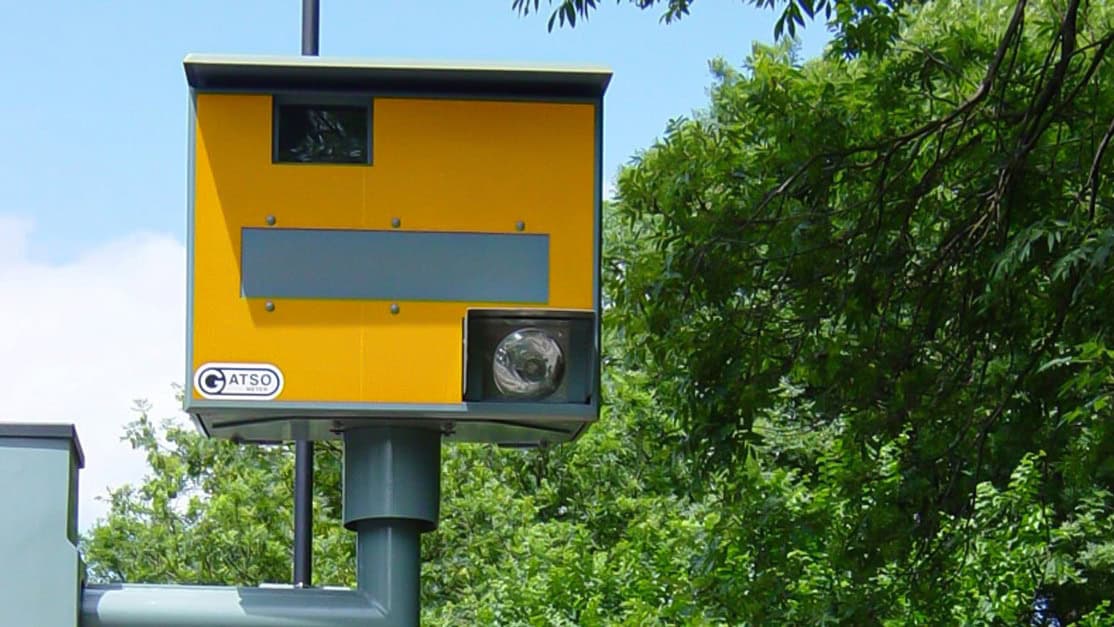
Every Uninsured Driver Risks £300 and 6 Points as Police Seize 134,000 Vehicles


- Operation Drive Insured, run by the Motor Insurers’ Bureau (MIB) with every police force, checks vehicles for valid cover from 9 to 15 November.
- Over 134,000 uninsured vehicles have been seized this year, one every four minutes, and the penalty is a £300 fixed penalty notice, six points and possible seizure.
- Seven everyday policy mistakes can leave an honest driver uninsured, and the free MIB check needs only a registration number.
One Wrong Detail on Your Policy Can Make You an Uninsured Driver
Police forces across the country are checking vehicles for insurance this week, and MIB says the penalties apply regardless of intent. Operation Drive Insured started on Monday 9 November and runs until Sunday 15 November. MIB, the not-for-profit that backs victims of uninsured and hit-and-run drivers, has teamed up with every police force to find cars without cover, disrupt offending and point drivers to the errors that quietly void a policy.
Being stopped without cover carries a set price. A driver caught without cover faces a £300 fixed penalty and six penalty points. Police can also seize the car, and the most serious cases go to court, where the fine is unlimited and a driver can be disqualified.
The scale explains the focus. MIB counts over 134,000 uninsured vehicles seized so far this year and puts the rate at one every four minutes. MIB estimates that 335,000 vehicles on the road are uninsured on a typical day. Government figures put the yearly economic cost above £1 billion, spread across victim compensation, the emergency services, medical costs and lost productivity.
Where Uninsured Driving Is Highest: Hull, Thurrock and the West Midlands
MIB published its hotspot ranking on the first day of the campaign, built from two years of its own claim data and ordered by uninsured driving defendants per 1,000 population. The HU2 postal district in Hull records the highest rate in the country.
The top 15 in order: HU2 Hull first, then RM20 Thurrock, BT46 Mid Ulster, B16 Birmingham, BT43 Mid and East Antrim, HP18 Buckinghamshire, B25 Birmingham, BT14 Belfast, PE1 Peterborough, BT12 Belfast, SL2 Slough, TS1 Middlesbrough, B66 Sandwell, WV1 Wolverhampton and RM6 Redbridge. Four of the 15 sit in the West Midlands (two in Birmingham, one each in Sandwell and Wolverhampton) and four in Northern Ireland.
The ranking counts uninsured driving defendants per 1,000 residents, so a postcode outside the table protects nobody with a lapsed policy. Every force is part of the operation, and the check worth making is the one on your own policy.
What Happens After a Stop: Points, Seizure and a Licence at Risk
GOV.UK states that the law requires at least third party insurance to drive on a road or in a public place. Third party cover is the legal minimum and pays for injury or damage to other people, vehicles, animals and property, not for repairs to your own car. GOV.UK adds a catch that surprises owners: a car with a valid policy on it can still lead to a penalty when the person at the wheel is not correctly insured to drive it.
Six points is the number that does the damage. The DVLA offence code for using a vehicle uninsured against third party risks, IN10, carries 6 to 8 points and stays on the driving record for four years from the date of the offence. Under the rules on how penalty points work, a driver who builds up 12 or more points within three years faces disqualification, so a £300 fixed penalty with 6 points followed by a second 6 point offence reaches that threshold. Newly qualified drivers have no such room. Six or more points inside two years of passing the test cancels the licence, and the holder starts again with a new provisional licence, a theory test and a practical test.
Police can also seize the vehicle and, in some cases, destroy it. MIB spells out the wider bill: the full cost of a claim after a crash could become the uninsured driver’s to repay over months or years, and the driver could pick up a criminal record. Losing a car also hits work, caring duties and day to day independence.
Jamil learned the premium lesson the hard way. Stopped by police in 2009, he panicked and said the paperwork was at home. The officers offered to follow him there. Partway through the drive he pulled over and admitted he had no insurance at all. He had found cover too expensive as a young driver and believed he would get away with it. He now says:
“Driving uninsured was the biggest mistake I made as a young driver. That one stupid decision stuck with me for years, making premiums more expensive for a long time as insurers saw me as a risk, and there was the potential for it to come up on background searches if I chose to change jobs.
“Insurance isn’t just another bill; it protects you as much as other people on the road. If I could go back now or give another driver one piece of advice, it would be to always make sure you get a policy – just don’t risk going out uninsured.”
MIB’s own guidance adds that any future insurance premiums will likely cost more for a driver caught without cover.
The Seven Mistakes That Leave Honest Drivers Without Cover
MIB lists seven errors that leave drivers unknowingly uninsured.
Payment and renewal come first. A card that has expired, or a renewal assumed to be automatic, can leave a car without a live policy. MIB tells drivers not to let a policy auto-renew unchecked, as the details can be out of date or invalid without the owner realising.
Wrong personal or vehicle details come second. Address, mileage, where the car is kept and engine size all affect cover, and incorrect or incomplete information can invalidate a policy even when the error was innocent. MIB says drivers should not wait for the renewal to declare a change. Altering a policy mid-term brings no penalty, though the insurer can charge an administration fee.
Wrong use class is the third. Social, domestic and pleasure cover takes in personal trips only. Commuting cover adds the regular run to one permanent workplace or place of study. Any other work trip needs business cover, even a single client meeting or a trip to collect equipment, and deliveries need hire and reward cover. The level of cover, even the highest, does not set the use class.
The fourth is naming the wrong main driver to cut the price. That is fronting, an illegal practice that voids the policy, can lead to prosecution and can put the driver on the Insurance Fraud Register. Our report on the fronting risk for half of drivers shows how common the practice is.
The fifth is assuming a policy covers other vehicles. Driving Other Cars cover is no longer routinely included, applies to emergencies and one-off situations, and typically does not extend to a partner’s or family member’s car in the same household. A regular second-car driver should be a named driver, and a short-term policy suits occasional use.
Sixth is a fake policy, often sold through social media, a fraud called ghost broking. MIB’s own figures show 56 percent of people do not realise a fake policy from a ghost broker leaves them uninsured. The warning signs are a price far below other quotes, a request for cryptocurrency, pressure to pay at once, contact only through social media or messaging apps, and missing paperwork. A buyer can check that a broker is registered with the Financial Conduct Authority or the British Insurance Brokers’ Association. A driver sold a fake policy must arrange real cover before driving again and can report the seller to the Insurance Fraud Bureau (online, or 0800 422 0421) and to Report Fraud (online, or 0300 123 2040). The penalty for buying insurance from an individual is the same £300 and 6 points.
Seventh is failing to declare modifications to the insurer. MIB says even small changes belong on the policy.
Two more traps sit outside the seven. A new owner gets no grace period, so cover has to be in place from the first drive on a public road, and a dealer’s drive-away insurance should be checked, not assumed. A parked car still needs insurance unless the keeper has made a SORN with the DVLA, and a SORN car has to stay off the road.
How to Check Your Cover Before Sunday
Start with the free lookup. MIB’s Check Your Vehicle service looks up your registration number on the central record of insured vehicles and says whether the car shows as covered. The check is free and open for your own vehicle at any time. The askMID site offers the same free self check and charges £10.00 for a one-off search of another driver’s vehicle after an accident.
If the lookup shows no cover, ring the insurer before the car moves again. MIB’s advice is to fix the problem first and not to drive until everything is sorted. A driver who holds no current policy, or is not a named driver on the car being driven, needs to buy cover before getting behind the wheel.
Then read the policy schedule against your real life. Check the use class against your commute and any side work, the named drivers against who actually drives, the address, the annual mileage, the modifications on the car and the payment date. MIB suggests a review every few months and a calendar reminder for any change coming before renewal.
A letter calls for a check. Each month MIB and the DVLA write to keepers whose vehicles do not show as insured. MIB says there can be a valid reason, and the letter gives the keeper a chance to sort out the policy before the matter reaches enforcement.
The Cost of Uninsured Driving Falls on Victims First
The £1 billion national bill has a human end. Martin, a carer, was in a near head-on crash in August 2023 with a driver who had no insurance. He was trapped inside his car with a torn bicep, a broken nose, a broken bone in his back and eight broken ribs. He remembers the moment.
“It was just pain everywhere,” he recalls. “But the first thing I thought was, ‘I’m still breathing.’”
A police officer told him about MIB in hospital, and MIB helped him get physiotherapy, plus mental health support once he found leaving the house hard. Martin is back at work caring for others.
“Everything MIB did was really good,” he says. “I had tremendous care. I don’t think I could’ve done it all myself.”
“It was a delight to get back,” he says. “Straight away, I felt I was helping somebody again.”
Operation Drive Insured ends on Sunday 15 November. The penalties apply every day of the year, and the free MIB check is open any day, so open the policy documents today.
Want more car content? Add us as a preferred source on Google to your favourites list for the best automotive news and analysis on the internet.
If you enjoyed this article, be sure to follow us on Microsoft Start.
Sources
- MIB: Latest UK uninsured driving hotspots revealed
- GOV.UK: Driving without insurance
- GOV.UK: Endorsement codes and penalty points
- MIB: Recognise and understand common motor insurance myths
Reviewed by Preetam Gadekar

Leave a Comment
More in News
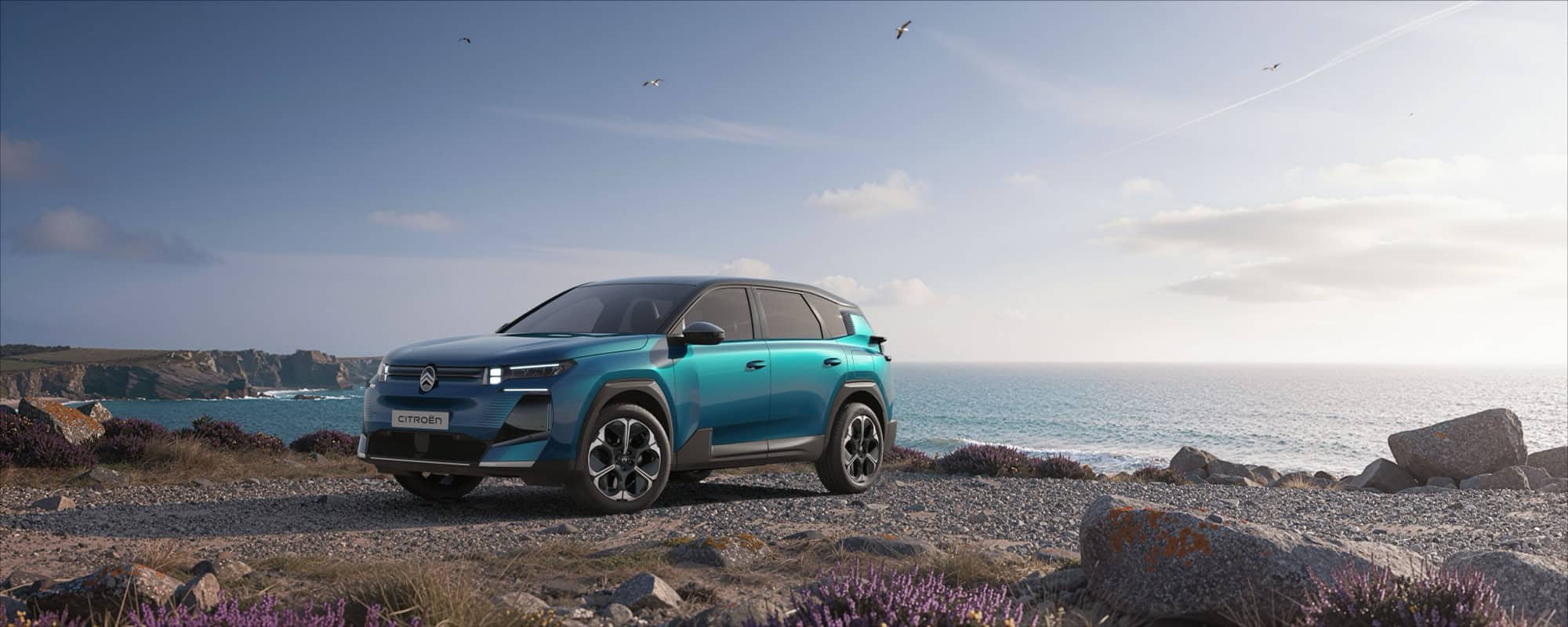
Citroën C5 Aircross Adds Emerald Top Trim From £37,290, Electric From £38,845 After Grant

Autotrader Puts Used Electric Car Asking Prices at £25,263 as Petrol Falls 1.9 Percent
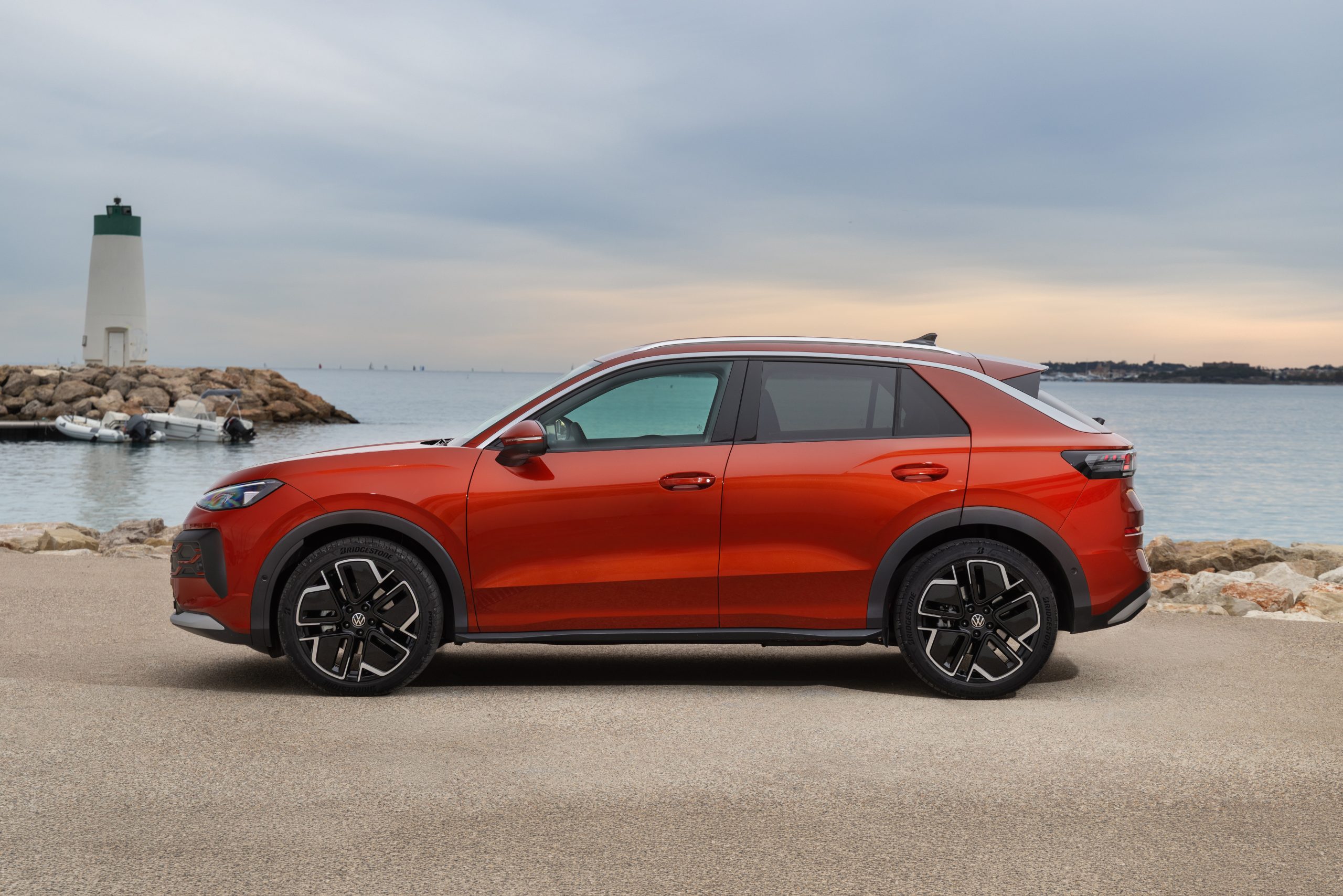
Volkswagen T-Roc Hybrid Costs From £33,725 and Never Needs Plugging In
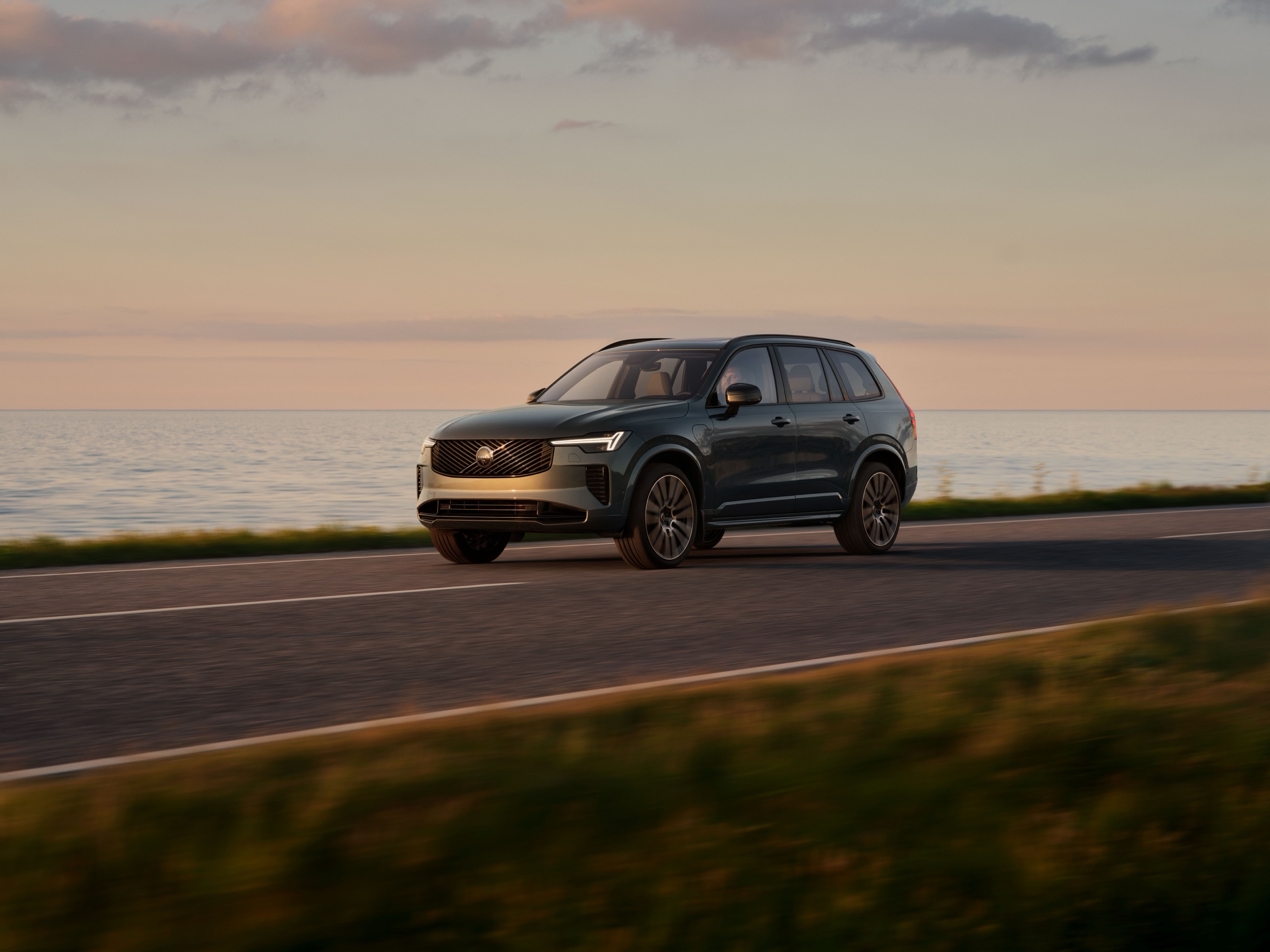
Volvo XC90 Plug-In Hybrid Offers Up to 101 Miles of Electric Range From £75,765
What DfT’s Proposed 2 Percent Meter Rule Means for Every New Public EV Charger
Trending on Motoring Chronicle

What Happens If You Never Change Your Cam Belt? The Engine Decides, Not You
Progressive’s Profit Fell 3 Percent Even as It Added 1.4 Million Car Insurance Policies

Bentayga ‘X’ Concept revealed at FAT Ice Race as part of new Bentley Partnership
Chrysler Tells Pacifica Plug In Hybrid Owners to Park Outside Over Battery Fire Risk