
Autotrader Shows Used Diesel Sellers Wait 32 Days as Demand Falls 19.2 Percent
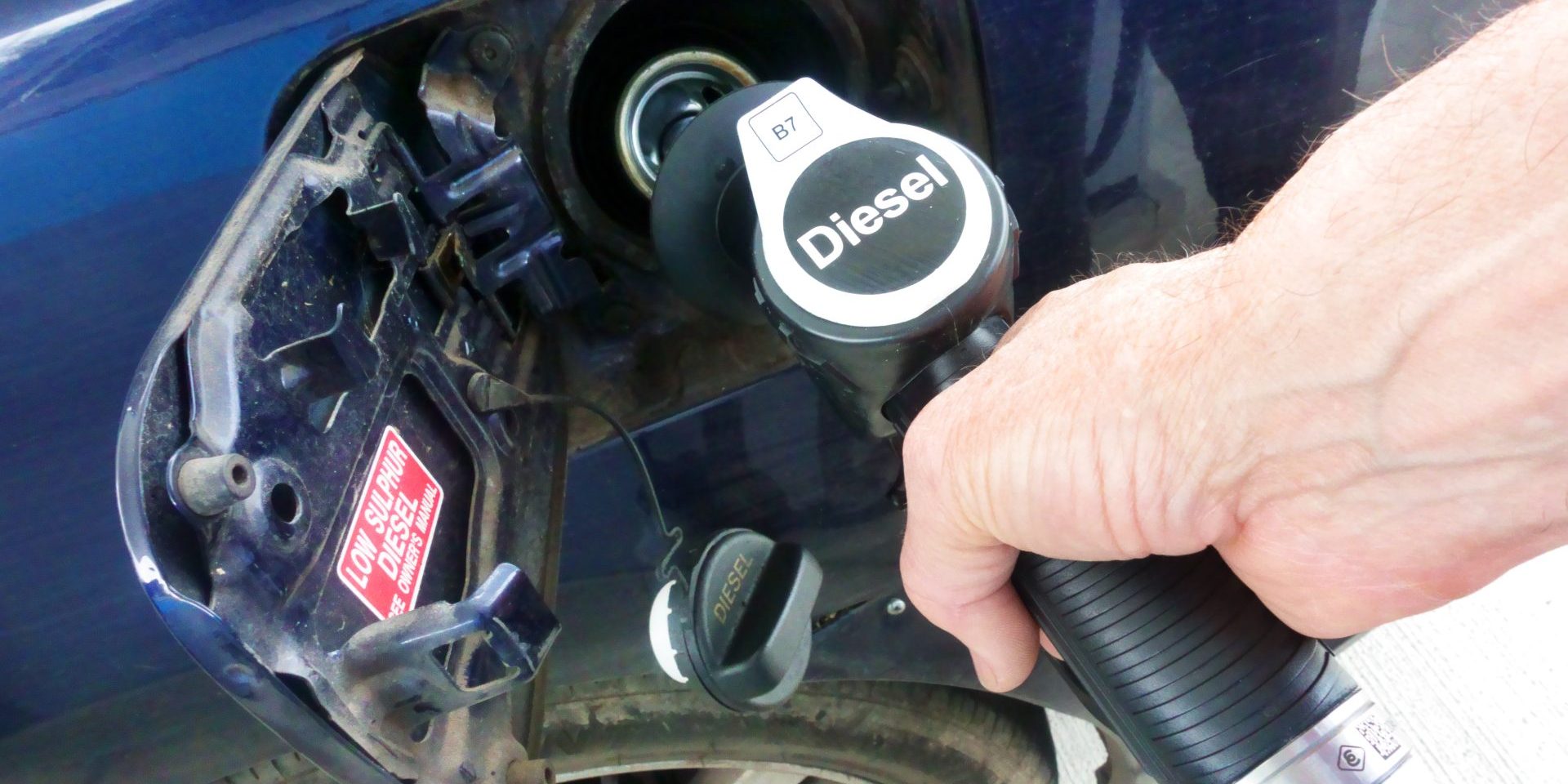
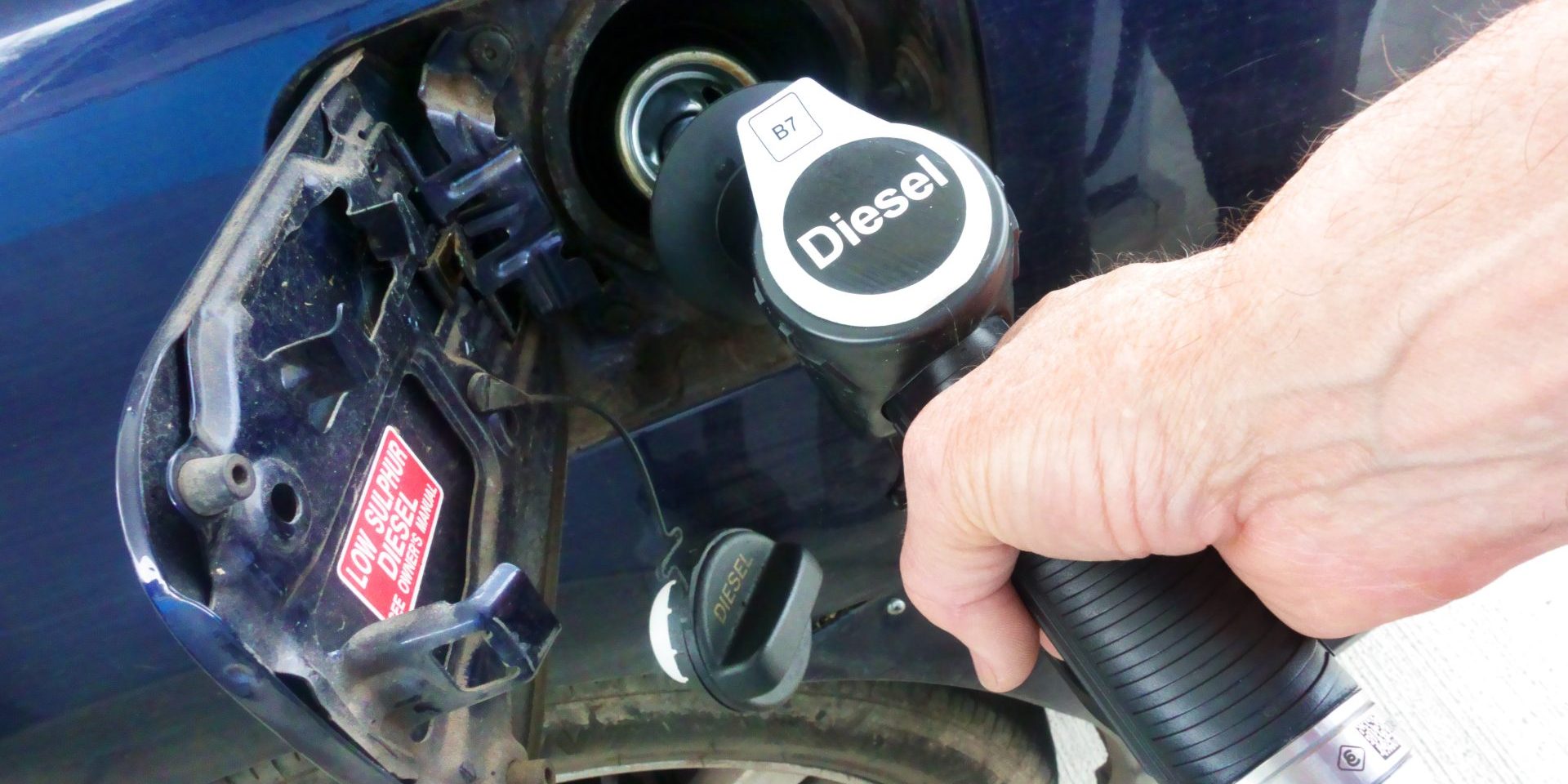
- Used diesel cars take 32 days to leave a retailer’s forecourt in October, against 27 days for the average used car, in Autotrader’s market data for 1 to 14 October.
- Demand for used diesel fell 19.2 percent year on year in September while supply fell 6.8 percent, and the average asking price slipped 0.8 percent to £13,924.
- Hybrids hold the three fastest spots, led by the Toyota Yaris at 14 days, while a diesel Range Rover Sport waits 41 days.
A Diesel Now Waits Five Days Longer Than the Average Used Car
A used diesel takes 32 days to sell at a retailer in October. The average used car takes 27 days. That is five extra days, or 18.5 percent longer, and it makes diesel the slowest-selling fuel type in the Autotrader data.
The cause shows up in the September demand numbers. Buyer demand for used diesel cars dropped 19.2 percent compared with September 2025, while the number of diesels for sale dropped 6.8 percent. Demand fell 12.4 percentage points faster than supply, which leaves more diesels chasing fewer buyers.
Price follows the queue. Like-for-like, the average used diesel asking price fell 0.8 percent to £13,924 in September. That sits £701 below the petrol average of £14,625 and £3,375 below the all-fuel average of £17,299. A seller who plans around the 27 day market figure will be caught short; the diesel figure of 32 days, a little over four and a half weeks, is the one to plan around.
Where Diesel Sits Against Petrol, Hybrid and Electric
The whole market is moving quickly. The average used car left a forecourt in 27 days in the first half of October, down from 30 days in September and from 29 days in October 2025. That is three days faster than last month and two days faster than a year ago, and Autotrader forecasts used car transactions to grow 1.9 percent this year to 7.95 million, the highest annual volume of any year from 2018 onward.
Fuel type splits that average. Electric cars are the fastest at 25 days. Full and mild hybrids and plug-in hybrids follow at 26 days, and petrol cars take 27 days. Diesel closes the table at 32 days: seven days behind electric, which is 28 percent longer, and six days behind hybrids.
Demand and supply explain the order. In September, demand for used electric cars rose 40 percent against a 26 percent rise in supply, and electric was the only fuel type to post an annual price increase, up 2.8 percent to an average £25,091. Petrol demand fell 5.8 percent and supply fell 5.7 percent, almost level, and petrol asking prices fell 1 percent to £14,625, which ended 17 months of annual growth. Diesel is the fuel where demand falls far faster than supply. The gap between a diesel and an electric car in the average asking price is £11,167.
Age changes the numbers as much as fuel does. Cars aged three to five years are the fastest cohort at 25 days. Among electric cars, those aged five to 10 years sell fastest at 20 days. At the other end, the Retail Price Index shows cars aged 10 to 15 years rising 5.6 percent year on year to an average of £7,144, while cars under one year old fell 2.7 percent and one to three year olds fell 2.4 percent. Older cars held their prices in September while the youngest cars softened, and a diesel of any age sits in the fuel group with the longest wait.
The Models Waiting Longest on the Forecourt
Three diesels sit among the 10 slowest sellers of the fortnight. The Kia Sportage diesel aged five to 10 years takes 35 days. The Nissan Qashqai diesel aged 10 to 15 years takes 36 days. The Land Rover Range Rover Sport diesel aged five to 10 years takes 41 days, which is 14 days over the market average and nine days over the diesel average.
Diesel does not own the bottom of the table. The slowest car of all is a petrol, the Nissan Juke aged 10 to 15 years, at 42.5 days. Five of the 10 slowest are petrols: the Renault Captur at 33 days, the Vauxhall Mokka at 35, the Ford Fiesta at 35.5, the BMW 1 Series at 37 and the Juke. The Volvo XC40 petrol hybrid takes 35 days and the BMW i4 electric takes 36.5 days. A diesel badge adds days, and it is one handicap among several.
The fast end tells the opposite story. Seven of the 10 fastest sellers are hybrids or plug-in hybrids, two are petrols and one is an electric Kia Niro. No diesel makes the list. The Toyota Yaris petrol hybrid aged five to 10 years takes 14 days, the plug-in hybrid JAECOO 7 under one year old takes 14.5 days and the Hyundai Bayon petrol hybrid aged three to five years takes 17 days.
One model shows how much age and fuel move the result. A BMW 1 Series petrol aged 10 to 15 years is the fourth fastest seller of the fortnight at 18 days. The same car in the same fuel aged three to five years is the third slowest at 37 days, a gap of 19 days. The Kia Sportage petrol hybrid under one year old sells in 19 days and the three to five year old hybrid in 19.5 days, against 35 days for the five to 10 year old diesel. The ages differ, so the 15.5 to 16 day gap reflects fuel and age together.
Autotrader’s Marc Palmer, who leads its strategy work, put the diesel position in one line: “slower demand doesn’t mean diesel is disappearing”. Diesel still sells, only slowly, and unevenly by model and age.
Record Pump Prices Sit Behind the Demand Fall
The fall in diesel demand came as pump prices hit a record. On 28 September the RAC recorded the average litre of diesel at 199.18p, above the previous high of 199.09p set in June 2022. The RAC put the cost of filling an average family car with diesel at almost £110 a tank, which is £31 more than at the start of the US/Iran conflict. Petrol stood at 174.13p, a full tank costing nearly £96.
By 9 October the RAC reported diesel at 199.90p, down 0.11p on the day and back under £2 a litre. Against 142.38p on 28 February, that is 57.5p more, or 40.4 percent. Petrol at 174.79p is 42p more than the 132.83p it cost on 28 February, up 31.6 percent. RAC head of policy Simon Williams said households pay £31 more to fill a family-sized diesel car and £23 more for petrol than before the conflict began, and “we’re a long way from being out of the woods when it comes to high fuel prices”.
For a driver buying a used diesel, the running cost is the other half of the price. The yearly fuel bill for diesel drivers covering 10,000 miles is the other half of a diesel’s cost, and a buyer who covers motorway miles pays the pump price on every one of them.
Can You Avoid the Five Day Wait?
The figures give sellers and buyers some room to act. This part is reasoning from the data, not a forecast.
If you sell a diesel, plan for 32 days, not 27. Check where your car sits first: a three to five year old car is in the fastest age cohort at 25 days on average, while a 1 Series of that age stalled for 37 days, so the model counts as well. Price against the diesel average of £13,924, not the all-fuel £17,299, and expect an asking price that moves down rather than up: the average has fallen 0.8 percent in a year. If you are swapping to a hybrid, the numbers work for you at both ends of the swap. A five to 10 year old petrol hybrid Yaris takes 14 days to sell, so the resale wait on that choice is short.
If you buy a diesel, the figures hand you a negotiating point. Demand has fallen 12.4 percentage points faster than supply, and diesels sit on forecourts five days longer than the average car. Ask the retailer how long the car has been in stock. A diesel that has waited past 32 days has waited longer than the typical one. Compare the asking price with the £13,924 average for the fuel and with the £7,144 average for cars aged 10 to 15 years, where prices rose 5.6 percent. Price the pump costs in too, starting with the 199.90p diesel figure the RAC recorded on 9 October.
Two limits apply to the numbers. The October days-to-sell figures cover 1 to 14 October only, so a full-month average will differ. They also measure cars leaving retailers’ forecourts, so a private sale is not in them. The petrol side of the same index is in the report on used petrol cars at £14,625.
Seven days separates the fastest fuel from the slowest. A seller who plans for 32 days, prices to the £13,924 average and checks the age band before listing starts the wait with the numbers on their side.
Want more car content? Add us as a preferred source on Google to your favourites list for the best automotive news and analysis on the internet.
If you enjoyed this article, be sure to follow us on Microsoft Start.

Leave a Comment
More in News

Drivers Handed Councils a £993 Million Kerbside Parking Surplus as Penalty Notices Hit £899 Million

Fiat Grande Panda review: Retro-inspired hatchback is a little cracker

Every NHS Trust Answers for Car Park Firms as Four Groups Park Free
Every Driver Wrongly Fined by 154 National Highways Cameras Is Promised a Refund
Every Driver Holding a Phone for Directions Risks 6 Points and a £200 Fine
Trending on Motoring Chronicle

Why Diesel Just Recorded Its Biggest One Month Price Fall Since 2000

Interest on a Used Car Loan Has Nearly Doubled From 2019 Levels, Data Shows
AI Cameras Are Now Watching UK Drivers for Phones and Seatbelts

Why Six States Are Raising Gas Taxes on July 1 and What Drivers Will Pay
