
Interest on a Used Car Loan Has Nearly Doubled From 2019 Levels, Data Shows
- The average driver financing a used car now pays close to $11,000 in interest alone over the life of the loan, up from about $5,600 in 2019, according to Cox Automotive.
- Car insurance premiums have actually fallen 5 percent over the past year, but maintenance and repair bills have jumped 5.8 percent, erasing much of that relief.
- Financial markets now put the odds of another Federal Reserve rate hike in December at roughly 75 percent, a move that would push loan payments higher still.
The Hidden Cost Isn’t the Sticker Price Anymore
Car buyers watch sticker prices and monthly payments. What most miss is the total interest piling up behind that payment, and Cox Automotive’s latest weekly market data shows that number has nearly doubled in six years. In 2019, the average buyer financing a used vehicle paid about $5,600 in interest over the loan’s full term, roughly 19 percent of their total payments. Today, chief economist Jeremy Robb reports, that figure sits close to $11,000, now 26 percent of every dollar a borrower sends to the lender.
Put plainly: for every $4 a used-car buyer pays their lender today, roughly $1 goes toward nothing but interest, up from closer to $1 in every $5.30 six years ago. That shift happened gradually, through rising rates and longer loan terms, and most borrowers never see it broken out on a single statement.
Insurance Is Finally Getting Cheaper, Repairs Aren’t
There’s a genuine bright spot buried in the data. Insurance costs fell 0.3 percent in September alone and are now down 5 percent compared with a year ago, a real break after several years of steep premium increases. But that relief doesn’t reach every line of a car owner’s budget. Maintenance and repair costs rose 0.7 percent in September and are up 5.8 percent over the past year, outpacing insurance’s decline and then some.
Look at the longer trend and the gap grows starker. Maintenance and repair costs have climbed 65 percent from their January 2018 level. Insurance, over that same stretch, is up 53 percent, even counting this year’s drop. Parts and equipment costs added another 0.4 percent in September and are up 0.8 percent on the year. Separate data from Insurify, which tracks quoted premiums rather than government price indexes, puts the current national average full-coverage policy at $187 a month, with Maryland the most expensive state at $302 and New Hampshire the cheapest at $85. Insurify projects premiums will still climb in 32 states before the year is out, led by Connecticut and West Virginia, even as the national trend points down. Put together, the average owner saving money on a renewal notice is often losing more than that at the repair counter a few months later.
Why Financing Costs Keep Climbing
The financing side of ownership traces back to interest rates that have stayed stubbornly high. Cox Automotive’s data shows the new auto loan prime rate rose 42 basis points in a single month and 78 basis points over the past year. The used-vehicle loan prime rate climbed to 12.9 percent, up 37 basis points from September alone and 41 basis points higher than a year ago. For context, a half-point increase in rates alone adds roughly $11 a month to a typical new-car payment and about $8 a month to a used-car payment, costs that compound across a five- or six-year loan term.
The 10-year Treasury yield, a benchmark that influences auto loan pricing, sat at about 5.10 percent in Cox’s latest reading, down slightly from 5.24 percent the prior week but up 24 basis points for the month and a full 118 basis points higher than a year ago. Markets currently price in roughly a 75 percent chance the Federal Reserve raises its benchmark rate again in December, up about five percentage points over the past week alone. A hike of that size would push already-high loan rates up further before many buyers finish paying off the vehicle they’re financing today.
What’s Happening to Vehicle Prices Themselves
New vehicle prices rose a modest 0.6 to 0.7 percent over the past year, depending on whether you use federal CPI data or Cox’s own pricing data, a far smaller jump than the headlines about record-high transaction prices might suggest. Used vehicle prices tell a murkier story: government CPI data shows used prices down 1.5 percent year over year, while Cox’s own transaction data shows average used prices up 3.3 percent over the same period. The two measures track different things, government CPI adjusts for quality and mix changes in ways a straight average doesn’t, but the gap is a reminder that the “used car prices are falling” headlines don’t always match what a shopper actually pays at a specific dealership.
Broader inflation isn’t helping. The Labor Department’s September Consumer Price Index rose 0.6 percent for the month and 3.7 percent over the past year, with core prices, which strip out food and energy, up 0.3 percent for the month. Energy costs jumped 20.4 percent year over year, and gasoline specifically is up 34 percent, numbers that ripple directly into the cost of operating any vehicle, not just buying one. Wholesale prices, tracked by the Producer Price Index, rose 1.3 percent for the month and 6.3 percent over the year, a sign that cost pressure is still working its way toward consumers rather than fading.
Robb summed up the mood bluntly in Cox’s report: consumers “need to see some good news on the compounding trends of inflation.” For car owners, insurance finally delivered that news this year. Financing and repair costs did not.
What To Do
- Shop your auto insurance now, while rates are actually falling nationally; a 5 percent market-wide drop doesn’t mean every insurer passed on savings to every driver automatically.
- Before financing, ask your lender for the total interest cost over the full loan term, not just the monthly payment; a longer loan term often lowers the monthly bill while raising total interest owed.
- Budget for repair and maintenance costs rising faster than general inflation; routine services that cost $100 a few years ago are now meaningfully higher, and that trend shows no sign of reversing.
- If you’re planning to finance a vehicle in the next few months, a looming Fed rate decision in December is a real reason to lock in a rate sooner rather than waiting, as borrowing costs could climb further before they ease.
None of these costs move in isolation. A driver who sees a smaller insurance bill this fall but ignores a looming brake job, an expiring loan rate lock, or a rising wholesale price trend is only seeing part of what Cox Automotive’s data lays out in full.
Want more car content? Add us as a preferred source on Google to your favourites list for the best automotive news and analysis on the internet.
If you enjoyed this article, be sure to follow us on Microsoft Start.
Sources:

Leave a Comment
More in News
How a Hidden Tax Inside Every Car Insurance Bill Earned HMRC £9 Billion

Why Honda’s Fix for a Million Vehicle Recall Needed Its Own Recall

2027 Lexus TX Starts at $58,890 as PHEV Model Is Discontinued
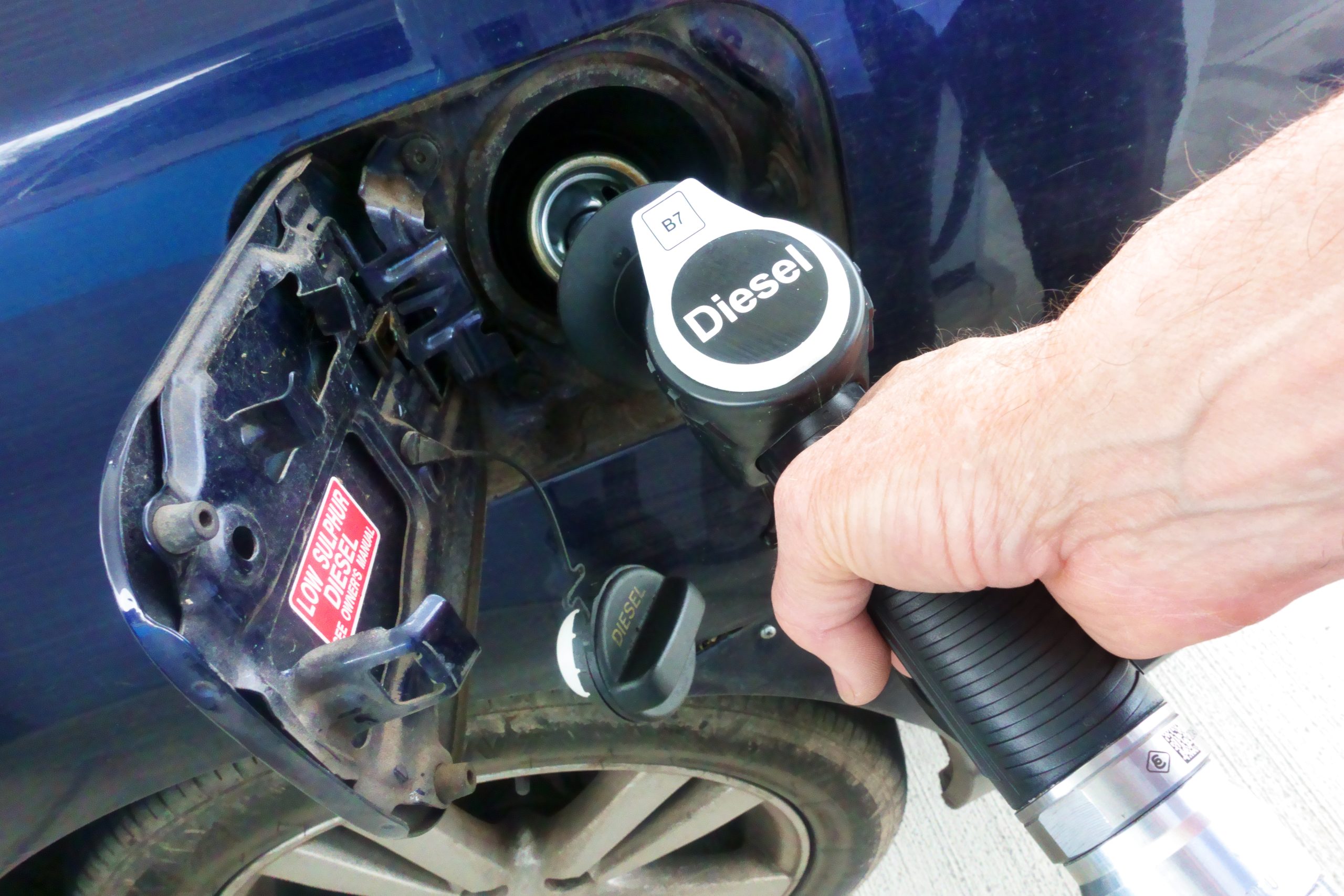
Diesel Hits $8.50 a Gallon in California as Truckers Warn Grocery Prices Will Follow
Kia Prices 2027 Sorento PHEV from $53,890 with Simplified Trim Lineup
Trending on Motoring Chronicle

Porsche announces three new 911 model variants with all-wheel drive and 473 hp [Photo Gallery]

Legal Challenges Could Freeze Some Car Finance Payouts as Final Deadline Passes
Why Seaside Towns Are Banning Motorhomes and Campervans Ahead of Summer

No Driveway, No Problem. The Government Will Now Pay Up To £500 To Help You Charge An EV At Home
