
What Police Do When a Stranger Parks on Your Drive (and Who Fines Them)


- Police forces treat a stranger on your private driveway as a civil dispute, and the Metropolitan Police says it is “not something we can help you with”, in advice the Express reproduced.
- A car across a dropped kerb is a different matter: where the council runs Civil Parking Enforcement, blocking the kerb is an offence the council deals with.
- Gates, barriers or fencing are the fix the police call “far more practical” than using the law.
Your Drive Is Your Problem Until Someone Blocks the Kerb
Two cars can sit in almost the same spot and land in two different legal categories. A stranger who pulls onto your private driveway has committed trespass. A stranger who parks across the lowered kerb at the end of it has blocked the way in, and that sits with the council. Which phone number you ring depends on which of those has happened.
The Metropolitan Police puts the first case plainly: “If someone parks their vehicle on your driveway without your permission, this is trespassing. This is a civil dispute and not something we can help you with.” The second case works differently. Under Civil Parking Enforcement, known as CPE, most councils now enforce parking rules. The Highway Code describes the arrangement as Decriminalised Parking Enforcement, where “the local traffic authority assumes responsibility for enforcing many parking contraventions in place of the police.”
For a driver, the practical result is simple. On your own land you enforce your own rights. On the public road at the foot of your drive, the council usually does it for you.
What the Police Say About a Stranger on Private Land
A resident put the question to the Ask The Police service, which police forces run. The answer splits by who owns the ground. Tenants are told to speak to the landlord or the council “with a view to them taking action.” Owners are pointed to a private parking company that can issue parking tickets.
The same answer then takes the shine off that route. Using the law against unauthorised vehicles on private land, the police say, “can be both time-consuming and expensive”. The advice instead is to “take steps to restrict access using gates/barriers/fencing, etc.” A physical barrier stops the problem before a single form is filled in.
Anyone who goes down the private parking firm route faces a changing rulebook. The government’s draft Private Parking Code of Practice was laid in Parliament on 20 October 2026 and sets national minimum standards for private parking operators across England, Scotland and Wales. It now faces 40 days of Parliamentary scrutiny before it can be issued, and it comes into force 21 calendar days after issue. The Parking (Code of Practice) Act 2019 placed the duty on the government to write it. What the draft means for car parks, including a ten-minute parking grace period, is set out on this site. GOV.UK keeps private company tickets in a separate category from council ones, so the appeal routes differ too.
Damage is the exception to the civil rule. The police answer says damaged gates, barriers or fencing open up action against those responsible for “the offence of criminal damage”. The Metropolitan Police adds that for repeat cases with the same driver or vehicle, Citizens Advice or a solicitor is the next call, but it recommends “a polite word with the driver” first, in case of a simple misunderstanding.
Who Fines a Blocked Dropped Kerb
Highway Code Rule 243 lists places where drivers must not stop or park. Two items on the list apply to every driveway: “where the kerb has been lowered to help wheelchair users and powered mobility vehicles” and “in front of an entrance to a property”.
Those powers come with CPE. The police answer says it directly: “Under CPE, it’s an offence to park a vehicle that blocks a dropped kerb driveway.” Most areas now have it. Whether yours does can be checked on the GOV.UK website.
If the council has CPE, you report the blocking vehicle to the council and not the police. If it has not, the police are the contact, with a catch: “How it’s dealt with can vary depending on the force and council area.” In some places officers attend only when you are blocked in and cannot get out.
One council shows what the process looks like. Bournemouth, Christchurch and Poole Council tells residents to call its parking team with their name, address, telephone number and the details of the vehicle. A civil enforcement officer is then sent to visit. The council defines blocking as front or rear wheels covering any part of the dropped kerb, including the sloped section. It also lists cases it does not treat as blocking: a designated parking bay, a delivery of up to 20 minutes, emergency services, certain building or maintenance works, and a vehicle left outside a home with the owner’s permission, which excludes shared driveways such as flats.
The council also warns residents not to take action themselves against the vehicle: any damage to it can result in criminal prosecution.
What a Council Ticket Costs
The same council says parking in front of a dropped kerb can bring a penalty charge notice (PCN) of £70. That is one council’s level, and others set their own. The GOV.UK rules for a PCN apply to the vehicle owner who receives one: usually 28 days to pay, with the fine reduced in some cases if paid within 14 days.
Miss the 28 days and a charge certificate follows. The owner then has 14 days to pay the original fine plus 50 percent more. On a 70 pound PCN, 50 percent is 35 pounds, so a 70 pound PCN left unpaid would rise to 105 pounds. Ignore the certificate for 14 days and GOV.UK says a court order demanding payment follows.
BCP Council also offers an access protection marking, a line painted across the dropped kerb to highlight the access. It is a council service, so ask yours whether it offers one and what it charges.
What to Do, Step by Step
Follow this order, which comes from the police advice.
First, ask the people next door whether anyone knows whose car it is. The Ask The Police answer says to do this “so the owner can be asked to move it”.
Second, work out which case you have. A car on your own drive is trespass: ask politely, and use a gate or barrier next time. A car across the lowered kerb is a council matter where CPE applies.
Third, report it to the council with the vehicle details. BCP Council asks for your name, address, telephone number and the car’s details, and other councils will want similar facts. Take the registration number before you ring.
Fourth, ring the police only where the council has no CPE, or where you are blocked in and cannot leave. Do not touch the car yourself.
Fifth, for the same driver again and again, the Metropolitan Police points to Citizens Advice or a solicitor.
A parked car that blocks the pavement outside your drive is a related problem. Highway Code Rule 244 says drivers must not park partially or wholly on the pavement in London or Scotland, and should not elsewhere unless signs permit it. The Department for Transport has told Parliament it plans legislation in January 2027 so councils can ticket pavement parking, as set out in the January 2027 pavement parking ticket plan.
Parking Outside Your House and Rule 201
The space outside a house is not reserved for the house. The Metropolitan Police says: “anyone is allowed to park in it.” The statement covers a space on a public road that is free, even directly outside your home. The force adds: “We appreciate this can be frustrating, especially if spaces are hard to come by on your street.” The line is the lowered kerb. Park across that, and the council can fine.
Your own habits shape your risk as well. Highway Code Rule 201 says: “When using a driveway, reverse in and drive out if you can.” Rule 202 sets out the checks for any reverse: use all mirrors, check the blind spot, and look for pedestrians, cyclists, other road users and obstructions behind the car.
Anyone fined in this dispute, whether as the parked driver or the resident accused of it, has the right to challenge a council ticket, and our guide on how to appeal a parking fine covers the steps. For the household that wants strangers off its drive, the police advice is consistent: a gate, a barrier or fencing does the work no officer will do for you.
Want more car content? Add us as a preferred source on Google to your favourites list for the best automotive news and analysis on the internet.
If you enjoyed this article, be sure to follow us on Microsoft Start.

Leave a Comment
More in News
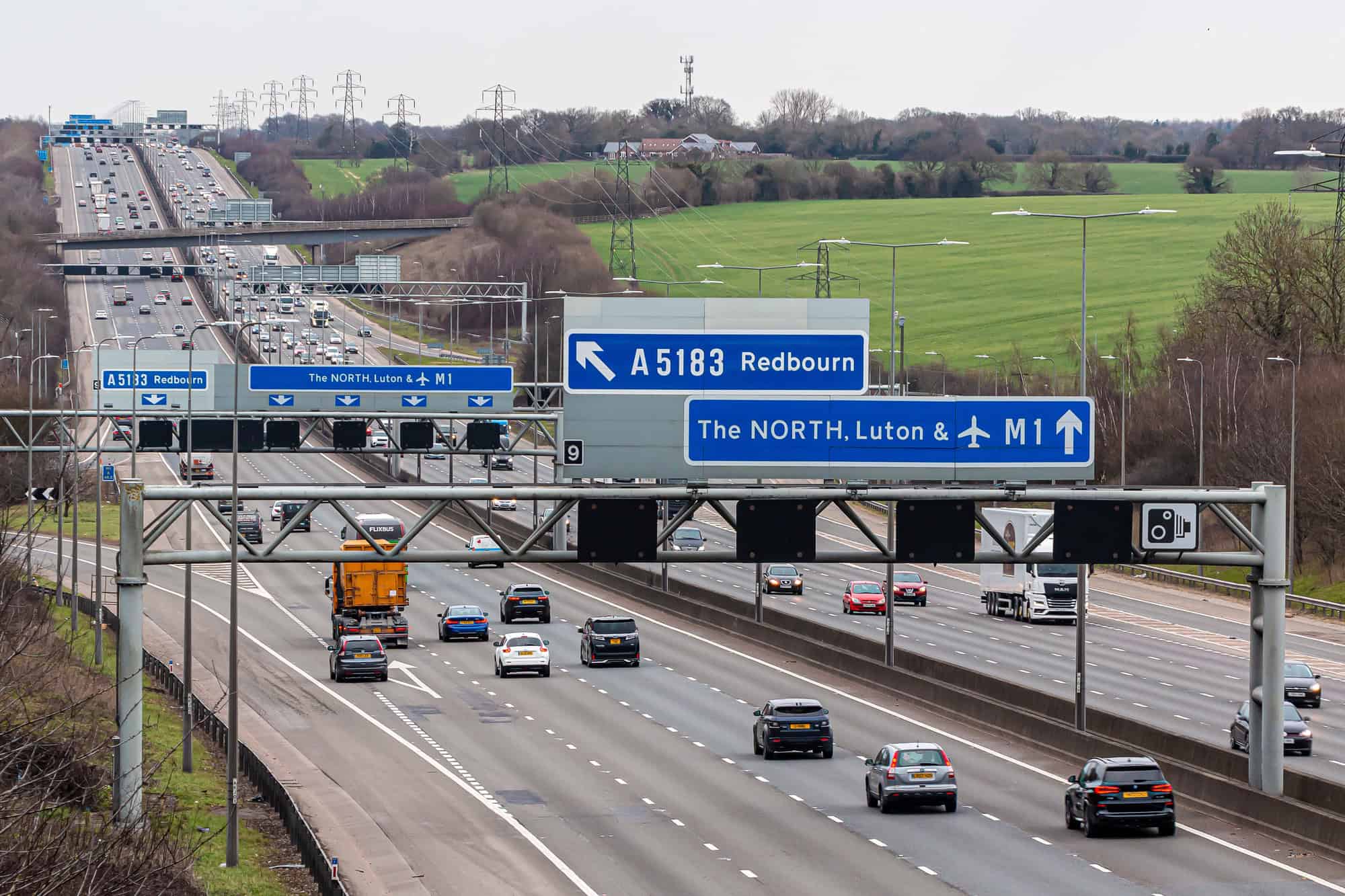
Every Driver Holding a Phone for Directions Risks 6 Points and a £200 Fine
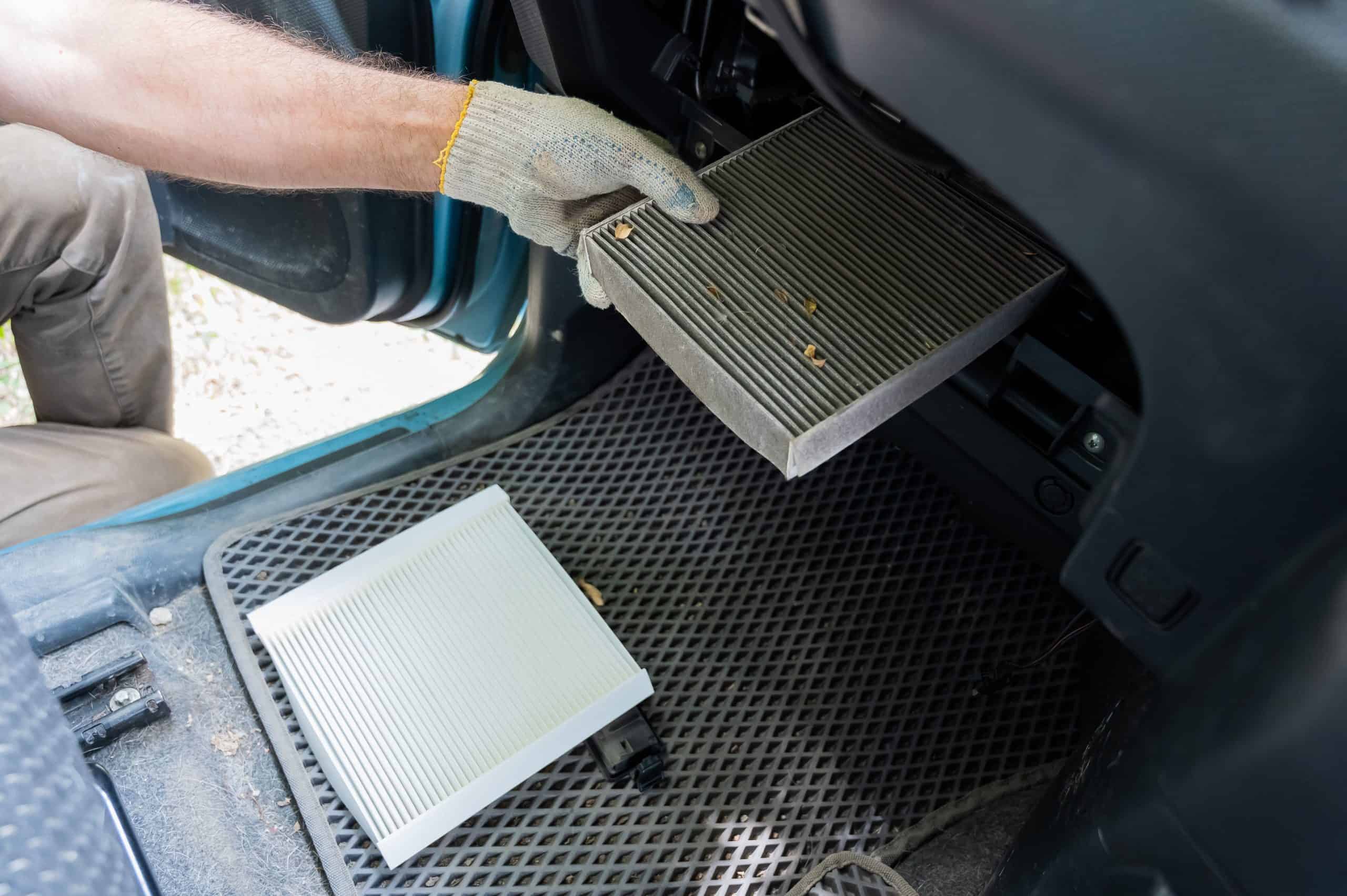
How to Fix a Weak Car Heater Fan (Check the Fuse First)

Bexar County Drivers Must Now Pass an $18.50 Emissions Test Before Renewing Registration

2027 Nissan Rogue Hybrid Reaches Dealers This Week With an EPA-Estimated 38 MPG Combined
Indiana’s 60 Cent Gas Tax Break Ends Wednesday Unless the Governor Extends It Again
Trending on Motoring Chronicle

Ferrari Unveils 849 Testarossa Spider

2027 Subaru Uncharted Holds at $34,995 With Up to 338 Horsepower and 308-Mile Range

Why Every Used Car Buyer Should Check Which Models Cost £44,401 to Repair

How to Claim for Pothole Damage as Britain’s Repair Backlog Hits £18.6 Billion
