
How Connecticut’s Left Lane Law Could Cost You $142 Starting in October

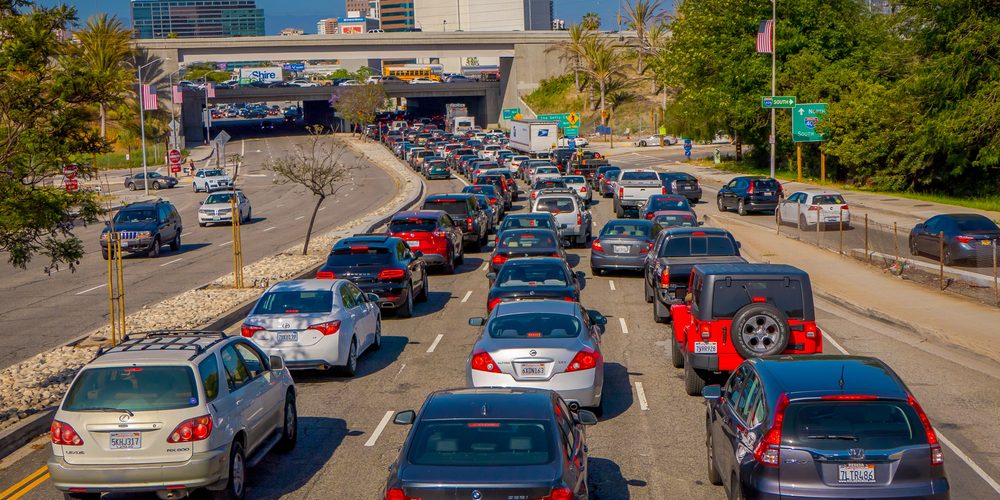
- Connecticut moves into a tougher enforcement phase of its left lane law on October 1, ticketing drivers who linger in the passing lane without actively overtaking another vehicle.
- A first offense costs $88, and the total reaches $142 once the state adds administrative fees and court surcharges.
- The Connecticut Department of Transportation launched its “Pass Left, Drive Right” campaign in November 2025 to warn drivers before officers start writing tickets in force.
A New Reason Troopers Will Pull You Over
Starting October 1, Connecticut state troopers and local police gain a fresh reason to pull drivers over that has nothing to do with speed. The state’s left lane law moves into a stronger enforcement phase aimed at a habit nearly every Connecticut commuter recognizes: the car camped in the passing lane at the speed limit while a line of traffic stacks up behind it.
The Connecticut Office of Highway Safety confirms the rule change directly on its website. Drivers must stay in the right or middle lanes on divided highways and turnpikes unless they are overtaking slower traffic, moving over to let a vehicle merge, or preparing for a left-side exit. Sit in the left lane at the flow of traffic without passing anyone, and an officer now has grounds to stop you.
What Counts as a Violation
Connecticut’s left lane statute, Section 14-230a, has technically existed for years, but the state is now sharpening how it gets enforced. A driver breaks the law by remaining in the left lane after passing a vehicle instead of merging back right, by using the left lane to travel at or below the speed of traffic in other lanes, or by blocking a faster vehicle that wants to pass. Officers retain discretion, so a driver briefly boxed in by traffic or moving left to avoid a hazard on the shoulder won’t automatically get flagged.
The law carries a built-in exception tied to Connecticut’s Move Over law. When an emergency vehicle is stopped on or near the road, drivers can use the left lane temporarily to create distance, then return right once it’s safe. Passing on the right remains illegal under a separate provision, so drivers annoyed by a left-lane straggler cannot legally swing around on the right shoulder side to get past them.
Why Connecticut Decided to Crack Down
State officials describe the target behavior as “left-lane camping,” where a driver treats the passing lane as a permanent cruising lane rather than a temporary one. The Office of Highway Safety says the habit creates bottlenecks, forces sudden braking, and pushes frustrated drivers into unsafe passing maneuvers on the right, a combination that raises the odds of rear-end collisions, sideswipes, and road rage incidents.
Connecticut isn’t alone in treating left-lane camping as a public safety issue rather than a minor annoyance. Georgia, Florida, Virginia, and several other states enforce similar “keep right except to pass” rules, and traffic engineers generally point to the same reasoning: a highway moves the most vehicles safely when the left lane stays open for overtaking rather than functioning as a second cruising lane. Connecticut’s approach adds a specific dollar figure to that argument, giving drivers a direct financial reason to change habits that safety campaigns alone haven’t fixed.
What a Ticket Actually Costs
The base fine for a first violation is $88. Once the state layers on administrative costs and surcharges, drivers can end up paying as much as $142 for a single stop. Connecticut has not published a formal schedule for repeat offenses, but attorneys who track the law note that points and insurance consequences typically follow a pattern common to other moving violations: a clean record helps the first time, and a second citation within a short window tends to draw closer scrutiny from both police and insurers.
A citation can also matter well beyond the fine itself. Personal injury attorneys in the state point out that if a driver’s left-lane violation contributes to a crash, forcing another vehicle to brake hard or pass unsafely on the right, the citation can become evidence in a subsequent injury claim. A minor annoyance ticket, in other words, can turn into a liability finding if it played a role in causing a collision.
The State Spent a Year Warning Drivers First
Connecticut didn’t spring the enforcement change on drivers without notice. The Office of Highway Safety launched “Pass Left, Drive Right” in November 2025, running television and social spots that use everyday Connecticut spokespeople to hammer home a simple message: the left lane is for passing, not parking. New signage reading “Left Lane for Passing Only” has gone up along stretches of highway ahead of the October enforcement date, giving drivers a visual cue in addition to the public awareness push.
The rollout follows a broader pattern in Connecticut traffic enforcement this year. Middletown became the state’s first city to adopt automated speed cameras, part of a wider trend of Connecticut leaning on both technology and updated statutes to change driver behavior on its highways rather than relying solely on trooper patrols, which are limited by staffing.
How This Compares Nationally
Connecticut’s version of the law is distinctive mainly for what happens after the traffic stop. Georgia’s left lane law, known locally as the “slowpoke” statute, carries a fine of up to $1,000 plus three points on the license for impeding traffic in the passing lane. Florida’s version runs cheaper on paper, with citations starting around $75 and climbing past $160 once court costs get added, alongside three license points. Connecticut’s $88 base fine sits between those two states, but the decision to pair it with a dedicated ad campaign and new highway signage makes the rollout unusually visible compared with how quietly some other states enforce similar statutes.
Insurance points add another layer most drivers overlook. A left-lane citation in Connecticut typically counts as a minor moving violation, which can add points to a license and nudge insurance premiums upward at the next renewal, even without a crash involved. Drivers who already carry points from a prior violation face the added risk that a left-lane ticket pushes them into a higher-risk category with their insurer, turning an $88 fine into a multi-year premium increase that costs considerably more than the ticket itself.
What To Do Before October 1
Drivers who commute on I-84, I-91, or I-95 have a few weeks to adjust habits before tickets start landing. Use the left lane only to pass, then merge back right as soon as it’s safe. Watch for the new “Left Lane for Passing Only” signage now appearing on major routes. If you’re traveling at or below the speed of surrounding traffic, move to the center or right lane rather than holding your position on the left. And if you find yourself stuck behind a slower driver who hasn’t gotten the message yet, don’t tailgate: back off, wait for them to move, then pass safely once the lane clears.
Fleet operators and rideshare drivers who log heavy highway mileage in Connecticut face the most exposure simply from how much time they spend on divided highways. Companies that run Connecticut routes should brief drivers on the rule change directly rather than assume general traffic law knowledge covers it. The specific $142 total cost and October 1 enforcement date are new enough that many drivers haven’t heard of either yet.
Sources:

Leave a Comment
More in News

Why Catalytic Converter Thefts Are Surging Again in Southern California

Full-Coverage Car Insurance Rates Are Set to Climb in 32 States This Year

Maryland Drivers With Out-of-State Plates Face $420 Fines Starting October 1

California Tesla Owners Have Until September 25 to Claim a Supercharger Refund

Why Maine EV Buyers Have Until September 30 to Claim an Extra $1,000
Trending on Motoring Chronicle

2026 Subaru WRX brings back the affordable rally-inspired sports sedan

What the Two Hour Parking Limit at Motorway Services Could Cost You This Summer

Marc Philipp Gemballa introduces the MARSIEN GT [Photo Gallery]

How to Keep Your Teen Driver Safe During Summer’s 100 Deadliest Days
