
What Is a Tire Rim?
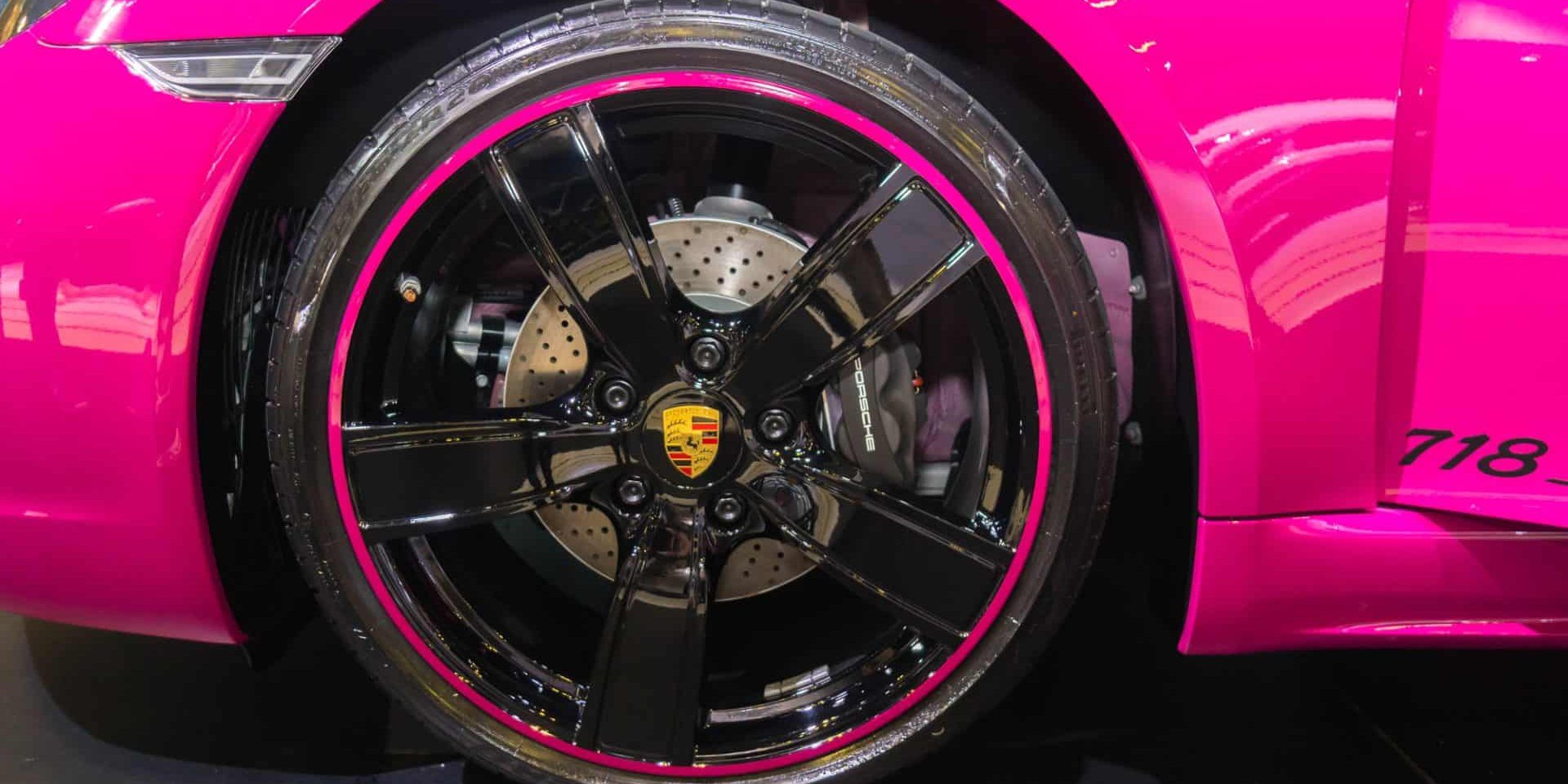
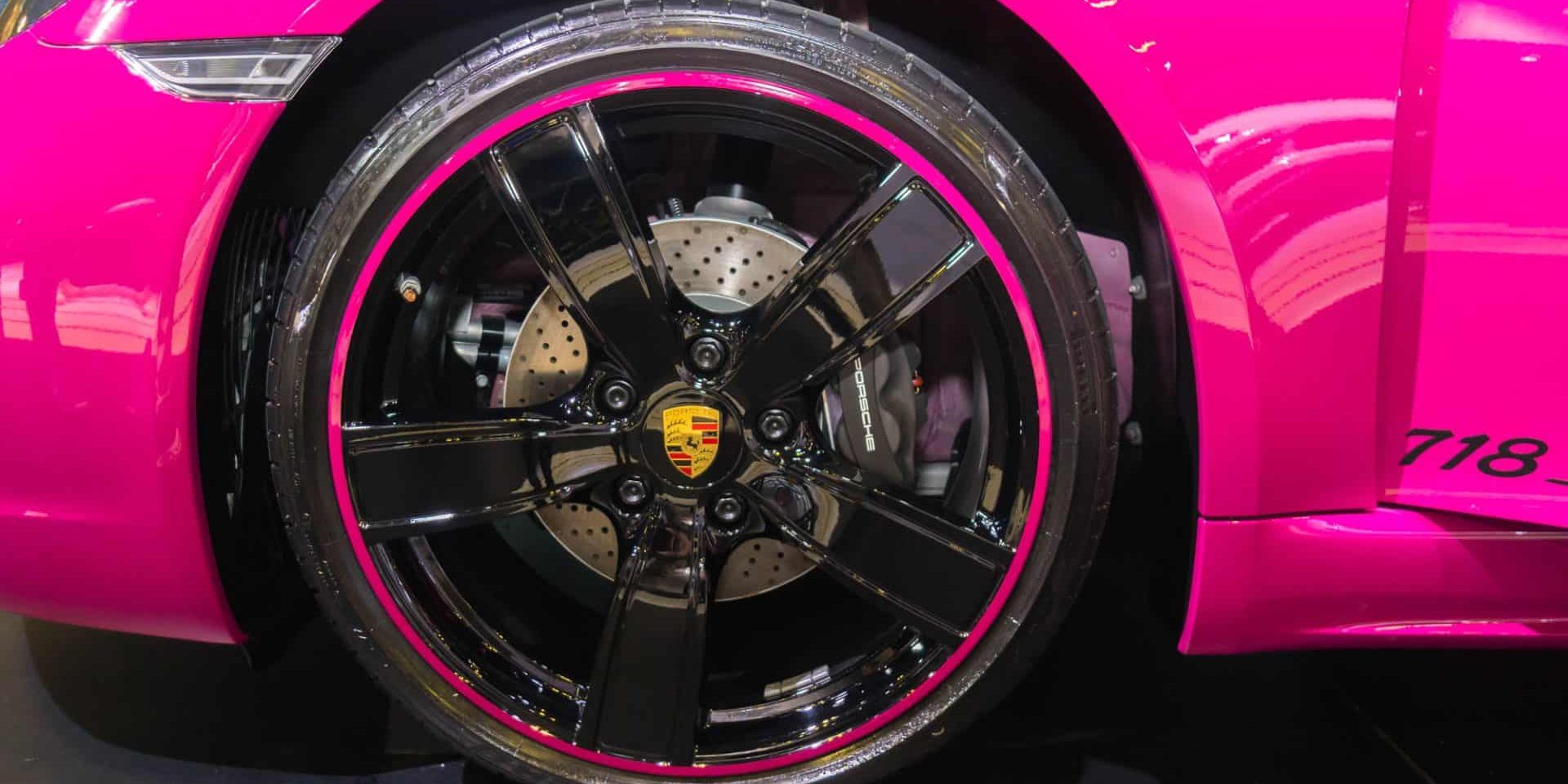
A tire rim is the outer edge of a metal wheel where the tire sits. It is the raised lip that runs around the circumference of the wheel on both sides, forming the ledge that holds the tire bead in place and creates an airtight seal when the tire is inflated. The rim is not the entire wheel. It is one part of the wheel assembly, which also includes the barrel, the spokes or disc face, the centre bore, and the mounting surface. In everyday conversation, “rims” and “wheels” are used interchangeably, but they are technically different components.
Rim vs Wheel: What Is the Difference
The wheel is the complete metal structure that bolts to the hub of the vehicle. It includes the centre disc (the flat or concave section with bolt holes), the spokes or solid face that connect the centre to the outer ring, and the rim itself at the outer edge. The rim is the perimeter of that structure. When a tyre fitter talks about a “17-inch rim,” the measurement refers to the diameter of the rim from one bead seat to the other, measured across the inside of the wheel. When someone at a car meet says “nice rims,” they mean the entire wheel.
The distinction is worth knowing when ordering parts. Searching for “rims” at a tyre shop or online retailer returns complete wheels, not just the outer edge. If a wheel is kerbed or buckled, the damage is usually to the rim section, and repair quotes will specify rim repair or rim straightening rather than wheel replacement if the rest of the structure is sound.
Parts of a Wheel and Where the Rim Fits
A standard car wheel has several distinct sections. The centre bore is the large hole in the middle that fits over the hub on the axle. The bolt holes (four, five, or six on most passenger cars) accept the wheel nuts or bolts that secure the wheel to the hub. The centre disc or face is the visible section that carries the spokes or solid design. The barrel is the cylindrical drum that connects the inner and outer rim flanges. The bead seats are the flat ledges on the inner and outer edges of the barrel where the tyre bead rests. The rim flanges are the raised lips at the very outside edges that stop the tyre from sliding off the bead seat.
When the tyre is inflated, air pressure pushes the rubber bead outward against the bead seat and up into the rim flange, locking the tyre onto the wheel. A bent or corroded rim flange breaks that seal, which is why rim damage is one of the most common causes of a slow puncture that loses pressure overnight. If a tyre keeps losing air and no nail or screw is visible, the rim is the next place to check.
Types of Rim Material
Steel Rims
Steel rims are pressed and welded from sheet steel. They are heavy, plain in appearance, and extremely durable. Most base-spec vehicles leave the factory on steel rims with plastic wheel trims clipped over the top for cosmetic purposes. A single steel rim costs $50 to $120 (£40 to £95). A set of four runs $200 to $480 (£160 to £380). Steel rims are the default choice for winter tyre sets in both the UK and northern US states, where road salt, potholes, and kerb strikes during icy conditions would damage a more expensive alloy.
Cast Alloy Rims
Cast alloy rims are made by pouring molten aluminium into a mould, then machining the surface to the final specification. They are lighter than steel, improve fuel economy marginally, allow better brake cooling, and come in a wide range of designs. Most mid-range and higher-trim vehicles are fitted with cast alloys from the factory. A single cast alloy rim costs $80 to $250 (£65 to £200). A set of four costs $320 to $1,000 (£260 to £800). Cast alloys are more susceptible to kerb damage and cracking on impact than steel, but they can be repaired by a specialist wheel refurbisher for $75 to $150 (£60 to £120) per wheel in most cases.
Forged Alloy Rims
Forged rims are machined from a solid billet of aluminium that has been compressed under extreme pressure. The forging process aligns the grain structure of the metal, producing a rim that is both lighter and stronger than a cast equivalent of the same size. Forged rims start at around $250 (£200) each and can exceed $600 (£480) for performance and luxury fitments. A set of four runs $1,000 to $2,400 (£800 to £1,900). They are standard on high-performance models from Porsche, Ferrari, and McLaren, and are a popular aftermarket upgrade for track-focused road cars.
How Rim Width Affects Tyre Fitment
Rim width is the measurement across the inside of the rim from one bead seat to the other, expressed in inches. A wheel described as 17×7.5 has a 17-inch diameter and a 7.5-inch width. Every tyre has a recommended rim width range specified by the manufacturer. A 225/45R17 tyre, for example, is typically approved for rims between 7.0 and 8.5 inches wide, with 7.5 to 8.0 inches considered the ideal range for that section width.
Mounting a tyre on a rim within the approved range changes the tyre’s contact patch and sidewall profile slightly. A wider rim within the approved range spreads the tread flatter against the road, which can improve dry grip and steering response. A narrower rim within the range rounds the tread profile, which improves ride comfort and wet-weather performance at the expense of outright cornering sharpness.
What Happens if a Tyre Is Too Wide for the Rim
Fitting a tyre that is too wide for the rim creates a mismatch between the tyre’s sidewall geometry and the rim’s bead seat width. The sidewalls balloon outward instead of sitting at the correct angle, which reduces cornering stability and allows the tyre to flex excessively under lateral load. In hard cornering, the tyre can roll over onto its sidewall rather than maintaining a flat contact patch, which reduces grip at the point where grip is most needed.
The bead seal is also compromised. On an underwidth rim, air pressure pushes the tyre bead upward rather than outward against the rim flange. The result is a weaker seal that is more likely to lose pressure gradually or, in extreme cases, lose the bead entirely under hard cornering or impact. Tyre wear becomes uneven as well: the centre of the tread carries a disproportionate share of the load, wearing faster than the shoulders and reducing tyre life.
The reverse problem, a tyre that is too narrow for the rim, is equally problematic. The sidewalls are stretched taut, the tread is pulled flat past its designed profile, and the tyre is more vulnerable to sidewall damage from alignment issues and road imperfections. Running either combination outside the manufacturer’s approved rim width range voids the tyre warranty and introduces handling characteristics that the vehicle’s stability systems were not calibrated to manage.
How to Read Tyre and Rim Sizes
A tyre marked 225/45R17 breaks down as follows. The 225 is the section width in millimetres, measured from sidewall to sidewall when mounted on the recommended rim width. The 45 is the aspect ratio, meaning the sidewall height is 45 per cent of the section width (in this case, approximately 101mm). The R indicates radial construction, which is standard on all modern passenger car tyres. The 17 is the rim diameter in inches.
A wheel marked 17×7.5J ET45 5×112 breaks down differently. The 17 is the rim diameter in inches. The 7.5 is the rim width in inches. The J describes the rim flange profile (J-type is standard on passenger cars). ET45 is the offset in millimetres, measuring how far the mounting face sits from the centreline of the wheel. 5×112 is the bolt pattern: five bolts on a 112mm pitch circle diameter. Getting any of these measurements wrong when ordering replacement wheels means the wheel either will not fit the vehicle or will not accept the correct tyre size.
When to Replace a Rim
A rim that is bent, cracked, or severely corroded needs attention. Minor kerb damage, the scuffed or chipped outer edge that most urban drivers accumulate within the first year, is cosmetic and can be repaired by a mobile wheel refurbisher or a specialist alloy wheel repair shop. A bent rim that causes a vibration at speed or a slow air leak needs straightening on a hydraulic press, which costs $75 to $150 (£60 to £120) per wheel at most repair shops.
A cracked rim cannot be safely repaired and must be replaced. Cracks propagate under load and heat cycling, and a welded repair on a structural crack is a temporary fix that most tyre fitters will refuse to mount a tyre onto. Severe corrosion around the bead seat area, common on older alloy wheels exposed to road salt over several winters, erodes the sealing surface and causes persistent slow leaks that no amount of bead sealant will permanently resolve. At that point, the wheel needs replacing.
Replacement rims from vehicle breakers and salvage yards cost significantly less than new. A used OEM alloy in good condition typically costs $100 to $200 (£80 to £160) for mainstream vehicles. A full set of new aftermarket alloys in popular sizes (16 to 18 inch) starts at around $400 to $600 (£320 to £480) for a set of four from brands like Wolfrace in the UK or Motegi Racing in the US. New OEM replacements from a franchised dealer cost more, often $200 to $400 (£160 to £320) per wheel.
Rim Care and Maintenance
Alloy rims corrode and pit when brake dust is left on the surface. Brake dust contains iron particles from the brake pads and rotor that bond to the clear coat and, over time, etch into the alloy itself. Washing wheels regularly with a dedicated wheel cleaner and a soft brush prevents this buildup. A standard pH-neutral car shampoo works for routine washes. Aggressive acid-based wheel cleaners strip the clear coat if used too frequently and should be reserved for heavy contamination only.
Ceramic wheel sealants and wheel-specific waxes create a barrier that makes brake dust easier to rinse off between full washes. Applying a sealant twice a year, typically at the same time as a full paint protection treatment, keeps alloy wheels looking presentable and protects the finish from salt corrosion over winter. Checking rim condition when inspecting tyres for wear catches kerb damage, cracks, and corrosion before they become safety issues.
Tire Rim FAQs
Are rims and wheels the same thing?
Not technically. The rim is the outer edge of the wheel where the tyre mounts. The wheel is the entire metal assembly including the centre disc, spokes, barrel, and rim. In everyday language, the two terms are used interchangeably, and searching for either one at a parts retailer will return the same products.
Can I put any tyre on any rim?
No. Every tyre has an approved rim width range. The tyre diameter (e.g., R17) must match the rim diameter exactly, and the tyre section width must fall within the manufacturer’s recommended rim width range. A 225-width tyre on a 17-inch wheel fits rims between 7.0 and 8.5 inches wide on most brands. Fitting outside this range affects handling, wear, and safety.
How do I know my rim size?
The rim size is stamped or cast into the inside of the wheel, usually on the back of a spoke or on the inner barrel. It reads something like 17×7.5J ET45. The first number is the diameter, the second is the width. The vehicle owner’s manual also lists the factory rim specification. If the original markings are worn, any tyre shop can measure the rim on a wheel balancing machine.
Sources

Leave a Comment
More in News

DfT Floats Random Breath Tests and a Cut to the 80mg Drink Drive Limit

She Took A 90s BMW Through 18 Countries. Then A Commenter Told Her Never To Leave The Motorway In Slovakia

Do Starter Motors Fail Suddenly? Usually Not, and the Warning Gets Missed

What a Speed Awareness Course Actually Costs (and Who Gets Offered One)
What Makes a Number Plate Illegal in the UK (and the £1,000 Fine)
Trending on Motoring Chronicle

London EV Drivers Now Pay Up to £3,510 a Year for the Congestion Charge

What Is The Optimal Speed For Fuel Economy?

A Four Door Electric Porsche Has Just Lapped The Nurburgring In 6:55

Remote control: Dacia Duster tackles pioneering expedition to Scotland’s secluded shoreline
