NHTSA Gives Tesla Until August 12 to Hand Over a Document Called Radar Saves Us


Federal safety regulators want Tesla to hand over an internal document with a name that sounds like it was written specifically to embarrass the company: “Radar Saves Us.” The National Highway Traffic Safety Administration has given Tesla until August 12 to turn it over, as part of an investigation covering 3.2 million vehicles that have ever run Full Self-Driving on US roads.
What the Investigation Covers
The document request is buried inside a 24-part information demand NHTSA sent Tesla on July 2. It falls under Engineering Analysis EA26002, an investigation the agency upgraded from a preliminary evaluation back in March, and an Engineering Analysis is the last investigative step before NHTSA either closes a case or moves to force a recall.
The probe centers on nine crashes where FSD was engaged in reduced-visibility conditions, glare, fog, and airborne dust that overwhelmed the camera-based system Tesla relies on entirely. One of the nine crashes killed a person and another caused an injury. In each case, investigators say the common thread is a camera system that could not recognize when it had stopped seeing clearly.
Why NHTSA Wants the ‘Radar Saves Us’ Document
Tesla submitted the “Radar Saves Us” document to NHTSA privately in an earlier phase of the investigation. The agency is now formally pulling it into the public record and demanding everything connected to it: internal communications, technical documentation, test records, and the underlying data. In its letter, NHTSA’s Office of Defects Investigation said the document “appears particularly relevant to related design changes to the degradation detection system and Tesla’s understanding of the limitations imposed by a vision-only” system in the exact reduced-visibility conditions tied to the nine crashes under review.
In plain terms, investigators believe the document could show that Tesla’s own engineers understood, before these crashes happened, that a camera-only system misses hazards that radar would catch. If that turns out to be true, it moves the case from an unfortunate design choice to a defect the manufacturer knew about and shipped anyway, the legal distinction that separates a closed investigation from a forced recall.
Tesla removed forward-facing radar from its vehicles in May 2021, rebranding its perception system “Tesla Vision” and going camera-only. Ultrasonic sensors followed in 2022. Tesla engineers reportedly pushed back on the decision at the time, warning that cameras blinded by rain or sun could contribute to crashes. In private messages Elon Musk sent last year and later made public, Musk conceded that “vision with high-resolution radar would be better than pure vision,” but said no radar sensor precise enough existed when Tesla made the switch, adding that “vision has become so good that radar actually reduces signal/noise.”
Marketing Claims Under the Microscope
The document demand is not the only part of the letter aimed squarely at Tesla’s public statements about FSD. One request lists 15 specific marketing claims from Tesla and from Musk personally, and asks the company to confirm, one by one, whether each “implies a higher level of capability or automation than the system currently has.”
Those claims include Tesla’s statement that “FSD Supervised can drive in whiteout conditions,” a Musk claim that “Tesla FSD can operate in all conditions” made over a video that itself shows the system struggling in fog, rain, and direct sunlight, a “$99 per month robotaxi” promotional post, and videos showing drivers dancing, making espresso, and pushing their seat back out of reach of the steering wheel while FSD was engaged. A separate request targets a 2024 change that switched the in-car “FSD Degraded” warning from red to yellow and removed its audible chime, along with every internal study Tesla used to justify softening that alert.
Tesla faces steep financial consequences if it misses the August 12 deadline or answers incompletely. NHTSA can levy civil penalties of up to $27,874 per day the company remains out of compliance, capped at roughly $139 million total. This is not Tesla’s first extension request in this specific case; the company previously pushed back an earlier data deadline in the related traffic-violation probe to February 23 and then again to March 9, citing the volume of records under review.
How This Fits the Rest of Tesla’s Regulatory History
Tesla has spent years managing NHTSA scrutiny of its driver-assistance software. Autopilot, the older and more limited system, has been the subject of its own crash investigations dating back nearly a decade, including cases where the system failed to recognize stationary emergency vehicles or crossing trucks. FSD, the more advanced and more expensive system Tesla markets as a path toward full autonomy, has drawn a newer wave of scrutiny as more vehicles have gained access to it and as Tesla has pushed the software toward robotaxi-style unsupervised operation in select cities.
The camera-only approach at the center of this investigation is not universal across the industry. Several competitors building advanced driver-assistance systems, including Mercedes-Benz’s conditionally automated highway system and various supervised systems from other automakers, retain radar or lidar sensors alongside cameras specifically to cover the conditions where cameras alone struggle: glare, fog, heavy rain, and dust. Tesla’s decision to go camera-only put the company in a smaller group of automakers betting entirely on vision-based perception, a bet that this investigation could test directly if regulators conclude the approach carries a safety gap Tesla understood in advance.
Whatever NHTSA decides once it reviews the “Radar Saves Us” document and Tesla’s answers to the other 23 requests in the July 2 letter, the case has already become a test of how far an Engineering Analysis can go before regulators either close the book or force a recall on software millions of drivers use every day.
What This Means for FSD Owners
For the roughly 3.2 million owners of vehicles that have run FSD at some point, the investigation does not change anything about how the system operates today. Tesla has not issued a recall and no software restriction has been imposed as a result of this specific probe. The practical guidance from safety researchers has not changed either: drivers using FSD in glare, fog, heavy rain, or blowing dust should treat the system’s ability to see the road as unreliable in those exact conditions and stay ready to take over immediately, regardless of what the dashboard alert says.
Owners who want to track the investigation directly can search Engineering Analysis EA26002 on NHTSA’s public database at nhtsa.gov/search-safety-issues, where the agency posts correspondence and updates as the case moves forward. The database also lists every open complaint tied to the investigation, giving owners a way to see the specific incidents NHTSA is reviewing without relying on secondhand summaries. Tesla’s response, due August 12, will determine whether this becomes one more closed file in a growing list of FSD investigations or the trigger for the agency’s first serious recall push against the software.
The case sits alongside a separate, overlapping NHTSA probe into roughly 2.88 million Tesla vehicles over FSD-related traffic violations, including reports of the software running red lights and driving the wrong way on public roads. Tesla has faced extended deadlines in that investigation too, a sign of how much data the agency is now working through across multiple simultaneous inquiries into the same underlying software.
Sources:

Leave a Comment
More in News
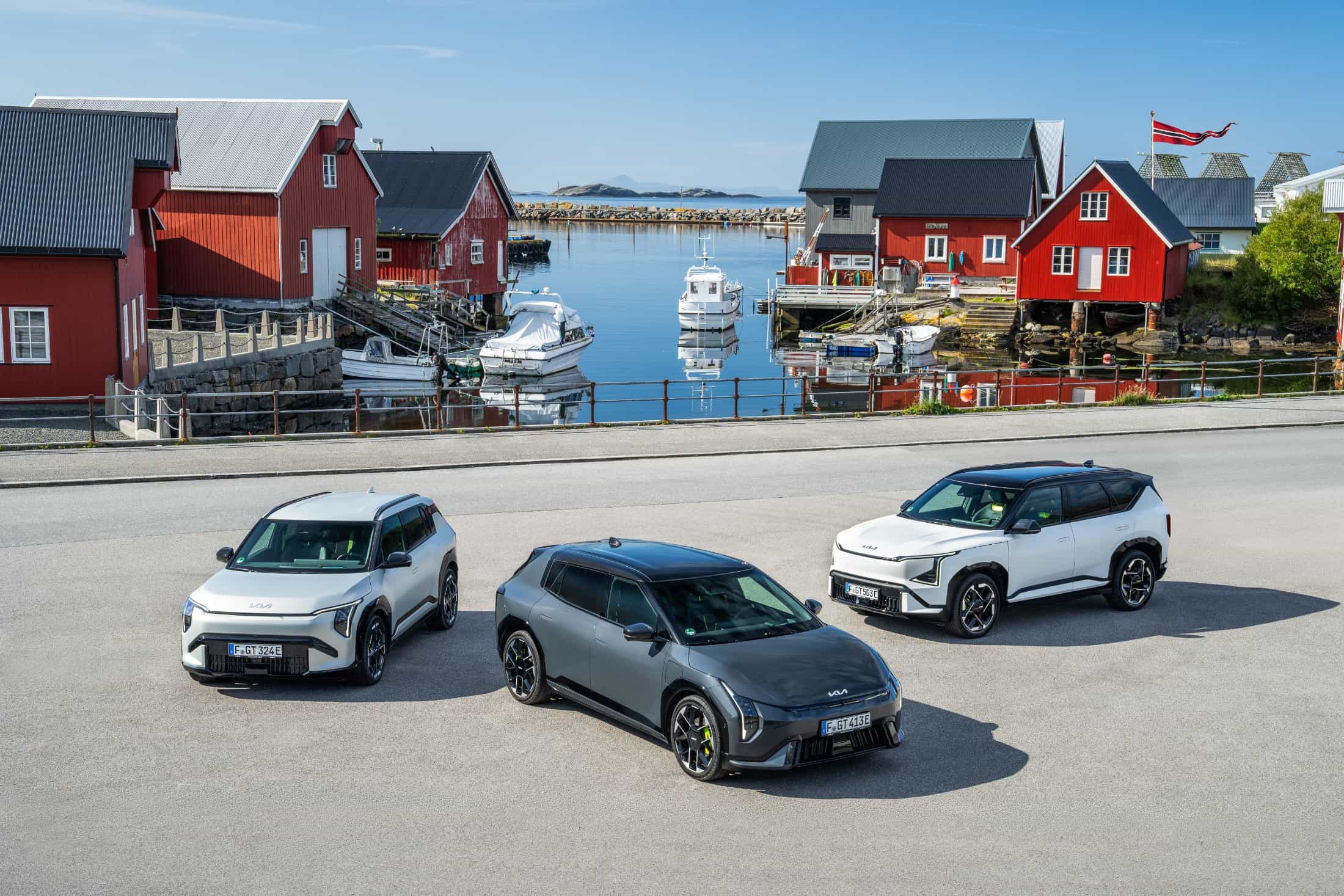
Kia Prices New EV3 GT, EV4 GT and EV5 GT from £48,695 in the UK

Three-Year-Old Cars Lost £195 in August as Diesel Values Keep Falling, Cap HPI Shows

Renault Megane E-Tech Electric Now Priced From £28,245

Suzuki Cuts e-Vitara Price to £24,999 in Range-Wide Savings

MINI Countryman SE Midnight Edition Arrives From £41,645
Trending on Motoring Chronicle
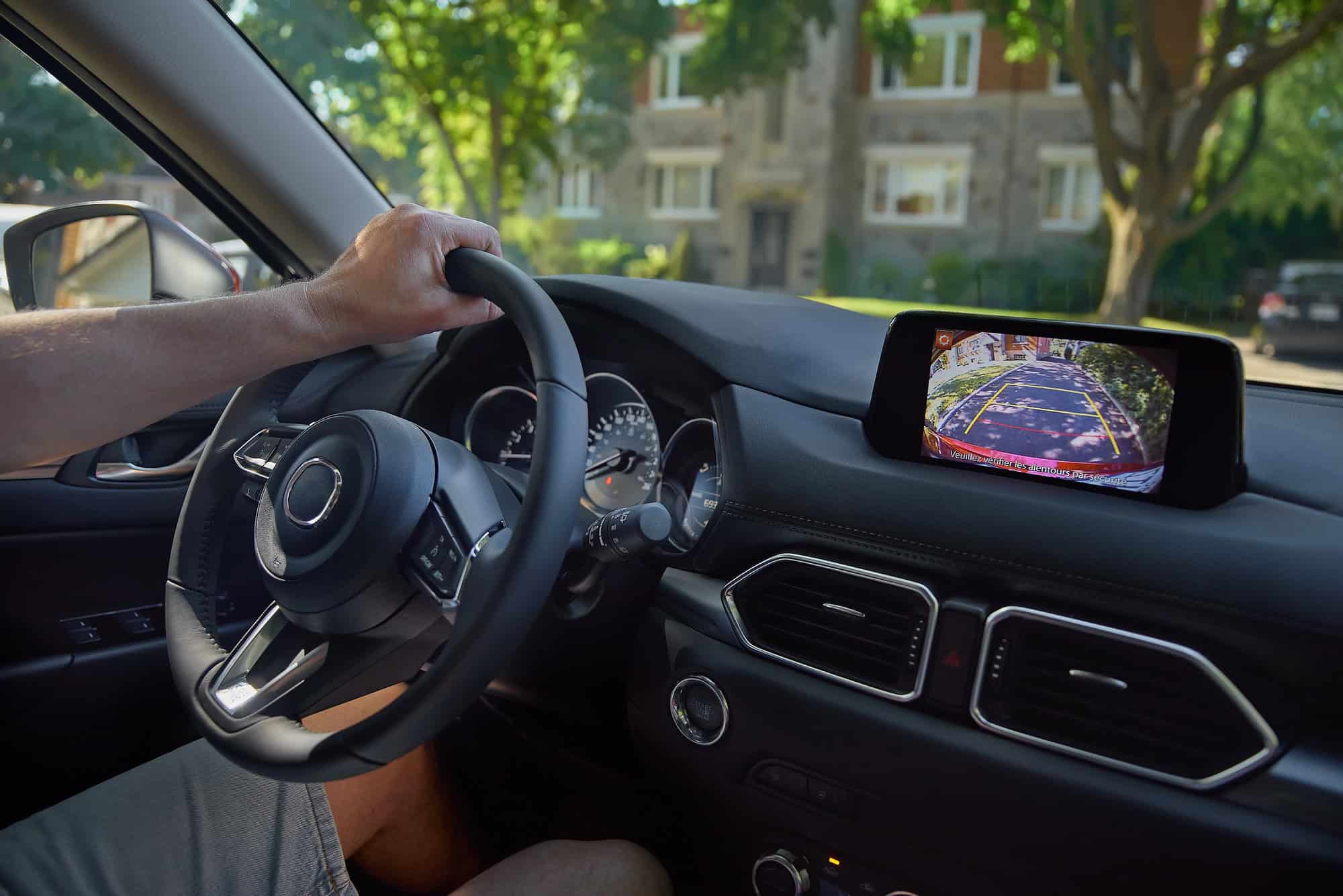
Ford Recalls 47,587 F-150 and F-250 Trucks Over a Rearview Camera Glitch
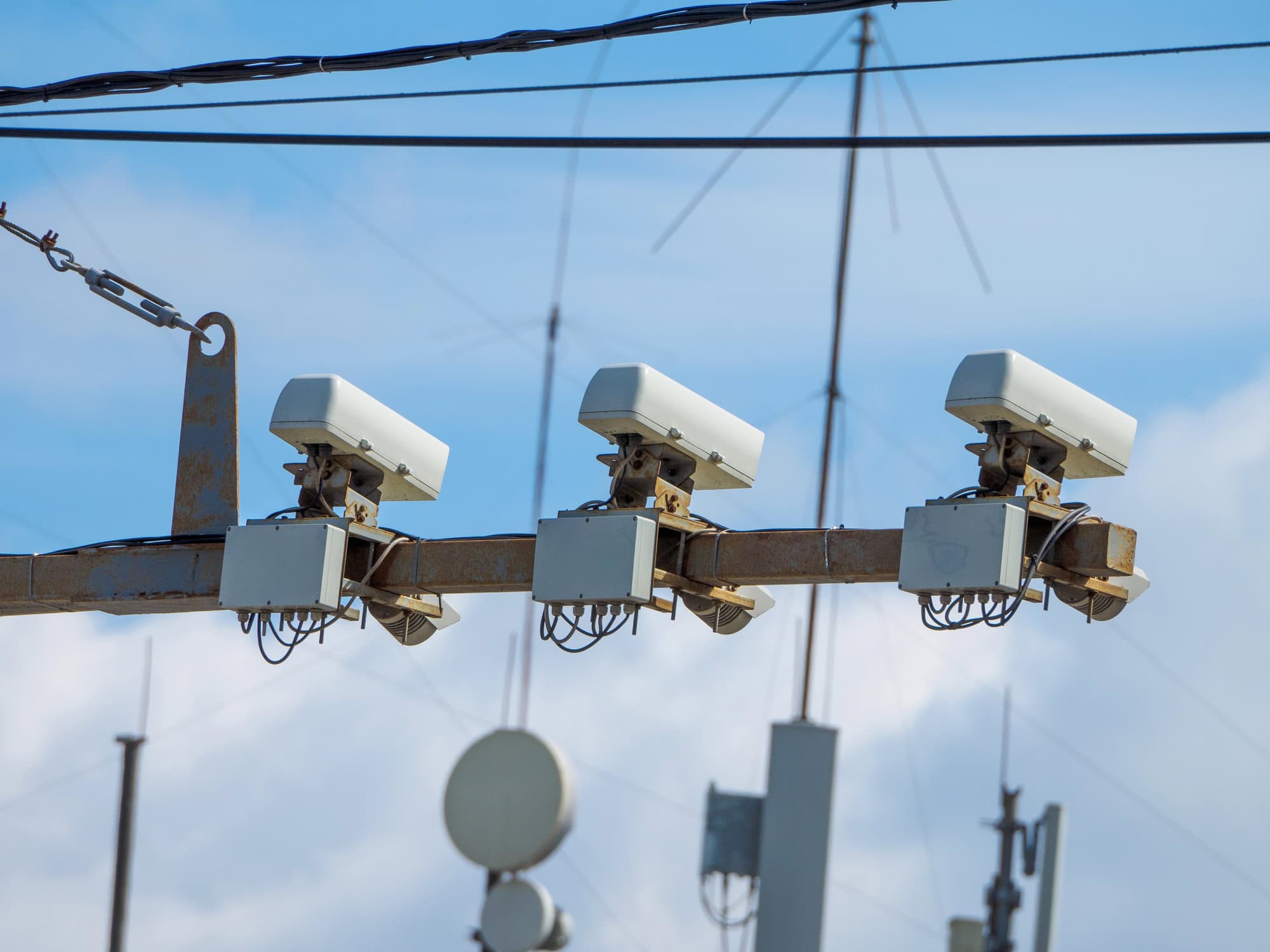
TfL Rolls Out Speed Cameras in Nine London Boroughs That Detector Apps Cannot Find
Travis Pastrana and Bentley launch the most dynamic film in Bentley history – ‘Supersports: FULL SEND’
How New York Is Putting Speed Cameras in Nearly Every Work Zone