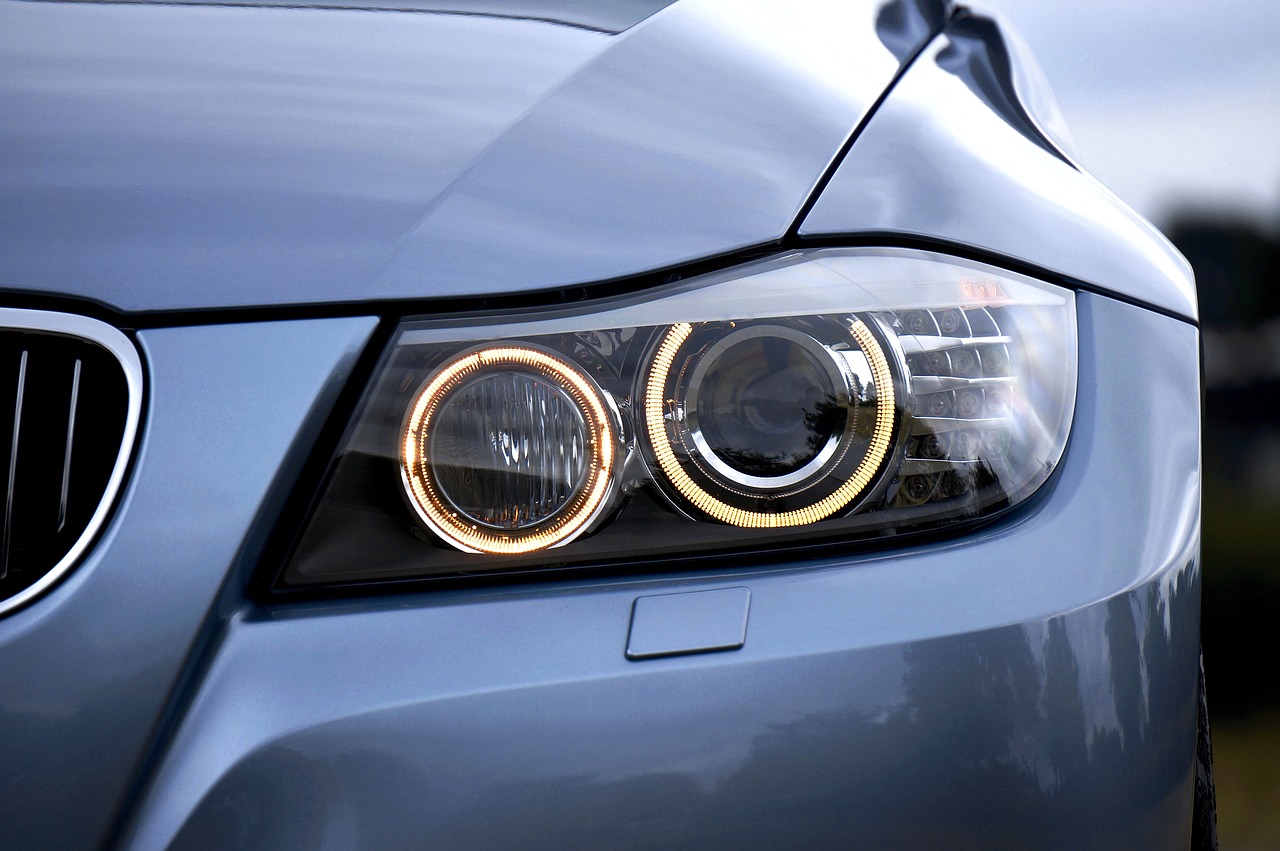
Used Electric Cars Reach Price Parity With Gas Models as Sales Climb 12 Percent


The price wall between used electric cars and used gas cars has almost disappeared. Cox Automotive data shows the average used EV now sells within about $1,300 of a comparable gas vehicle, the closest the two have ever been, and shoppers have noticed. Used EV sales climbed 12 percent year over year in the first quarter of 2026 while new EV sales fell 28 percent.
That split tells the whole story of the American EV market this year. The federal tax credits that propped up new EV purchases, $7,500 for new and $4,000 for used, ended on September 30, 2025, and new sales dropped hard when the props came away. The used market absorbed the shock and kept growing anyway, on the strength of falling prices, a flood of off-lease inventory and gas prices sitting above $4 a gallon nationally.
Recurrent, a research firm that tracks the used EV market, logged a 35 percent jump in used EV sales from 2024 to 2025 and reports that 56 percent of used EV inventory now lists under $30,000, with 39 percent under $25,000. For a buyer whose fuel budget hurts every week, the segment has crossed from expensive curiosity to rational default.
The under-$25,000 shelf has real breadth now. Behind the used Teslas sit volumes of Chevrolet Bolts, Nissan Leafs and Ariyas, Volkswagen ID.4s and Ford Mustang Mach-Es, with 2023 examples of the crossovers arriving steadily as three-year leases mature. Buyers who walked away from the segment in 2022, when a used EV meant an aging Leaf at a silly price, are looking at a different market entirely.
What Your Money Buys on the Used Lot
Dollar for dollar, the used EV is the newer, fresher car. Recurrent’s data shows the average used EV is a year newer and carries nearly 30,000 fewer miles than a used gas car at the same price. Under $20,000 the gap widens: the average EV there is two years newer with 40,000 fewer miles than its gas-price twin.
The inventory is young across the board. About 68 percent of used EVs on the market are 2022 models or newer, which means most still sit inside the federally required battery and powertrain warranty of eight years or 100,000 miles. The average used combustion car changing hands is closer to six and a half years old.
Tesla dominates the shelves, holding about 30 percent of used EV inventory. A used Model 3 averages around $26,756 and a Model Y about $32,712, which puts the two most common EVs in America at family sedan money. Recurrent CEO Scott Case describes the value comparison against a same-price gas car bluntly, calling it “a crappy apple versus a really awesome apple.”
Why Prices Fell This Far
Three forces pushed used EV prices down to gas parity. First, depreciation: EVs improve fast model year to model year, with more range and quicker charging in each generation, so a three-year-old example loses value quicker than an equivalent gas car. Second, the tax credits trained the market to expect discounts, and asking prices settled where the subsidized math used to land.
Third, and biggest right now, the lease wave. More than 1.1 million EVs were leased between January 2023 and September 2025 through a leasing provision that passed the full $7,500 credit through without income limits. Those cars are coming back off lease in bulk through 2026 and 2027, three years old, low mileage and hitting dealer lots in batches. Heavy supply meets cautious demand, and prices bend.
Cox Automotive analyst Stephanie Valdez Streaty said on the company’s March forecast call that the affordability shift is “significantly expanding access for mainstream buyers.” EVs still make up only about 2 percent of the used market, and the used car market overall is roughly three times the size of the new one, so the runway ahead is long.
Battery Fears Meet Battery Data
The classic objection to a used EV is the battery, and the data keeps softening it. Recurrent has collected telemetry from more than 50,000 EVs covering over a billion miles, and the packs are aging better than buyers assume, with degradation typically gradual rather than sudden. Newer chemistry helps: lithium iron phosphate packs, fitted to base versions of the Tesla Model 3, Ford Mustang Mach-E and others, show slower degradation still and endure two to three times the charge cycles of the common nickel-based packs.
A smart buyer still verifies the individual car. Ask the seller for a battery health report, which services like Recurrent generate from the car’s own data, and check the dashboard’s full-charge range estimate against the model’s original EPA rating. Running costs cut the other way from purchase price: home charging works out near the equivalent of $1 to $2 a gallon, and EVs cost about 40 percent less to maintain than combustion cars. Insurance runs higher for now, a gap Motoring Chronicle examined in June, so quote before you buy.
The Incentives That Survived
The federal used EV credit is gone, a change covered here when it took effect, but the state and utility layer survived. Connecticut, Delaware, Illinois, Massachusetts, New Mexico, New York and Rhode Island run rebate programs worth thousands of dollars on qualifying used or new EVs. California’s big utilities offer income-qualified rebates from $1,000 to more than $4,000, stackable with local programs.
Those programs can push a used EV from price parity into clearly cheaper than the gas alternative, before the fuel savings start. Check your state energy office and your electric utility before shopping, as several programs pay out at point of sale rather than at tax time.
Electricity rates deserve a look at the same time. Many utilities sell off-peak EV rates that cut overnight charging costs by a third or more, and enrolling is usually a form on the utility website. The combination of a state rebate and a cheap overnight rate is where the used EV case stops being close and starts being lopsided.
What To Do If You Are Shopping
Target the lease-return sweet spot: 2023 and 2024 model year cars with 20,000 to 40,000 miles, still deep inside battery warranty. Compare the EV against the gas car at the same price, then look at age, mileage and equipment side by side rather than badge against badge. Pull a battery health report, confirm the car charges properly on both a home-style Level 2 connection and a DC fast charger, and run the VIN through nhtsa.gov/recalls for open safety campaigns.
Budget for the plug while you budget for the car. A Level 2 home setup runs a few hundred dollars for the unit plus electrician time for the 240-volt circuit, and the federal 30 percent home charger credit expired on June 30, 2026, so that cost now sits entirely with the buyer. A standard household outlet works as a slow fallback, adding around 40 miles of range overnight, which covers a typical commute if the car charges every night.
Go in with clear eyes on resale too. The same fast depreciation that makes a used EV cheap keeps working after the purchase, and next year’s models will keep raising the bar on range and charging speed. The defense is to buy the car for its useful life rather than its trade-in value: a warranted battery, a fuel bill cut by two thirds and a service schedule with almost nothing on it reward the owner who keeps the car, not the one who flips it.
Then do the household math with clear eyes. A buyer with a driveway or garage outlet captures the full fuel saving from day one; an apartment dweller relying on public fast charging keeps far less of it. The market has done its part by erasing the purchase premium. Whether the used EV wins from there depends on where you sleep and where you plug in.
Sources:

Leave a Comment
More in News

Why Connecticut Is Adding Speed Cameras to School Zones Across the State
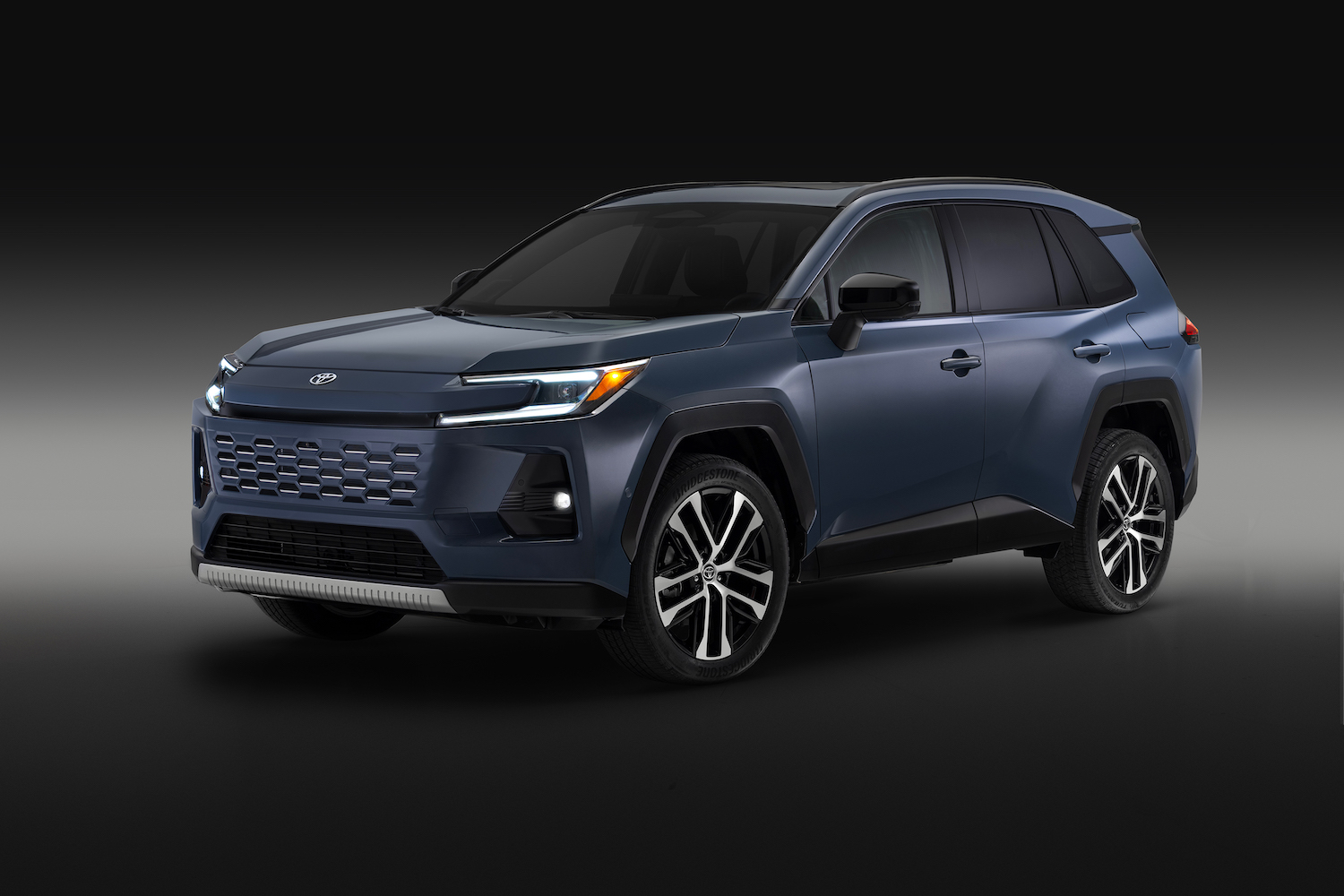
Toyota Recalls 30,978 RAV4 Plug-in Hybrids Over Sudden Power Loss Risk
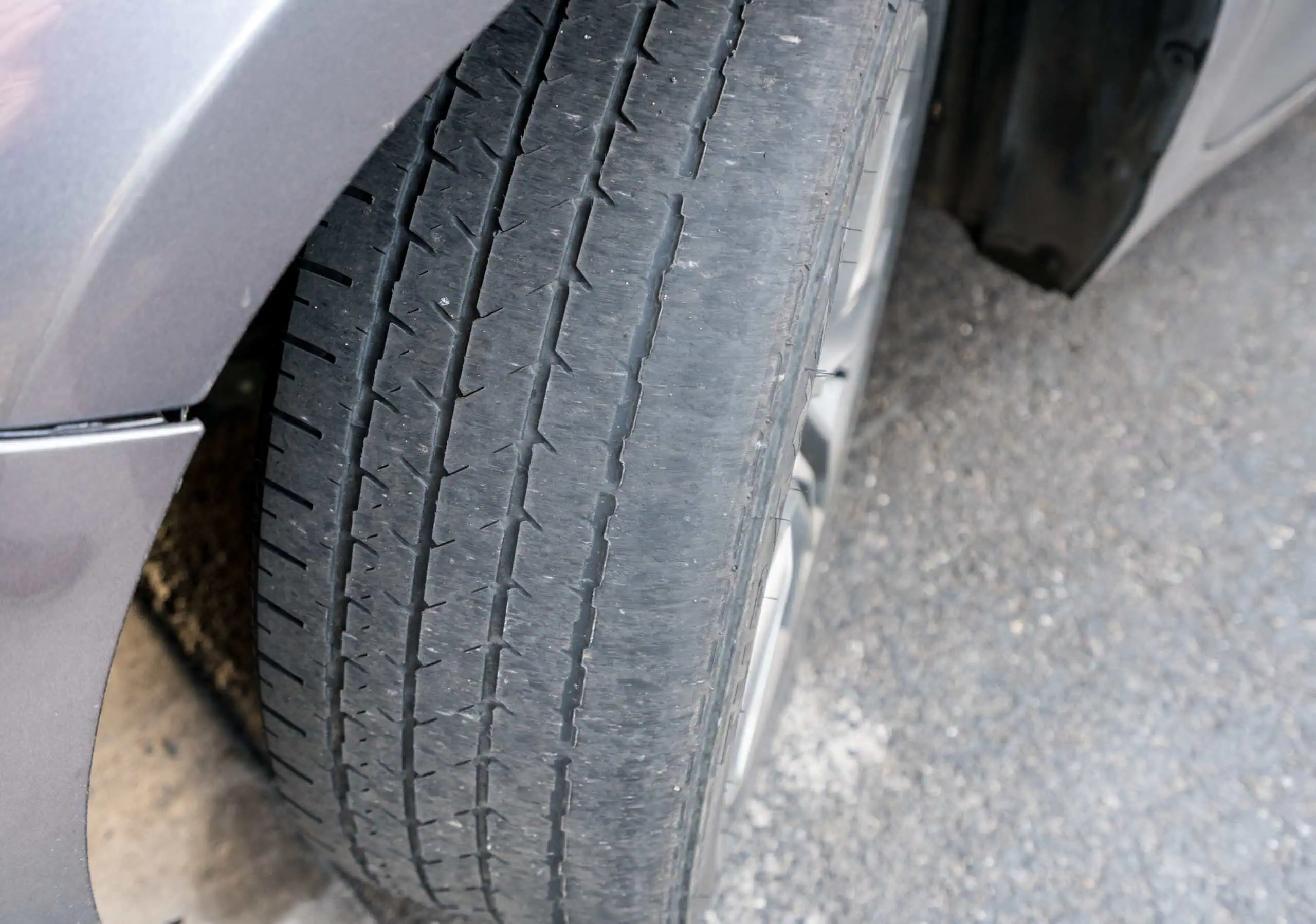
Why Your Steering Wheel Shakes at 70mph and the £10 Fix for It
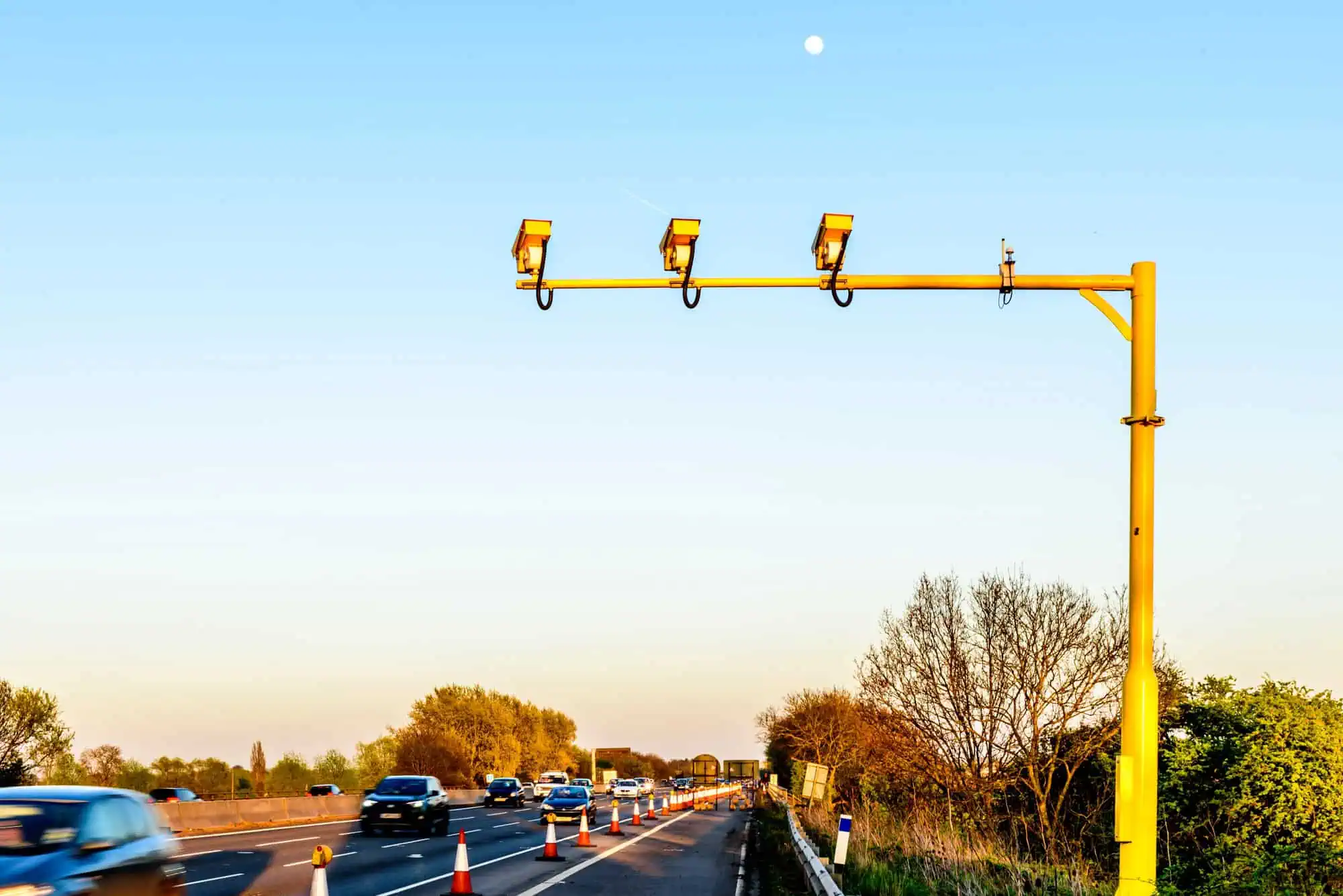
How New Speed Cameras With No Warning Could Catch Every UK Driver Out

Every Driver Owed Up to £830 in Car Finance Now Faces a 2027 Delay
Trending on Motoring Chronicle

What a Six Month Minimum Learning Period Would Mean for Every New Driver in Britain
Toyota Recalls 8,521 C-HR EVs Over a Software Bug That Cuts Power While Driving
What Actually Changed Inside the UK Driving Test on 12 May and What Learners Must Do Now

How to Protect Your Car as Hyundai and Kia Models Stay Theft Targets